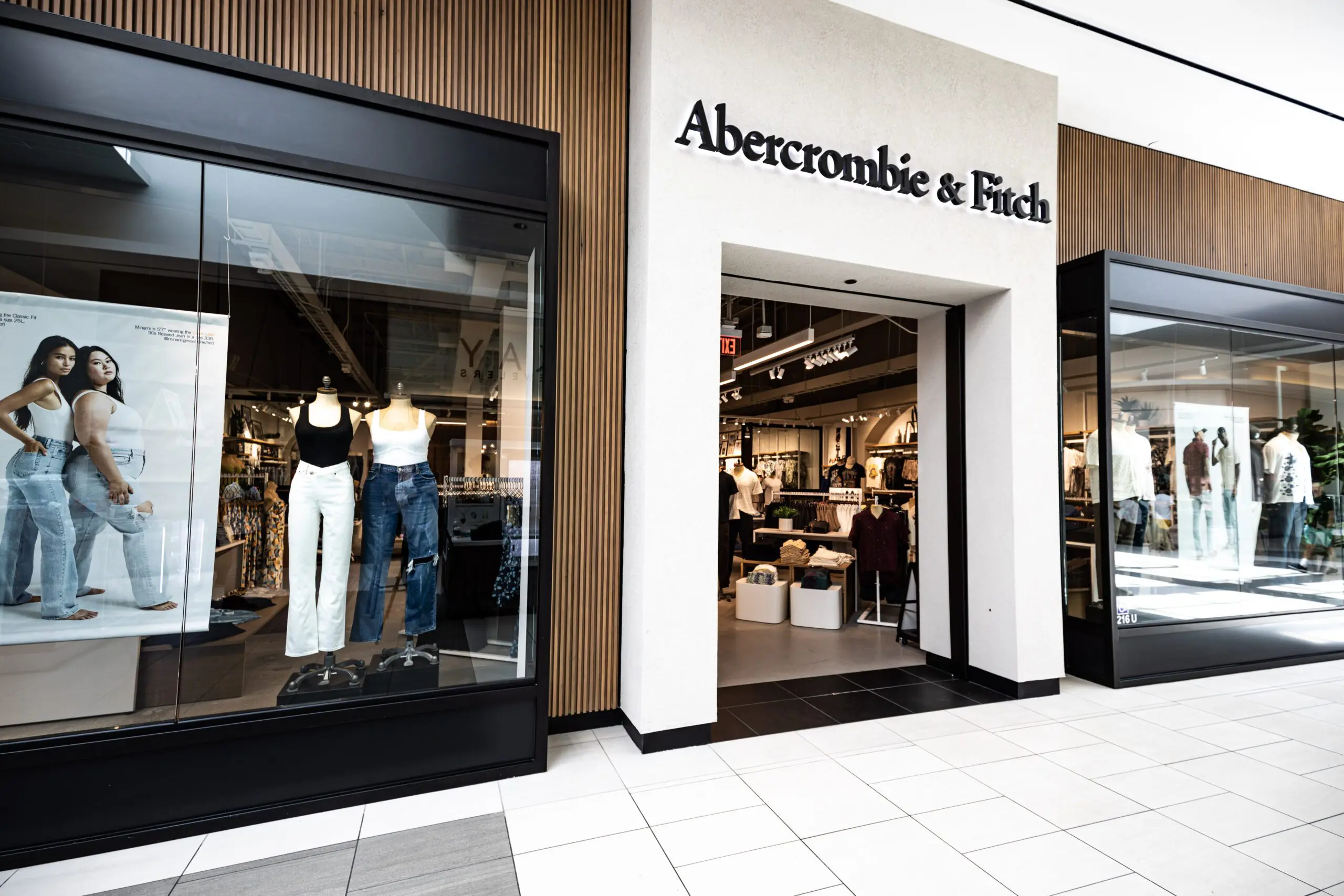
Abercrombie & Fitch Reports 21% Sales Growth and Raises Outlook Despite Economic Uncertainty

Abercrombie & Fitch has reported a substantial 21% increase in revenue for its fiscal second quarter, building on a 16% sales growth from the same period last year. This robust performance has led the apparel retailer to provide optimistic guidance for the current quarter, though its full-year forecast aligns with expectations due to the impact of having one fewer week in the fiscal year.

CEO Fran Horowitz acknowledged the “increasingly uncertain environment” for the first time in four quarters but expressed confidence in the company’s ability to maintain strong performance. She emphasized the company’s commitment to sustainable, profitable growth while continuing to invest strategically in marketing, digital technology, and store expansions.

Despite the positive earnings report, Abercrombie’s shares experienced a 9% drop in premarket trading. The company reported earnings per share (EPS) of $2.50, exceeding the expected $2.22, and revenue of $1.13 billion, surpassing the anticipated $1.10 billion. Net income for the quarter ending August 3 rose to $133 million from $57 million a year earlier.

Same-store sales increased by 18%, driven by strong summer and back-to-school performance. For the current quarter, Abercrombie forecasts a low double-digit percentage increase in sales, outperforming the 8.9% growth expected by analysts. The company has raised its full-year sales growth forecast to 12-13%, in line with analyst predictions, though the loss of one selling week is expected to impact sales by $80 million in the holiday quarter and $50 million for the full year.

Abercrombie has emerged as a notable success story in retail, with notable sales growth at its Hollister and Abercrombie Kids brands. Sales at Hollister rose 17%, and comparable sales increased by 15%, while the Europe, Middle East, and Africa division saw a 16% boost. The company is also expanding internationally, having recently partnered with Haddad Brands to broaden Abercrombie Kids’ distribution and product offerings.
 

U.S. Crude Oil Prices Drop Nearly 2% as Market Discounts Libya Supply Risks

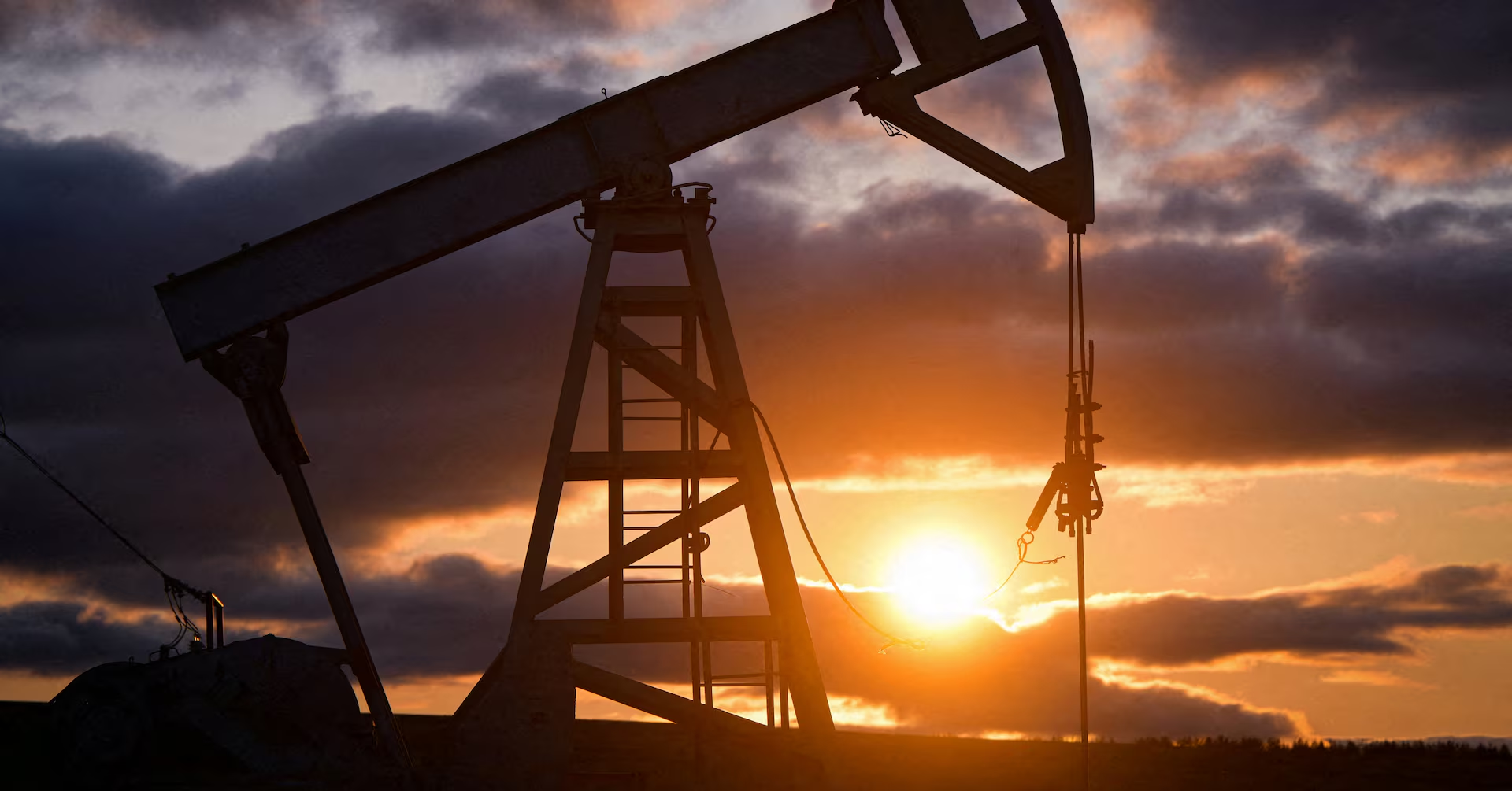
U.S. crude oil prices fell nearly 2% on Wednesday, trading around $74 per barrel, as the market dismisses the impact of potential supply disruptions from Libya. Despite initial gains earlier in the week due to fears of interruptions in Libyan oil supplies, prices have retraced as the situation remains uncertain.

Amarpreet Singh, an energy analyst at Barclays, attributed the price decline to weak demand in China, concerns about a broader economic slowdown, and the likelihood that OPEC+ will proceed with its planned production increase in the fourth quarter. U.S. crude oil settled more than 2% lower on Tuesday.

Here are Wednesday’s energy prices:

  • West Texas Intermediate (WTI) October contract: $74.16 per barrel, down $1.38, or 1.83%. Year-to-date, U.S. oil has gained 3.5%.
  • Brent October contract: $78.26 per barrel, down $1.29, or 1.62%. Year-to-date, Brent is up 1.6%.
  • RBOB Gasoline September contract: $2.20 per gallon, down more than 4 cents, or 1.92%. Year-to-date, gasoline has risen 4.82%.
  • Natural Gas September contract: $1.89 per thousand cubic feet, down more than 2 cents, or 0.95%. Year-to-date, natural gas is down 25%.

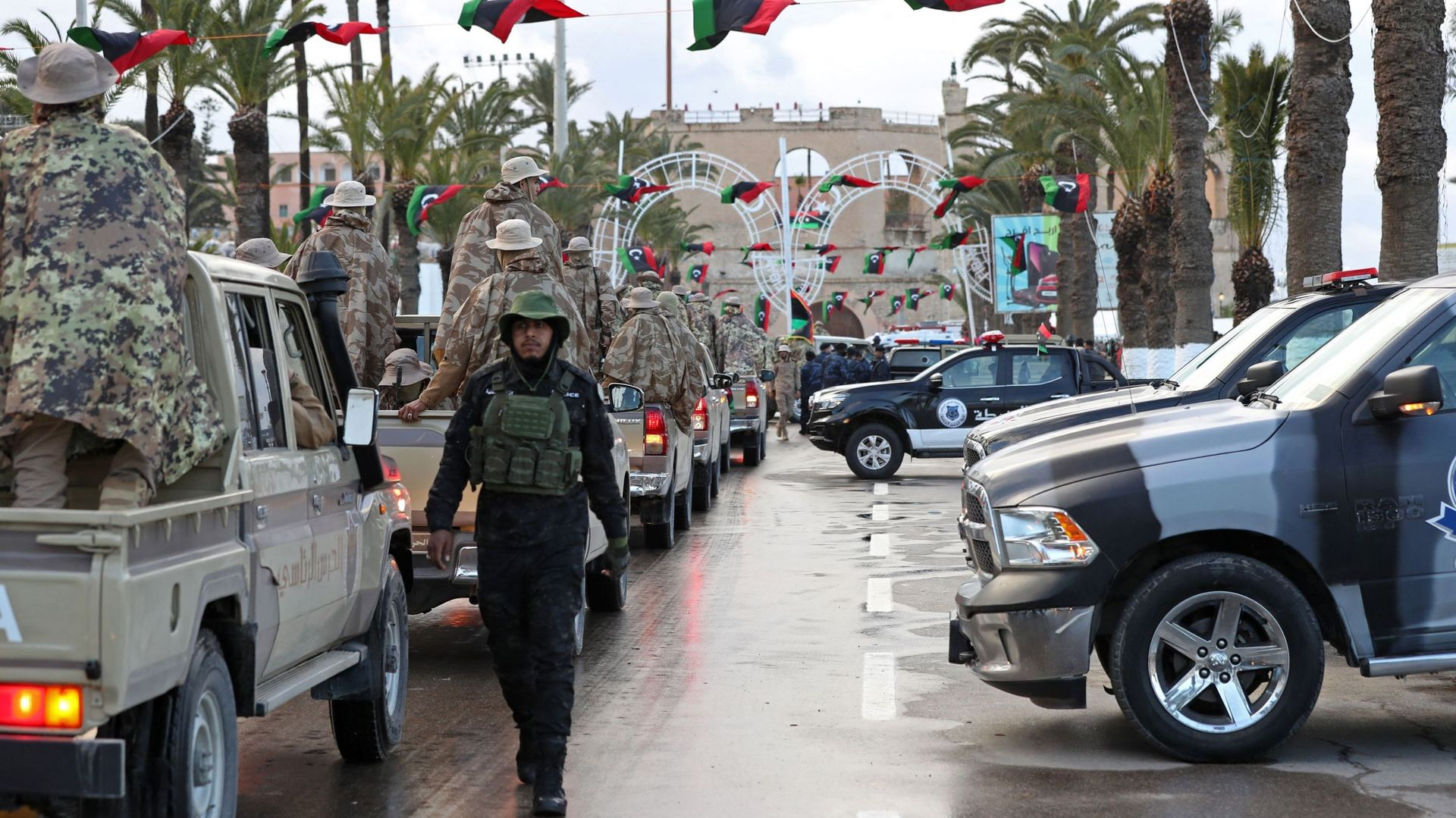
The recent drop in prices follows the threat by Libya’s eastern government in Benghazi to halt all oil production and exports amid a leadership dispute over the country’s central bank. Although this led to a temporary rally in oil prices, futures have since pulled back as the actual extent of the supply disruption remains unclear. Several Libyan oilfields have reportedly halted production, but the UN-recognized Tripoli government and the National Oil Corporation have yet to confirm any significant outages.

Libya’s Power Struggles Threaten Oil Production and Market Stability

Libya’s ongoing political divisions are threatening to once again disrupt its crucial oil sector, raising questions about the sustainability of its oil price support. The North African country is grappling with internal conflicts between the internationally recognized Tripoli government led by Abdul Hamid Dbeibah and the rival eastern Benghazi-based administration, supported by the House of Representatives. Additionally, eastern warlord Khalifa Haftar controls much of Libya’s oil infrastructure.

Recent tensions have escalated over oil revenue disputes. Dbeibeh’s attempt to remove Central Bank Governor Sadiq al-Kabir led the Benghazi administration to order the shutdown of oilfields. Libya’s National Oil Corporation (NOC) has yet to officially address these closures, but its subsidiary Waha Oil has indicated that protests and pressures may lead to production halts. Similarly, Sirte Oil has reported reduced production and called for intervention to maintain output.

Libya’s largest oil field, El Sharara, which produces 300,000 barrels per day, was shut down in early August due to protests. The NOC declared force majeure on El Sharara’s exports, and since then, production of the major crude grade Es Sider has declined, with several other fields also facing reductions or closures.

Libya, a member of OPEC, saw its crude production at 1.18 million barrels per day in July, but analysts forecast that up to 900,000 barrels per day could be offline soon. Disruptions are expected to last several weeks, with significant impacts on the Oil Crescent region.

Despite initial oil price gains on the news, market responses have been mixed. Prices for Brent crude and WTI have fluctuated, with Brent trading at $78.42 per barrel and WTI at $74.31 per barrel as of Wednesday. Analysts, including those from Rystad Energy and Goldman Sachs, believe that the disruptions may be short-lived due to the incentives for both Libyan parties to resolve the conflict quickly.