Russia Demands More Objectivity from IAEA After Nuclear Plant Visit

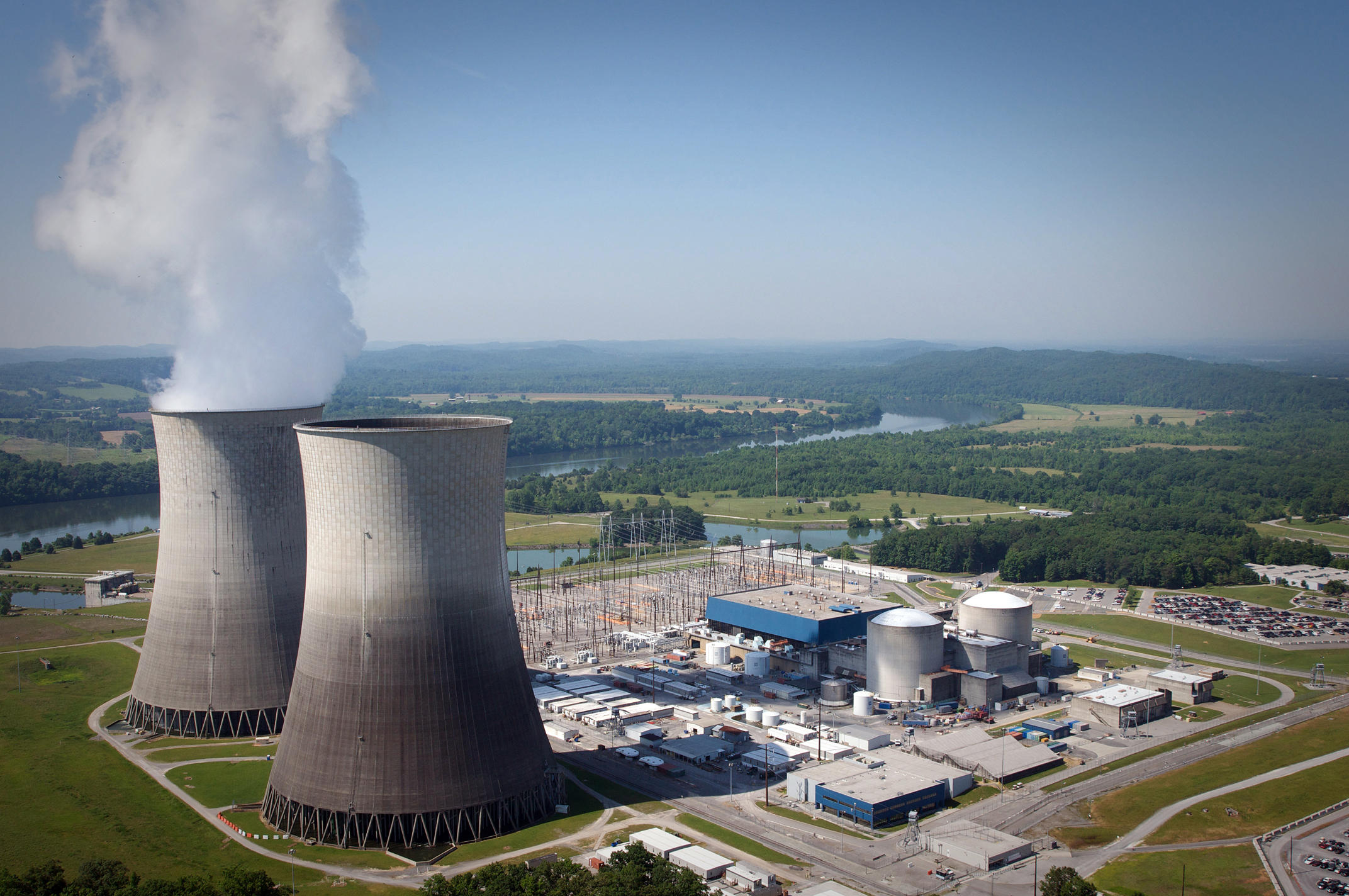
Russia has called on the International Atomic Energy Agency (IAEA) to adopt a “more objective and clearer” stance on nuclear safety following a visit by IAEA chief Rafael Grossi to a nuclear plant near ongoing hostilities with Ukraine. The call for a more decisive stance came a day after Grossi’s inspection of the Kursk nuclear facility, which is situated close to the area where Ukraine has recently conducted military incursions.

During his visit, Grossi highlighted the risks of a potential nuclear accident at the Kursk plant, noting damage from a recent drone strike, which Russia has attributed to Ukraine. He refrained from assigning blame but emphasized the heightened risk to the facility. Russian Foreign Ministry spokesperson Maria Zakharova criticized the IAEA for not presenting a clearer position on nuclear safety, though she denied that Russia was seeking a pro-Russian bias from the agency. “We want a more objective and clearer expression of the IAEA’s position,” Zakharova said, stressing the need for fact-based assessments to ensure safety and prevent catastrophic scenarios.

The IAEA has yet to comment on the request, but the appeal reflects growing pressure from Moscow on the agency, which has consistently urged restraint to avoid incidents around nuclear facilities during the 30-month conflict. Kremlin spokesperson Dmitry Peskov stated that while the IAEA lacks the mandate to assign blame, there is no doubt about Ukraine’s responsibility for escalating nuclear risks.

On Wednesday, Russia’s National Guard reported finding unexploded U.S.-supplied munitions near the Kursk plant, including a shell from a HIMARS rocket system and a rocket fragment containing 180 unexploded rounds. The Russian military claimed the munitions were shot down by its defenses and partially exploded in mid-air. Ukraine has not yet responded to these allegations, and the authenticity of the Russian report could not be independently verified.

Grossi’s visit revealed vulnerabilities in the Kursk plant, designed without a modern containment dome, which could offer protection in the event of a military strike. Asked whether the drone damage constituted a “nuclear provocation” by Ukraine, Grossi emphasized the importance of a careful and impartial approach, acknowledging the connection between recent military activities and the safety concerns raised.
 

Zelenskiy to Present Strategy to Biden for Ending War with Russia

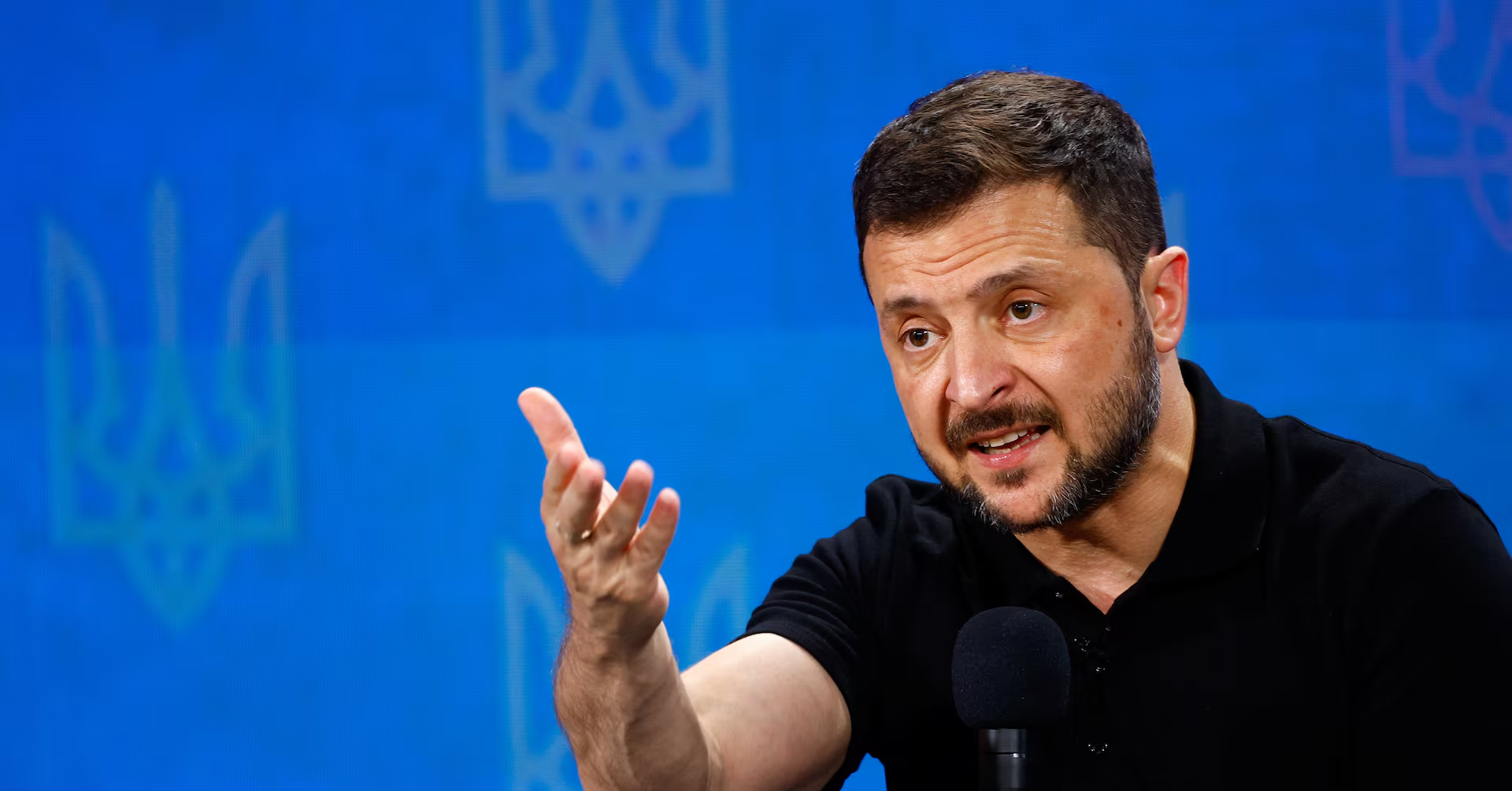
Ukrainian President Volodymyr Zelenskiy announced on Tuesday that he plans to present a comprehensive strategy to U.S. President Joe Biden, alongside potential successors, aimed at ending the ongoing conflict with Russia. Zelenskiy, speaking at a press conference in Kyiv, emphasized that the resolution of the war would ultimately require dialogue, but stressed the necessity for Ukraine to maintain a strong negotiating position.

Part of Zelenskiy’s plan includes the recent three-week incursion into Russia’s Kursk region, a move he sees as integral to Ukraine’s broader strategy. However, he also highlighted that the plan encompasses economic and diplomatic measures to exert pressure on Russia. “The main point of this plan is to force Russia to end the war on terms that are fair to Ukraine,” Zelenskiy stated, referencing Russia’s full-scale invasion of Ukraine that began in February 2022.

Zelenskiy indicated his intention to visit the United States in September to attend the U.N. General Assembly in New York, where he hopes to meet with President Biden. He also plans to discuss his strategy with Democratic Vice President Kamala Harris and likely Republican candidate Donald Trump, who are the main contenders in the upcoming U.S. presidential election.

The Ukrainian leader’s remarks suggest that he envisions a follow-up international summit on peace as a key platform for advancing Ukraine’s position. The first summit, held in Switzerland in June, focused on Ukraine’s vision for peace but did not include Russian representatives, a notable omission as Kyiv sought global support.

Russian Foreign Minister Sergei Lavrov dismissed the possibility of negotiations on August 19, following Ukraine’s significant cross-border incursion into Kursk on August 6. Meanwhile, Indian Prime Minister Narendra Modi, who recently visited Kyiv, has conveyed to Russian President Vladimir Putin his support for a peaceful resolution to the conflict.

Zelenskiy has firmly rejected any compromise with Russia that would involve ceding Ukrainian territory. He criticized Russian President Vladimir Putin for seeking to impose terms on Ukraine, which Kyiv finds unacceptable. “There can be no compromises with Putin,” Zelenskiy asserted, adding that the incursion into Kursk had diminished global calls for Ukraine to concede territory.

On the battlefield, Zelenskiy mocked Putin’s focus on territorial gains, pointing out that while Ukrainian forces have reportedly captured 100 settlements in Kursk, Russian advances in eastern Donetsk continue at a slow pace. Additionally, Zelenskiy announced progress in Ukraine’s domestic weapons production, including the successful test of a domestically-produced ballistic missile.


Nvidia’s Earnings Could Trigger Unprecedented $300 Billion Swing in Shares, Options Indicate

Traders in the U.S. equity options market are bracing for an extraordinary move in Nvidia’s (NVDA) stock following its upcoming earnings report, with expectations pointing to a potential $300 billion swing in market value. The anticipated volatility reflects a projected 9.8% shift in Nvidia’s share price, based on options pricing data from ORATS. This forecast exceeds the expected move for any Nvidia earnings report over the past three years and significantly surpasses the stock’s historical average post-earnings fluctuation of 8.1%.

With Nvidia’s current market capitalization at approximately $3.11 trillion, a 9.8% change equates to roughly $305 billion. This potential swing is set to be the largest expected earnings move ever recorded for a publicly traded company, dwarfing the market caps of about 95% of the S&P 500 companies, including Netflix and Merck.

Nvidia, renowned for its leading role in artificial intelligence (AI) chip manufacturing, has become a pivotal player in the broader market. The company’s stock has surged around 150% year-to-date, contributing significantly to the S&P 500’s 18% gain for the same period. “It’s the Atlas holding up the market,” noted Steve Sosnick, chief strategist at Interactive Brokers, highlighting Nvidia’s influence on overall market profitability.

Options data reveals a greater focus on potential upside rather than downside risks, with traders assigning a 7% probability to a rise of more than 20% and only a 4% chance to a drop exceeding 20%. This asymmetry underscores a prevailing “fear of missing out” (FOMO) among investors, who are keen to capitalize on any potential rally.

The heightened expectations are also attributed to Nvidia’s historical volatility. The company’s average 30-day historical volatility this year is about twice that of other companies with market caps above $1 trillion. This reflects both the stock’s erratic past performance and its status as a highly followed asset among institutional and retail investors.

Christopher Jacobson of Susquehanna Financial Group noted that the options pricing mirrors Nvidia’s actual stock movements, driven by ongoing uncertainty and optimism surrounding the AI sector. As Nvidia continues to shape the future of AI and cloud computing, its earnings report is poised to make a monumental impact on its market value and broader investor sentiment.