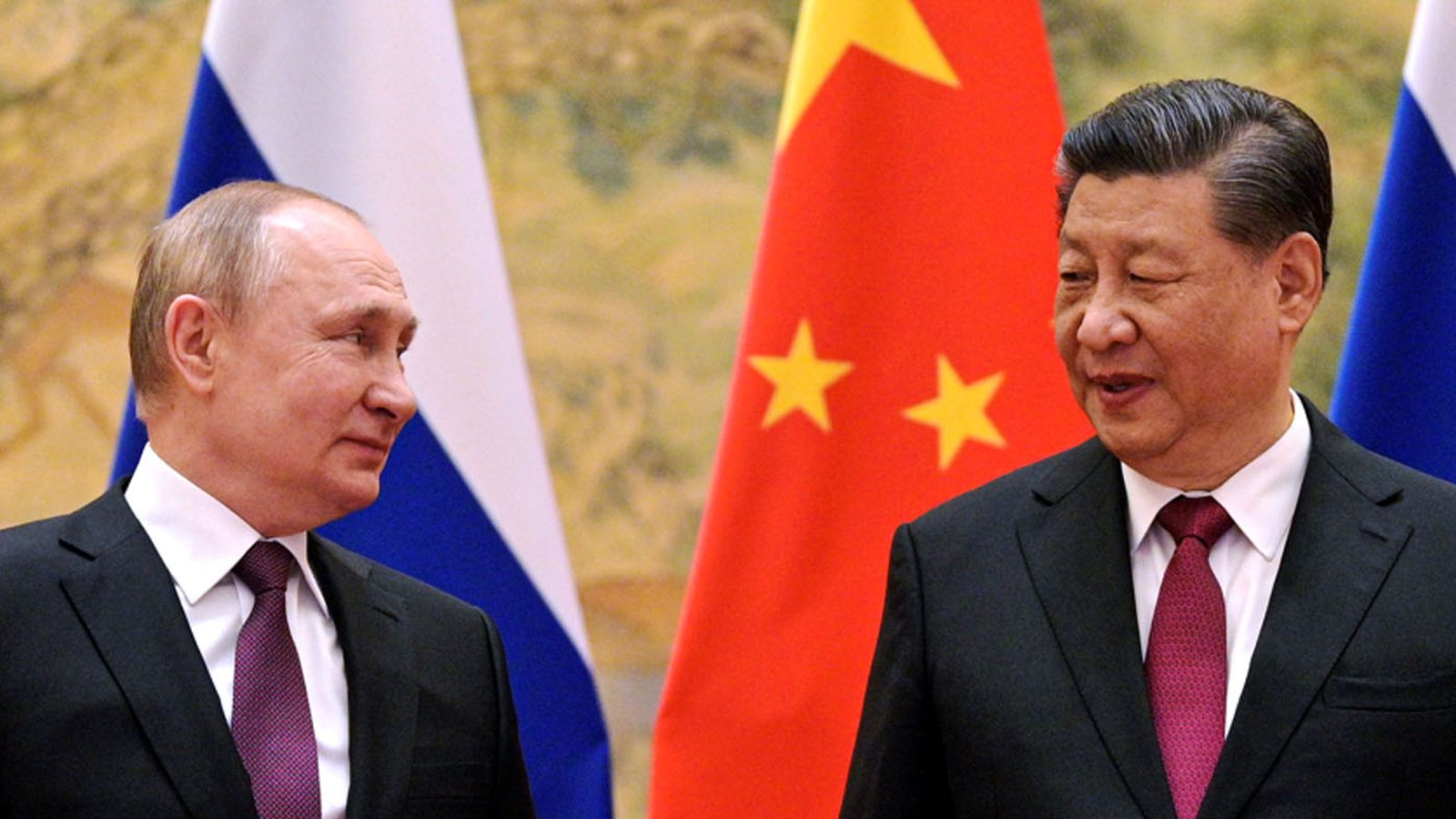
Chinese Premier Li Qiang Visits Russia to Strengthen Ties Amid Ukraine Conflict

Chinese Premier Li Qiang has embarked on a four-day diplomatic visit to Russia and Belarus to bolster strategic ties between China and Russia amidst the ongoing war in Ukraine. Li, the second-highest official in China after President Xi Jinping, is scheduled to meet Russian President Vladimir Putin and hold talks with Prime Minister Mikhail Mishustin in Moscow. The discussions are centered around reinforcing China-Russia cooperation across various sectors, despite mounting Western criticism over China’s continued partnership with Russia amid the Ukraine conflict.

Upon his arrival at Moscow’s Vnukovo Airport on Tuesday, Li emphasized the vitality of China-Russia relations, describing them as entering a “new era” marked by increased political trust, fruitful cooperation, and enhanced international coordination. The visit reflects Beijing’s intent to further deepen its mutually beneficial relationship with Moscow, despite the broader international fallout from Russia’s full-scale invasion of Ukraine in 2022.

This high-level meeting comes just two weeks after Ukrainian forces launched a surprise incursion into Russia’s Kursk border region, a significant development as it marked the first time foreign troops entered Russian territory since World War II. The ongoing conflict has placed considerable pressure on Russia, both militarily and economically, with many urging a swift resolution to the war.
Picture background

While China has positioned itself as a potential peace broker, it has faced increasing scrutiny from Western nations regarding its supply of dual-use goods to Russia, which critics argue are bolstering Moscow’s war effort. Chinese officials have reiterated their stance on seeking a political settlement to the crisis, calling for restraint and a reduction in hostilities. However, Beijing’s actions have so far leaned heavily toward solidifying trade, economic, and security ties with Russia.

Bilateral trade between the two nations hit record highs in 2022, exceeding $240 billion ahead of schedule, with Russia growing increasingly dependent on China’s market and investments in the face of broad international sanctions. Trade between the two countries continued to rise by over 25% year-on-year in 2023, although growth has slowed to 1.6% between January and July compared to the same period last year, according to Chinese customs data.

Li’s visit is part of the annual meeting between Chinese and Russian prime ministers, a tradition that has continued since 1996 to ensure the practical implementation of cooperative measures guided by Xi and Putin. This year’s discussions are expected to focus on trade, economic partnerships, and strategic coordination as both countries navigate the complex geopolitical landscape shaped by the Ukraine conflict.

After his meetings in Russia, Li will conclude his trip with a visit to Belarus, where he is set to meet Belarusian Prime Minister Roman Golovchenko. The two leaders will engage in discussions aimed at strengthening bilateral relations and exploring new opportunities for cooperation across various sectors. This visit underscores China’s broader regional influence as it seeks to balance its relationships amidst the ongoing conflict in Ukraine and global economic pressures.
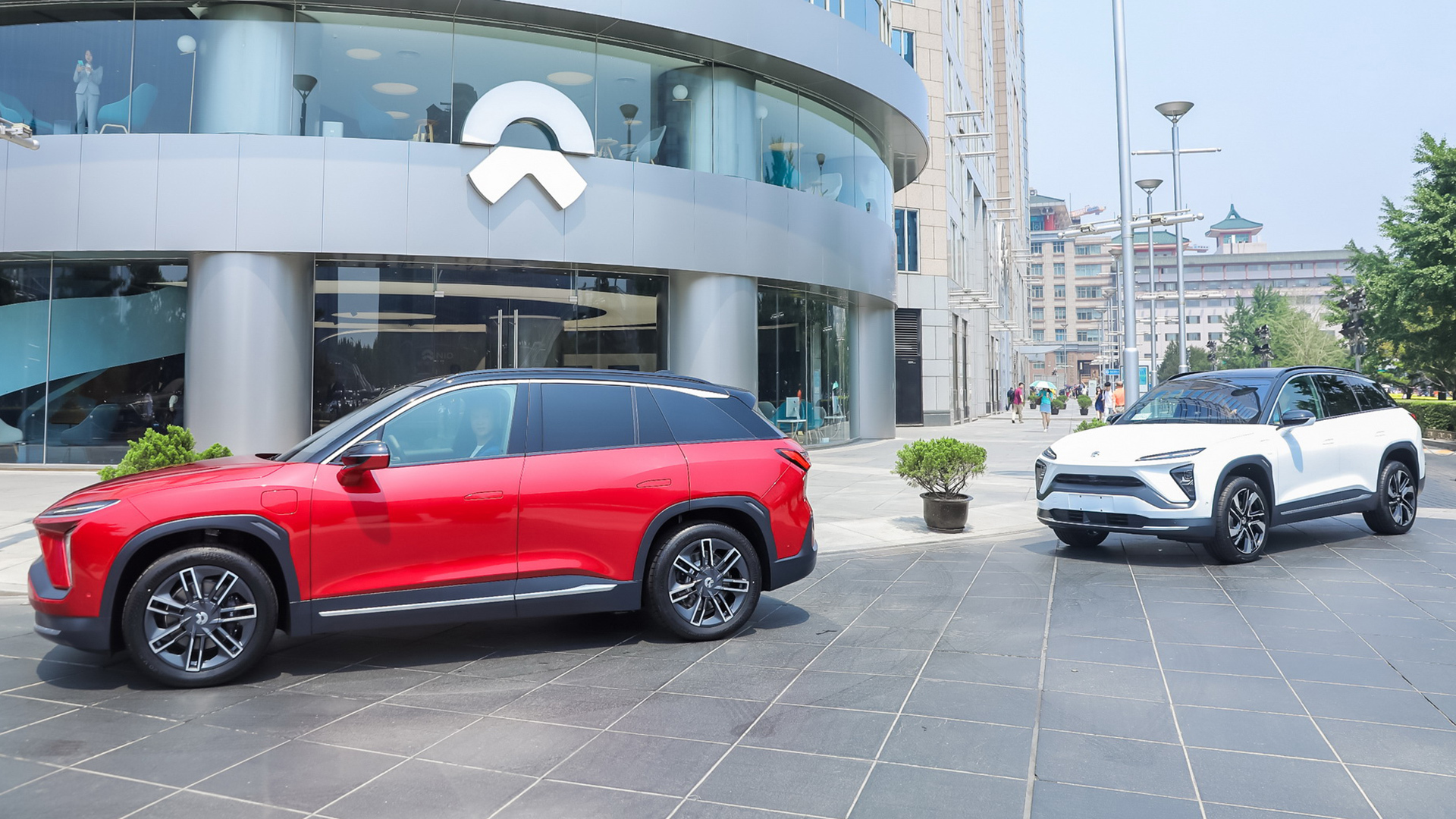
Nio Targets Expansion of Battery Chargers and Swap Stations Across All Chinese Counties by 2025

Chinese electric vehicle manufacturer Nio has announced plans to significantly expand its charging and battery swap infrastructure, aiming to install battery charging stations in each of China’s 2,844 counties by June 2025. The company, a leader in the country’s electric vehicle sector, further disclosed its intentions to establish battery swap stations in more than 2,300 counties by the same timeline, with efforts to reach the remaining counties by 2026.

This large-scale expansion is a part of Nio’s broader strategy to address consumer concerns regarding range anxiety, a key hurdle for the widespread adoption of electric vehicles (EVs). Battery charging and swap stations are considered crucial in less developed areas where such infrastructure is sparse. Nio’s innovative battery swap technology allows drivers of compatible vehicles to exchange depleted batteries for fully charged ones in about three minutes, drastically reducing the time spent waiting at conventional charging stations.

Nio’s current infrastructure already includes over 23,000 charging stations and more than 2,480 battery swap stations as of August 2023. The company claims to have completed over 51 million battery swaps, with more than half of the electricity used by Nio vehicles in July derived from these swaps. The expansion of Nio’s infrastructure is not limited to its vehicles, as more than 200 other car brands are reportedly able to use the company’s charging stations. Over 80% of the electricity provided by Nio’s chargers is used by non-Nio vehicles, showcasing the brand’s contributions to China’s growing EV ecosystem.

Picture background

This expansion effort aligns with China’s national agenda to bolster the electric vehicle market, as outlined in its latest five-year plan that commenced in 2021. The plan includes goals for a nationwide fast-charging network, with particular emphasis on ensuring that at least 60% of highway service areas are equipped with such stations. The Chinese government has shown considerable support for the electric vehicle industry, including the development of EV charging infrastructure. In 2023, China reported a 65% increase in the number of charging stations, totaling 8.6 million. This translates to a ratio of one charging station for every 2.4 new energy vehicles sold during that year.

The competition in the electric vehicle market has driven rapid advancements in charging technology, with companies like Zeekr, a subsidiary of Geely, claiming that its new ultra-fast charging stations can charge a battery from 10% to 80% in just 10.5 minutes—surpassing the performance of Tesla’s charging technology. Nio, for its part, is focused on refining both its charging and swapping technologies, while continuing to build strategic partnerships with automakers such as Chang’an and Geely.

Nio’s power business is also expanding, with recent investments such as a 1.5 billion yuan ($210 million) injection led by a Wuhan city-linked fund. While the majority of Nio’s revenue comes from vehicle sales, its power services segment has grown by 5.2% in the first quarter of 2023, contributing 1.53 billion yuan to the company’s earnings.

The company has not yet announced its second-quarter earnings for 2023 but is expected to do so soon. As Nio continues its ambitious expansion plans, the company remains a central player in China’s push to dominate the global electric vehicle market.

UBS Strategist Predicts Continued Market Volatility Amid Global Economic Slowdown

The spike in market volatility seen in early August was a “huge overreaction,” according to Gerry Fowler, head of European equity strategy at UBS. He noted that a weaker-than-expected U.S. jobs report and a hawkish shift by the Bank of Japan had driven volatility to extreme levels, with the VIX index surging to 65 before retreating. Fowler expects volatility to remain elevated as uncertainty looms over the global economy.

Fowler believes the volatility spike was excessive, but noted that moderate levels of volatility should persist as markets respond to concerns about a potential U.S. economic slowdown and job losses. Future jobs data, including nonfarm payrolls and jobless claims, will be critical in determining whether the current slowdown leads to a recession or if rate cuts will stabilize the economy.

Fowler anticipates that markets will stabilize at higher volatility levels, trading within a range, though not seeing the strong upward momentum observed earlier this year. The outlook remains cautious as the global economy navigates this uncertain period.