
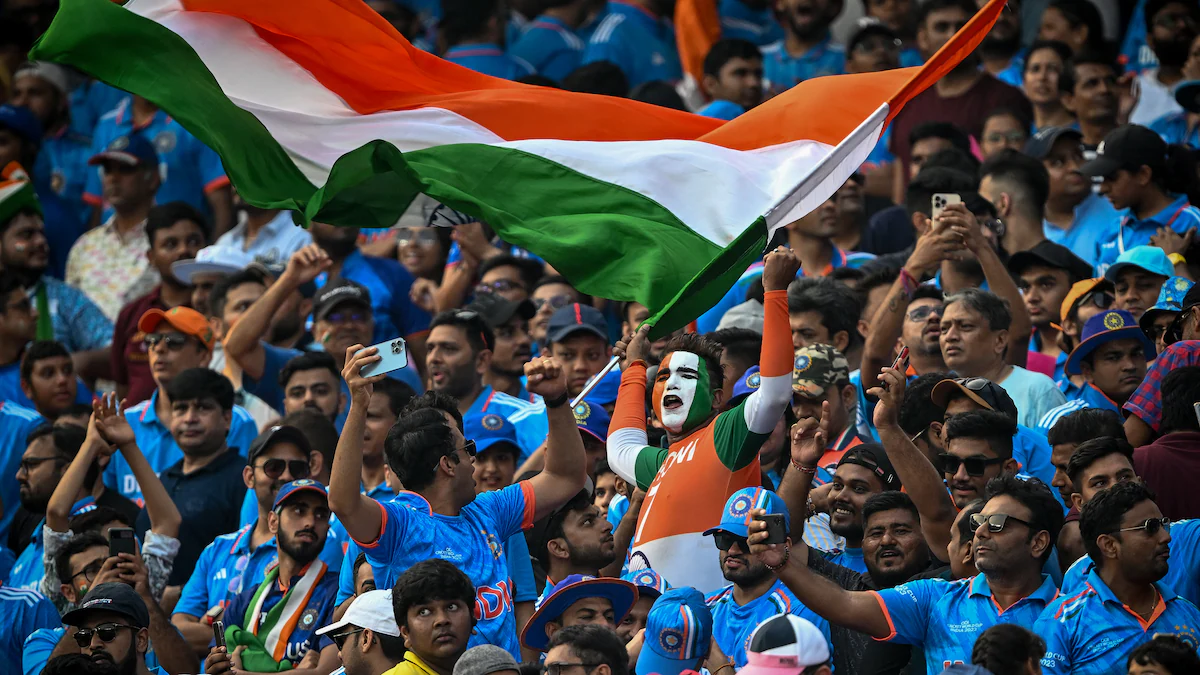
India’s antitrust body, the Competition Commission of India (CCI), has raised concerns that the proposed $8.5 billion merger between Reliance and Disney’s media assets could harm competition, particularly due to their potential dominance over cricket broadcast rights. This merger, aimed at creating India’s largest entertainment conglomerate, has sparked fears over pricing power and control over advertisers in a market where cricket is a highly lucrative sport.
The CCI has privately informed Disney and Reliance of its concerns, specifically highlighting the significant influence the merged entity would wield over cricket broadcasting, a sport deeply embedded in Indian culture and commanding substantial viewership and advertising revenue. The merged company, majority-owned by Mukesh Ambani’s Reliance, would control the broadcast rights for major cricket leagues, including the Indian Premier League (IPL), one of the world’s most valuable sports properties.
This development represents a significant obstacle for the merger, which was announced in February 2024. The CCI has given the companies 30 days to respond and justify why an investigation should not be launched. The primary concern is that the merger could lead to increased advertising rates during live cricket events, given the merged entity’s potential 40% share of the advertising market in TV and streaming segments.

In response to earlier queries from the CCI, Reliance and Disney proposed selling a small number of television channels to alleviate concerns about market dominance. However, they refused to concede on cricket broadcasting rights, arguing that these rights, set to expire in 2027 and 2028, cannot be sold without approval from the Board of Control for Cricket in India (BCCI), which could further delay the merger process.
The situation echoes a similar scenario in 2022 when Zee and Sony planned a $10 billion merger. The CCI had also issued a warning due to concerns over market dominance, particularly in the sports broadcasting sector. Although Zee and Sony offered concessions, including selling three TV channels, the merger ultimately collapsed.
As the situation develops, the CCI’s notice could delay the approval process for the Disney-Reliance merger, potentially leading to more stringent concessions. The outcome will likely hinge on how the companies address concerns related to their potential dominance over cricket broadcasting and its impact on competition within the Indian media and advertising markets.
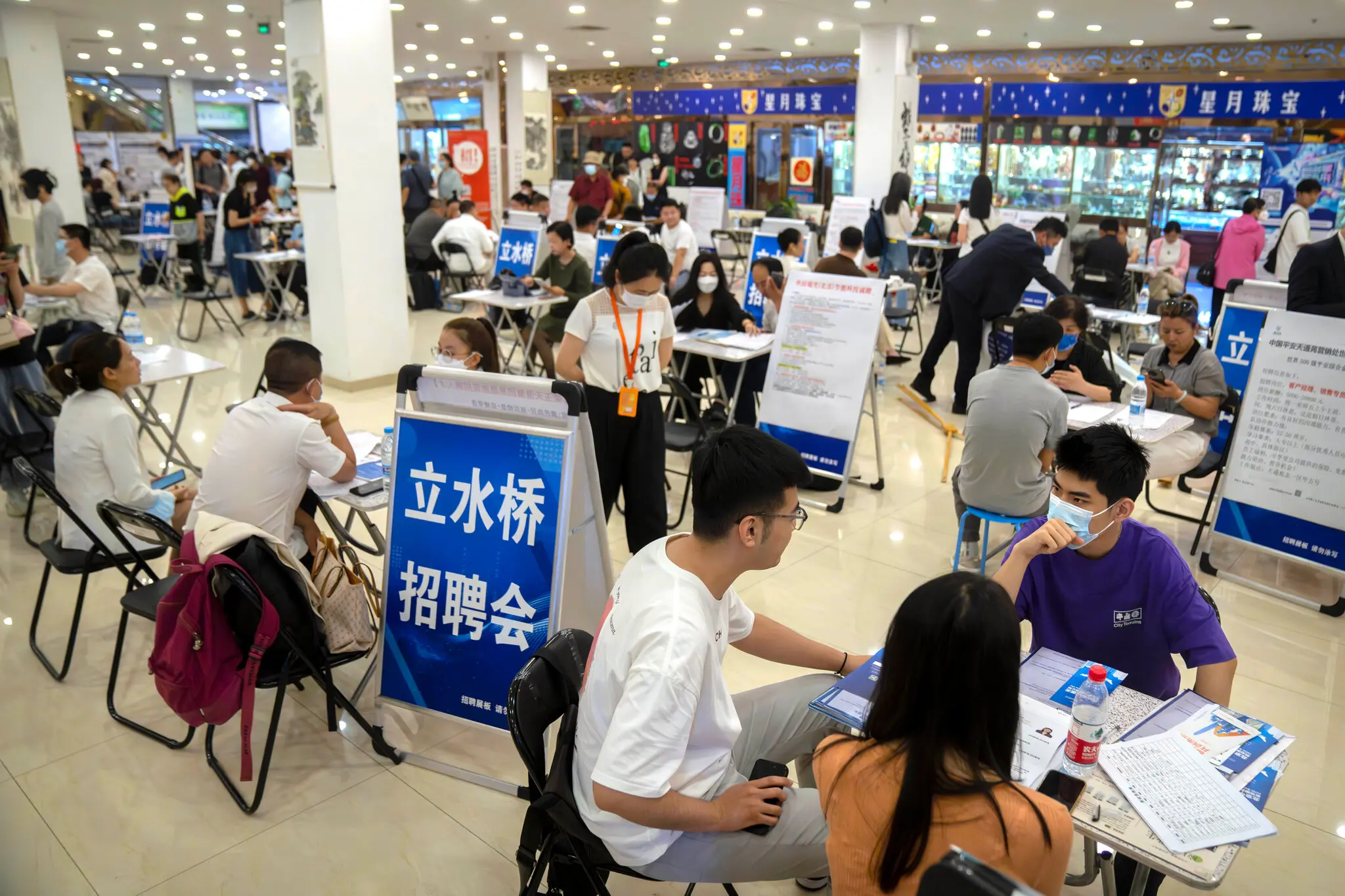
China’s growing youth unemployment crisis has led to the emergence of a new working class, dubbed “rotten-tail kids,” a term echoing the unfinished and deteriorating buildings that symbolize the country’s troubled economy. Faced with a stagnant labor market and diminished job prospects, millions of college graduates are forced to accept low-wage work or rely on their parents’ pensions to survive.
The crisis has escalated since the COVID-19 pandemic, compounded by government crackdowns on the tech, finance, and education sectors. A record 11.79 million college students graduated in 2023, contributing to a youth unemployment rate that hit an unprecedented 21.3% in June of that year. In response, Chinese authorities suspended the release of unemployment data, later revising it to 17.1% by July 2024. Despite efforts by President Xi Jinping to prioritize job creation for young people, the challenge remains immense. Initiatives like job fairs and business support policies have been introduced, yet many young Chinese are unable to find stable employment.
For many, a college degree once symbolized upward social mobility and a brighter future, but those promises have faded. With an oversupply of graduates, even those with post-graduate degrees struggle to secure work in a sluggish economy. Some have resigned themselves to becoming “full-time children,” living at home and relying on their parents’ financial support. Others, disillusioned by low-paying jobs or exploitative work conditions, contemplate shifting career paths entirely, like recent graduate Amada Chen, who left her sales job due to unbearable work culture and unrealistic expectations. Chen, after applying for over 130 jobs, is now considering modeling as an alternative to her degree in traditional Chinese medicine.
This economic dilemma is not new in China. Since the late 1990s, China has expanded its university system to create a highly educated workforce, but the supply of graduates continues to outpace job availability. While some like Zephyr Cao, a master’s graduate, remain optimistic about pursuing further education to improve their chances, others like AI student Shou Chen, who has struggled to secure even an internship, express deep pessimism about their future in a saturated job market.
The outlook remains uncertain as China braces for a long-term mismatch between graduates and job demand. While the fertility rate decline is expected to slow this trend by the mid-2030s, the current generation of young people must navigate a job market that is unlikely to meet their expectations anytime soon.
