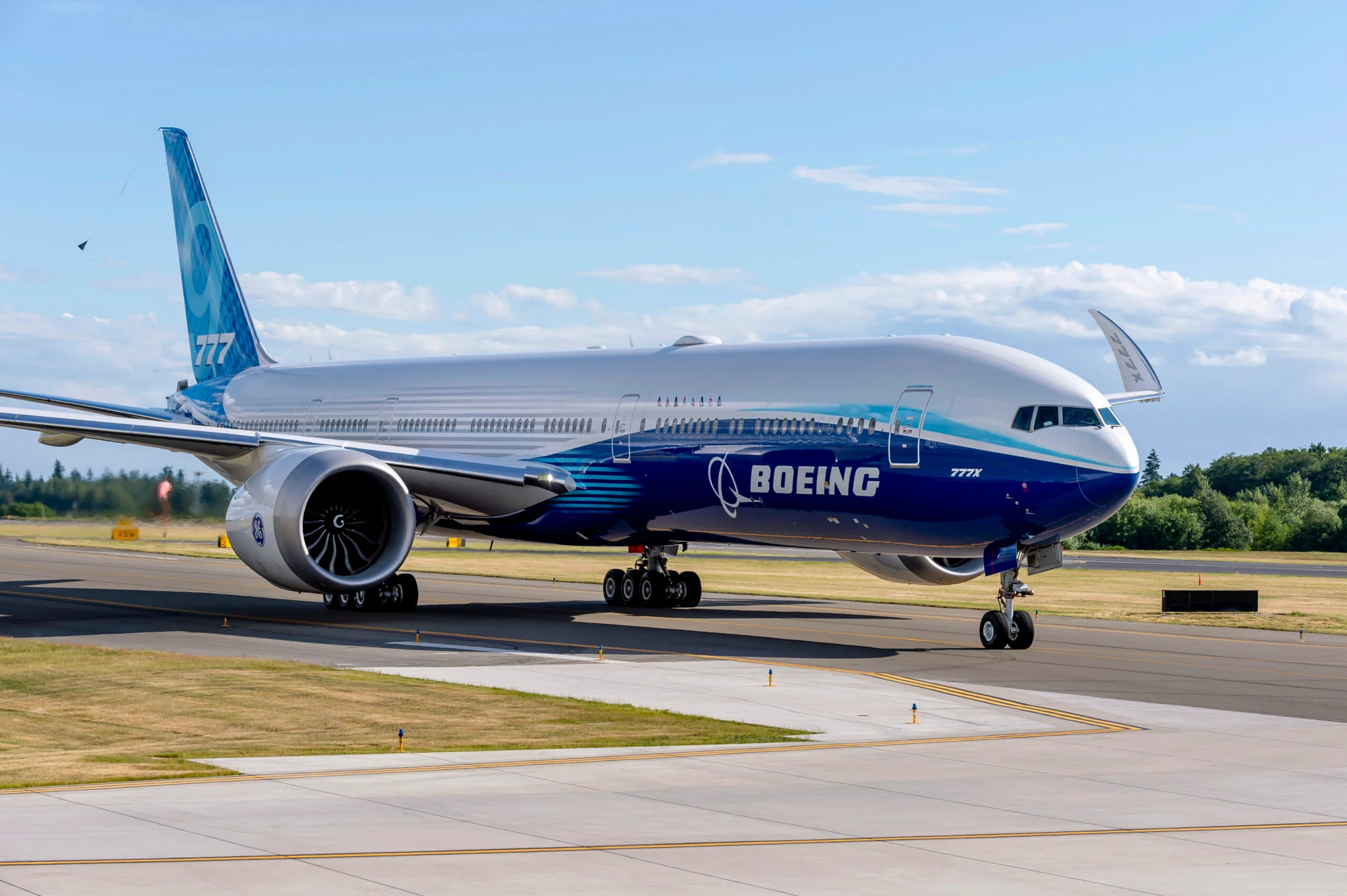
Boeing Halts 777X Testing After Structural Issues Emerge, Further Damaging Its Reputation

Boeing has paused testing of its long-delayed 777X aircraft after discovering structural issues with a component located between the engine and the plane’s wings. The company announced that it identified a part that failed to meet performance standards and is now replacing it to analyze the problem. The Air Current first reported the issue.

The 777X, touted as the world’s largest and most efficient twin-engine jet, was initially set to enter service in 2020. However, the project has faced numerous delays and cost overruns, with a revised launch date now pushed to 2025. The latest setback could further delay this timeline. Boeing indicated that testing of its four-aircraft fleet will resume once the issues are resolved.

This development adds to Boeing’s ongoing challenges, including a recent safety crisis involving a mid-air door plug blowout on a 737 Max operated by Alaska Airlines. The incident was attributed to missing bolts due to inadequate paperwork.

The 777X problems are part of a broader pattern of safety and quality concerns at Boeing, which have sparked federal investigations and contributed to delivery delays affecting airlines worldwide. Despite a recent win in July orders over Airbus, Boeing still trails its competitor significantly for the year.

Boeing’s stock fell 2% in premarket trading on Tuesday and is down nearly 30% for the year. The company has lost $33 billion since 2019, reflecting a significant decline from its former reputation for excellence in American aviation.


Tornado Sinks Luxury Yacht Off Sicily, Search Continues for Missing Passengers

A luxury yacht named “Bayesian” sank off the coast of Sicily early Monday morning after being struck by a tornado, prompting a large-scale air and naval rescue operation. Emergency workers are still searching for six individuals who are missing following the incident.

The British-flagged vessel was anchored near Porticello when it capsized due to a severe waterspout accompanied by intense thunderstorms. The storm caused the yacht’s mast to break, leading to its sinking. Eyewitnesses reported powerful winds and a trail of debris scattered near the pier.

Among those missing are British tech entrepreneur Mike Lynch, Morgan Stanley International chairman Jonathan Bloomer, and prominent lawyer Chris Morvillo. Lynch’s wife survived the accident, but his 18-year-old daughter is among the missing.

Rescue operations have recovered fifteen people from the wreckage, with one confirmed dead. The survivors include a child who was airlifted to a hospital in Palermo. Rescue efforts are hampered by the depth of the wreckage, with divers working in challenging conditions 49 meters below sea level.

The “Bayesian,” built in 2008, was a 56-meter yacht known for its towering 72.27-meter mast. It was available for charter at a premium rate. The yacht’s name reflects the statistical theory associated with Lynch’s business success.

The incident occurred amidst unusually warm sea temperatures around Sicily, which have fueled severe weather conditions. Waterspouts, which are tornadoes forming over water, have been increasingly active due to these elevated temperatures.

Global Commodities Winners and Losers in 2024 – What’s Driving the Market?

The global commodities market has experienced substantial volatility this year, with weather patterns and economic conditions driving sharp fluctuations in prices. Here’s a look at the biggest winners and losers.

Biggest Winners:

  • Cocoa: Prices surged 66%, driven by adverse weather in West Africa, a global bean shortage, and speculative activity by hedge funds.
  • Eggs: Prices jumped 62% due to avian influenza outbreaks and increased consumer demand for affordable protein.
  • Orange Juice: Futures soared due to declining production in the U.S. and Brazil amid climate-related disruptions.
  • Rubber: Surged 30%, fueled by limited rainfall in Thailand and Indonesia and increased demand from China’s electric vehicle sector.
  • Coffee: A 25% rise due to weather challenges and El Niño impacting key producers like Brazil and Southeast Asia.

Biggest Losers:

  • Iron Ore: Prices dropped below $100 per ton as China’s weak property sector curbed demand for steel.
  • Grains: Wheat, corn, and soybeans saw significant declines as large harvests flooded the global market, driving down prices.

Notable Mention:

  • Gold: Safe-haven demand pushed prices to record highs, with expectations of further gains as U.S. interest rates decline.

Weather patterns, particularly El Niño and the anticipated shift to La Niña, will likely continue impacting commodity prices heading into 2025, particularly in agriculture.