Ukraine’s Air Force Commander Dismissed Following F-16 Crash

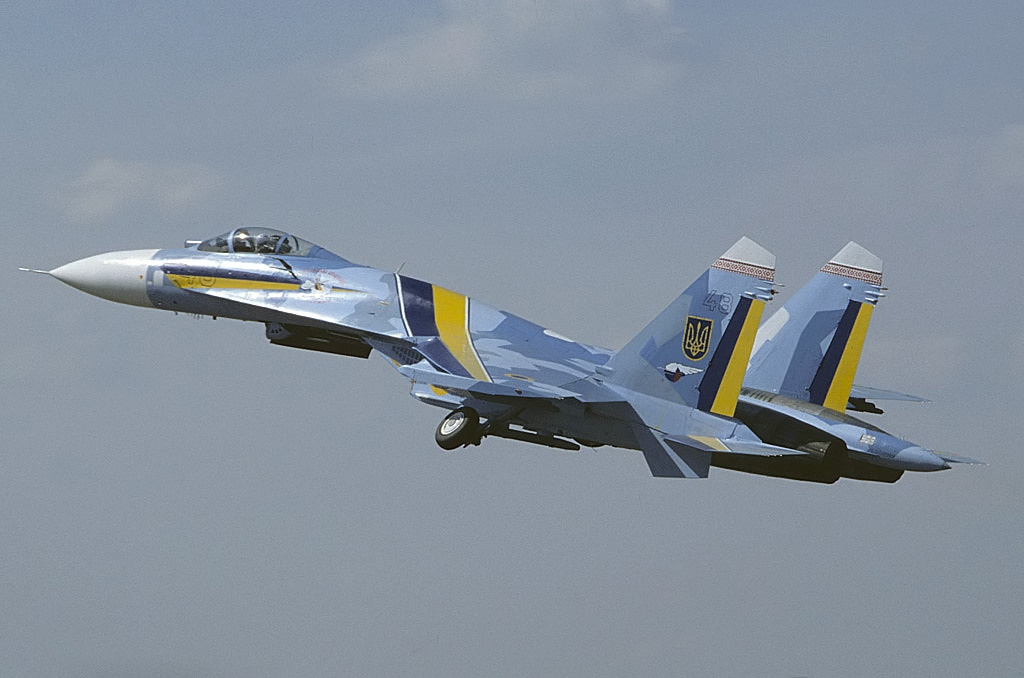
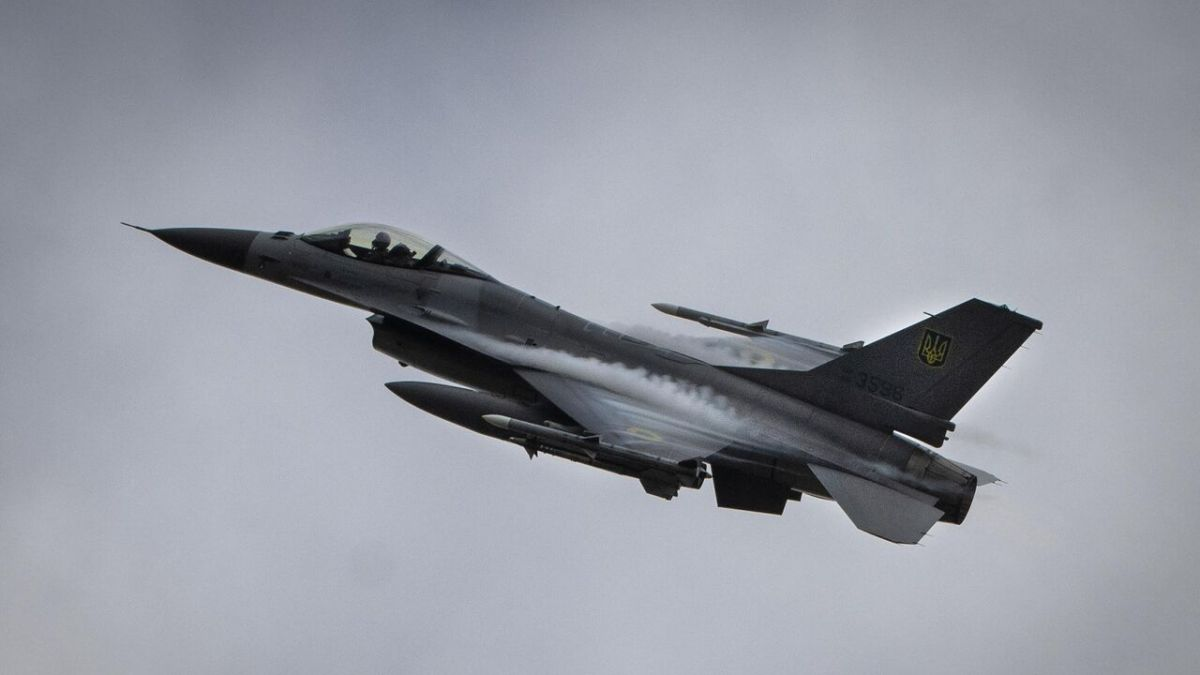
Ukrainian President Volodymyr Zelenskiy dismissed Air Force Commander Mykola Oleshchuk on Friday, a move that follows the tragic crash of an F-16 jet earlier in the week. The crash, which occurred on Monday during efforts to repel a significant Russian missile attack, claimed the life of a Ukrainian pilot.

In his evening address, Zelenskiy expressed deep gratitude for the nation’s military pilots but did not provide a specific reason for the dismissal. He emphasized the importance of protecting personnel and the necessity to strengthen command structures within the military.

In the interim, General Lieutenant Anatoliy Kryvonozhka has been appointed to temporarily perform the duties of Air Force commander. The Ukrainian military has not yet disclosed the cause of Monday’s crash, but Oleshchuk had mentioned that U.S. partners were aiding in the investigation. A U.S. defense official told Reuters that the crash was not believed to be caused by Russian fire, with factors such as pilot error or mechanical failure still being considered.

The loss of the F-16 comes as a significant setback for Ukraine, which only recently received these jets in the ongoing fight against Russia’s full-scale invasion.

Brazil Orders Suspension of Elon Musk’s X Platform Amid Legal Feud

Brazil’s telecommunications regulator announced on Friday that it is moving to suspend access to Elon Musk’s X platform, formerly known as Twitter, following a court order from Supreme Court Justice Alexandre de Moraes. This suspension was triggered after X missed a deadline to appoint a legal representative in Brazil, as required by law.

Musk has fiercely opposed the court’s ruling, accusing Justice Moraes of attempting to enforce unjustified censorship. Moraes, however, has maintained that regulation is necessary to curb hate speech on social media platforms. The judge’s decision is the latest development in a prolonged dispute with Musk, which has now escalated to the point of a potential shutdown of X in one of its largest markets.

Despite the court order, X remained accessible in Brazil late on Friday. Some users, however, reported that their access had already been blocked by local telecommunications carriers, which planned to fully enforce the suspension by midnight.

In addition to the suspension, the court also froze the bank accounts of Musk’s satellite internet provider, Starlink, in Brazil. The judge has ordered X to pay more than $3 million in fines and to comply with other legal mandates before service can be restored in the country. Telecommunications regulator Anatel has been tasked with implementing the suspension, which will require telecommunication companies to block X’s traffic and prevent users from bypassing the ban using virtual private networks (VPNs). Moraes warned that those who continued to access X via VPNs could face daily fines of up to 50,000 reais (around $9,000).

Picture background

While Apple and Google were initially ordered to remove X from their app stores and implement anti-VPN measures, Justice Moraes later reversed this part of the order. Both companies declined to comment.

Brazil’s Supreme Court judges wield considerable power to make unilateral decisions, and in this case, Moraes’ stance has been supported by a majority of the 11-member court. The roots of the conflict trace back to a previous Moraes order demanding X block accounts accused of spreading misinformation and hate speech, which Musk criticized as censorship. Although Musk closed X’s offices in Brazil in response, he has continued to make the platform available to users in the country.

Musk, who also owns 40% of SpaceX and leads electric vehicle giant Tesla, derided Brazil’s President Luiz Inacio Lula da Silva as Moraes’ “lapdog,” further heightening tensions. President Lula responded firmly, stating that all companies, regardless of their wealth or influence, must comply with Brazilian law.

The situation remains tense as Brazil pushes for compliance from Musk’s ventures, with no signs of backing down from the court or government.

Ukrainian F-16 Destroyed in Russian Attack; Pilot Killed

A Ukrainian F-16 fighter jet, recently supplied by NATO allies, was destroyed during a Russian missile barrage on Monday,. The crash resulted in the death of pilot Oleksiy Mes and marks the first loss of an F-16 since these aircraft were delivered earlier this month.

The Ukrainian military has clarified that the crash was not caused by a direct enemy missile strike. Instead, the pilot is credited with intercepting three cruise missiles and one drone during what is reported as Russia’s largest aerial assault to date. The Ukrainian Air Force honored Mes in a statement, acknowledging his sacrifice in protecting Ukrainian lives.

While the specific type of aircraft involved was not initially disclosed. Ukrainian President Volodymyr Zelensky confirmed the deployment of the US-made F-16s on Tuesday, emphasizing their role in countering Russian drones and missiles.

In a recent development, Dutch Chief of Defence Gen. Onno Eichelsheim announced that the Netherlands will provide Ukraine with 24 additional F-16s, alongside more weaponry, with no restrictions on their use beyond compliance with humanitarian law. This means Ukraine could potentially use these jets for deeper strikes into Russian territory.

Since August 2023, when US President Joe Biden authorized the transfer, approximately 65 F-16s have been pledged by NATO countries to Ukraine. These aircraft are working in conjunction with Western-supplied surface-to-air missile systems like Patriot and Nasams, enhancing Ukraine’s defense capabilities against Russian glide bombs and precision munitions.

The loss of the F-16 is a setback for Ukraine, as President Zelensky prepares to present a “victory plan” to US President Joe Biden next month. In addition, Zelensky recently disclosed the successful test of a domestically-produced ballistic missile, although further details remain confidential.