Elon Musk’s X Lawsuit Against Media Matters Advances to Trial After Texas Judge Denies Dismissal Request
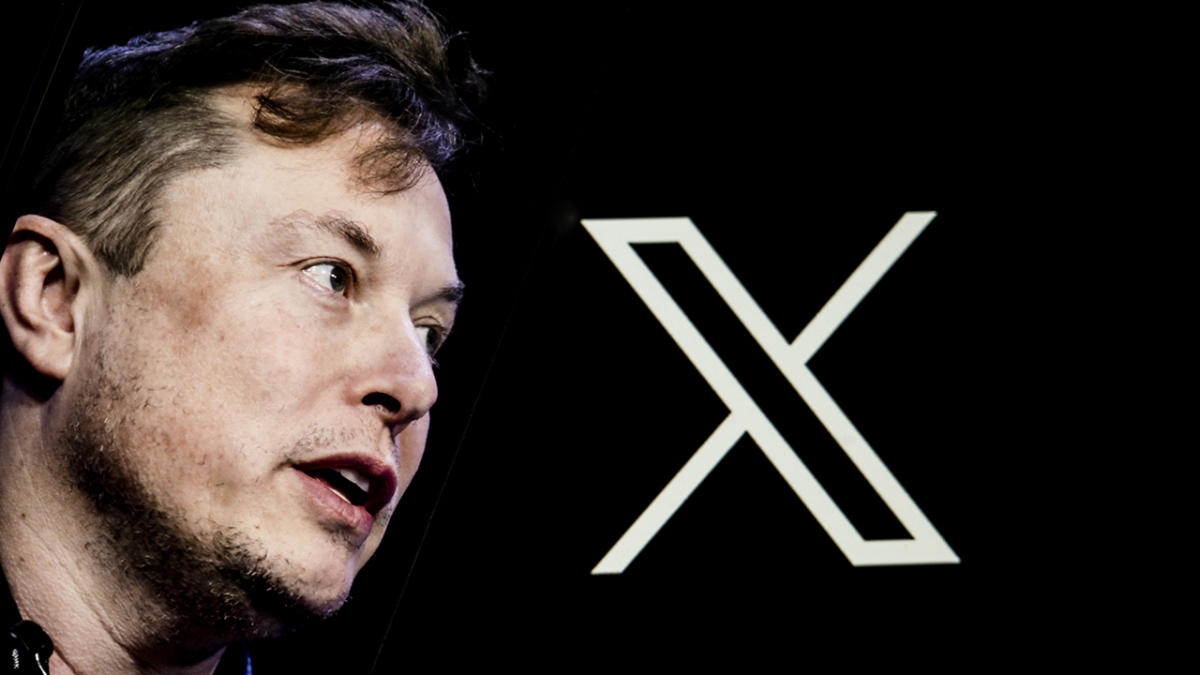
A federal judge in Texas has ruled that Elon Musk’s X, the social media platform formerly known as Twitter, can proceed to trial in its lawsuit against the media watchdog group, Media Matters. U.S. District Judge Reed O’Connor denied a request from Media Matters to dismiss the lawsuit, clearing the way for the case to be heard in court with a trial date set for April 7.
X’s lawsuit stems from a report published by Media Matters in November, which claimed that advertisements from major brands such as Apple, IBM, and Disney were appearing alongside hateful content on the platform. Following the report, several of these companies suspended their advertising campaigns on X, prompting the lawsuit. X’s legal team has accused Media Matters of fabricating the report to mislead advertisers, alleging that the publication had a financial motive in its portrayal of the platform and its content.
X’s attorneys argue that Media Matters’ report was not only misleading but also intentionally deceptive, causing financial harm to the platform by driving away advertisers. They claim the publication was designed to damage X’s reputation and undermine its advertising revenue. As a result, X is seeking damages from Media Matters and two of its staff members, accusing them of contributing to the financial losses incurred by the platform due to the paused advertising campaigns.

Media Matters, however, has dismissed the lawsuit as “frivolous.” Angelo Carusone, the president of Media Matters and one of the defendants in the case, stated that the lawsuit was an attempt by Musk to intimidate critics and suppress their freedom of speech. Carusone argued that the legal action was part of a broader effort by X to silence media outlets that scrutinize its practices.
Judge O’Connor’s decision marks a significant victory for X, allowing the platform’s claims to be heard in court. In his ruling, O’Connor stated that X had sufficiently detailed its case, justifying its claims against the media watchdog. This is not the first time O’Connor has been involved in legal disputes surrounding X and its operations. Earlier this year, the judge dismissed a separate attempt by Media Matters to compel Musk to disclose Tesla’s involvement in the case, rejecting the argument that Tesla had a direct financial stake in the outcome.
In another legal matter, O’Connor recently recused himself from an antitrust lawsuit filed by X against a global advertising association and its member companies, including Unilever, Mars, and CVS Health. His recusal followed the disclosure that he held investments in Unilever, which prompted questions of a potential conflict of interest.
As the trial approaches, it will bring further attention to the ongoing legal battles Musk’s platform faces, particularly surrounding its efforts to balance free speech and advertising on its platform.