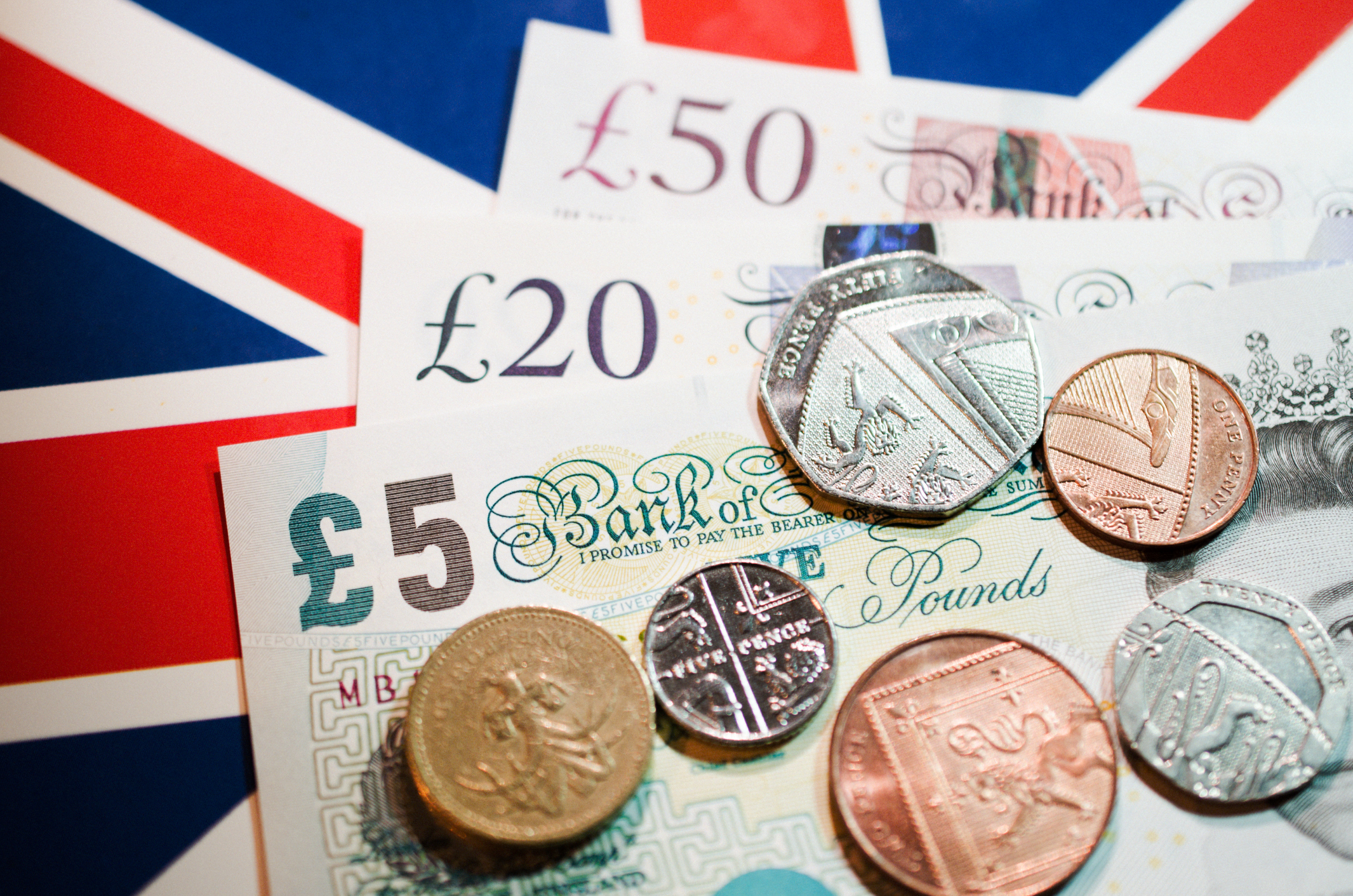
UK Economy Stagnates in July, Falling Below Expectations

The U.K. economy stagnated again in July, showing no month-on-month growth, according to flash figures released by the Office for National Statistics (ONS) on Wednesday. This flatlining performance followed a similar outcome in June, as the nation’s GDP came in lower than the 0.2% growth forecasted by economists.

The slight growth in Britain’s dominant services sector, at 0.1%, was overshadowed by declines in other key areas. Production output dropped by 0.8%, and construction saw a fall of 0.4%. These figures mark a challenging period for the U.K., as it faces sluggish economic growth, with GDP rising by just 0.5% in the three months leading up to July, compared to 0.6% in the previous quarter ending in June.

Liz McKeown, director of economic statistics at the ONS, noted, “The economy recorded no growth for the second month running, though longer-term strength in the services sector meant there was growth over the last three months as a whole.”

This period of stagnation comes after modest but steady growth earlier in the year, following the country’s emergence from a shallow recession at the start of 2024. Despite this initial recovery, the economy’s current performance signals persistent challenges.

The July data also marks the first economic figures under the leadership of Prime Minister Keir Starmer’s new Labour government, which was elected on July 4. These numbers come at a critical time, as the Bank of England is set to meet next week to make its latest interest rate decision. Last month, the central bank cut rates for the first time in four years, a move aimed at stimulating economic activity amidst ongoing uncertainty.
 

Melbourne Defence Expo Protests: Dozens Arrested Amid Clashes with Police

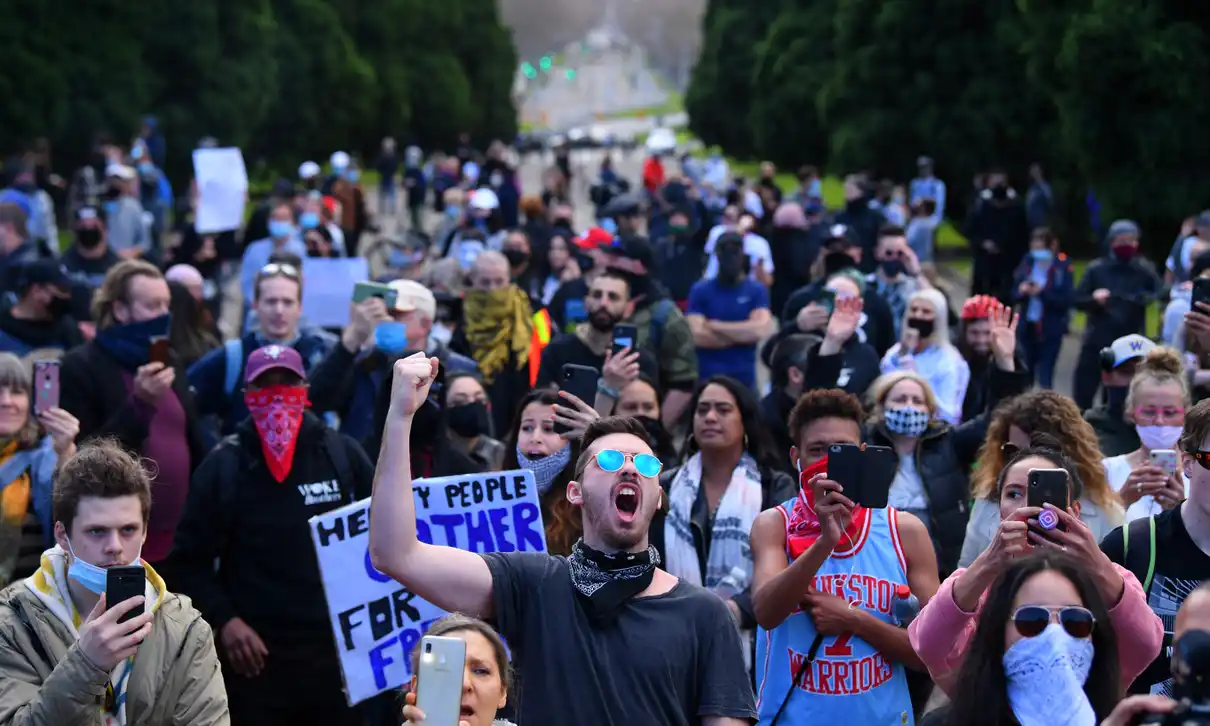
Dozens of demonstrators were arrested in Melbourne on Wednesday as anti-war protesters clashed with police outside the Land Forces International Land Defence Exposition, Australia’s largest defence exhibition. Police resorted to using sponge grenades, flash-bang devices, and irritant sprays to control the volatile crowd, which had pelted officers with rocks, horse manure, and bottles filled with liquid. According to Victoria Police, 39 protesters were arrested for various offences, including assaulting police, arson, and obstructing roads. The violent exchanges left two dozen police officers in need of medical treatment, although no serious injuries were reported.

Protesters, many of whom were chanting pro-Palestine slogans and waving flags, disrupted traffic and public transport. At one point, protesters lit fires in the streets, threw missiles at police horses, and doused several expo attendees with red liquid. Chief Commissioner of Victoria Police Shane Patton condemned the protesters’ actions, calling the behaviour “disgusting” and warning that police would not tolerate criminal activity. Despite the large-scale protest, Patton emphasized the importance of peaceful demonstrations, urging participants to express their opposition without resorting to violence.

The protest, which saw around 1,200 participants, marked Melbourne’s largest police operation since the 2000 World Economic Forum. As the defence expo, which draws around 1,000 exhibitors from 31 countries, continues through Friday, Prime Minister Anthony Albanese reiterated the importance of peaceful protests, stating, “Our police officers should be respected at all times.” He added that throwing objects at law enforcement is not an appropriate way to express opposition to defence equipment.

Risky Practices Led to Zhongzhi’s Shadow Bank Collapse

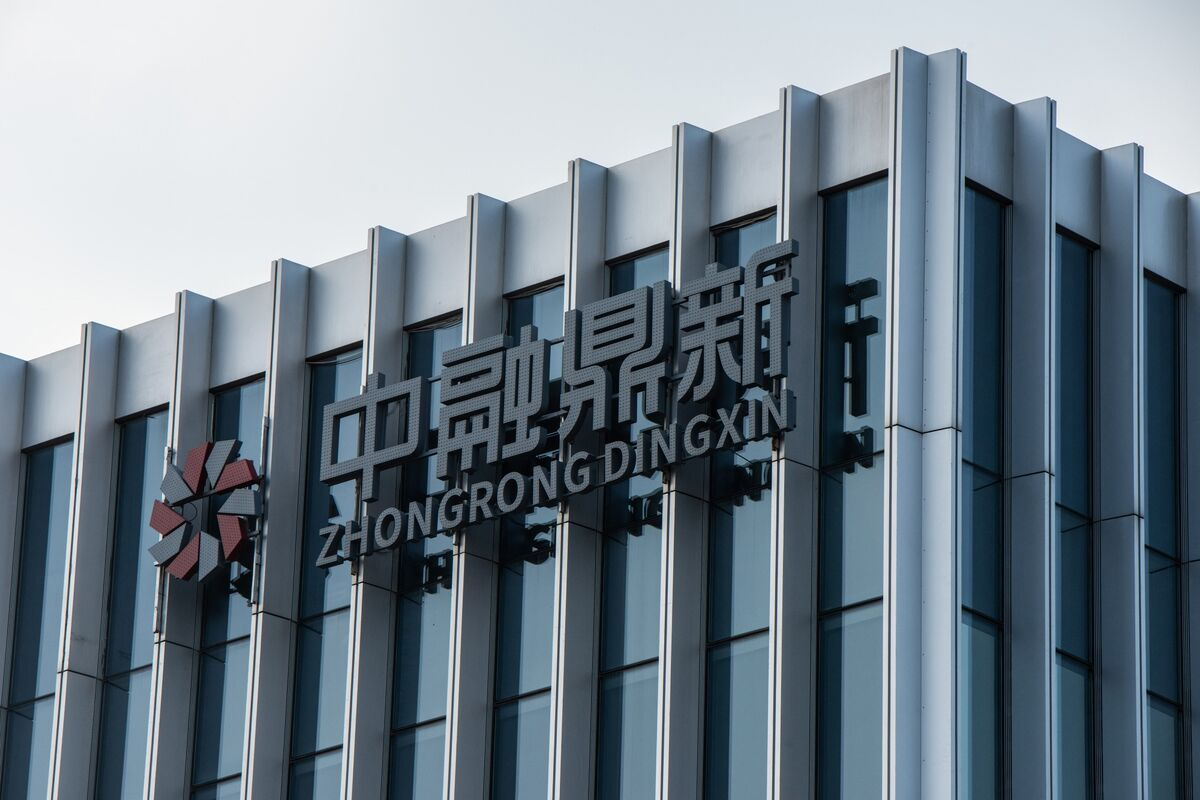
Zhongzhi Enterprise Group, once a major player in China’s shadow banking sector, collapsed in 2023, with aggressive and potentially illegal practices contributing to its downfall. The company sold wealth-management products to investors and used funds from new sales to pay off existing investors, despite regulations prohibiting such practices. Zhongzhi’s exposure to China’s property crisis, coupled with its reliance on shadow banking to fund struggling developers, ultimately led to its insolvency, leaving investors and regulators grappling with the fallout.

Zhongzhi’s collapse highlighted the risks in China’s $18 trillion asset-management industry. As property developers like Evergrande and Country Garden faced financial trouble, Zhongzhi was unable to collect on loans, causing defaults on investor payments. Despite promises of high returns, the company’s operations dried up, leaving investors without their expected payouts. As investigations continue, the future of Zhongzhi’s assets remains uncertain, with many investors losing hope of recovering their funds.