
OpenAI’s Upcoming ‘Strawberry’ AI Model Set for Launch by Month’s End
The anticipated Strawberry AI model is expected to be available both integrated within ChatGPT and as an independent product Devamını Oku

The anticipated Strawberry AI model is expected to be available both integrated within ChatGPT and as an independent product Devamını Oku
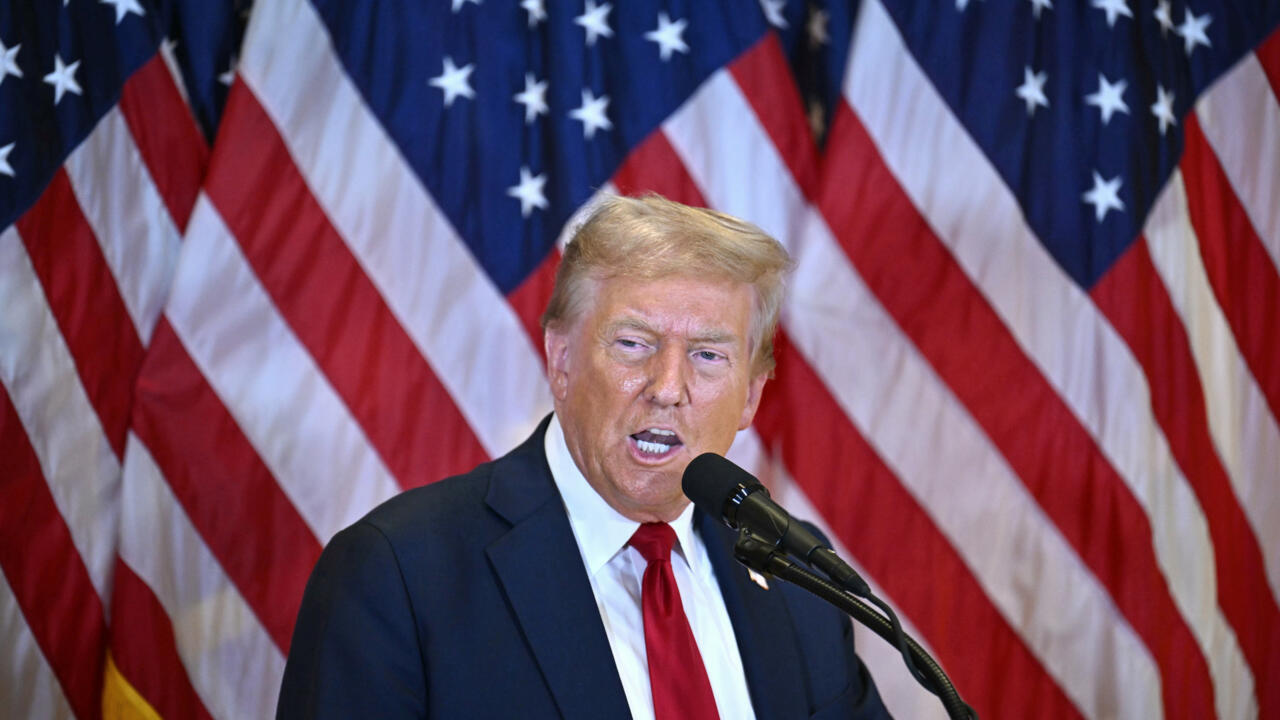
The U.S. Department of Justice has unsealed criminal charges against three members of Iran’s Revolutionary Guards Corps, accusing them of hacking Donald Trump’s presidential campaign in an effort to disrupt the 2020 U.S. election. The charges represent a significant step by the Biden administration to combat foreign interference in the election between former President Trump and Vice President Kamala Harris.
The indictment names Masoud Jalili, Seyyed Ali Aghamiri, and Yasar Balaghi as the hackers involved in a coordinated effort to undermine Trump’s re-election campaign. According to Attorney General Merrick Garland, the hackers employed fake email accounts to deceive campaign officials into clicking on malicious links, which allowed them to steal sensitive internal documents, including debate preparation materials and profiles of vice-presidential candidates.
Once acquired, this information was reportedly leaked to media outlets and the Biden campaign, though the latter did not respond to the offer of Trump’s debate preparation materials prior to their sole debate in June 2020. Garland highlighted that this aggressive cyber activity from Iran was a rising concern during the election cycle.
The three Iranians face multiple charges, including wire fraud, identity theft, and computer fraud. In addition to the criminal charges, the U.S. Treasury Department has imposed sanctions on the individuals, along with several other members of Iran’s Revolutionary Guard Corps.
While Trump’s campaign had acknowledged the hacking attempt in August 2020, they claimed that no private information had been compromised. Several news outlets, which were offered internal campaign documents, declined to publish them.
The hacking group responsible, known as APT42 or “Charming Kitten,” is notorious for using surveillance software to infiltrate mobile phones, enabling them to record calls, steal texts, and activate cameras and microphones without the user’s knowledge. The hackers remain in Iran, out of reach of U.S. law enforcement. However, Garland assured that U.S. authorities would pursue them relentlessly, citing previous successful apprehensions of international suspects long after they were charged.
In addition to these cyberattacks, Iranian efforts to target U.S. officials have not been limited to digital means. Earlier this month, a Pakistani man with ties to Iran was charged with terrorism for allegedly plotting to assassinate a U.S. politician in retaliation for the killing of Iran’s top Revolutionary Guard commander in 2020. Trump was named as a potential target in this plot, although there is no evidence linking him to recent attempts on his life.
The Justice Department is also pursuing cases related to Russian interference in the U.S. election, including charges against Russian operatives involved in funding pro-Trump social media influencers through state media channels like RT.
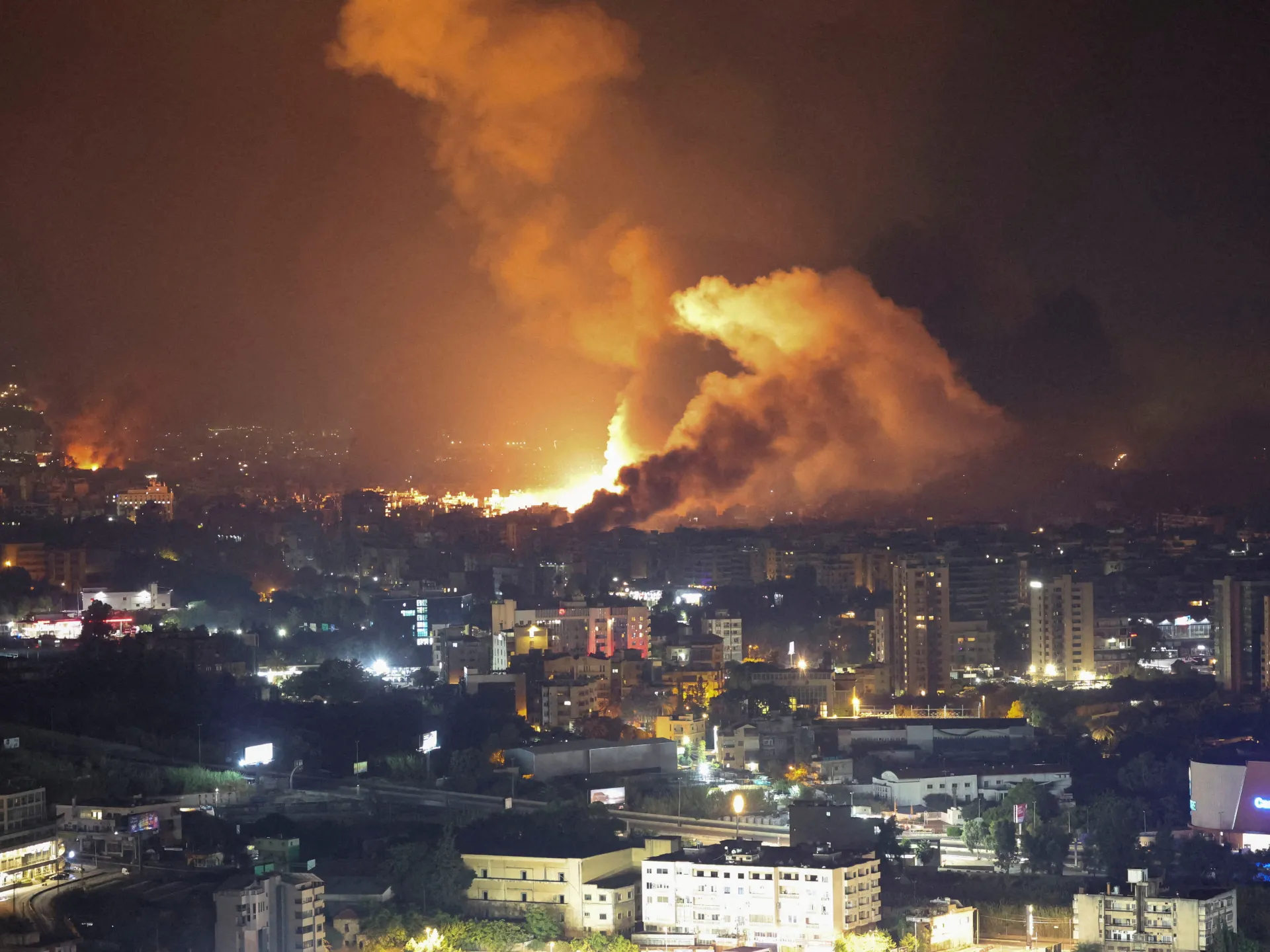
A series of Israeli airstrikes rocked the southern suburbs of Beirut early Saturday, as Israel intensified its attacks on Hezbollah. The air raids reportedly targeted the Iran-backed group’s command center, with some reports indicating an attempt to strike its leader, Hassan Nasrallah.
Witnesses described hearing more than 20 airstrikes before dawn. Thousands of residents from the southern suburbs, following Israeli evacuation orders, fled to central Beirut and nearby seaside areas, seeking refuge in public spaces. “They want to destroy Dahiye, they want to destroy all of us,” said Sari, a local resident who had fled his home.
These strikes mark the most powerful attack on Beirut by Israel during the ongoing conflict with Hezbollah, which has seen daily missile and rocket fire. The escalation has heightened fears of the conflict spiraling into a broader regional war, potentially drawing in Iran and the United States.
While there has been no official confirmation regarding the fate of Nasrallah, a source close to Hezbollah told Reuters that he was unreachable after the strikes. Israel has not confirmed whether it specifically targeted Nasrallah, though a senior Israeli official mentioned that top Hezbollah commanders were the intended targets.
The Israeli military confirmed it had killed the commander of Hezbollah’s missile unit, Muhammad Ali Ismail, and his deputy, Hossein Ahmed Ismail, during the strikes.
Hours earlier, Israeli Prime Minister Benjamin Netanyahu addressed the United Nations, stating that Israel had every right to continue its military campaign against Hezbollah as long as the group chose war. “Israel has no choice, and Israel has every right to remove this threat,” he declared. Several U.N. delegations walked out during his speech, and Netanyahu later cut short his trip to return to Israel.
Lebanese health officials reported at least six people killed and 91 wounded in the initial attacks on Friday, marking the fourth major strike on Hezbollah-controlled areas in Beirut in just one week. Authorities fear that the death toll could rise further as the conflict escalates, with reports indicating that over 700 people have been killed across Lebanon in the past week.
Following the strikes, the Israeli military issued further warnings, advising residents in parts of Beirut’s southern suburbs to evacuate, claiming it was targeting missile launchers and weapons storage sites located in civilian areas. Hezbollah, however, denied the presence of any weapons in the buildings hit by Israeli airstrikes.
The conflict has displaced around 100,000 people in Lebanon this week alone, with over 200,000 uprooted since the fighting began. Hezbollah has retaliated with hundreds of rockets aimed at Israeli targets, including the northern city of Safed, where a civilian sustained minor injuries.
Fears continue to mount that the conflict could draw in Iran, Hezbollah’s primary backer, especially after Tehran condemned Friday’s strike and accused Israel of using U.S.-made “bunker-busting” bombs. In response, U.S. Defense Secretary Lloyd Austin confirmed that Washington was not informed of the strike beforehand. U.S. Secretary of State Antony Blinken emphasized the need for diplomacy, warning that continued escalation could lead to disastrous consequences.