Dame Maggie Smith, Iconic ‘Downton Abbey’ and ‘Harry Potter’ Star, Dies at 89

Dame Maggie Smith, the esteemed British actress known for her roles in Downton Abbey and the Harry Potter films, has passed away at the age of 89, her sons announced. The legendary actress died peacefully in the early hours of Friday, September 27, surrounded by family and friends. The family expressed their deep gratitude to the staff at Chelsea and Westminster Hospital for their compassionate care.

Born in 1934 in Ilford, east London, Smith’s journey into acting began early. Her family moved to Oxford before World War II, where her father worked at Oxford University. She made her stage debut in the 1950s and soon became a fixture on London’s West End and Broadway. By 1964, she had shared the stage with Laurence Olivier in Othello, a performance she later reprised in film.

Smith won her first Academy Award in 1969 for The Prime of Miss Jean Brodie and a second in 1978 for California Suite. Throughout her career, she earned numerous accolades, including BAFTAs for her roles in A Room with a View and The Lonely Passion of Judith Hearne. She was honored as a Dame Commander of the Order of the British Empire in 1990.

In her later years, Maggie Smith continued to captivate audiences worldwide. Her portrayal of Professor Minerva McGonagall in the Harry Potter series introduced her to younger generations, while her role as the sharp-tongued Dowager Countess in Downton Abbey earned her three Emmy Awards.

Her career spanned over six decades, and she became a beloved figure for her wit, talent, and grace. She is survived by her two sons and five grandchildren.


EchoStar Nears Deal to Sell Dish to DirecTV Amid Looming Debt Payment

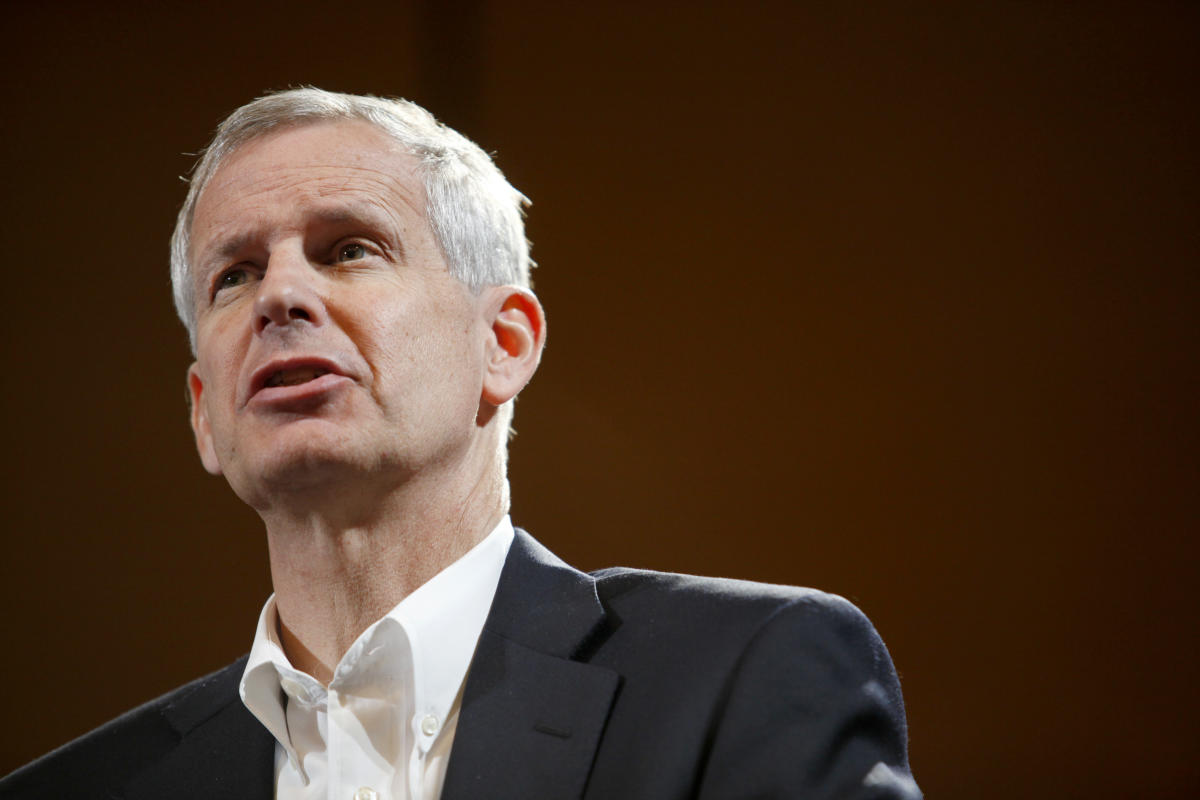
EchoStar, the company behind Dish Network, is reportedly close to selling its satellite TV business to rival DirecTV, with advanced talks in place, according to sources familiar with the situation. The deal could be finalized by Monday, though there is still a chance that discussions may fall apart.

The potential sale is driven by EchoStar’s urgent need to manage a $1.98 billion debt maturing in November. As of June 30, the company held only $521 million in cash and liquid assets, with negative cash flows expected for the rest of the year. Failure to refinance the debt earlier this week has heightened the pressure on EchoStar to find a solution. Bankruptcy may be on the horizon within the next four to six months if the company does not raise new capital, financial analysts have warned.

EchoStar’s talks with DirecTV include a potential all-cash transaction, which could surpass $9 billion. The deal is expected to cover Dish Network’s satellite TV business, its streaming service Sling, and associated liabilities. Dish has been trying to pivot towards the wireless sector for years, amassing a large amount of spectrum in the process, but no wireless spectrum is involved in this particular deal.

Satellite TV providers, once dominant players in the TV industry, have been losing market share to streaming services like Netflix, Disney+, and Amazon Prime Video. Dish Network ended its most recent quarter with 6.1 million satellite subscribers and 2 million Sling TV users. DirecTV, too, has seen a significant subscriber decline, dropping from 15.4 million when AT&T purchased the company in 2015 to around 11 million today.

DirecTV has been shifting focus to its streaming business, with its latest ad campaigns emphasizing that the service is available without the need for a satellite dish. Earlier this year, the company gained more than 20,000 new streaming customers. However, satellite TV remains its core offering for the bulk of its user base.

The satellite industry’s challenges were further highlighted by a recent distribution dispute between DirecTV and Disney, which resulted in ESPN and other Disney-owned networks going dark for nearly two weeks. A new agreement between the two companies has since been reached, allowing DirecTV to offer more targeted, genre-specific bundles of channels.

EchoStar has a total enterprise value of approximately $31 billion and a market capitalization of around $7.6 billion, according to market reports. While the future of Dish remains uncertain, the company’s financial situation is pushing it closer to a sale that could reshape the satellite TV landscape.


Elon Musk’s X Set to Resume Operations in Brazil After Final Fine Payment

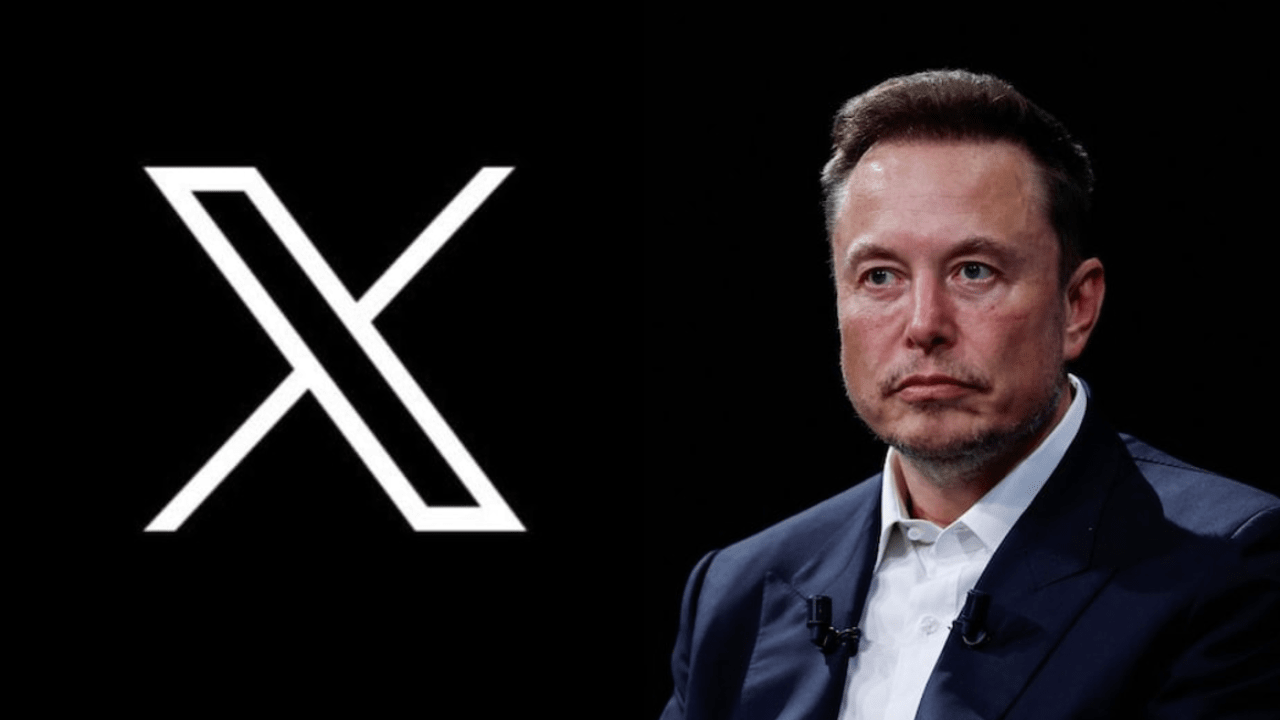
Elon Musk’s social media platform X is set to be restored in Brazil after it fulfills one last condition: the payment of an additional fine. Brazil’s top justice, Alexandre de Moraes, issued a ruling on Friday requiring the platform to pay 10 million reals (approximately $2 million) for two more days of non-compliance with previous court orders. Rachel de Oliveira, X’s legal representative in Brazil, is also liable for a separate fine of 300,000 reals.

The legal battle between X and the Brazilian government dates back to April, when de Moraes, a justice of the Supremo Tribunal Federal (STF), launched an investigation into Musk and X for allegedly obstructing justice. Musk had previously vowed to defy court orders to remove specific accounts, which he described as “censorship.” This defiance culminated in the platform being suspended at the end of August, a ruling upheld by a judicial panel on September 2.

Earlier this month, X informed Brazil’s supreme court that it was now compliant with its orders. Despite this, the additional fine was imposed for X’s delayed adherence. The ongoing conflict escalated after Musk criticized de Moraes publicly, calling him a “criminal” and urging the U.S. to cease foreign aid to Brazil.

In mid-August, Musk also closed X’s offices in Brazil, leaving the company without a legally required representative. Following this, the STF issued an ultimatum, threatening a nationwide ban on X and further fines if the platform did not comply with orders to remove certain accounts accused of harming federal agents.

The case became even more complex when the STF froze the business assets of Musk’s companies, including X and Starlink, as the court viewed them as interconnected entities. Musk responded by threatening reciprocal legal action against the Brazilian government unless his company’s assets were returned.

Justice de Moraes has been a strong advocate for federal regulation to combat hate speech and misinformation online, leading to pushback from tech companies and far-right officials, including former President Jair Bolsonaro and his supporters. Musk, who has criticized Brazil’s current President Luiz Inacio Lula da Silva, has maintained a long-standing relationship with Bolsonaro, who previously authorized SpaceX to operate in Brazil.

Though Musk portrays himself as a defender of free speech, his leadership at X has drawn criticism. Under his management, X has complied with government takedown requests in countries like Turkey and India, with compliance rates increasing significantly in 2023 compared to the previous year.

X now faces increased competition in Brazil, with Meta’s Threads and Bluesky gaining users during its suspension. Starlink, Musk’s satellite internet business, also faces competition from French-American firm eSpace, which was recently authorized to provide services in Brazil.

Lukas Darien, a law professor at Facex University Center in Brazil, commented on the implications of the case, noting that it sets a precedent for large technology companies. “This case demonstrates that laws will be enforced in Brazil, regardless of the size or influence of the business,” Darien said.

On Thursday, X Global Government Affairs released a statement affirming its commitment to free speech, stating: “X is committed to protecting free speech within the boundaries of the law… We believe that the people of Brazil having access to X is essential for a thriving democracy.”