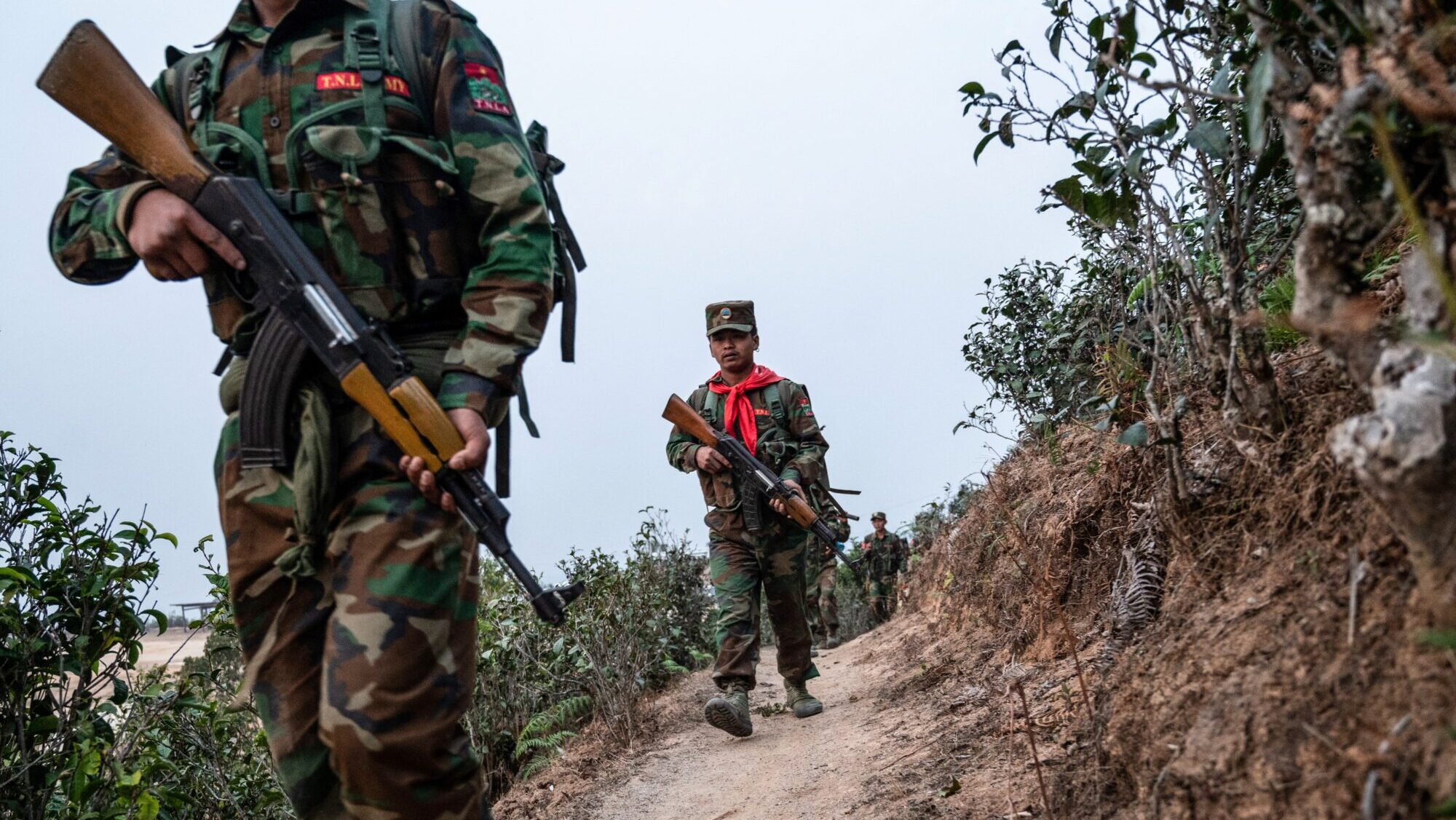
Myanmar Rebels Reject Junta’s Peace Offer Amid Intensifying Civil War

Rebel groups in Myanmar have rejected a peace offer from the ruling junta, which has faced significant battlefield defeats and defections during a civil war that has raged for over three years. This marks the junta’s first peace overture since seizing power in a 2021 coup, and it follows the collapse of a China-brokered ceasefire in northern Shan state.

The military called for communication with ethnic armed groups and “terrorist insurgent groups” to politically resolve ongoing conflicts, while also inviting them to join elections scheduled for next year. However, the exiled National Unity Government (NUG) dismissed the offer, stating the junta has no legitimate authority to hold an election.

This offer of peace comes as the junta struggles to maintain control, with reports suggesting it now holds less than half of Myanmar’s territories. In June, a coalition of three ethnic armies launched an offensive, seizing key territory along a highway that connects to China’s Yunnan province. The renewed fighting in Shan state threatens China’s strategic plans to connect its southwestern regions to the Indian Ocean through Myanmar. It is believed that China’s top diplomat, Wang Yi, warned Myanmar’s military leader Min Aung Hlaing of the conflict’s implications during a recent visit.

In the junta’s statement on Thursday, it urged armed groups to participate in “party politics and elections” to achieve lasting peace. The military acknowledged that the conflict has severely damaged the country, leading to loss of human life, destruction of infrastructure, and stalling development.

Rebel groups remain skeptical. The Karen National Union (KNU), which has been fighting the military for greater autonomy along the Thai border for decades, set clear conditions for talks. KNU spokesman Padoh Saw Taw Nee stated that discussions would only be possible if the military agreed to several key objectives: the exclusion of the military from future political roles, the creation of a federal democratic constitution, and accountability for war crimes and crimes against humanity.

Without these commitments, the KNU intends to maintain pressure on the junta both politically and militarily. Maung Saungkha, leader of the Bamar People’s Liberation Army, rejected the peace offer outright, saying his group is “not interested.” Other rebel leaders expressed their distrust, with Soe Thu Ya Zaw of the Mandalay People’s Defense Forces likening the junta’s offer to a deceptive act, stating, “They are hanging goat’s heads but selling dog meat.”

The junta’s seizure of power in 2021, which toppled Myanmar’s democratically-elected government, was met with nationwide protests, many of which were violently suppressed. This prompted ethnic armed groups and anti-coup militias to unite against the military, plunging the country into a protracted civil war.

According to the United Nations, the conflict has killed over 50,000 people and displaced more than two million since the coup. Last week, the UN issued a grim warning that Myanmar was “sinking into an abyss of human suffering.” Survivors have reported severe human rights abuses, including torture by military forces, with accounts of victims being burned with petrol and forced to drink urine.
 

UK Court Sentences Climate Activists for Throwing Soup on Van Gogh’s ‘Sunflowers’

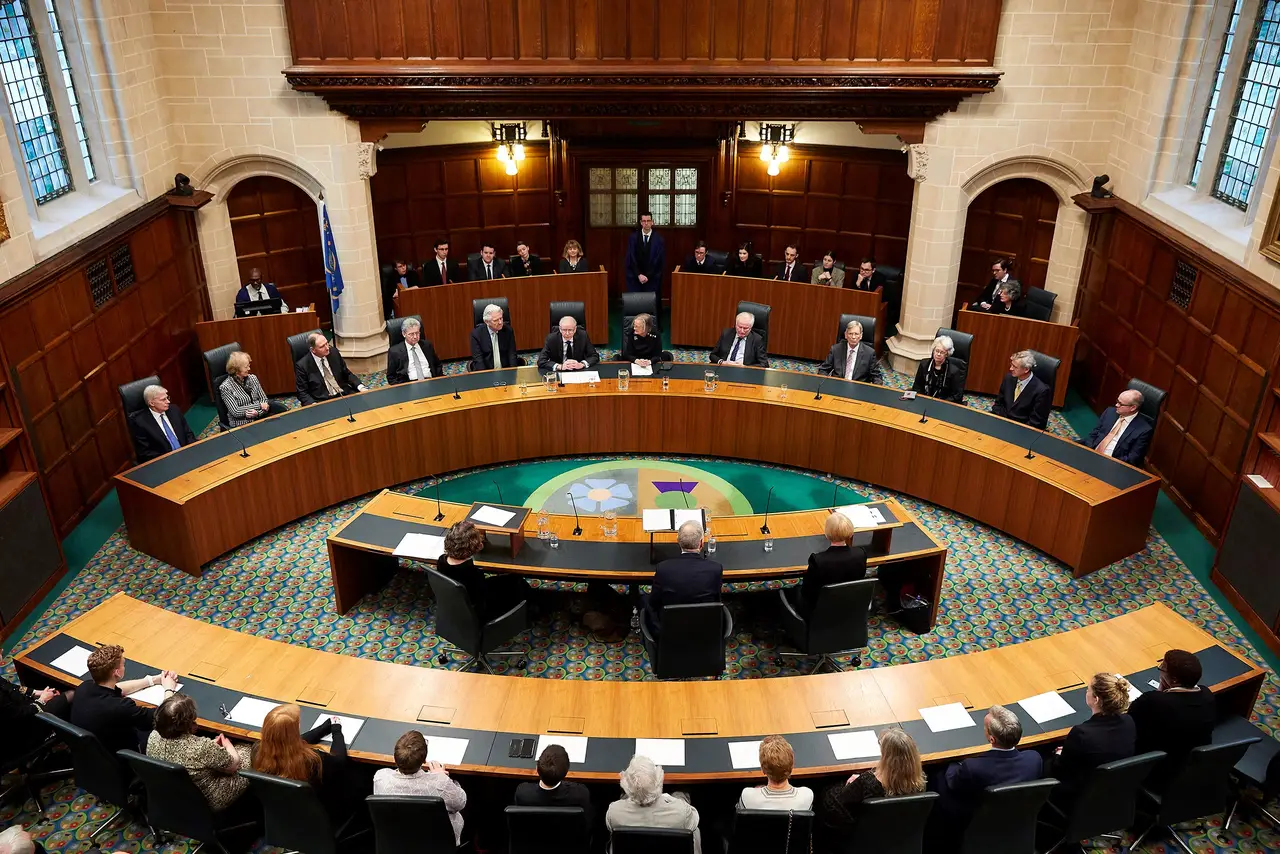
Two young climate activists, Phoebe Plummer (23) and Anna Holland (22), were sentenced to prison by a London court on Friday for their involvement in a protest where they threw soup over Vincent Van Gogh’s iconic “Sunflowers” painting. Plummer received a two-year sentence, while Holland was handed a 20-month term. The activists, both part of the environmental group Just Stop Oil, carried out the protest in October 2022 as part of a larger campaign against the use of fossil fuels.

The protesters poured tomato soup on the protected painting at the National Gallery in London, causing over $13,000 in damage to its frame, though the painting itself remained unharmed due to a protective glass cover. The protest, which included gluing themselves to the wall beneath the artwork, was aimed at drawing attention to the climate crisis and the dangers of continued fossil fuel reliance.

Judge Christopher Hehir strongly condemned their actions, emphasizing that they risked damaging a “cultural treasure.” In addition to the painting protest, Plummer faced further sentencing for her role in a separate “slow march” protest that disrupted traffic in west London in 2023. The judge criticized the activists for believing their cause justified committing crimes, adding, “You do not have the right to damage property.”

This case is part of a broader legal response in the UK to climate activists who have staged increasingly disruptive protests. Just Stop Oil and its ally group, Extinction Rebellion, have been at the center of demonstrations calling for stronger action against fossil fuels. Recent laws granting authorities greater powers to crack down on such protests, even peaceful ones, have drawn criticism from rights groups and international observers. The UN’s special rapporteur on environmental defenders, Michael Forst, has voiced concerns, describing the enforcement of these laws as “punitive and repressive.”

Despite the harsh sentences, Just Stop Oil remained undeterred, with three more activists throwing soup on other Van Gogh paintings at the National Gallery just hours after the court’s decision.

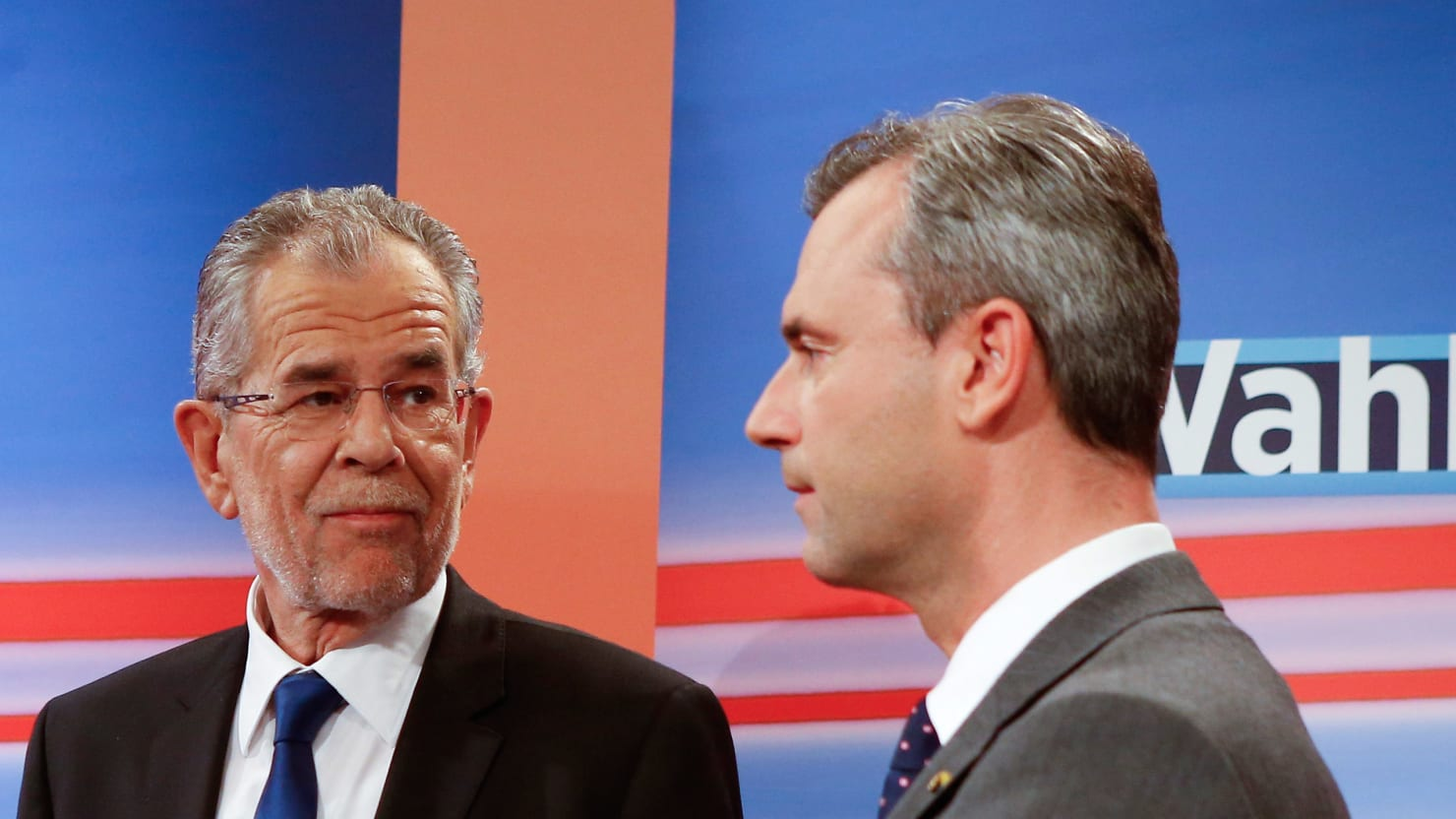
Austria’s Far-Right FPÖ Leads in Upcoming Election: How Did It Rise to Power?

Austria’s Freedom Party (FPÖ), a far-right, anti-immigration party, is expected to win the national election this Sunday, marking another rise of the far-right in Europe. However, unlike many populist movements, the FPÖ is no newcomer. Founded in the 1950s, it has previously held power and is poised to leverage growing discontent with immigration, inflation, and Austria’s relationship with the European Union.

The FPÖ has traditionally drawn support by opposing immigration and the EU, as well as advocating for Austria’s neutrality in the Russia-Ukraine war. Its leader, Herbert Kickl, has promised to fortify the country’s borders and focus on “remigration” policies to return immigrants to their countries of origin. He has also opposed sanctions on Russia and criticized COVID-19 vaccines, describing them as a “genetic experiment.” Kickl’s fiery rhetoric has resonated with Austrians frustrated by inflation, energy dependence on Russia, and the country’s political elite.

Despite its controversial history, rooted in Nazi sympathizers, the FPÖ has garnered substantial support, with polls indicating it could secure around 27% of the vote. However, it is unlikely to win an outright majority and would need a coalition partner. The conservative Austrian People’s Party (ÖVP) could be a potential ally, though current Chancellor Karl Nehammer has expressed reluctance to collaborate with Kickl due to his radical views.

The FPÖ’s rise mirrors broader far-right movements across Europe, as seen in France’s National Rally, Italy’s Lega, and Germany’s AfD. Like these parties, the FPÖ has capitalized on voter disillusionment with mainstream parties, positioning itself as a defender of Austrian values and a voice for those who feel neglected by the political establishment.

If the FPÖ manages to form a coalition, it would strengthen the far-right’s influence, not just in Austria but across Europe, signaling a shift in the political landscape as voters increasingly turn to populist and nationalist platforms.