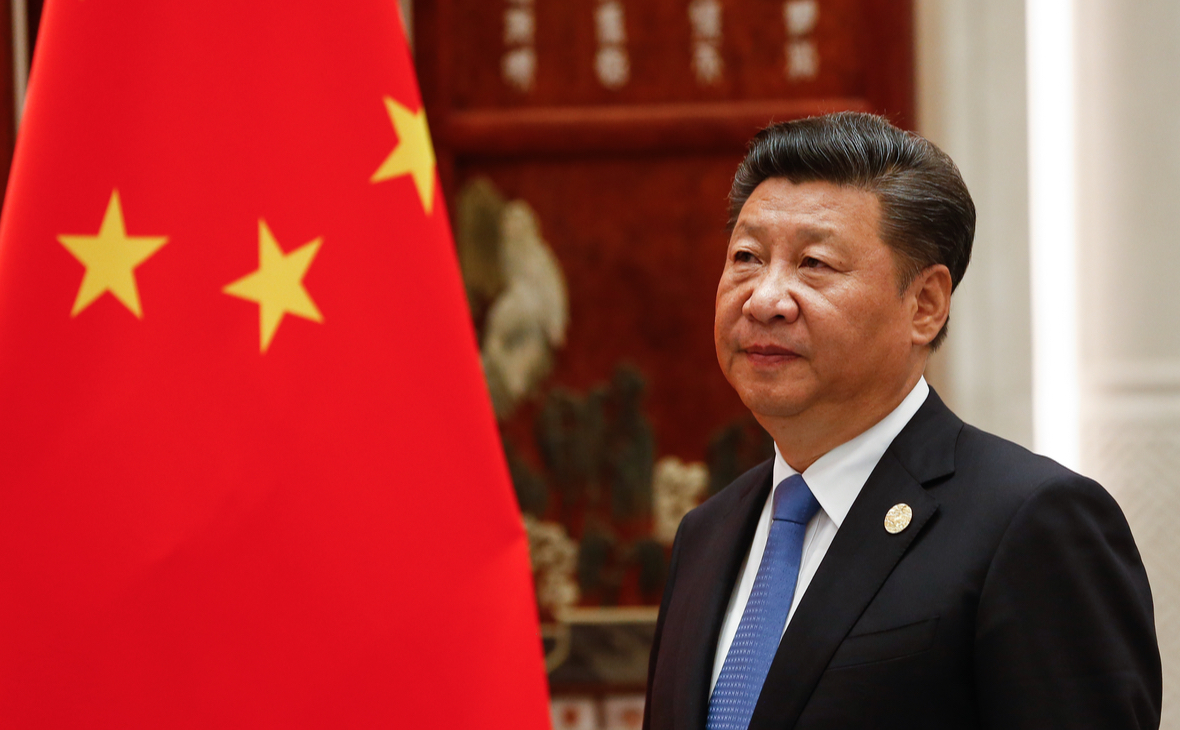
Xi Jinping’s Message to African Leaders: Choose China

During a recent summit in Beijing, Xi Jinping made a clear pitch to over 50 visiting African leaders: choose China as their foremost international partner. The gathering, held in the Great Hall of the People, underscored China’s commitment to deepening ties with Africa and solidifying its role as the continent’s premier foreign ally.

Key Announcements and Promises

  • Financial and Development Support: Xi pledged more than $50 billion in financial support for Africa over the next three years. This includes commitments to create one million jobs, provide tens of millions in food and military aid, and bolster cooperation in various sectors such as industry, agriculture, infrastructure, trade, and investment.
  • Infrastructure Projects: China announced plans to support 30 infrastructure connectivity projects and launch 30 clean energy projects across the continent. These initiatives aim to enhance land-sea links and position Africa as a key market for China’s green technology.
  • Bilateral Agreements: Specific deals included revitalizing the Tanzania-Zambia Railway Authority and developing Nigeria’s transportation, ports, and free trade zones.

Shifts in Chinese Funding Despite the substantial pledges, the total amount of financial support is noted to be less robust compared to previous years. Analysts suggest that the funding for large-scale infrastructure projects may be reduced, reflecting China’s economic slowdown and a strategic shift towards smaller, more sustainable investments.

Debt Concerns The summit also highlighted the ongoing debt crisis in several African countries, exacerbated by substantial Chinese loans. While China’s lending practices have been defended by both Beijing and African leaders, concerns remain about the increased debt burden and the pace of debt relief efforts.

Geopolitical Context Xi’s outreach to Africa is part of a broader strategy to position China as a champion of the Global South and an alternative global leader to the US. By emphasizing historical grievances against Western exploitation, Xi aims to align Africa more closely with China in the global geopolitical landscape.

Competing Interests Despite China’s strong pitch, African leaders are expected to continue balancing their relationships with multiple international partners, including the US. The US and its G7 allies are also actively working to strengthen ties with Africa, presenting alternative partnership opportunities.

Conclusion Xi Jinping’s summit underscores China’s determination to maintain and expand its influence in Africa. While the financial promises and strategic commitments are significant, African leaders are likely to navigate their international partnerships carefully, maintaining a diverse set of relationships to maximize opportunities and mitigate risks.
Ukraine’s ‘Dragon Drones’ Unleash Molten Metal in Latest Battlefield Innovation

In the ongoing conflict between Ukraine and Russia, Ukraine has introduced a terrifying new weapon: thermite-laden drones, often referred to as “dragon drones.” These drones, equipped with a potent incendiary compound, have been used to target Russian positions with intense, fire-spewing attacks.

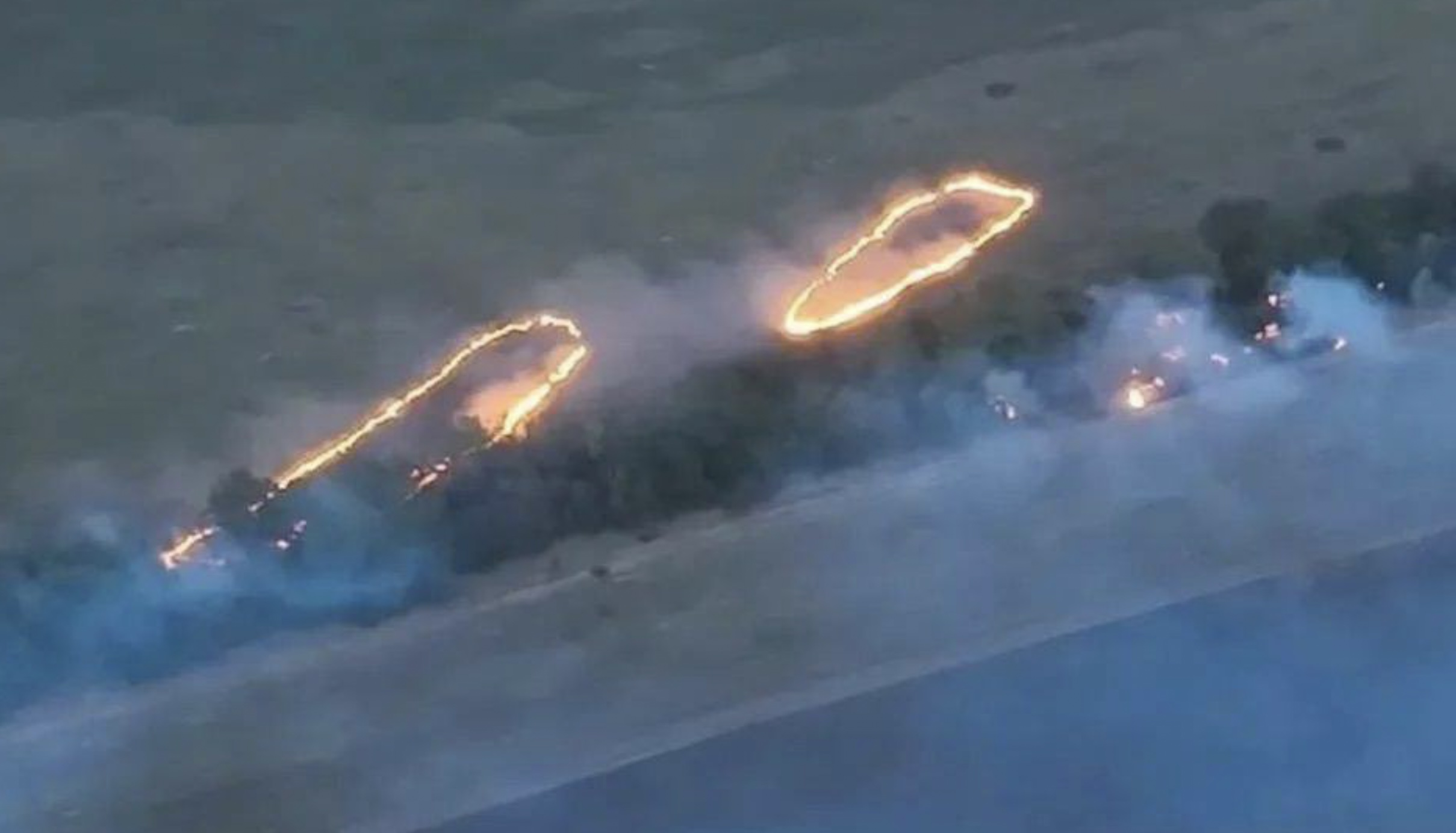
Technology and Use The drones deploy a mixture of aluminum powder and iron oxide known as thermite, which burns at temperatures up to 4,000 degrees Fahrenheit (2,200 degrees Celsius). This extremely high heat can effectively burn through vegetation, structures, and even metal, making it a formidable weapon in modern warfare.

Videos shared on social media by the Ukrainian Defense Ministry demonstrate the drones dropping streams of molten metal onto Russian-held positions, creating a dramatic and fearsome effect. The Ukrainian 60th Mechanized Brigade has highlighted the drones as “wings of vengeance,” emphasizing their precision and psychological impact.

Historical Context Thermite, discovered in the 1890s, was initially used for industrial purposes such as welding railroad tracks. Its military applications became evident during World War I, when it was used in aerial bombs by Germany. Both World Wars saw extensive use of thermite, including its deployment in disabling enemy artillery.

In recent times, Ukraine has adapted thermite for use with drones, enabling targeted strikes that can disable tanks and other equipment. According to Action on Armed Violence (AOAV), this method of delivery allows for precise attacks that bypass traditional defenses, enhancing its effectiveness in modern combat scenarios.

Legal and Ethical Concerns While thermite is not banned under international law, its use is heavily regulated, particularly in terms of targeting civilian areas. The weapon’s devastating effects, including severe burns and long-term medical complications, are well-documented. Human Rights Watch has criticized incendiary weapons for their horrific impact on human health, including deep burns and severe physical trauma.

Impact and Strategy The introduction of thermite drones adds a new dimension to the ongoing conflict, providing Ukraine with a means to exert psychological pressure on Russian forces. Nicholas Drummond, a defense analyst, notes that while thermite drones may not be a game-changer in terms of battlefield strategy, they contribute to creating a climate of fear and uncertainty among enemy troops.

Ukraine’s innovative use of drones reflects a broader trend of adapting technology to gain tactical advantages in the conflict. Despite the ongoing challenges, the effective use of thermite drones represents a significant advancement in Ukraine’s ability to disrupt and demoralize Russian forces.

Broader Implications The use of thermite and other incendiary weapons highlights the evolving nature of warfare and the increasing role of technology in military strategies. As both sides continue to develop and deploy advanced weaponry, the impact on civilian populations and the ethical considerations surrounding these innovations will remain critical issues in the ongoing conflict.

Overall, Ukraine’s deployment of “dragon drones” underscores the growing complexity of modern warfare and the relentless pursuit of technological advancements to gain the upper hand in battle.

Fugitive Mayor Alice Guo Faces Legal Reckoning After Months on the Run

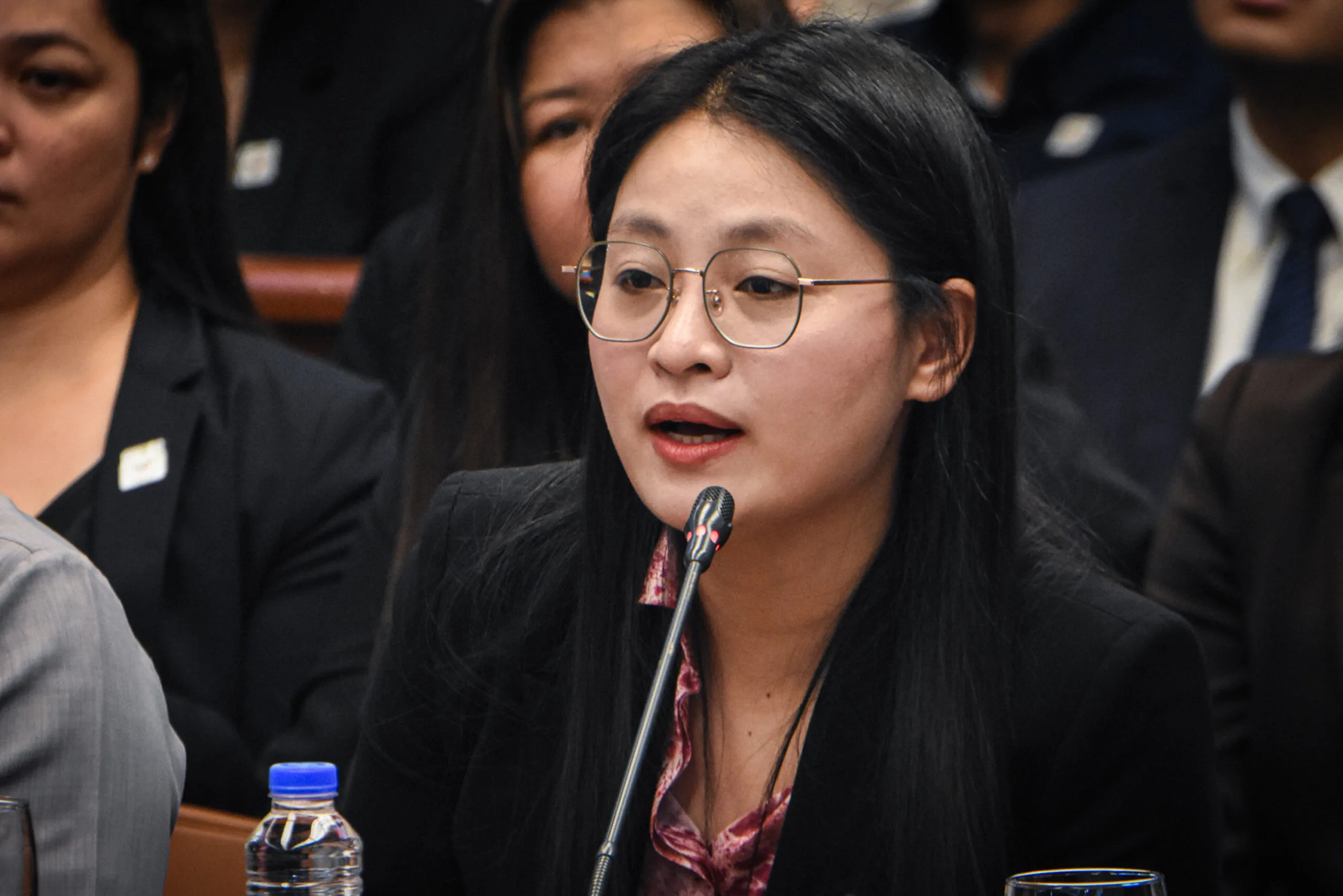
Alice Guo, the former mayor of Bamban, Philippines, has become a central figure in a gripping legal and political drama. Accused of espionage and criminal activities, Guo’s story has captivated the Philippines and drawn significant attention to the country’s strained relations with China.

Background and Arrest Guo, who is 34 years old, was initially seen as a promising local politician in Bamban, a town north of Manila. Her campaign portrayed her as a relatable and hardworking candidate. However, her reputation took a nosedive when investigations revealed her possible involvement in illegal activities.

In July, after allegations surfaced linking her to human trafficking and money laundering, Guo fled the country. Authorities in Indonesia recently extradited her back to the Philippines, where she faces numerous charges, including immigration fraud and money laundering.

Allegations and Investigation The investigation into Guo began when workers from Malaysia and Vietnam reported being held against their will in a complex linked to Philippine Offshore Gaming Operations (POGOs). These centers, while legal in the Philippines, have been associated with organized crime, particularly with illegal gambling activities targeting Chinese nationals.

The Philippine Senate inquiry, led by Senator Risa Hontiveros, scrutinized Guo’s background and alleged ties to Chinese criminal networks. Guo claimed to be a local born to a Filipino mother and a Chinese father, but inconsistencies in her story raised suspicions. Lawmakers discovered that her real name might be Guo Hua Ping, based on immigration records and fingerprint matches.

Legal and Political Impact Guo’s legal troubles are compounded by her alleged connections to criminal figures and questionable business practices. Documents revealed that she was involved with companies tied to fraudulent activities, with her associates currently serving prison sentences in Singapore.

The Philippine government, under President Ferdinand Marcos Jr., has taken a hard stance against illegal gambling and its associated crimes, resulting in a nationwide crackdown on POGOs. The investigation into Guo is part of this broader effort to address criminal activities linked to offshore gambling operations.

Current Status Upon her return to the Philippines, Guo faced charges of “undesirability and misrepresentation” regarding her citizenship, alongside a slew of other serious allegations. Her legal team has described her arrest as a chance to address the accusations against her, but the situation remains dire.

President Marcos has vowed that justice will be served swiftly, reflecting the broader public sentiment and the government’s commitment to tackling organized crime and corruption. Guo’s case continues to unfold, highlighting the complexities of international criminal investigations and the ongoing tensions between the Philippines and China.