AI Craze Distorting VC Market as Tech Giants Invest Billions

The venture capital market is grappling with distortion as tech giants like Microsoft, Amazon, Alphabet, and Nvidia pour billions into artificial intelligence (AI) startups, reshaping traditional investment dynamics. Unlike previous tech booms, where VCs were central players, the current AI frenzy is driven by these major tech companies investing heavily in capital-intensive firms such as OpenAI, Anthropic, Scale AI, and CoreWeave.

This shift in funding dynamics means that the usual pressures for startups to go public are less pronounced. Many of these AI firms are not yet profitable, which typically deters public market investors. Instead, tech giants are providing significant incentives, including cloud credits and business partnerships, further skewing the market.

Melissa Incera of S&P Global Market Intelligence notes that AI startups are attracting substantial investment interest despite having more funds than they can use. Venture capital exits are scarce, with U.S. VC exit values on track for $98 billion this year—an 86% drop from 2021. The number of venture-backed IPOs is expected to hit its lowest since 2016, underscoring the challenging exit environment for VCs.

In 2024, investors have already injected $26.8 billion into 498 generative AI deals, following a trend from 2023 when generative AI companies raised $25.9 billion, marking a more than 200% increase from 2022. This surge reflects a dramatic shift, with AI accounting for 27% of total fundraising this year, up from 12% in 2023. AI funding rounds have also grown 140% larger on average compared to the previous year.

Despite this influx of capital, venture capitalists are facing difficulties due to the current market conditions. The Federal Reserve’s interest rate hikes have pushed investors toward safer, yield-generating assets, making it hard for VCs to attract new funds without delivering returns. Traditional VCs are mostly investing in application-level AI startups rather than the high-capital infrastructure firms.

Notable AI companies like Cerebras, a semiconductor firm, are approaching an IPO, but most high-profile AI startups remain private. These companies, such as Anthropic and Cohere, have secured significant funding at inflated valuations, leaving VCs struggling to promise exits under current conditions.

The secondary market offers some liquidity through share sales, but IPOs remain the primary route for VCs to realize returns. As AI firms continue to grow privately, there is less incentive for them to go public, given the favorable terms they receive from large tech investors.

While the enterprise potential of generative AI remains high, with expectations of eventual significant returns, the current market conditions make it challenging for VCs to secure exits and attract new investments.
Dell and Palantir to Join S&P 500; Shares Surge

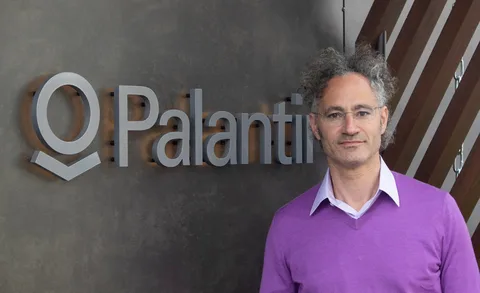
Dell and Palantir both saw their shares jump about 7% in after-hours trading on Friday following the announcement from S&P Global that they will be added to the S&P 500 index. Palantir will replace American Airlines, while Dell will take the place of Etsy in the benchmark index.

This move marks Dell’s return to the S&P 500, having been a member from 1996 to 2013 before going private and rejoining the public market in 2018. For Palantir, which went public in 2020 after over 15 years as a venture-backed startup, this inclusion highlights its recent profitability and growing revenue. The company reported a net income of $135.6 million for the second quarter, a significant increase from the previous year.

The inclusion of these companies reflects their high market capitalizations—Palantir’s exceeds $67 billion, while Dell’s is over $72 billion—matching the median market cap of S&P 500 companies at approximately $33.5 billion. The addition often leads to a rally in stock prices as index-tracking funds adjust their portfolios to include the new members.

Dell’s stock had already surged 90% in 2023, driven by strong demand for AI servers. Meanwhile, Palantir, known for its data analytics and work with government and military agencies, has seen accelerated revenue growth and posted its first profits in late 2022.

The S&P 500 additions are intended to better represent U.S. stocks with high market caps. The inclusion of these companies follows recent changes, such as the addition of cybersecurity firm CrowdStrike in June. Shares of software maker Workday fell 2% in after-hours trading, despite earlier speculation about its potential inclusion in the index.

Boeing Starliner Returns to Earth Empty, Delayed by Months

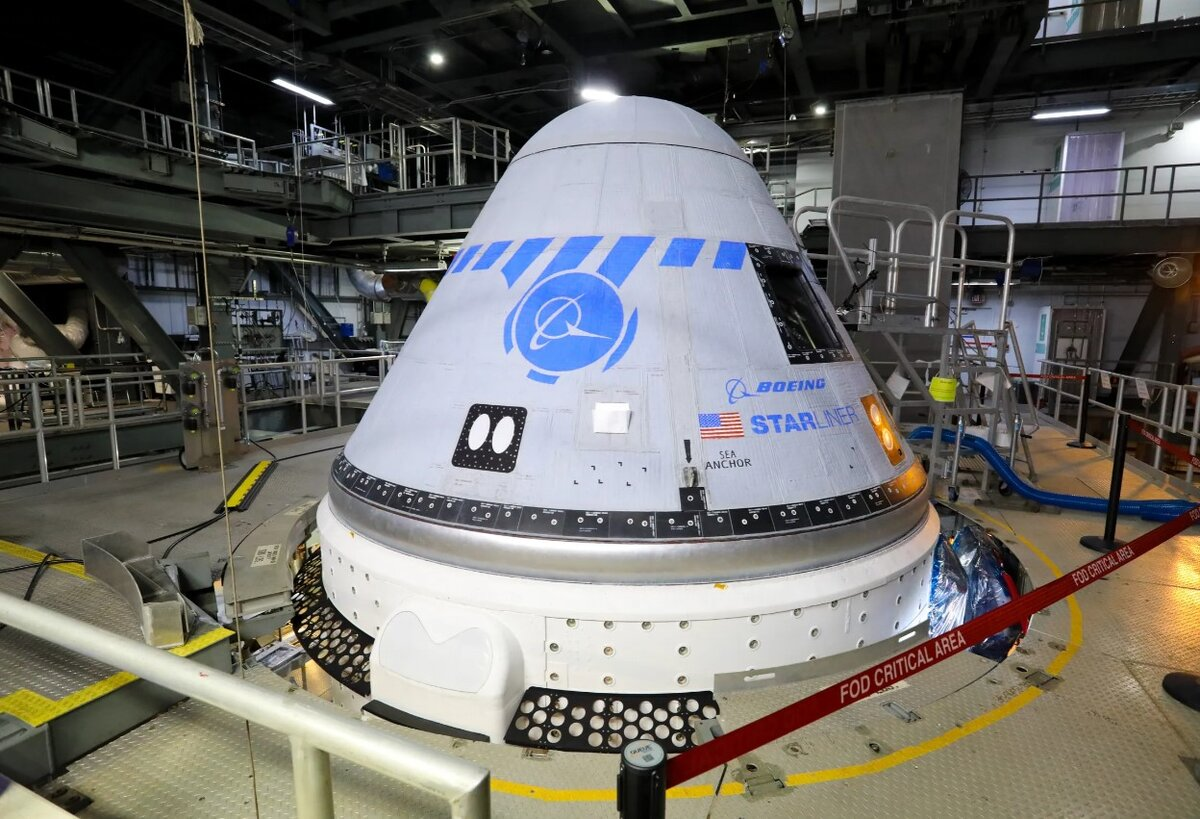
Boeing’s Starliner spacecraft, which undocked from the International Space Station (ISS) on Friday, returned to Earth without the astronauts it initially delivered, months later than planned. Originally scheduled to depart earlier, the mission was extended due to issues with the capsule’s propulsion system. NASA test pilots Butch Wilmore and Suni Williams, who were expected to return on Starliner, will instead remain at the ISS until February, when they will return aboard SpaceX’s Dragon spacecraft.

Starliner left the ISS at 6:04 p.m. ET and touched down at White Sands Space Harbor in New Mexico at 12:01 a.m. ET Saturday. The undocking process was adjusted to account for the absence of crew members, who would normally handle manual control if needed.

The spacecraft’s extended stay at the ISS, lasting approximately three months instead of the planned nine days, was due to ongoing investigations into the propulsion issues. Although Boeing assured that Starliner was safe for an emergency return, NASA decided to send the spacecraft back empty to better understand the root causes of its problems.

This delay has hindered Boeing’s progress in NASA’s Commercial Crew Program, a critical initiative aimed at having multiple companies, including Boeing and SpaceX, capable of rotating missions to the ISS. The delays and additional costs, now exceeding $1.5 billion, could jeopardize Boeing’s future participation in the program.