

Olympic Marathon Runner Rebecca Cheptegei Dies After Petrol Attack

Ugandan marathon runner Rebecca Cheptegei has tragically passed away following a violent attack in which she was doused in petrol and set on fire by a former partner, according to Ugandan officials. The 33-year-old athlete, who had recently competed in Paris, succumbed to severe burns sustained in the attack, which occurred on Sunday after she returned from church. Cheptegei, who lived and trained in north-west Kenya, was reportedly targeted in an altercation related to a dispute over land with her ex-boyfriend. The police have launched an investigation into the incident, amid growing concerns about the rise of violence against female athletes in the region.

The Uganda Athletics Federation expressed deep sorrow over Cheptegei’s death and condemned the act of domestic violence, calling for justice and peace for the deceased athlete. Dr. Owen Menach, head of Moi Teaching and Referral Hospital, confirmed that Cheptegei’s death resulted from multiple organ failures. Her former boyfriend, who also suffered burns, was hospitalized with less severe injuries. The local police chief reported that the attack occurred during a heated argument, with the boyfriend pouring a flammable liquid on Cheptegei before setting her ablaze.

Cheptegei, originally from Uganda, had recently purchased land in Kenya’s Trans Nzoia County and built a house to be closer to athletic training facilities. Uganda’s Olympic committee praised Cheptegei’s athletic legacy, describing the attack as a senseless act that has robbed the sport of a talented competitor. Her father, Joseph Cheptegei, called for justice, lamenting the inhumanity of the crime. The athlete, who finished 44th in the marathon at the Paris Olympics and won gold at the World Mountain and Trail Running Championships in 2022, is the latest in a troubling pattern of violence against East African female athletes, following the recent murders of Agnes Tirop and Damaris Mutua.

Super Typhoon Yagi Threatens ‘China’s Hawaii’ with Destructive Winds and Flooding

Super Typhoon Yagi has rapidly intensified, now packing winds of up to 240 kph (150 mph) as it approaches Hainan, China’s tropical island known as “China’s Hawaii.” Originally a tropical storm with winds of 90 kph (60 mph), Yagi’s intensity has surged due to warmer ocean temperatures linked to climate change. Forecasts predict landfall near the northern tip of Hainan by Friday evening. The island, renowned for its sandy beaches, luxury resorts, and duty-free shopping, is bracing for the storm with travel disruptions in place: intercity buses, trains, and flights have been suspended. In Hong Kong, Yagi has already caused flight cancellations and prompted warnings of potential stock market closures. The typhoon, known as Enteng in the Philippines, has previously caused severe flooding, killing at least 13 people and bringing up to 400 millimeters (15.8 inches) of rainfall to Luzon.

Pope Francis Advocates for Climate Action and Interfaith Harmony During Historic Visit to Indonesia’s Largest Mosque

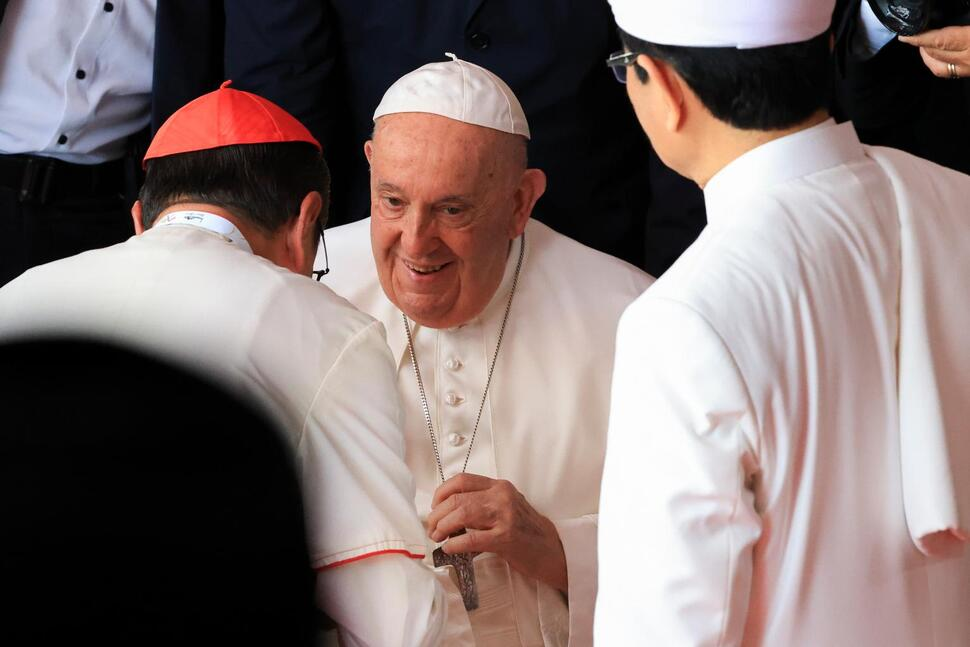
Pope Francis, continuing his mission to foster interfaith dialogue since the beginning of his papacy in 2013, visited Southeast Asia’s largest mosque in Jakarta, Indonesia, on Thursday, where he emphasized the importance of battling climate change and religious extremism as shared global causes, in a joint statement with Grand Imam Nasaruddin Umar, the Pope underscored that dehumanization and climate change are two of the most pressing global crises, calling for religion to play a key role in safeguarding human dignity and promoting peace, while also condemning the misuse of religion to fuel violence and conflict, he linked environmental destruction to human exploitation of the Earth, noting the disastrous consequences such as global warming and unpredictable weather patterns, his visit to the Istiqlal Mosque, the largest in the world’s most populous Muslim-majority nation, comes as part of his broader bridge-building efforts with the Muslim world, following similar visits to Egypt, Morocco, and the UAE, in addition to addressing environmental concerns, the Pope’s trip to Indonesia—where about 87% of the population practices Islam—shined a spotlight on religious minorities, including the 8.6 million Catholics in the country, the Pontiff’s remarks and actions, including listening to Islamic prayers recited by a young blind girl, symbolized his ongoing commitment to fostering interfaith harmony, yet his presence also brought attention to the challenges faced by religious minorities in a country that has largely embraced religious plurality, although sporadic religious violence, such as church bombings in recent years, has marred the country’s reputation for tolerance, the visit is viewed as a sign of hope by local Catholics and an opportunity to promote mutual love, respect, and tolerance, as the Pope continues his longest papal trip to date, which includes stops in Papua New Guinea, East Timor, and Singapore, his message of interfaith cooperation and shared responsibility for tackling global issues like climate change continues to resonate with diverse audiences across the world.