Saudi Arabia’s Fiscal Breakeven Oil Price Rises as Vision 2030 Drives Massive Spending

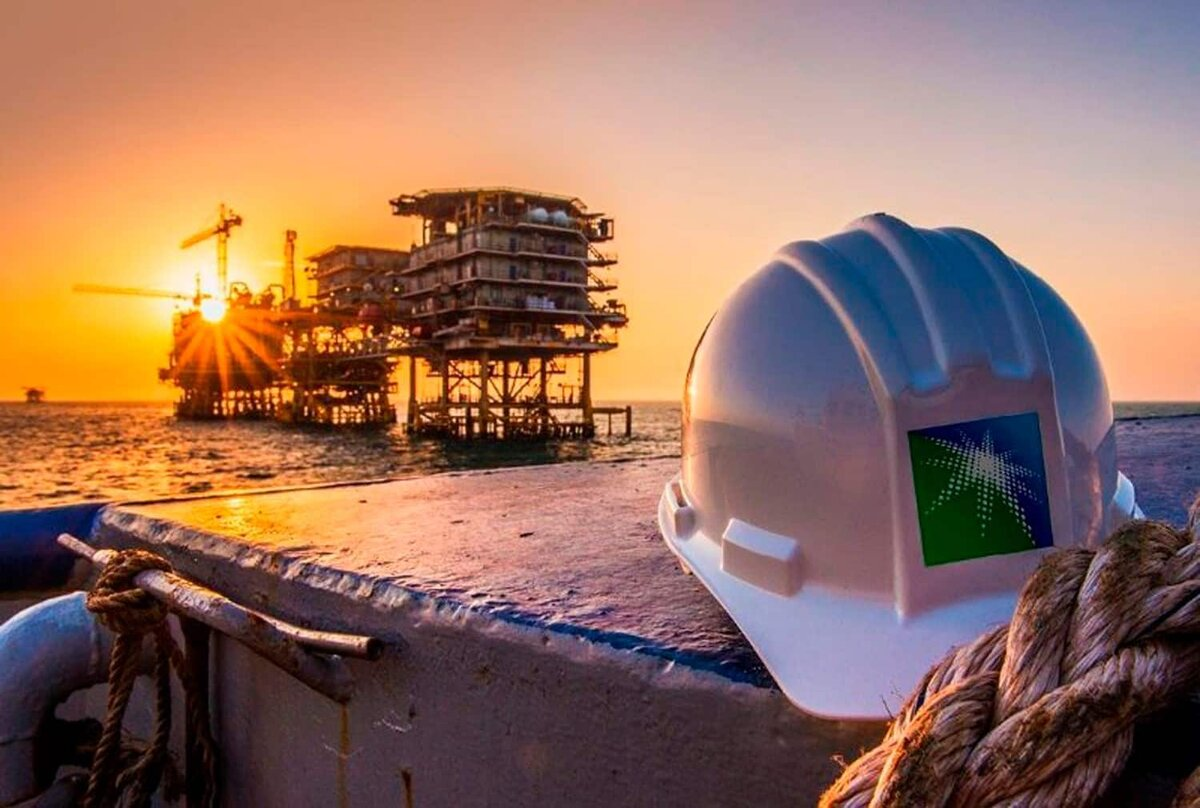
Saudi Arabia, the world’s largest crude oil exporter with production costs as low as $10 per barrel, is facing rising fiscal breakeven oil prices due to its ambitious Vision 2030 plans, which aim to modernize the economy and reduce dependence on oil revenue. With oil accounting for 75% of its fiscal revenue, the kingdom’s budget has become increasingly strained. The International Monetary Fund (IMF) forecasted Saudi Arabia’s breakeven oil price at $80.90 per barrel in 2023, but that figure is expected to rise to $96.20 in 2024 as the country invests heavily in major projects and prepares to host global events like the World Cup 2034 and Expo 2030. Some analysts believe the breakeven price could reach $100 or higher, including the financial demands of the kingdom’s Public Investment Fund (PIF) for multitrillion-dollar projects like NEOM. Despite the challenges, Saudi Arabia’s strong foreign currency reserves, low public debt relative to international standards, and bond market access give it flexibility to manage deficits. While risks such as potential global economic slowdowns and increasing oil supply from non-OPEC+ countries remain, the kingdom’s focus on economic diversification has shown promise, with non-oil sectors growing and job creation on the rise. The newly approved investment law is expected to further enhance foreign investment, although uncertainties surrounding global oil demand persist, especially in light of geopolitical tensions and trade wars between major economies.
 

BYD’s Global Expansion Push Faces Challenges in Japan

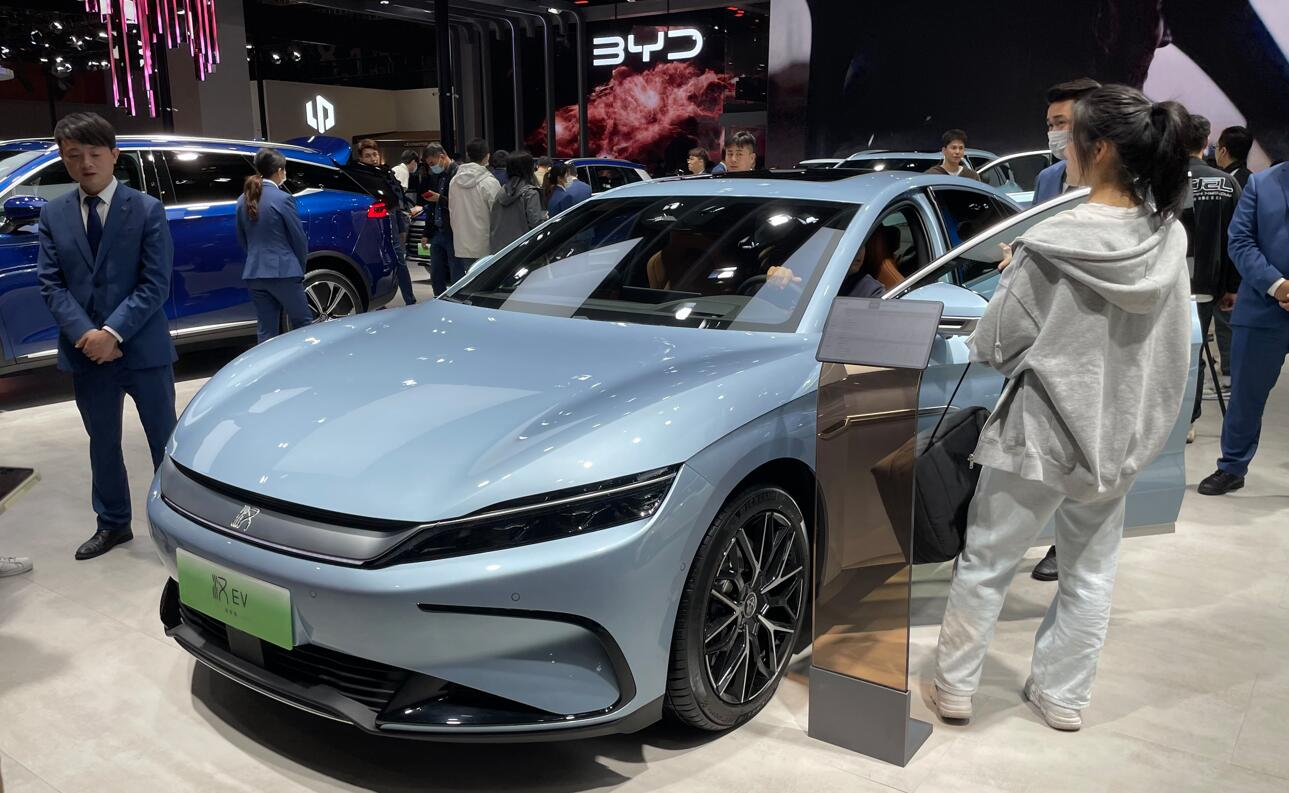
BYD, the leading Chinese electric vehicle (EV) manufacturer, is encountering difficulties in its expansion efforts in Japan, a notoriously tough market for foreign automakers. Despite rolling out incentives like discounts and marketing campaigns featuring popular Japanese actress Masami Nagasawa, BYD faces hurdles, including reduced government subsidies and a deep-rooted consumer preference for Japanese-made products. Japan’s recent changes in how EV subsidies are calculated have slashed financial incentives for foreign manufacturers like BYD, Mercedes-Benz, and others while benefiting domestic automakers such as Nissan and Toyota. Although BYD has opened 30 showrooms and sold over 2,500 vehicles in Japan since 2022, its progress is hindered by quality concerns among Japanese consumers and a protective stance from the government aimed at bolstering local industry. BYD has responded by offering 0% loans and home charger cashback incentives, while also planning to install quick chargers across Japan to qualify for higher subsidies. However, overcoming the market’s resistance will require significant investment and a focus on affordability and performance to win over consumers wary of Chinese products.

Exclusive: US Warns Nippon Steel Bid for U.S. Steel Poses National Security Risk

The Biden administration, through the Committee on Foreign Investment in the United States (CFIUS), warned Nippon Steel that its $14.9 billion acquisition of U.S. Steel poses a national security threat by potentially weakening the American steel industry. Both Democrats and Republicans have voiced opposition to the deal, with Vice President Kamala Harris and former President Donald Trump expressing strong desires to keep U.S. Steel under American ownership. In a letter sent to the companies, CFIUS highlighted concerns that the transaction would harm U.S. steel production and diminish efforts to seek trade remedies. In their response, the companies warned that rejecting the deal could lead to the idling of U.S. Steel’s blast furnace facilities, result in thousands of job losses, and ultimately weaken the U.S. steel supply chain. While Nippon Steel and U.S. Steel maintain that the deal would strengthen the industry and pose no security risks, political pressures and economic concerns are at the heart of the debate, as the companies consider their legal options to move forward.