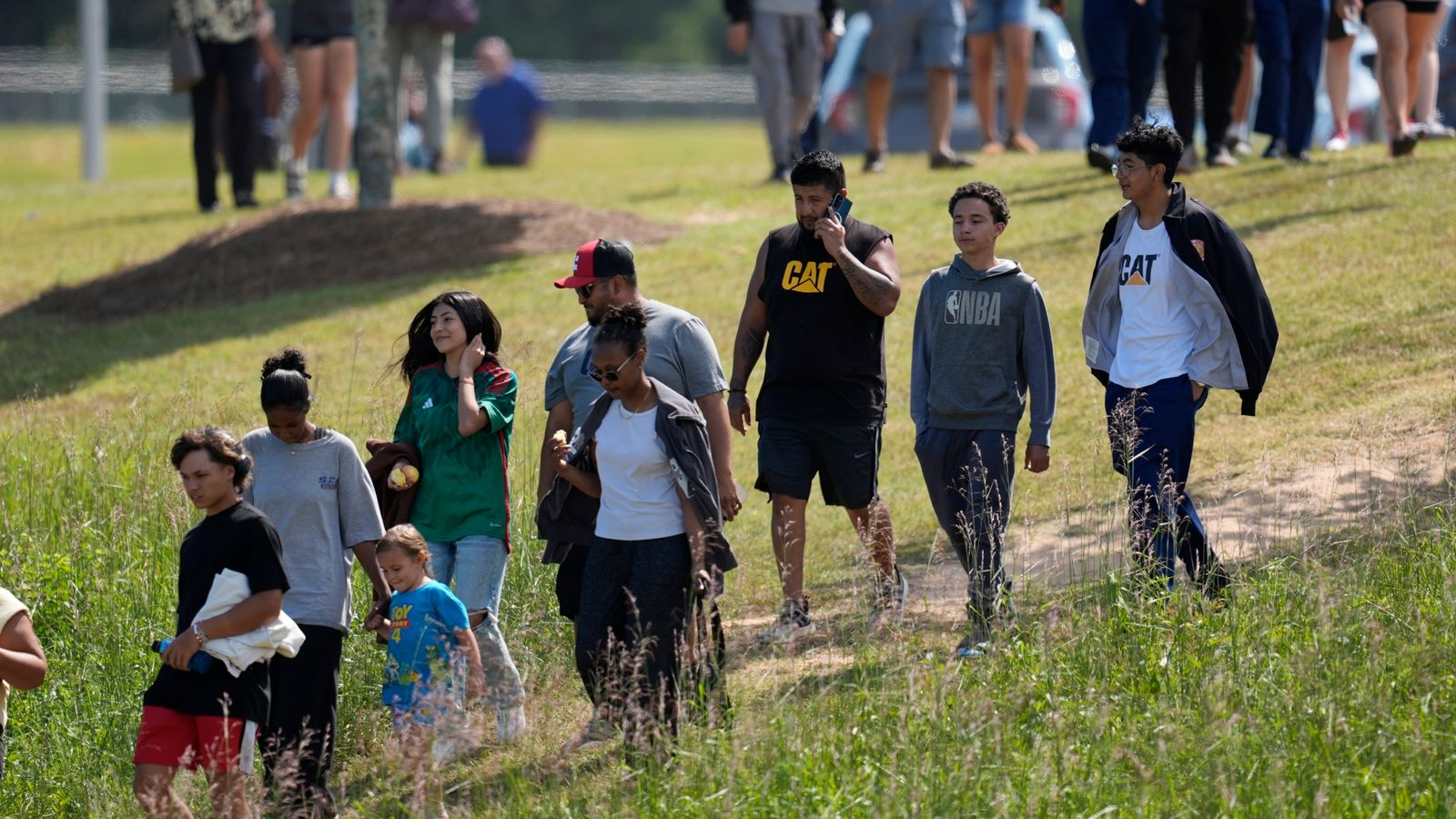
Georgia High School Student, 14, Kills 4 and Wounds 9 in Campus Shooting

A tragic mass shooting occurred at Apalachee High School in Winder, Georgia, when a 14-year-old student opened fire, killing two fellow students and two teachers, and wounding nine others, marking the first major school shooting of the academic year, authorities said. The shooter, identified as Colt Gray, had previously been interviewed by law enforcement regarding online threats about a potential school shooting, but no arrest had been made at the time. Armed with a semiautomatic rifle, Gray was quickly apprehended by deputies stationed at the school, surrendering without further resistance. The victims included two 14-year-old students, Mason Schermerhorn and Christian Angulo, as well as teachers Richard Aspinwall, 39, and Christina Irimie, 53, with all nine wounded expected to recover. The incident has reignited fierce debates about gun control and gun violence in the U.S., as President Joe Biden called for Republicans and Democrats to collaborate on passing common-sense gun safety legislation, while Georgia’s Governor Brian Kemp emphasized focusing on mourning the victims. The FBI confirmed that Gray had been investigated for similar threats in the past but was not arrested due to insufficient evidence. The community of Winder, a small city northeast of Atlanta, came together for a prayer vigil, mourning the loss of life and reflecting on the impact of gun violence. With the U.S. having witnessed hundreds of school shootings in recent decades, the nation remains embroiled in a complex debate surrounding the Second Amendment and the regulation of firearms, even as the grief-stricken community looks for healing amidst the tragedy.
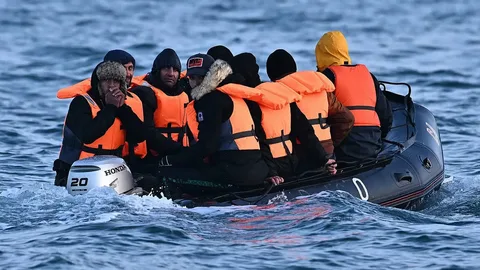
France Blames Britain for Channel Migrant Crisis as Deaths Continue

In the wake of recent migrant deaths in the Channel, French officials and locals have shifted their focus from the criminal smuggling gangs to what they perceive as the root cause of the crisis: Britain’s appeal as a destination for migrants. French rescue teams, having dealt with another tragedy, quickly cleared the scene, leaving behind a somber reminder of the ongoing crisis. Boulogne’s mayor, Frederic Cuvillier, expressed deep frustration over the loss of lives, highlighting the tragic irony of migrants seeking a better life only to perish en route.

The French and British responses to these incidents diverge significantly. While the UK primarily condemns the smuggling networks responsible for the dangerous crossings, France’s emphasis has increasingly been on Britain’s role in attracting migrants. French officials argue that Britain’s less regulated job market acts as a magnet for migrants from various regions, including Eritrea, Sudan, Afghanistan, Syria, and Iraq. This view is echoed by French Interior Minister Gerald Darmanin, who has called for a new migrant treaty between Britain and the European Union to address the issue.

Locals along France’s northern coast share this sentiment, feeling that their communities have been unduly burdened by what they see as a problem driven by Britain’s policies. They resent the transformation of their local environment due to the ongoing migrant crisis, which they believe is exacerbated by Britain’s relatively open labor market.

The French government has ramped up its efforts to combat the smuggling gangs, using increased manpower, advanced surveillance technology, and expanded patrols. However, smugglers are adapting by launching boats from more remote locations and employing increasingly dangerous tactics. The violence against French police on the beaches and the use of overcrowded, unsafe boats reflect the escalating risks faced by migrants and authorities alike.

Despite these efforts, the French media and public seem less focused on the immediate crisis, with recent deaths in the Channel barely making headlines amidst the country’s political challenges. The prevailing sentiment in France is that without addressing the underlying draw of Britain’s job market, efforts to curb the crisis will be insufficient.

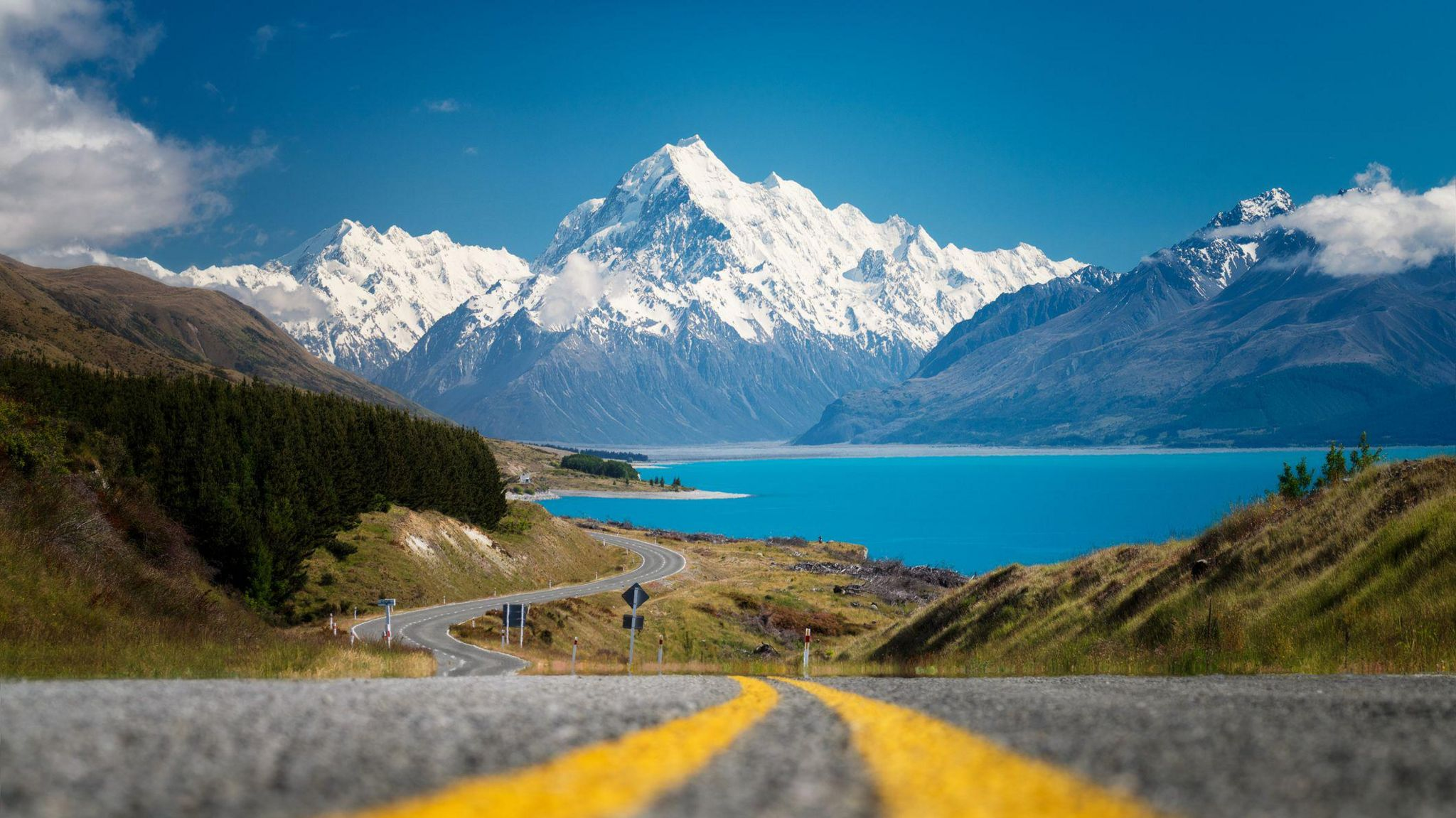
New Zealand Triples Tourist Tax, Raising Concerns Among Travel Industry

New Zealand is set to increase its International Visitor Conservation and Tourism Levy (IVL) from NZ$35 ($22) to NZ$100 ($62) starting October 1, marking a significant rise in the cost of visiting the country. The hike aims to address the additional pressure on infrastructure and conservation efforts caused by international tourism. Tourism Industry Aotearoa (TIA) has expressed concerns that the increase could impact New Zealand’s global competitiveness, potentially driving tourists to destinations like Canada and the UK where entry costs are lower. Alongside the IVL increase, tourist visa fees will also rise from $131 to $211. This move comes as part of a broader trend of tourist taxes implemented by various destinations worldwide to manage the effects of overtourism. Despite some criticism, studies indicate that such fees have not significantly deterred tourists from visiting affected regions.