
Sony Teases PlayStation 5 ‘Technical Showcase’, Hints at PS5 Pro Unveiling
Sony’s ‘Technical Showcase’ to Highlight PS5 and Gaming Innovations, Sparks PS5 Pro Speculation Devamını Oku

Sony’s ‘Technical Showcase’ to Highlight PS5 and Gaming Innovations, Sparks PS5 Pro Speculation Devamını Oku
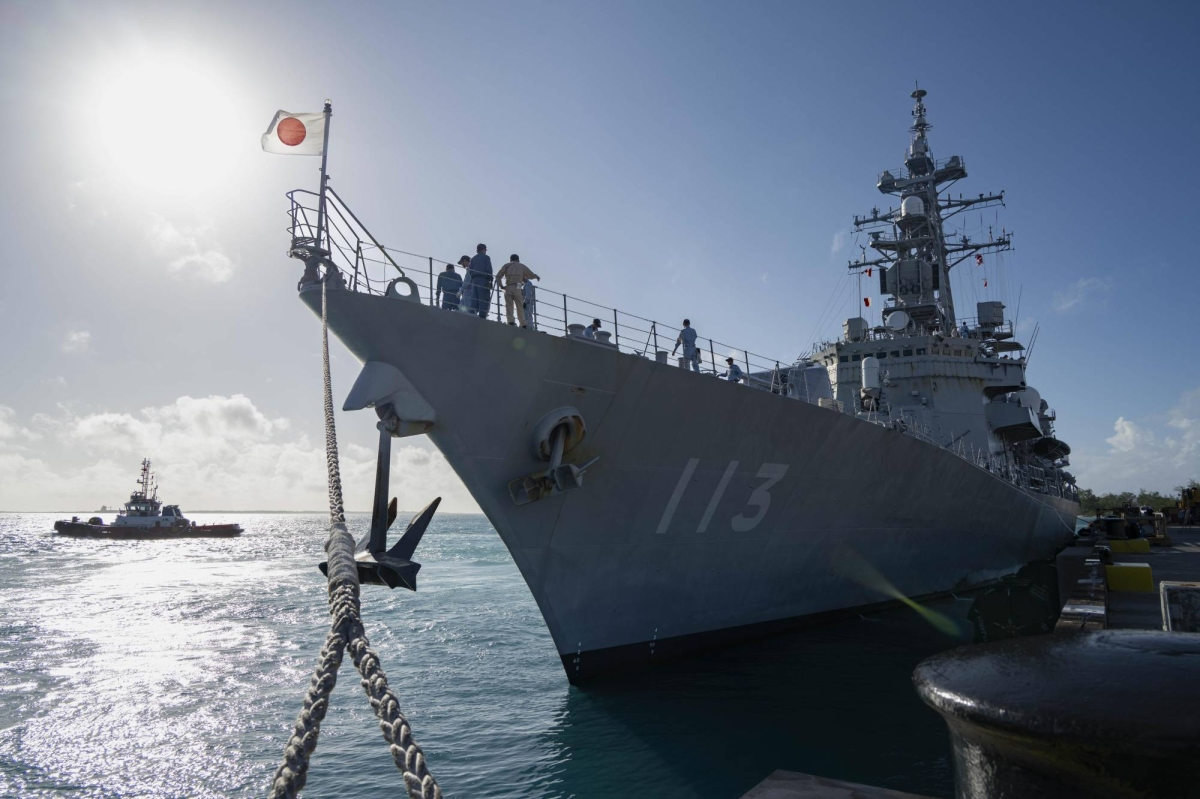
In a historic and highly symbolic move, a Japanese warship, the JS Sazanami, has sailed through the Taiwan Strait, marking the first time Japan has taken such an action. Accompanied by vessels from Australia and New Zealand, the naval destroyer was en route to military exercises in the South China Sea when it passed through the strait on Wednesday. This transit comes at a time when tensions between China, which claims the Taiwan Strait and self-governed Taiwan as its own, and other nations are rising.
Japan’s government has not officially commented on the ship’s journey, citing military discretion, but Chinese authorities were quick to react. Beijing confirmed its military had responded, with the foreign ministry spokesperson Lin Jian stating that China had “lodged stern representations with Japan” and remained highly vigilant of Japan’s political intentions. Chinese state media reported that the Chinese military monitored and tracked the ship throughout its passage.
The Taiwan Strait, a critical shipping route through which a large portion of the global container fleet passes, has seen increased naval patrols by the US and its allies. These patrols are part of efforts to maintain freedom of navigation and challenge China’s maritime claims. The US, Canada, Australia, and several European nations, including Britain, France, and Germany, have all sailed vessels through the strait recently to assert that it is part of international waters and open to all.
Japan’s move represents a significant departure from its previous reluctance to provoke China directly. The country has expressed growing concern over China’s increased military activity in the region, including airspace violations and the deployment of Chinese military assets around Taiwan and Japanese territories. In response, Japan has been aligning itself more closely with regional allies such as the US, Australia, and India, and its involvement in naval operations in contested waters is expected to increase.
China’s assertiveness in the South China Sea and the Taiwan Strait has led to heightened security concerns among nations in the Asia-Pacific region. Analysts note that Japan’s transit is part of a broader push by countries in and beyond Asia to counter China’s maritime ambitions. Japan, in particular, has been grappling with China’s “grey zone” tactics in the East China Sea, which include provocative actions designed to gradually weaken an adversary.
In light of recent developments, Japan’s naval presence in contested waters represents a strategic move to assert its interests in the region and to stand firm alongside its allies against China’s growing influence.
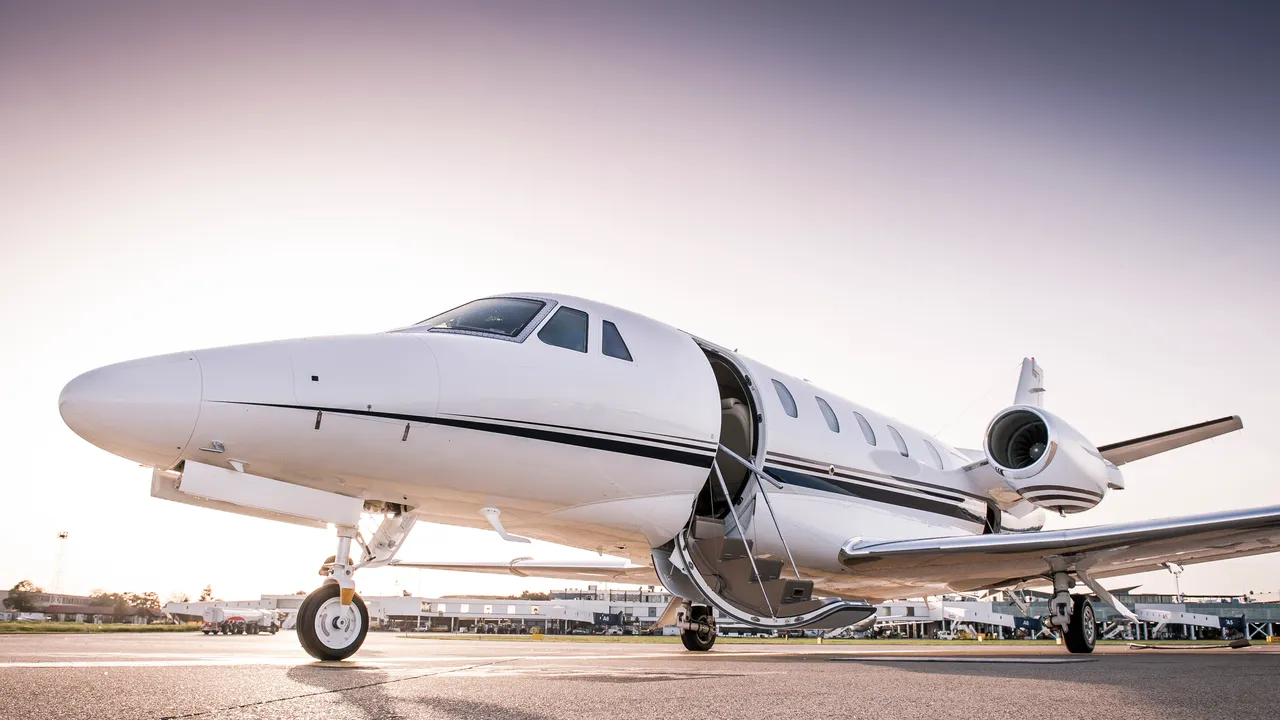
At Dubai’s Mohammed Bin Rashid Aerospace Hub, luxury private jets are taking off at all hours, catering to the city’s expanding millionaire class. One such ultra-long-range jet, equipped with high-end comforts like plush bedding and fast food upon request, awaits its wealthy passengers. According to Lilit Avetikyan, CEO of private jet company Voyex, these elite clients expect nothing short of perfection, whether it’s their favorite fast food on board or exclusive services like tickets to high-profile events.
Voyex, which offers private jet charters, is part of a growing private aviation industry in Dubai, where flights cost anywhere from $50,000 to $200,000 per trip. The company boasts access to a global fleet of over 20,000 aircraft, some of which are reserved for royalty or government officials. In a city where luxury and exclusivity are key, demand for private jet travel is rising as the UAE becomes a global hub for the super-wealthy.
In 2024 alone, Dubai is expected to attract more than 6,700 millionaires, more than any other country. This influx is expected to continue in the coming years, driven by individuals from regions such as India, the Middle East, and Europe. The rising number of wealthy residents is also fueling demand for high-end real estate and private aviation services. The market for private jets in the Middle East, valued at $566 million, is projected to reach $943 million by 2029, according to industry experts.

Although the number of private flights in Europe and the US is higher, the Middle East is seeing faster growth. Dubai and neighboring regions like Saudi Arabia and Sharjah are investing heavily in private aviation infrastructure, with new terminals and facilities being developed to cater to the increasing demand for VVIP travel.
However, the rise of private jets comes with environmental concerns. Private jets are significantly more carbon-intensive than commercial airliners, with emissions per passenger up to 50 times higher than trains. Some countries, like the Netherlands, are taking steps to ban private jets to reduce noise and emissions. In response, industry leaders emphasize the importance of transitioning to sustainable aviation fuel (SAF), which can reduce emissions by up to 80%. Although SAF is not yet widely available, initiatives are underway to increase its production.
Despite these environmental challenges, the demand for private aviation in Dubai shows no signs of slowing down. Companies like Voyex are negotiating with environmental groups to contribute to reforestation efforts, but they maintain that their clients should not feel guilty about flying private.