
Murdoch Family Faces Succession Battle Over Future of Media Empire

The future of Rupert Murdoch’s vast media empire, including Fox News, is now in the hands of a probate commissioner in Reno, Nevada. At the heart of the dispute is whether the 93-year-old media mogul can amend the family trust to ensure that his chosen successor, Lachlan Murdoch, remains at the helm of the influential right-wing outlets for decades to come.

Murdoch, along with his eldest children, appeared in a secret trial to argue over control of the family trust, which was originally designed to give each of his four oldest children—Lachlan, James, Elisabeth, and Prudence—equal voting power over the company’s future after Rupert’s death. Murdoch now seeks to alter this arrangement to safeguard the conservative editorial stance of his media outlets, which include Fox News, The Wall Street Journal, and New York Post.

The other three siblings, however, are against the proposed change, fearing it would consolidate too much power in Lachlan’s hands. They believe this could affect the company’s future direction, particularly its editorial stance, which has been a source of immense profitability but also controversy. Rupert Murdoch worries that without Lachlan’s leadership, his other children might steer the outlets in a more moderate direction, potentially decreasing their value.

The probate commissioner’s decision is expected in the coming days or weeks, though the process could be prolonged if any party objects to the ruling. If objections arise, the case may proceed to a judge, with the potential for further delays and even an appeal to the Nevada Supreme Court.

The closed-door proceedings in Nevada have drawn criticism for their secrecy. Nevada law allows such cases involving family trusts to remain entirely private, with their details shielded from public view, including the very existence of the case on court dockets. A coalition of media organizations has petitioned the Nevada Supreme Court to unseal the case, arguing that the outcome will have far-reaching consequences on jobs, global media, and the American political landscape.
 

China’s Newest Nuclear Submarine Sank Earlier This Year, US Officials Confirm

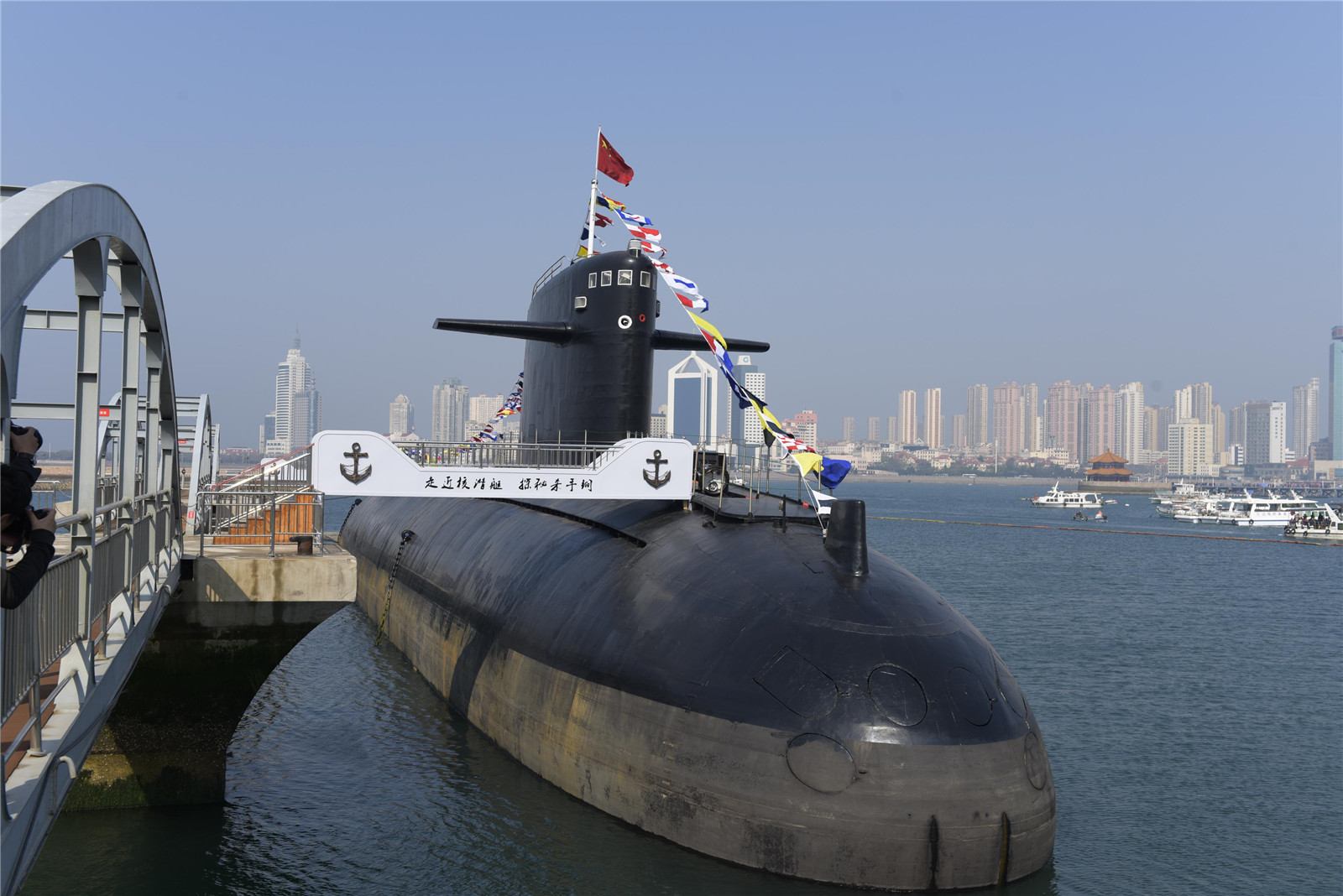
China’s newest nuclear-powered submarine, the first of its Zhou-class line, sank pierside earlier this year, according to two US defense officials. The attack submarine, known for its distinctive X-shaped stern designed to enhance underwater maneuverability, was under construction at a shipyard near Wuhan. Although the Chinese Navy attempted to conceal the incident, satellite imagery captured by Maxar Technologies in March and reviewed later in June confirmed the submarine’s disappearance from its docking site.

The sinking marks a significant loss for the People’s Liberation Army (PLA) Navy, which has prioritized the modernization of its fleet as part of China’s ambition to establish a military on par with that of the United States. A senior US defense official expressed little surprise at China’s efforts to hide the incident, noting that the PLA Navy would likely want to avoid publicizing the loss of its first-in-class nuclear-powered submarine.

Tom Shugart, a senior fellow at the Center for a New American Security, who closely monitors Chinese shipyards through satellite imagery, first observed unusual activity at the location. Shugart noted a rare clustering of cranes at the shipyard—an anomaly compared to historical images of the area. Additionally, the submarine, easily recognizable by its large size and unique tail, had not returned to the pier by mid-year, raising further suspicions of the vessel’s fate.

Beijing’s naval ambitions are vast, with modernization of the PLA Navy’s submarine force being one of its highest priorities. According to a 2023 military power report, the PLA Navy currently operates a total of 60 submarines, including six nuclear-powered ballistic missile submarines, six nuclear-powered attack submarines, and 48 diesel-powered attack submarines. China aims to further expand this fleet to 80 submarines by 2035, despite retiring older models.

The loss of the Zhou-class submarine highlights potential oversight and accountability issues within China’s defense industry. Corruption has long plagued the country’s defense sector, and the incident could raise deeper concerns about internal management within the PLA.

The US, which has identified China as its primary long-term military competitor, operates a more extensive nuclear-powered submarine fleet, including 53 fast attack submarines, 14 ballistic-missile submarines, and four guided-missile submarines. The Chinese PLA Navy, however, remains the largest in the world by total ship count, with 370 platforms, including 234 warships, compared to the US Navy’s 219 warships.

It remains unclear whether the Zhou-class submarine had been fueled with nuclear material when it sank, adding another layer of mystery to the situation. Chinese embassy officials in Washington, D.C., offered no comment, stating they had no information on the incident.


Misinformation on Facebook Alarms Officials as 2024 Elections Near

Election officials across the U.S. are increasingly concerned about the spread of misinformation on Facebook as the country heads into the critical 2024 presidential election. In Durham County, North Carolina, Derek Bowens, the director of elections, faced a crisis when viral posts falsely claimed that voters should request new ballots if a poll worker writes on them, rendering the ballots invalid. This misinformation, which also spread during the 2020 election, has resurfaced without fact-checking labels on Facebook.

Despite previous efforts to flag such content, Bowens and other officials have seen a lack of timely intervention from Meta, Facebook’s parent company. The North Carolina State Board of Elections had to issue a press release to counter the misinformation. However, many false posts continue to circulate in North Carolina and other states like Mississippi and New Jersey without warnings or corrections. Meta stated that it has sent flagged content to third-party fact-checkers, but election officials are still frustrated by the platform’s insufficient efforts to prevent the spread of false information.

Across the nation, with just 40 days until the November 5 elections, election officials are worried about how misinformation might disrupt the voting process. While Facebook scaled back the promotion of political content on its platform after the 2020 election, misleading posts still spread quickly, often outpacing official responses. Bowens and his colleagues, as well as officials in swing states like Arizona and Wisconsin, are finding it increasingly difficult to use social media effectively to provide accurate information.

In Maricopa County, Arizona, communication director Taylor Kinnerup noted that false claims about voter fraud from 2020 still plague the county’s social media feeds. Despite efforts to increase transparency and communication, Kinnerup’s team struggles with Meta’s limited engagement and unresponsive support systems. Many local election offices are also dealing with technical issues when using Meta’s apps, such as unlinked Facebook and Instagram accounts that prevent simultaneous posts.

Meta, which has cut back its trust and safety teams during multiple rounds of layoffs since 2021, continues to promote its integrity efforts and partnerships with fact-checking groups worldwide. However, state and local officials like Bowens and Kinnerup report little direct communication or assistance from Meta in addressing election misinformation.

Officials warn that the risks go beyond the presidential race, with down-ballot races also vulnerable to interference, as regional and local election systems often have less protection. Congressional representatives, including Sen. Susan Collins, have expressed concerns about foreign actors targeting these races with disinformation.

As the November elections approach, election officials across the country are working overtime to combat the spread of misinformation, but many feel under-supported by tech companies like Meta. With election integrity at stake, they urge greater collaboration and proactive measures to prevent further disruptions.