
China’s Industrial Profits Plunge in August, Deepening Economic Woes

China’s industrial profits faced their steepest decline this year, contracting sharply by 17.8% in August after a brief recovery of 4.1% in July, according to the National Bureau of Statistics (NBS). This marks the biggest monthly slump in 2023, reflecting mounting economic pressures as business activity continues to slow. For the first eight months of the year, earnings grew by a mere 0.5%, compared to the 3.6% growth seen in the January-July period.

The NBS attributed the downturn to several factors, including weak market demand, the adverse effects of natural disasters like high temperatures, heavy rainfall, and floods, and a high statistical base from last year. Particularly impacted were the automobile and equipment manufacturing industries, contributing to the sharp contraction in profits.

According to Zhou Maohua, a macroeconomic researcher at China Everbright Bank, this slump underscores a growing imbalance in China’s economic recovery, exacerbated by weak domestic demand. The sluggish industrial performance is compounded by broader economic concerns, including uncertainty over job security, a faltering property market, and declining investment.

Earlier data in September highlighted weak consumer demand, which remains a significant bottleneck for the economy. Inner Mongolia Yili Industrial Group Co, a leading domestic dairy company, reported a 40% drop in net profit for the second quarter, underscoring the challenges businesses face in an increasingly cautious market environment. NBS spokesperson Wei Ning echoed these concerns, citing the complexity and volatility of external factors further clouding the economic outlook.

In an effort to revive the economy, China’s central bank introduced the most aggressive stimulus package since the pandemic, including a 50 basis point reduction in banks’ reserve requirements. However, analysts warn that more extensive fiscal support will be necessary to restore confidence and stimulate demand.

Chinese leaders responded with a pledge of “necessary fiscal spending” to meet the country’s growth target of 5% for 2024, which analysts have downgraded below the official forecast. A major component of this fiscal stimulus includes the issuance of $284 billion in sovereign debt, some of which will be used to provide a monthly allowance of $114 per child to families with two or more children, in a bid to boost household spending.

Despite these efforts, industrial sectors remain strained. State-owned firms saw profits decline by 1.3% from January to August, while foreign-owned enterprises recorded a modest 6.9% rise. Private companies fared slightly better, posting a 2.6% increase over the same period.

The NBS data tracks companies with annual revenues of at least 20 million yuan ($2.83 million) from their main operations, signaling that even larger firms are not immune to the broader economic challenges gripping China.
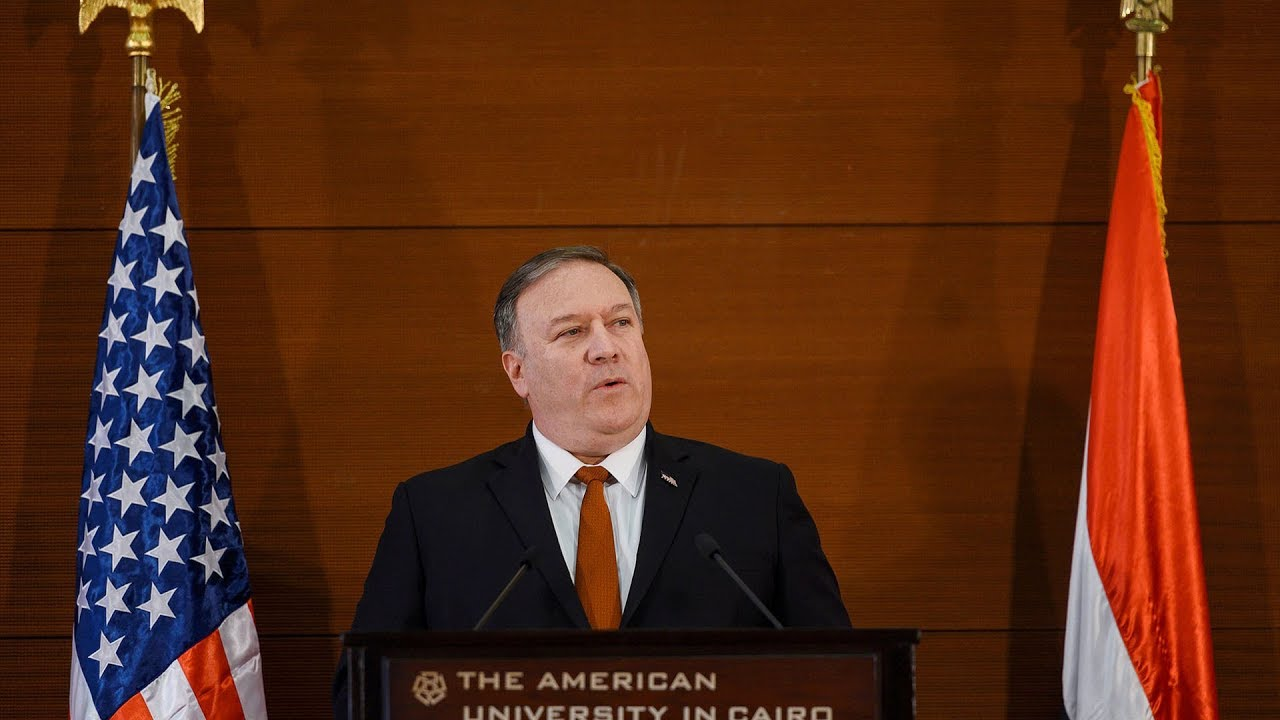

U.S. Diplomacy Falters in the Middle East as Biden’s Time Runs Out

As President Joe Biden’s term nears its end, his administration faces mounting challenges in the Middle East. U.S. diplomatic efforts to broker a ceasefire in Gaza have stalled after nearly a year of fighting between Israel and Hamas, and attacks on Red Sea shipping by Iran-backed Houthi rebels continue unabated. Meanwhile, a potential Israel-Hezbollah conflict looms, threatening to escalate into a regional war despite intense U.S. diplomatic efforts.

Biden’s Middle East strategy has centered on balancing Israel’s right to self-defense with efforts to prevent broader civilian casualties and regional conflict. However, this approach has repeatedly fallen short. Israel’s rejection of a U.S.-backed proposal for a 21-day truce on the Lebanon border is a stark reminder of the limits of U.S. influence in the region. As Jonathan Panikoff, a former U.S. intelligence officer, notes, Biden has struggled to leverage America’s diplomatic and military power to sway Israeli Prime Minister Benjamin Netanyahu.

Despite Secretary of State Antony Blinken’s multiple trips to the region, negotiations have failed to bring about a lasting ceasefire between Israel and Hamas, with no breakthrough on the horizon. The blame is shared between Hamas and shifting demands from Netanyahu, according to U.S. officials. The strained relationship between Blinken and Israeli leaders underscores the friction in Biden’s Middle East policy.

Biden’s efforts have not gone unnoticed by his Western allies, who credit him with strengthening key alliances, particularly in NATO and with Asian partners. However, his handling of the Middle East, particularly in Gaza, has raised concerns about U.S. credibility. Some foreign diplomats argue that Biden’s unyielding support for Israel has hindered his diplomatic flexibility. A Middle Eastern diplomat remarked that while Biden dispatched military assets to warn Iran and its proxies, the threats have not fully deterred attacks, particularly by the Houthis in Yemen.

Picture background

Analysts like Michael Mulroy, a former U.S. defense official, argue that Biden could have responded more decisively to these proxy attacks. Although U.S. officials defend their diplomatic efforts, emphasizing that progress takes time, the growing discontent among regional players reflects the difficulty of Biden’s position.

The Gaza conflict has dashed Biden’s hopes for a potential breakthrough in Middle East peace – the normalization of relations between Israel and Saudi Arabia. That deal, once seen as a possible highlight of his foreign policy legacy, now seems elusive.

At the United Nations, frustration is mounting. Jordanian Foreign Minister Ayman Safadi criticized international efforts as “a year of failure,” arguing that Israel is not listening to even its closest allies, including the U.S.

With four months left in office, Biden faces deepening crises in Lebanon and the wider region. Hezbollah and Israel continue to clash, and the threat of a full-scale ground war looms. Should this occur, it could not only mar Biden’s foreign policy legacy but also impact the 2024 U.S. presidential election, where Vice President Kamala Harris might face backlash from progressive Democratic voters already critical of Biden’s unwavering support for Israel.

Analysts like Panikoff assert that Biden’s Middle East strategy requires a shift. “Plan A hasn’t worked for months. So where’s Plan B?” As the clock runs out on Biden’s administration, the question remains whether the crises in Gaza, Lebanon, and beyond will define his presidency or be passed to his successor.

Nintendo Switch 2 Expected to Feature Backwards Compatibility

Nintendo Plans to Unveil Switch 2 Next Year, Reiterating Commitment to Gaming Innovation Devamını Oku