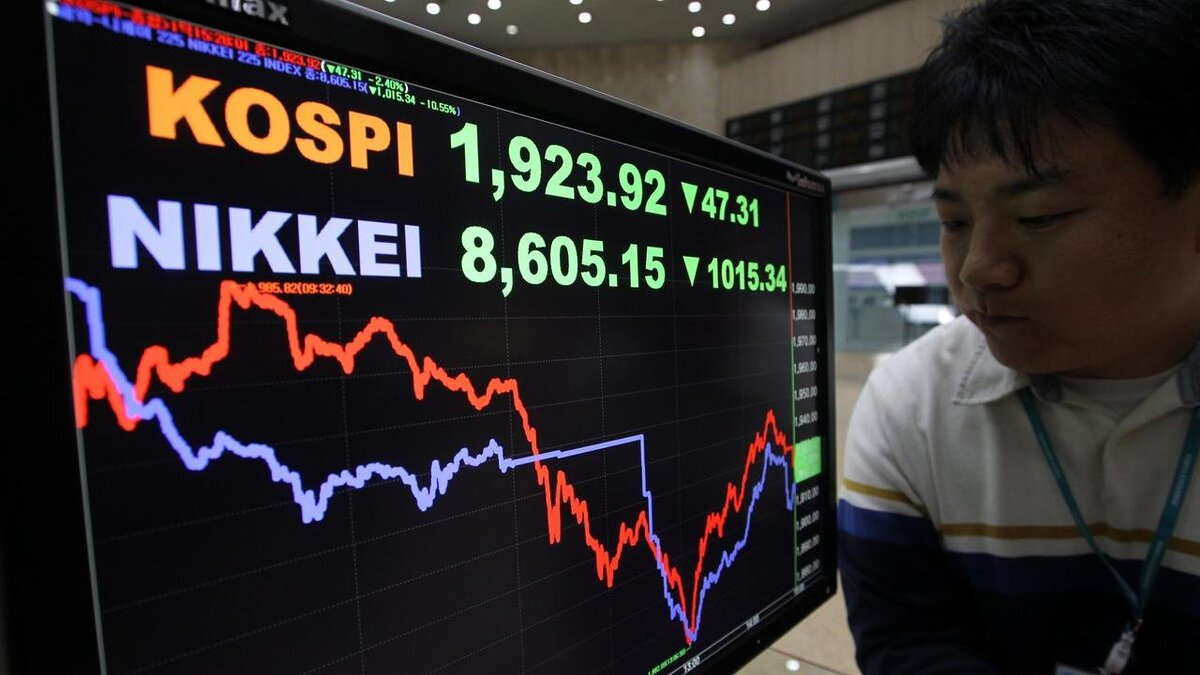
Japan’s Nikkei Leads Asia-Pacific Gains; China’s CSI 300 Extends Rally to Seventh Day

Asia-Pacific markets advanced on Thursday, with Japan’s Nikkei 225 leading the region and Chinese markets continuing their upward momentum. The Nikkei 225 surged by 2.12%, while the broader Topix rose by 1.65%. The market gains in Japan were buoyed by the release of the Bank of Japan’s July meeting minutes, which provided further clarity on the central bank’s policy stance.

In China, the CSI 300 extended its winning streak to seven consecutive days, hitting its highest level in nearly two months. The rally follows Beijing’s rollout of economic stimulus measures earlier this week. The index opened 0.15% higher on Thursday, signaling continued investor optimism.

Hong Kong’s Hang Seng Index also saw growth, advancing 0.91% to reach its highest point since May. South Korea’s Kospi jumped by 1.9%, with chipmaker SK Hynix surging more than 8% after announcing the mass production of the world’s first 12-layer HBM3E chip, designed for use in artificial intelligence memory applications. The smaller Kosdaq index gained 1.31%.

Australia’s S&P/ASX 200 joined the regional rally, rising 0.53% as markets remained positive.

In contrast, U.S. markets experienced a slight dip. The Dow Jones Industrial Average and the S&P 500 both retreated from their recent record highs. The S&P 500 lost 0.19%, while the Dow fell by 0.7% after reaching a new high during early trading. Meanwhile, the Nasdaq Composite edged up marginally by 0.04%, remaining in positive territory despite the broader decline.
 

OpenAI Plans Restructuring, Giving CEO Sam Altman Equity and Reducing Non-Profit Control

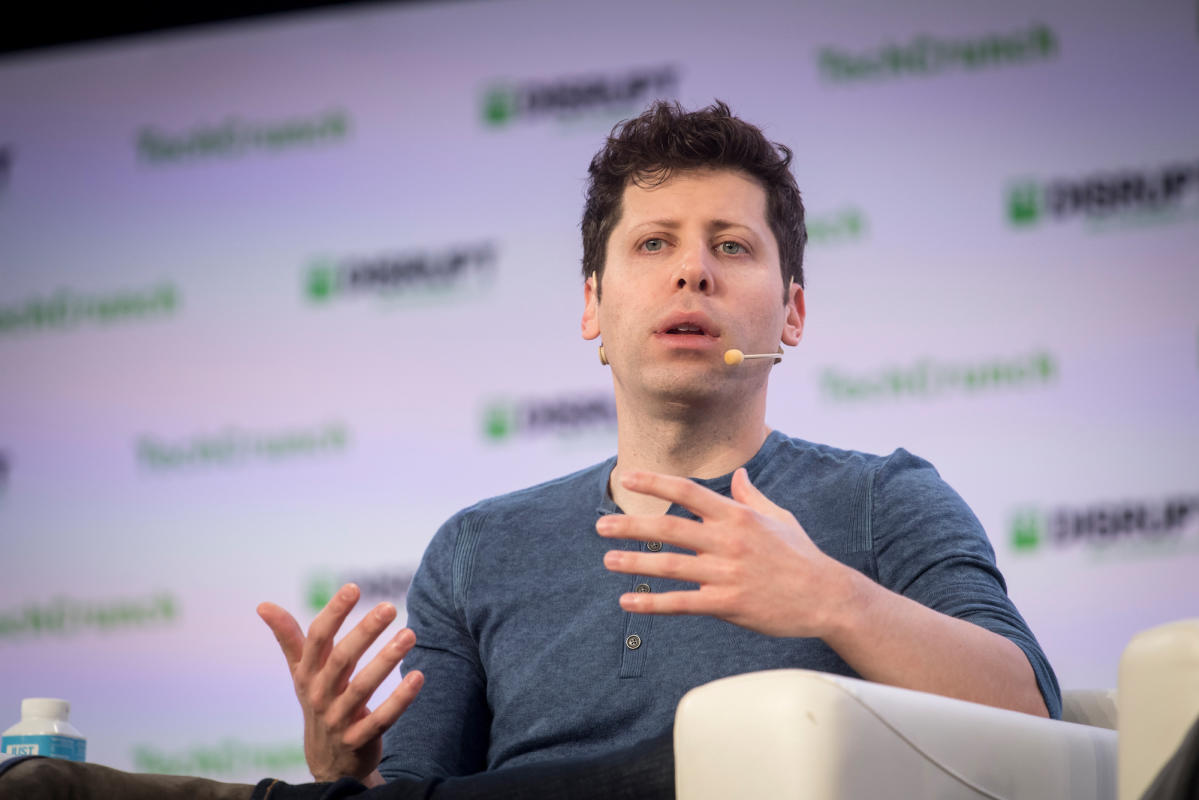
OpenAI, the company behind the widely popular AI application ChatGPT, is restructuring its business to transition from non-profit control to a for-profit benefit corporation, according to insider sources. This significant shift will make the company more attractive to investors. The non-profit arm will continue to exist, retaining a minority stake in the new for-profit entity, but will no longer hold control over it. The restructuring may also impact OpenAI’s governance of AI risks.

Sam Altman, the CEO of OpenAI, is set to receive equity in the company for the first time, which could be worth up to $150 billion. This restructuring may also remove the cap on returns for investors, further enhancing the company’s appeal. Altman, who previously chose not to hold equity, is now positioned to benefit financially from this major corporate shift.

OpenAI, originally founded as a non-profit research organization in 2015, gained global attention with the launch of ChatGPT in 2022. The AI application attracted over 200 million weekly active users and spurred immense interest in AI investments, leading to a surge in OpenAI’s valuation—from $14 billion in 2021 to $150 billion in the latest round of convertible debt financing.

Despite the success, OpenAI has experienced leadership changes. Chief technology officer Mira Murati left the company unexpectedly, while president Greg Brockman has been on leave. These changes, along with the restructuring plan, signal a broader shift within the company’s strategy and operations.

The restructuring moves OpenAI closer to a traditional startup model, resembling the structure of competitors like Anthropic and xAI. However, there are concerns about how this transition might affect OpenAI’s commitment to AI safety. The original governance structure was designed to ensure the safe development of artificial general intelligence (AGI), but with the shift away from non-profit control, some fear the company may lose accountability in managing long-term risks.

The reconfiguration of OpenAI’s governance comes nearly a year after a major internal dispute led to Altman’s brief ousting by the non-profit board. His reinstatement with overwhelming support from employees and investors has since led to a refreshed board, now chaired by former Salesforce co-CEO Bret Taylor. Approval from the nine-member non-profit board will be required for any changes to the corporate structure.

While Altman has previously stated that he has enough money and works for the love of it, this new development will offer him a stake in a company positioned at the forefront of the global AI race. Investors are largely supportive of the shift, as it could provide a clearer path for profitability, but the AI safety community remains cautious about the potential consequences for responsible AI development.


Exclusive: Russia Secretly Developing War Drones in China, Intel Sources Reveal

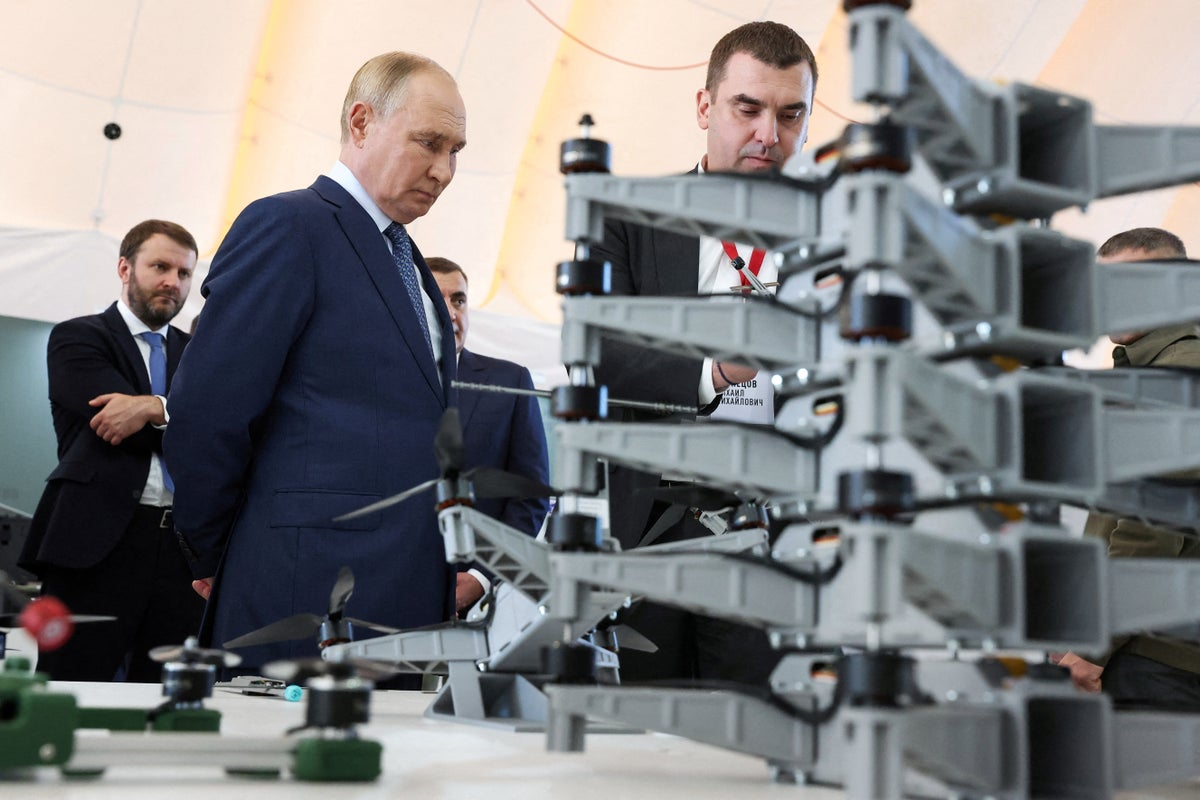
Russia has launched a covert drone production program in China aimed at developing long-range attack drones for use in Ukraine, according to European intelligence sources and documents reviewed by Reuters. The project, led by IEMZ Kupol, a subsidiary of Russian arms giant Almaz-Antey, has reportedly been developing and testing a new drone model, Garpiya-3 (G3), in China with assistance from local experts. Documents show that Kupol informed Russia’s defense ministry that they could produce drones, including the G3, on a large scale at a factory in China to support Moscow’s war efforts in Ukraine.

Kupol and the Russian defense ministry have not commented on these revelations, while China’s foreign ministry denied knowledge of the project, emphasizing strict export controls on unmanned aerial vehicles (UAVs). However, this collaboration, if confirmed, would represent a significant shift in China’s involvement in Russia’s military operations. Previously, China had been providing dual-use components, but full drone systems have not been documented in open sources.

The White House National Security Council expressed concern, stating that while there is no evidence that the Chinese government is involved, it is China’s responsibility to ensure its companies are not providing lethal aid to Russia. NATO and Britain’s Foreign Office echoed these concerns, urging China to halt material support for Russia’s war effort.

Kupol’s G3 drones reportedly have a range of 2,000 km with a 50 kg payload. Invoices indicate that seven drones, including two G3s, have already been delivered to Kupol’s headquarters in Russia for further testing. The European intelligence sources described these deliveries as the first verified evidence of entire UAV systems being shipped from China to Russia since the war in Ukraine began.

The intelligence also suggests that Kupol is working with a Chinese company, Redlepus, to establish a joint drone research and production facility in Kashgar, China’s Xinjiang province. The planned facility, labeled the “Advanced UAV Research and Manufacturing Base,” would produce up to 800 drones annually, although no operational timeline was provided.

Kupol has also proposed the production of a new Chinese-designed attack UAV, the REM 1, with a payload of 400 kg, comparable to the U.S. Reaper drone. While Russia and Ukraine are both racing to increase drone production, China’s potential role in directly supporting Russian efforts could expose Beijing to sanctions. Experts believe this could significantly alter China’s international standing, as it navigates the delicate balance between maintaining its strategic alliances and avoiding punitive global repercussions.