
Snap Shifts Focus to Advertising and Augmented Reality Amidst Declining Stock Performance
Snap’s Stock Plummets Nearly 48% Year-to-Date Devamını Oku

Snap’s Stock Plummets Nearly 48% Year-to-Date Devamını Oku
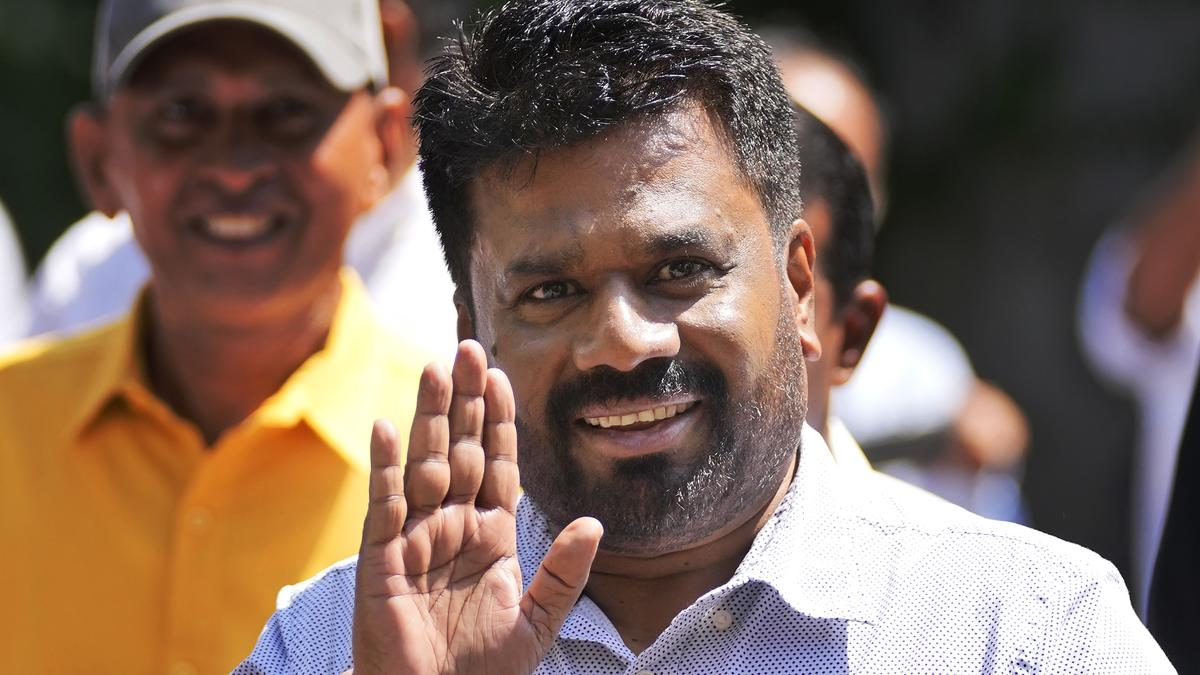
Anura Kumara Dissanayake, a leftist politician and leader of Sri Lanka’s National People’s Power (NPP) party, is leading in the country’s first presidential election since mass protests unseated former leader Gotabaya Rajapaksa in 2022. Early results from the election, held on Saturday, show Dissanayake with 42% of the vote. Opposition leader Sajith Premadasa trails with 32%, while incumbent President Ranil Wickremesinghe has garnered 16%, and Namal Rajapaksa, nephew of the ousted president, is at 3%.
Dissanayake’s anti-corruption platform and promises of good governance have resonated with voters seeking systemic change after Sri Lanka’s devastating economic crisis. Although Dissanayake has not yet secured the required 51% to win outright, supporters of his rivals, including those of Wickremesinghe and Premadasa, have already begun to congratulate him on his apparent victory.
With no candidate having yet reached the necessary majority, Sri Lanka may face a second round of voting. All eight of the country’s previous presidential elections have seen a winner emerge after the first round. This race is considered one of the closest in Sri Lanka’s history, with 17 million citizens eligible to vote.
The election has been described as the most peaceful in the country’s history, but a curfew was imposed late Saturday night for public safety. The new president will face significant challenges, particularly in reviving the economy and addressing the poverty that worsened after the country’s 2022 economic meltdown. Sri Lanka’s foreign currency reserves were depleted, inflation soared to 70%, and public debt hit $83 billion, making everyday essentials unaffordable for many.
Dissanayake’s leadership will be crucial in navigating these economic challenges and addressing the long-standing issues of corruption and mismanagement, which many Sri Lankans blame on the Rajapaksa family’s decade-long rule. Wickremesinghe’s efforts to stabilize the economy through a $2.9 billion International Monetary Fund (IMF) bailout provide some hope, but the strict economic reforms required by the IMF remain contentious.
Sri Lanka continues to restructure its $36 billion foreign debt, with $7 billion owed to China, the country’s largest bilateral creditor.
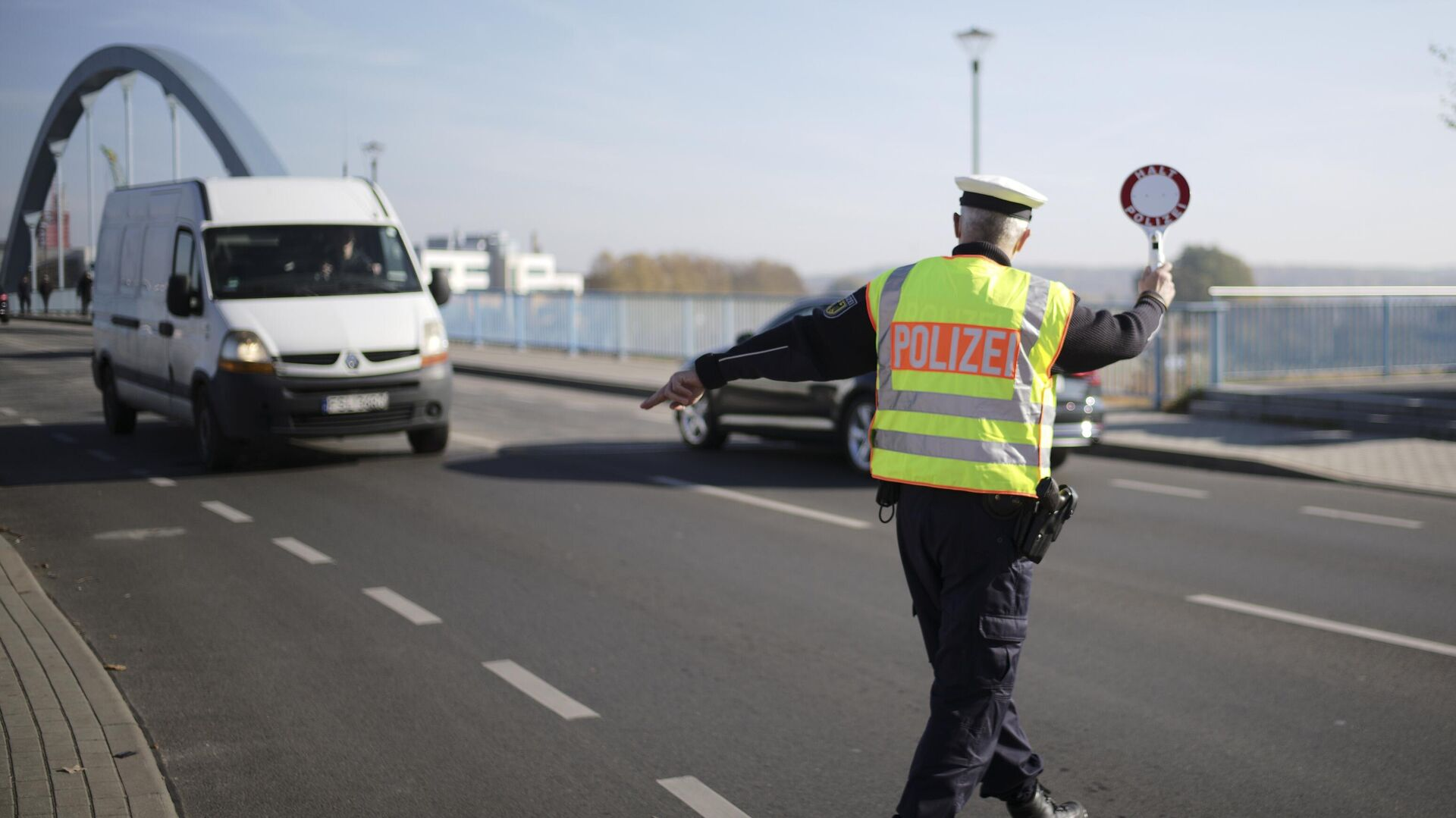
Germany has reintroduced border controls with several European countries, signaling a dramatic shift from its once liberal migration policies known as Wilkommenskultur. Chancellor Olaf Scholz’s government announced the reinstatement of controls at borders with Belgium, Holland, Luxembourg, France, Denmark, and others. These actions come as the far-right Alternative for Germany (AfD) party gains influence, pushing migration issues to the forefront of national debates.
Once a symbol of open borders, Germany is now responding to growing domestic pressure. The AfD, which has campaigned strongly on anti-immigration platforms, capitalized on recent terror attacks involving migrants and has seen electoral success in former East German states like Thuringia and Saxony. Their rise, along with public discontent over migration, has forced Scholz to tighten border policies, despite the potential backlash from EU neighbors.
AfD co-leader Alice Weidel has criticized Germany’s past approach, claiming the country had “become a place where anyone can enter unchecked.” As the AfD grows in prominence, Scholz’s government faces challenges in maintaining support, especially as polls in Brandenburg suggest further losses for the ruling Social Democratic Party.
Germany’s new stance represents a significant departure from the policies of former Chancellor Angela Merkel, who opened the country’s doors to millions of refugees in 2015. The shift also poses a challenge to the broader Schengen zone, as growing concerns over migration lead to stricter border control measures across Europe.