68-Year-Old Retiree Finds Peace by a Lake in Mexico, Living Comfortably for $460 a Month

Janet Blaser, a 68-year-old retiree and writer, found the tranquility she was looking for after relocating to the small village of San Antonio Tlayacapan, Mexico. Having spent 18 years in Mazatlán, a Pacific Coast city she once loved, Janet was disillusioned by its transformation into a bustling tourist hotspot filled with high-rise condos and non-stop noise. She realized it was time for a change.

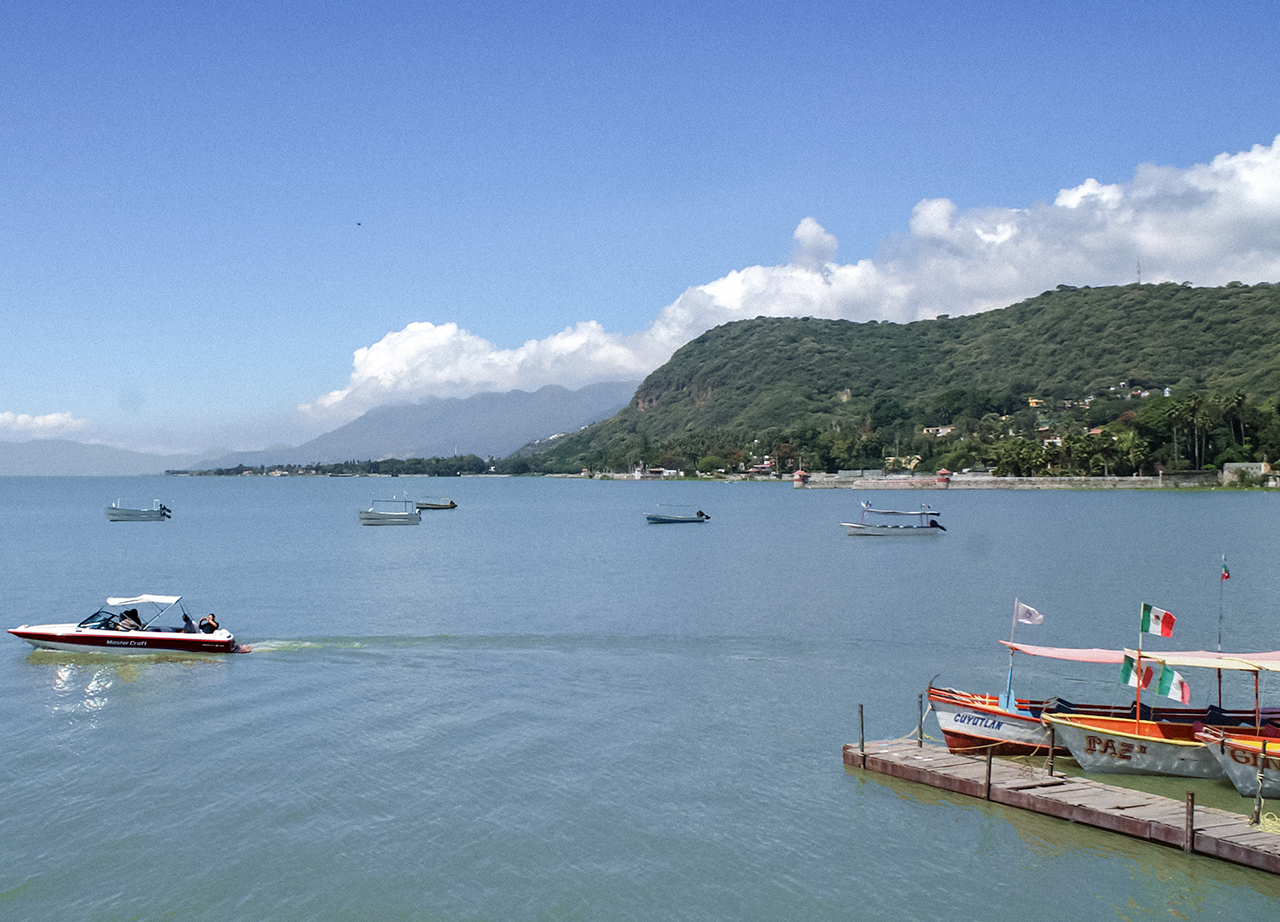
Her search for a quieter, simpler life led her to the rural beauty of Lake Chapala. After a visit to a friend, Janet discovered the serene lifestyle she craved. She found a charming two-bedroom “casita” in San Antonio Tlayacapan that suited her perfectly. Nestled between the towns of Chapala and Ajijic, the area offers peaceful nature, perfect weather, and easy access to modern conveniences like medical care and international stores in nearby Guadalajara.

Janet pays just 9,000 pesos ($460) a month for her home, which includes water. Additional monthly costs are minimal — electricity at $12, 5G internet for $29, and her cell phone plan at $17 with free international calls. Her modest casita includes a walled front yard, an enclosed patio filled with plants, and a washing machine. Janet enjoys her mornings outdoors, sipping coffee as she watches butterflies and hummingbirds visit her garden.

While semi-retired, Janet stays busy. She continues freelance writing and working on two books about expat living, as well as consulting to help others navigate life abroad. When not working, she spends her time exploring the area, enjoying quiet meals with friends, and sourcing fresh, local food at nearby markets. She especially enjoys finding affordable organic produce and locally farmed goods like fresh milk and farm-fresh eggs.

Though she misses the ocean, Janet is grateful for the peaceful life she’s built by Lake Chapala. Her long-term dream includes splitting time between Mexico, southern Italy, and visiting her children in the U.S. For now, she appreciates the slower pace, the beautiful nature, and the sense of tranquility that her new home provides.
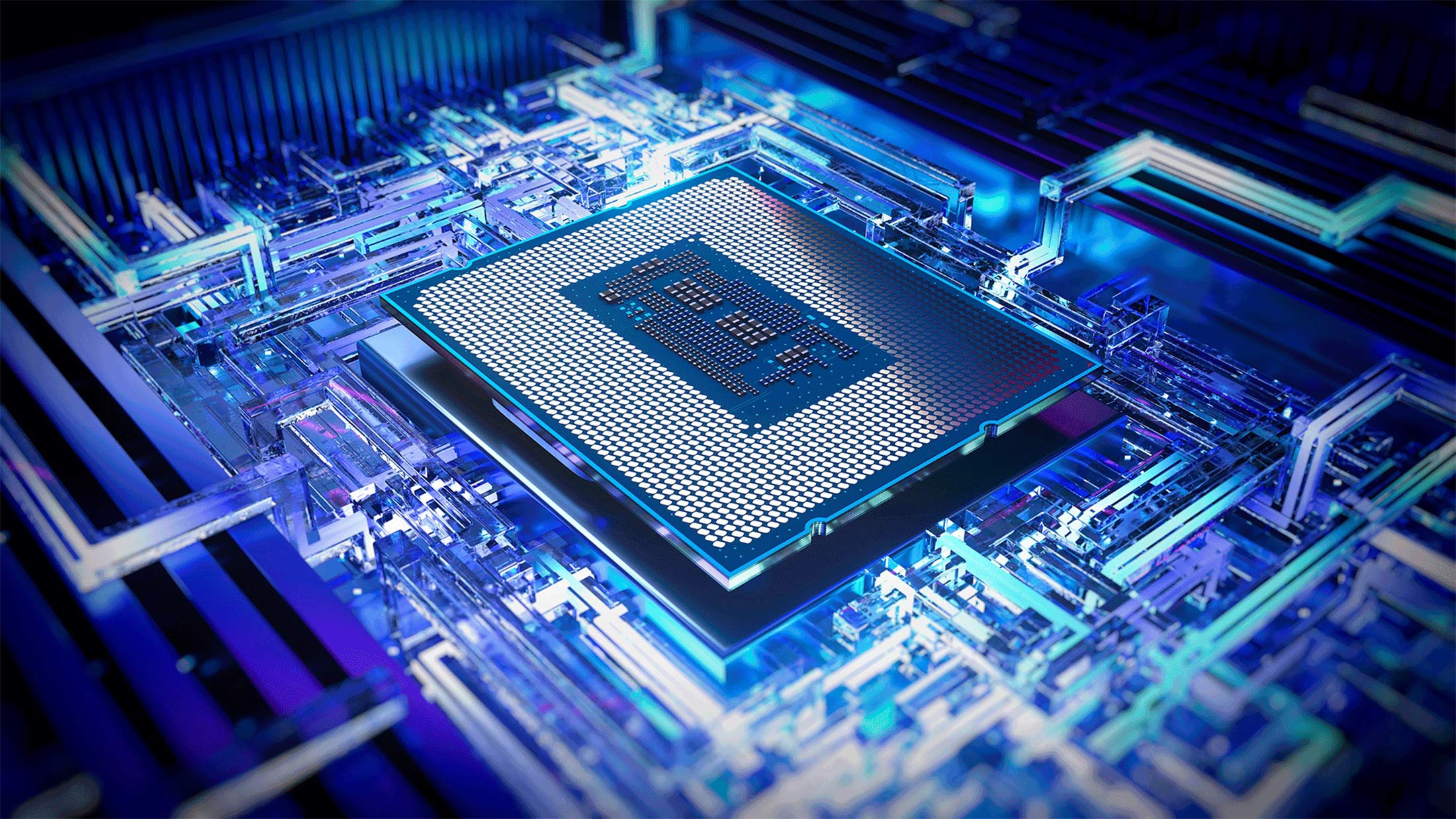
Intel Faces Uncertainty Amid Major Changes and Potential Takeover Talks

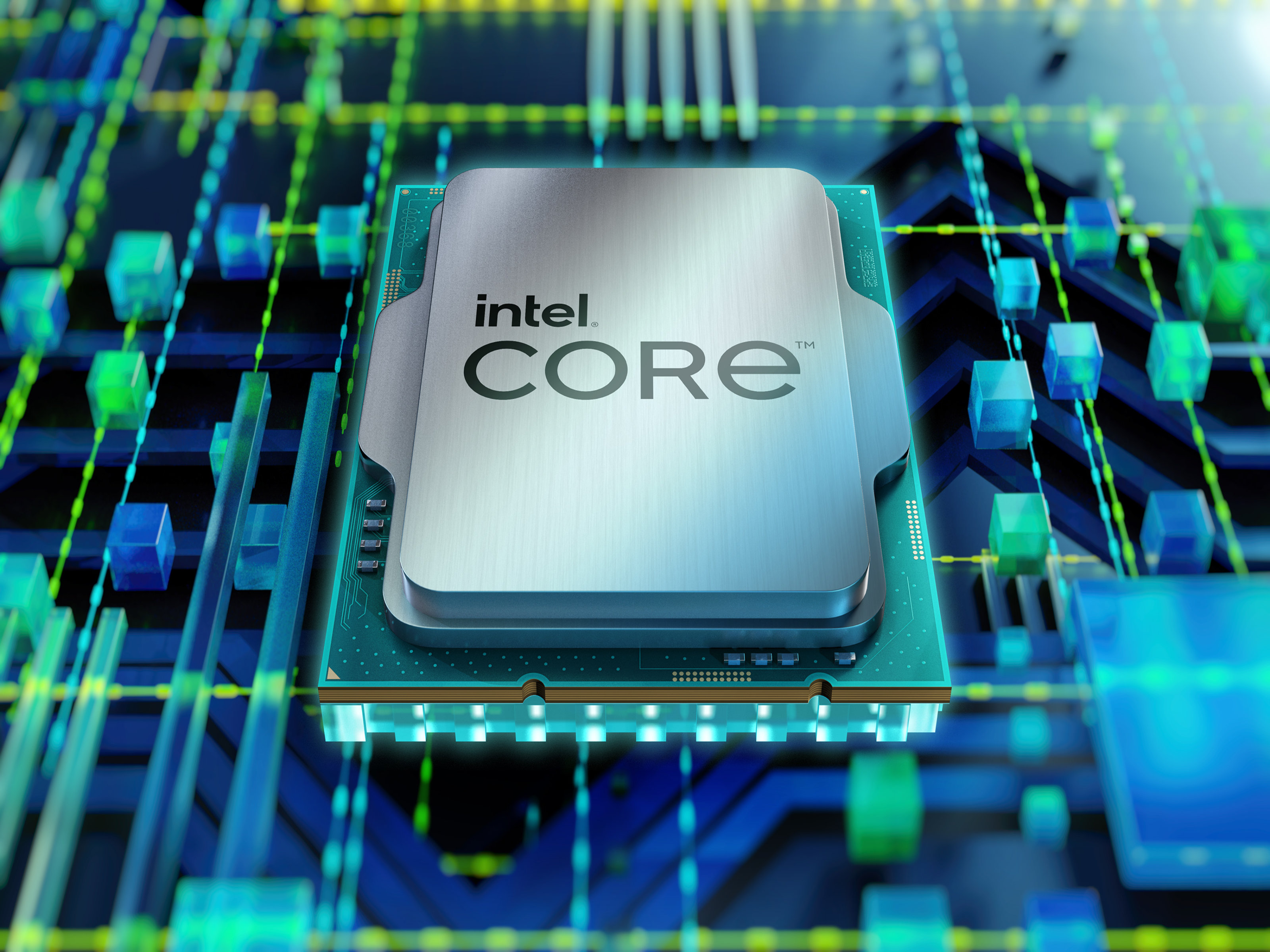
Intel had a tumultuous week, stirring both excitement and concern on Wall Street about the company’s future. The chipmaker, which has lost over half its value in the last two years, saw its stock rise 11%, its best week since November. The surge followed major announcements, including the separation of its manufacturing division from its core business of designing and selling processors.

The week culminated with reports that Qualcomm had approached Intel about a potential takeover, which could become one of the largest deals in tech history. While it remains unclear if Intel has engaged in any formal discussions with Qualcomm, both companies have declined to comment.

Intel’s CEO Pat Gelsinger, who has faced numerous challenges since taking over in 2021, has expressed his intention to maintain Intel’s independence. He insists that the company’s manufacturing and design divisions are “better together” but revealed a new governance structure for the foundry business. This move is aimed at attracting outside capital and reassuring investors of Intel’s commitment to serious changes as it embarks on a complex revival plan.

Intel is tasked with addressing two significant hurdles: investing over $100 billion through 2029 to build chip factories in four U.S. states, while also making inroads into the booming AI market, currently dominated by competitors like Nvidia. Gelsinger has made a bold bet on Intel’s foundry business, hoping that increased domestic manufacturing will appeal to U.S. chipmakers concerned about reliance on Taiwan Semiconductor Manufacturing Company (TSMC) and Samsung.

Despite these efforts, Intel’s core business of producing processors for PCs, laptops, and servers continues to struggle, losing market share to competitors like Advanced Micro Devices (AMD) and facing steep revenue declines. Intel’s client computing and data center divisions have both seen significant drops in revenue, while its AI initiatives have yet to make a substantial impact.

Picture background

The separation of the foundry business is seen as a way to attract more external customers, as many companies are hesitant to partner with Intel due to concerns about intellectual property. Despite landing Amazon as a customer for a networking chip, meaningful sales from external clients are not expected until 2027. Intel’s foundry efforts face stiff competition from TSMC, which currently manufactures chips for companies like Nvidia, Apple, and Qualcomm.

The U.S. government has emerged as Intel’s most significant supporter. The Biden administration awarded the company $8.5 billion under the CHIPS Act to bolster domestic chip production, with the possibility of an additional $11 billion in loans. This financial backing aims to reduce U.S. dependence on foreign semiconductor manufacturers. Intel has also secured $3 billion in funding to build chips for military and intelligence agencies in a classified program.

Even as Intel navigates these challenges, analysts remain skeptical about its long-term prospects. Gelsinger’s decision to maintain Intel as a unified entity could lead to a future spin-off of the foundry division, according to some market experts. JPMorgan Chase analysts have suggested that separating the two businesses could ultimately lead to a more favorable outcome for Intel in the coming years.

Despite this week’s developments, Intel still faces a steep road ahead. Its PC and server chip divisions continue to experience declining revenues, and the company is struggling to compete in the AI chip market, which Nvidia currently dominates. With Intel’s main businesses under pressure and its foundry ambitions years away from delivering results, investors are left wondering if the chipmaker can regain its former dominance or if more drastic measures are needed.


Quad Expands Maritime Security Cooperation at Biden’s Final Summit

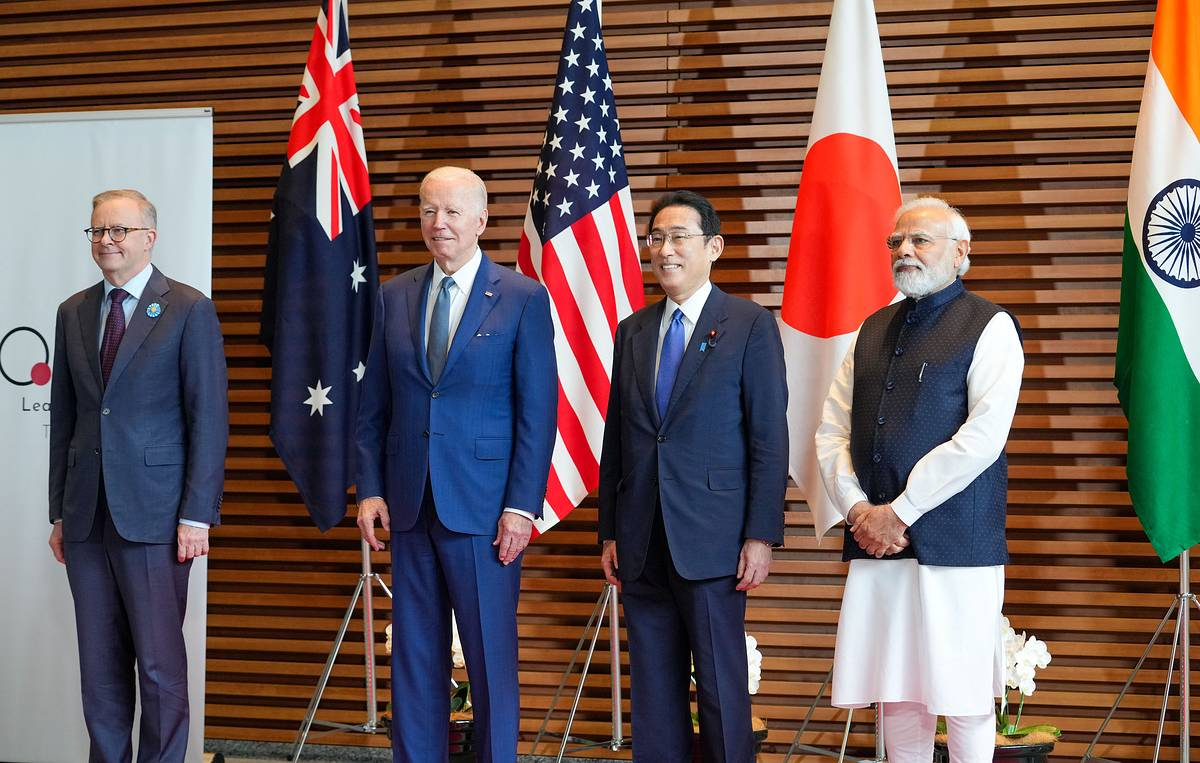
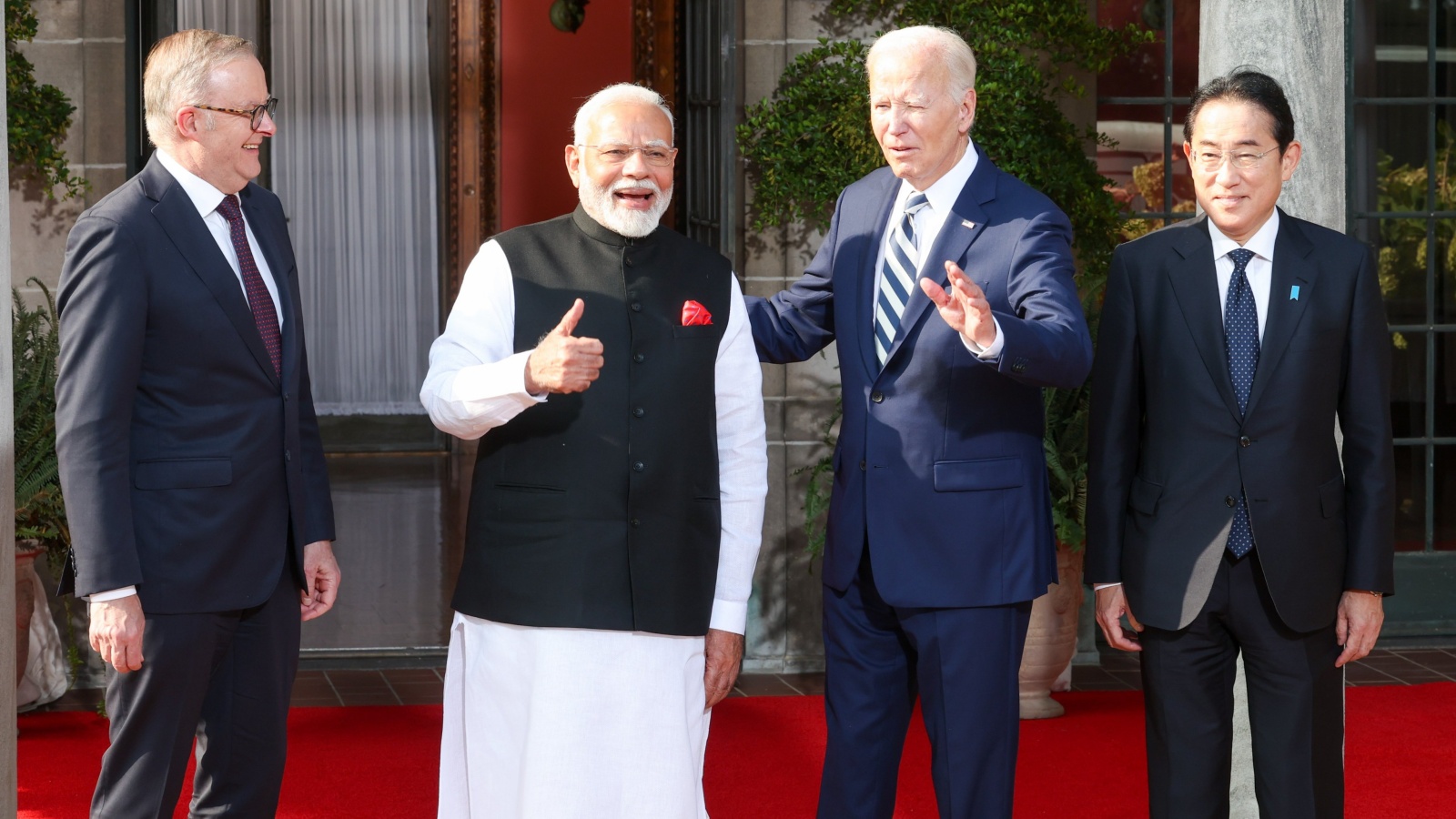
Leaders of the Quad nations—Australia, India, Japan, and the United States—strengthened joint security measures in the strategically vital Indo-Pacific region during U.S. President Joe Biden’s final summit as president. The meeting, held near Biden’s Delaware hometown on Saturday, focused on maritime cooperation, reflecting shared concerns over China’s assertiveness in Asia’s waters.

Biden, alongside Japanese Prime Minister Fumio Kishida, Indian Prime Minister Narendra Modi, and Australian Prime Minister Anthony Albanese, highlighted the importance of maintaining the Quad partnership, which he considers a key foreign policy success of his presidency. The group announced plans for joint coast guard operations next year, with Australian, Japanese, and Indian personnel set to work aboard a U.S. coast guard vessel. Enhanced military logistics cooperation was also discussed, although the exact locations of these operations were not specified.

The leaders plan to expand the Indo-Pacific Partnership for Maritime Domain Awareness, initially launched two years ago. This move signals a shift in the Quad’s focus toward security, a response to increasing concerns about China’s influence in the region. In their joint statement, the leaders condemned “coercive and intimidating maneuvers” in the South China Sea, although they avoided directly naming China. Analysts believe the Quad’s maritime initiatives send a clear message to Beijing, which views the Quad as an attempt to encircle China and increase regional tensions.

Picture background

Biden acknowledged that while China may be adjusting its tactics, its strategy remains unchanged, continuing to challenge the U.S. in the South and East China Seas and the Taiwan Strait. He suggested that Chinese President Xi Jinping is prioritizing domestic economic issues while seeking diplomatic space to advance China’s interests.

China claims nearly the entire South China Sea, overlapping with territories claimed by the Philippines, Brunei, Malaysia, and Vietnam, as well as contested areas in the East China Sea with Japan and Taiwan. The Quad leaders also took a firm stance on North Korea, condemning its missile launches and “malicious cyber activity,” while expressing concern over Russian support for North Korea.

In addition to security, the Quad is expanding its efforts in critical technologies, including an open radio access network, to benefit the Pacific Islands and Southeast Asia—regions where competition with China is intensifying. A new health initiative aimed at combating cervical cancer was also announced.

India, which has traditionally been cautious about military alliances, is reportedly becoming more open to Quad security cooperation in light of China’s recent maritime actions. Lisa Curtis, an Asia policy expert, suggested that India’s stance on the Quad’s military role could be evolving due to these increasing tensions.

Biden’s hosting of the summit is seen as part of an effort to institutionalize the Quad as a lasting framework, especially as leadership transitions approach in Japan, Australia, and the U.S. Asked about the Quad’s future, Biden confidently declared the group “here to stay.”

Australian Prime Minister Albanese praised the Quad’s joint coast guard initiative, emphasizing the importance of interoperability between the four nations. Before the summit, Albanese met with Biden at his home to discuss defense and security cooperation, particularly in the Indo-Pacific.

Since its elevation to a leader-level group in 2021 under Biden, the Quad has enjoyed bipartisan support in the U.S., exemplified by the formation of a congressional Quad Caucus ahead of the summit.