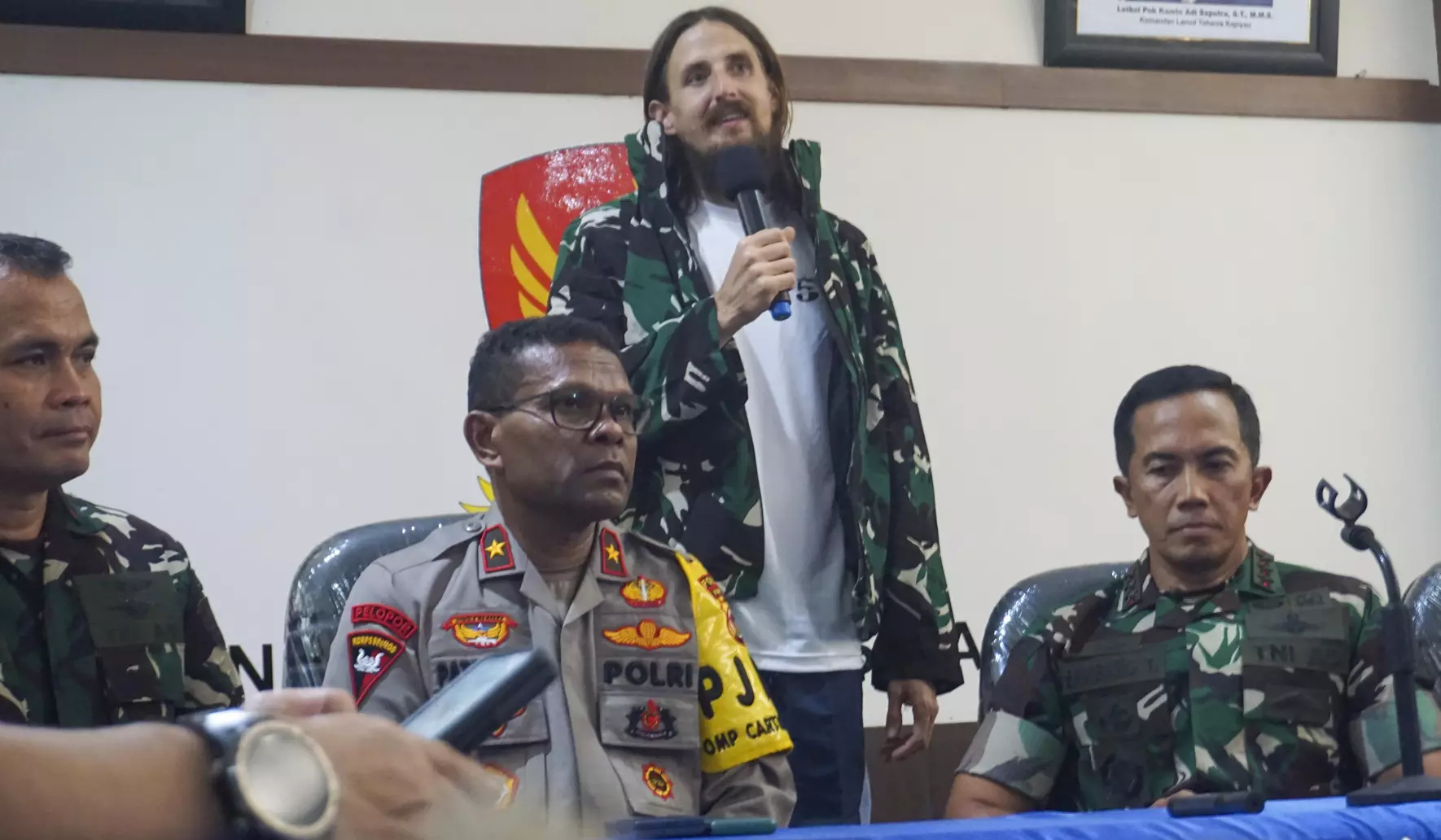
New Zealand Pilot Phillip Mehrtens Freed After 18 Months of Captivity in Indonesia’s Papua

Phillip Mehrtens, the New Zealand pilot kidnapped by an armed group in Indonesia’s Papua region, has been released after more than 18 months in captivity. New Zealand’s foreign minister announced Mehrtens’ freedom on Saturday, confirming that he is safe and in good health.

Mehrtens, who was taken hostage on February 7, 2023, by the West Papua National Liberation Army (TPNPB), expressed his relief and gratitude in a press conference in Timika, Indonesia. “I am very happy that shortly I will be able to go home and meet my family,” Mehrtens said, thanking everyone who contributed to his rescue.

The TPNPB had kidnapped Mehrtens to pressure New Zealand into lobbying for Papua’s independence from Indonesia, a demand that seemed highly unlikely to be met. The armed group, which the Indonesian government classifies as a terrorist organization, has previously used hostages to advance its pro-independence cause.

New Zealand’s foreign minister, Winston Peters, expressed his relief in a statement, noting that a coordinated effort by New Zealand’s government and officials in Indonesia had led to Mehrtens’ safe release.

The West Papua region, which was annexed by Indonesia following a disputed 1969 referendum, has seen ongoing conflict between Indonesian authorities and separatist groups seeking independence. During his captivity, Mehrtens appeared in several proof-of-life videos, showing him in deteriorating condition, often surrounded by armed fighters.
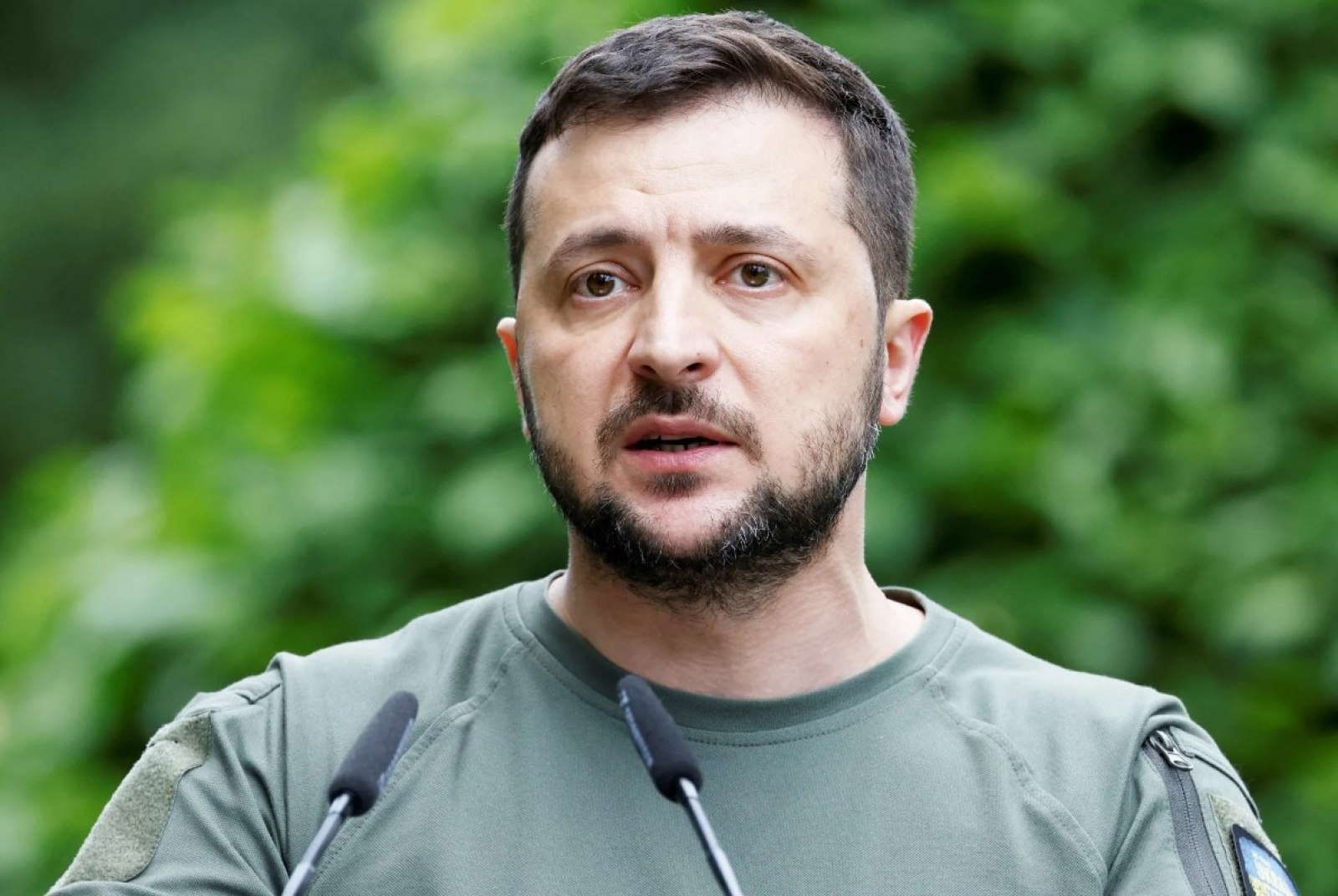

 

Zelensky Pushes Long-Range Weapons as Key to Ukraine’s ‘Victory Plan’ Ahead of US Visit

As Ukrainian President Volodymyr Zelensky prepares for his upcoming visit to the United States, he emphasized the critical role that long-range weapons will play in Ukraine’s strategy for defeating Russia. Zelensky revealed that his “victory plan,” which he intends to present to U.S. officials, includes the ability to strike targets inside Russia. However, despite progress, Ukraine has yet to receive permission from allies like the U.S. and the U.K. to use such weapons within Russian territory.

Zelensky acknowledged that Ukraine does have some long-range weapons but not in sufficient quantities. He attributed the allies’ reluctance to authorize strikes inside Russia to concerns over potential escalation. He stated that while President Joe Biden is being advised on escalation risks, not all of his advisors share this fear, which Zelensky views as a positive development.

Next week, Zelensky hopes to further convince Biden and other U.S. officials of the importance of loosening restrictions on long-range missile use. He mentioned that previous difficult discussions with Biden had led to shifts in policy and remained hopeful that his arguments would be well-received during this visit. In addition to meeting President Biden, Zelensky plans to consult with Vice President Kamala Harris and former President Donald Trump, who has been vague about his stance on the war in Ukraine.

During his U.S. visit, Zelensky is expected to address the United Nations General Assembly in New York and make a stop at the Scranton Army Ammunition Plant in Pennsylvania. The facility produces the 155mm artillery shells vital to Ukraine’s defense efforts against Russia.

Meanwhile, Ukrainian forces continue their push to degrade Russian military infrastructure. Ukrainian officials reported on Saturday that two major ammunition depots were struck in Russia’s Krasnodar and Tver regions. These strikes, carried out in coordination with Ukraine’s Security Service (SBU), targeted key logistics facilities, including a large base storing Iskander and Tochka-U tactical missile systems. The attacks mark a continued effort by Ukraine to weaken Russia’s artillery capabilities. However, Russian authorities have not confirmed the strikes.

Zelensky’s visit and his focus on securing more military aid come as Ukraine intensifies its counteroffensive, targeting Russian supply lines and ammunition storage facilities, aiming to shift the balance in the war.

How ‘Bachelor’ Star Mari Pepin Turned Reality TV Fame into a Lucrative Side Gig as an Influencer

Mari Pepin, a 28-year-old former contestant on The Bachelor and Bachelor in Paradise, has successfully transformed her reality TV fame into a profitable influencer career. While The Bachelor may promise love, Pepin discovered business opportunities as well, walking away from the show not only with Kenny Braasch’s final rose but also an Instagram following that skyrocketed from 50,000 to over 300,000. This surge in followers opened the door to lucrative influencer deals, generating a new revenue stream for the newly married couple.

Soon after her appearance on Bachelor in Paradise, Pepin started receiving substantial offers from major brands, including Loreal, Factor meal delivery, Ruffino wine, and Mermaid hair products. She promotes products by testing them out and then posting about her experiences on social media. Her husband, Kenny Braasch, also collaborates with her on promotions and has his own partnerships with companies like Apothic wine and BetUS, further boosting their combined income.

According to a report from Influencer Marketing Hub, brands increasingly rely on influencers for product promotion, either offering them free products or paying a fee for promotional posts. For influencers like Pepin, who earn fees or commissions through affiliate sales, this strategy has proven to be an effective way to build a brand.

For many reality TV stars, becoming an influencer is a popular side hustle, with low entry barriers. A 2023 NeoReach survey of content creators found that influencers can make between $2,500 and $5,000 per month, depending on their follower count and platform. Pepin has made as much as $12,500 for a single post and earned more than $50,000 last year alone. However, she notes that influencer income can fluctuate dramatically, creating financial uncertainty.

Social media expert Casey Lewis points out that larger followings can lead to significant earnings, but many influencers only make supplemental income, with most earning less than $15,000 annually. Despite this, influencing remains a highly desirable career path for younger generations, with 57% of Gen Zers expressing interest in becoming influencers.

Pepin acknowledges the fleeting nature of reality TV fame and stresses the importance of capitalizing on opportunities while they last. Though she has a full-time job as a social media marketing manager, her influencer work has become a profitable side gig. “The influencer stuff is just kind of extra,” Pepin says, recognizing that while it may not be consistent, it offers exciting prospects for additional income.