Exclusive: Iran Delivered Missiles to Russia Without Launchers, Sources Say
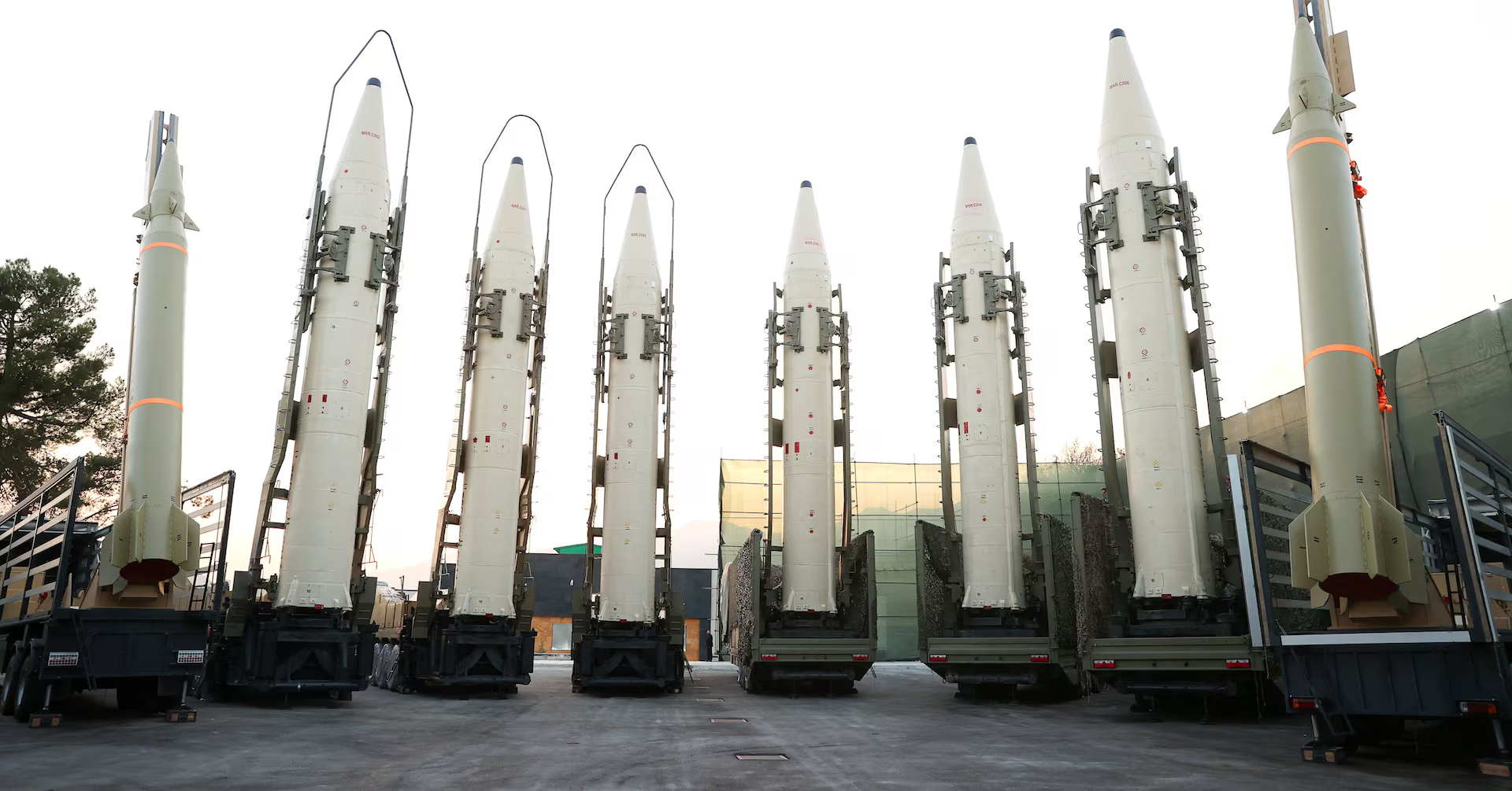
Iran has supplied close-range ballistic missiles to Russia, according to sources, but notably withheld mobile launchers, creating uncertainty about when these missiles will be operational. This development follows last week’s U.S. accusation that Tehran provided Moscow with Fath-360 missiles for use in the war against Ukraine.
Three officials—a European diplomat, a European intelligence official, and a U.S. official—confirmed Iran’s delivery of the missiles but emphasized that no launchers accompanied them. The reasons for this are unclear, but experts have suggested multiple possibilities. Some believe Russia may modify civilian trucks to launch the missiles, similar to what Iran has done. Others speculate Iran’s decision could be a diplomatic maneuver, leaving room for potential negotiations with Western powers to ease tensions.
Iran denies providing missiles or drones to Russia, despite accusations from Ukraine and the West that these weapons are being used to target military and civilian infrastructure. U.S. Secretary of State Antony Blinken stated that the Fath-360 missiles were delivered and would likely be used in Ukraine soon. The missile, which can travel at speeds four times the speed of sound and has a range of up to 75 miles, poses a significant threat to Ukraine, particularly as it continues to adapt its air defenses to Russian innovations.
The absence of launchers complicates matters for Russia, as ballistic missiles require specially designed launchers to be fired. Some analysts suggest that Russia could modify its military-grade vehicles to serve this purpose. Iran has previously used modified civilian trucks, but these may not be suitable for Ukraine’s harsh winter conditions.
The delivery of these missiles comes amid increasing sanctions on Iran by the United States and its European allies. New sanctions target Iran’s aviation sector, among other areas, and further measures are being considered by the European Union.
Meanwhile, Iran’s new president, Masoud Pezeshkian, is expected to engage in diplomatic talks with European officials during the U.N. General Assembly, where issues related to Iran’s missile deliveries, nuclear program, and regional tensions are likely to be discussed. Analysts speculate that Iran’s withholding of the missile launchers could be a tactical move ahead of these talks to avoid further condemnation.
Despite the potential for diplomacy, experts are skeptical about any significant breakthroughs, given Iran’s history of maintaining its stance on key issues.