
Schoolboy, 10, Fatally Stabbed in Southern China Near Japanese School

A 10-year-old boy was tragically killed in a stabbing attack while on his way to a Japanese school in Shenzhen, southern China, on Wednesday. The boy was attacked approximately 200 meters from the school’s gates by a 44-year-old man, who was apprehended at the scene and taken into custody.

Both Japanese and Chinese authorities have not confirmed the nationality of the victim, though Japanese nationality is typically required for enrollment at the Shenzhen Japanese School. Japan’s Foreign Minister, Yoko Kamikawa, expressed deep sorrow over the incident, calling it a “despicable act” and emphasizing Japan’s demand for increased security for Japanese nationals in China.

The attack occurred on a significant historical date, the anniversary of the “918” incident, which marked the start of Japan’s invasion of China in 1931. This date is often remembered in China as a time of national humiliation, and anti-Japanese sentiment has been on the rise, partially fueled by state media and nationalist rhetoric.

This incident is the second knife attack near a Japanese school in China in recent months. In June, a Chinese man wounded a Japanese mother and her child in a stabbing near a school in Suzhou, eastern China. Despite these recent attacks, Chinese authorities have labeled them as isolated incidents and have not specified motives.

The frequency of such attacks has raised concerns, especially after another high-profile stabbing two weeks prior to the Suzhou attack, in which four American instructors were stabbed in a public park in Jilin province. China’s foreign ministry assured the public that effective measures are being taken to protect the safety of foreigners in the country.
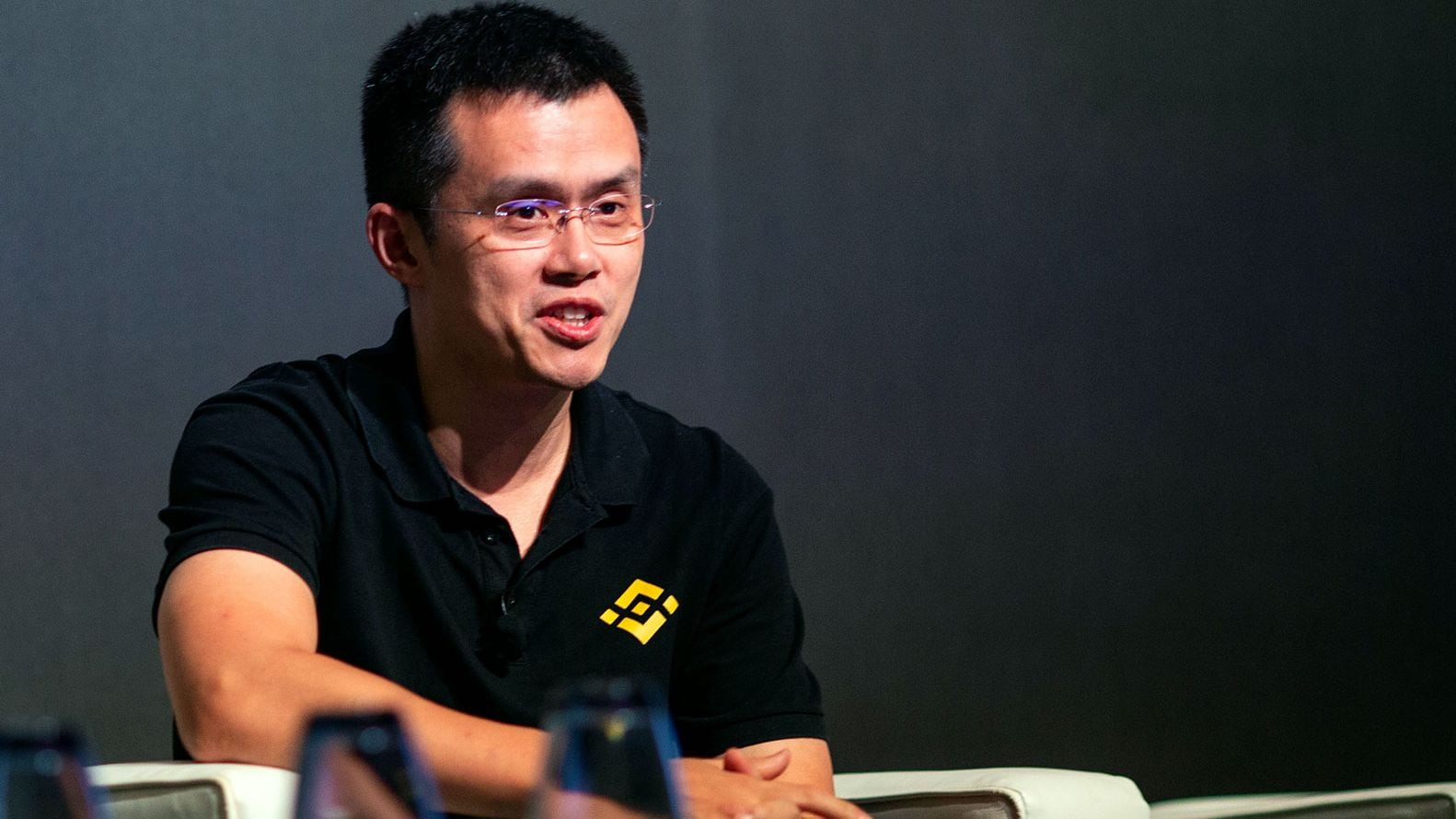
Binance CEO Reports 40% Growth in Institutional and Corporate Investors in 2024

Binance CEO Richard Teng announced that the cryptocurrency exchange has experienced a 40% rise in institutional and corporate investors this year. Speaking at the Token2049 conference in Singapore, Teng highlighted the growing interest from large financial players, stating that this marks the beginning of a larger wave of institutional investment in cryptocurrencies like Bitcoin and Ether.

“Allocation into crypto by institutions is just at the tip of the iceberg,” Teng remarked, noting that many firms are still conducting due diligence before fully entering the space. He emphasized that Binance has seen a significant increase in onboarding from corporate and institutional clients, although he did not disclose specific companies involved.

This growth comes despite Binance’s recent legal challenges, including a $4.3 billion settlement with U.S. regulators that led to the departure of co-founder and former CEO Changpeng Zhao. Zhao remains a major shareholder, while Teng has steered Binance through a transition to a board-led structure, something he believes regulators find more acceptable.

Teng, who became CEO in November 2023, previously served as CEO of Binance Singapore and held senior roles at the Financial Services Regulatory Authority of Abu Dhabi and the Singapore Exchange. He noted that the increasing regulatory clarity in markets like the U.S. has contributed to institutional interest. The approval of exchange-traded funds (ETFs) for Bitcoin and Ether has also added legitimacy to the sector, according to Teng.

Bitcoin’s price surge earlier this year, reaching over $70,000 in March, was partially attributed to increased institutional involvement, with figures like BlackRock CEO Larry Fink referring to Bitcoin as “digital gold.” Traditional investment firms such as Franklin Templeton and BlackRock have issued ETFs for Bitcoin and Ether, further driving mainstream adoption.

Franklin Templeton CEO Jenny Johnson, speaking earlier this year, predicted that a second wave of larger institutional investors would soon enter the market, building on the momentum of early adopters. Teng, meanwhile, highlighted the cyclical nature of cryptocurrency markets, noting that prices typically rise about 160 days after Bitcoin undergoes a “halving” event. With the next such event just days away, Teng hinted that the market could soon see another price boost.


What UniCredit’s Acquisition of Commerzbank Could Mean for the Banking Sector

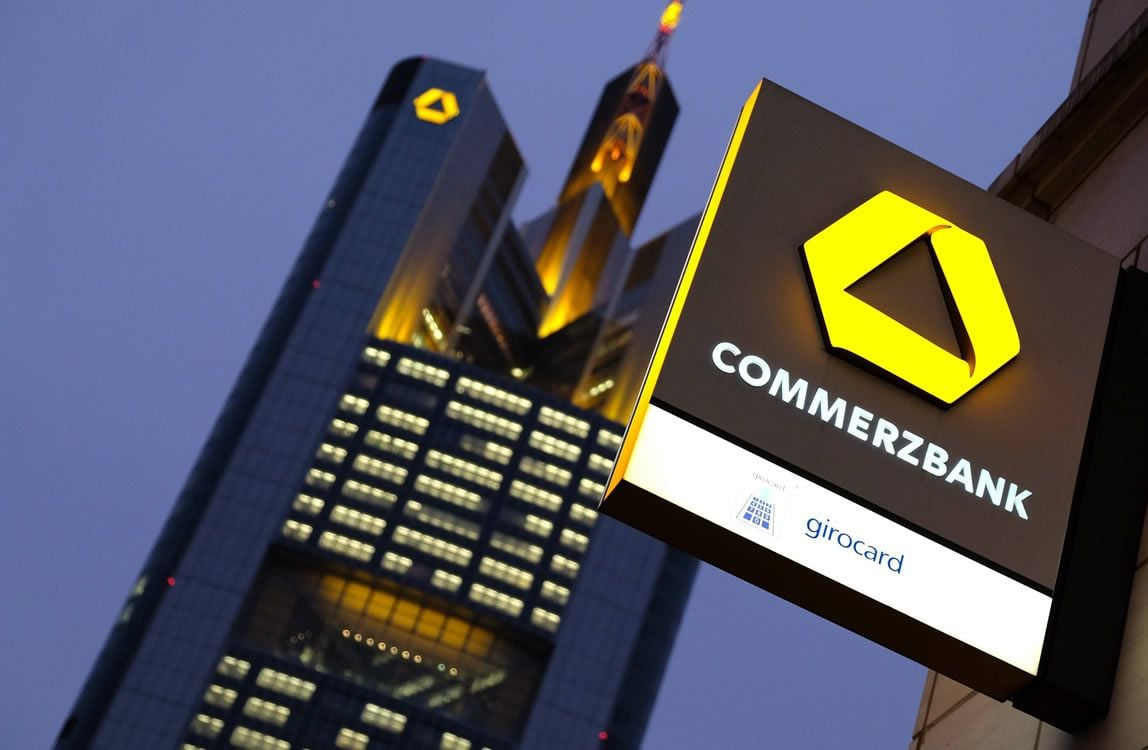
UniCredit’s recent acquisition of a 9% stake in German lender Commerzbank has sparked discussions about a potential cross-border merger and its broader implications for the European banking industry. UniCredit CEO Andrea Orcel has signaled interest in further expanding the Italian bank’s presence in Germany, either through more acquisitions or a merger with Commerzbank, although the German lender has been cautious in its response.

The move comes after the German government, which owns a significant stake in Commerzbank following a bailout during the 2008 financial crisis, sold part of its shares to UniCredit. The market reacted positively, with Commerzbank shares surging 20% after the announcement. Analysts have noted that this acquisition could encourage further consolidation in the fragmented European banking sector, which has lagged behind the U.S. in terms of mergers due to regulatory and structural barriers.

Investors see the deal as a strategic fit for UniCredit, given the geographical and financial synergies between the two banks. Commerzbank operates in both Germany and Poland, markets where UniCredit is keen to expand. Analysts from UBS believe that the acquisition is collaborative, giving Commerzbank the upper hand in determining the next steps.

A merger could enhance UniCredit’s market share, especially as Commerzbank’s current low valuation presents a timely opportunity for expansion. However, while there is strategic merit in the merger, some experts warn that immediate financial gains might be limited due to potential risks associated with cross-border deals.

From a sector-wide perspective, UniCredit’s stake in Commerzbank could pave the way for more cross-border consolidation in Europe, a move that many regulators, including French President Emmanuel Macron, have advocated. Germany’s fragmented banking sector, which still accounts for nearly half of the euro zone’s banks, could particularly benefit from consolidation efforts. However, regulatory challenges remain a major obstacle to such deals.

Despite Deutsche Bank’s past interest in acquiring Commerzbank, analysts believe it is unlikely to make a counteroffer, as its financial position is weaker than UniCredit’s. Deutsche Bank may instead pursue other acquisition targets, such as ABN Amro in the Netherlands.

As the banking sector awaits further developments, Commerzbank’s supervisory board is expected to meet to discuss UniCredit’s stake. Commerzbank CEO Manfred Knof, who recently announced he would not extend his contract beyond 2025, will be key to determining the bank’s response to UniCredit’s advances.