
Billionaire Tech CEO Urges Transparency About AI’s Job Impact

Corporate leaders need to be transparent with employees about how artificial intelligence (AI) will reshape the workforce, says billionaire Jim Kavanaugh, CEO of World Wide Technology (WWT). Speaking to CNBC, Kavanaugh emphasized that it’s unrealistic to downplay AI’s transformative effects on job markets. “People are too smart to believe that nothing will change,” he noted, adding that any suggestion AI won’t affect job roles or eliminate some positions is “BS.”

Kavanaugh, whose company specializes in tech solutions like cloud computing and AI, stated that leaders must be honest, even though the full impact of AI remains uncertain. He advised business leaders to remain optimistic and focus on learning about AI, as its potential to increase productivity could outweigh disruptions. While acknowledging that AI will displace certain jobs, Kavanaugh believes it will primarily act as an “enhancer and accelerator” in most sectors.

The tech billionaire’s view echoes a broader debate: is AI a job creator or destroyer? According to a Goldman Sachs study, 300 million jobs could be automated worldwide, with up to two-thirds of current jobs in the U.S. and Europe exposed to AI automation. AI industry leaders like Clara Shih of Salesforce suggest that while some jobs will disappear, AI will also generate new roles, as seen in previous technological revolutions like the rise of the internet.

AI’s job-disrupting effects are already being felt. For instance, Klarna, a Swedish fintech company, cut its workforce by 24% in just one year due to AI-driven efficiencies. However, Kavanaugh believes this is a temporary challenge. “Most jobs aren’t going away, but they will require a new job description,” he said, urging companies to embrace AI rather than resist it.
 

Global Operation Dismantles ‘Ghost’ Cybercrime Platform, 51 Arrested

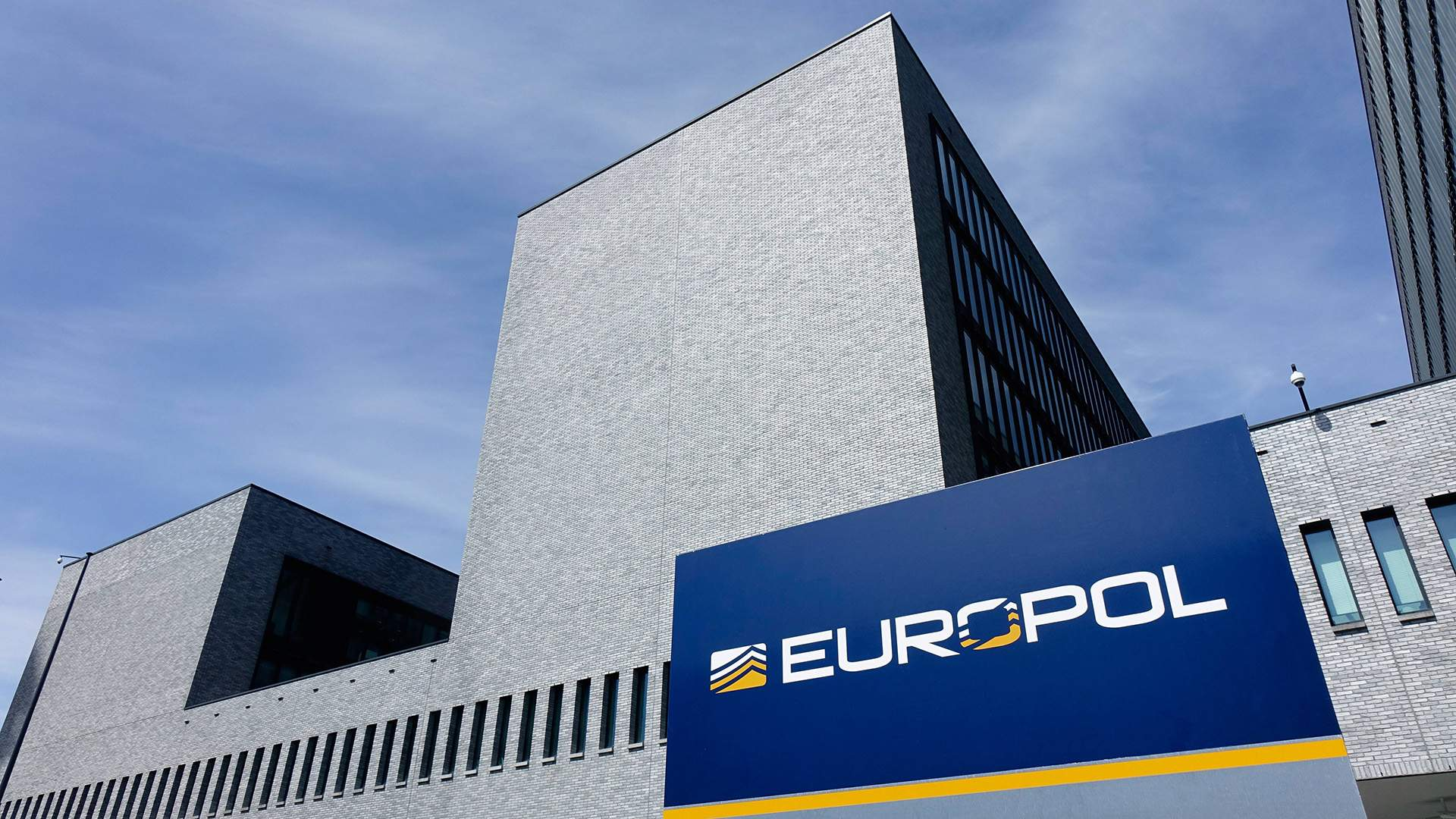
An international law enforcement operation has successfully taken down the encrypted communication platform, Ghost, which was widely used by criminal organizations for large-scale drug trafficking and money laundering, Europol announced on Wednesday. The operation led to the arrest of 51 suspects from various countries, and officials expect additional arrests in the coming days.

The Ghost platform had become notorious among organized crime networks due to its advanced security features, which made it a preferred tool for illegal activities. Europol hailed the platform’s dismantling as a major victory in the global fight against organized crime. “This was truly a global game of cat and mouse, and today, the game is up,” said Jean-Philippe Lecouffe, Europol’s Deputy Executive Director.

The extensive operation also prevented multiple threats to life, dismantled a drug production lab in Australia, and resulted in the global seizure of weapons, drugs, and over €1 million in cash. Catherine De Bolle, Europol’s Executive Director, described Ghost as “a lifeline for serious organized crime,” and emphasized that the operation demonstrated that no criminal network is beyond the reach of international law enforcement.

Authorities from Australia, Canada, France, Iceland, Ireland, Italy, the Netherlands, Sweden, and the United States collaborated in this operation, highlighting the global commitment to combat organized crime. As investigations continue, more illegal activities are expected to be disrupted in the coming weeks.


US Missile System Remains in Philippines Amid Rising China Tensions

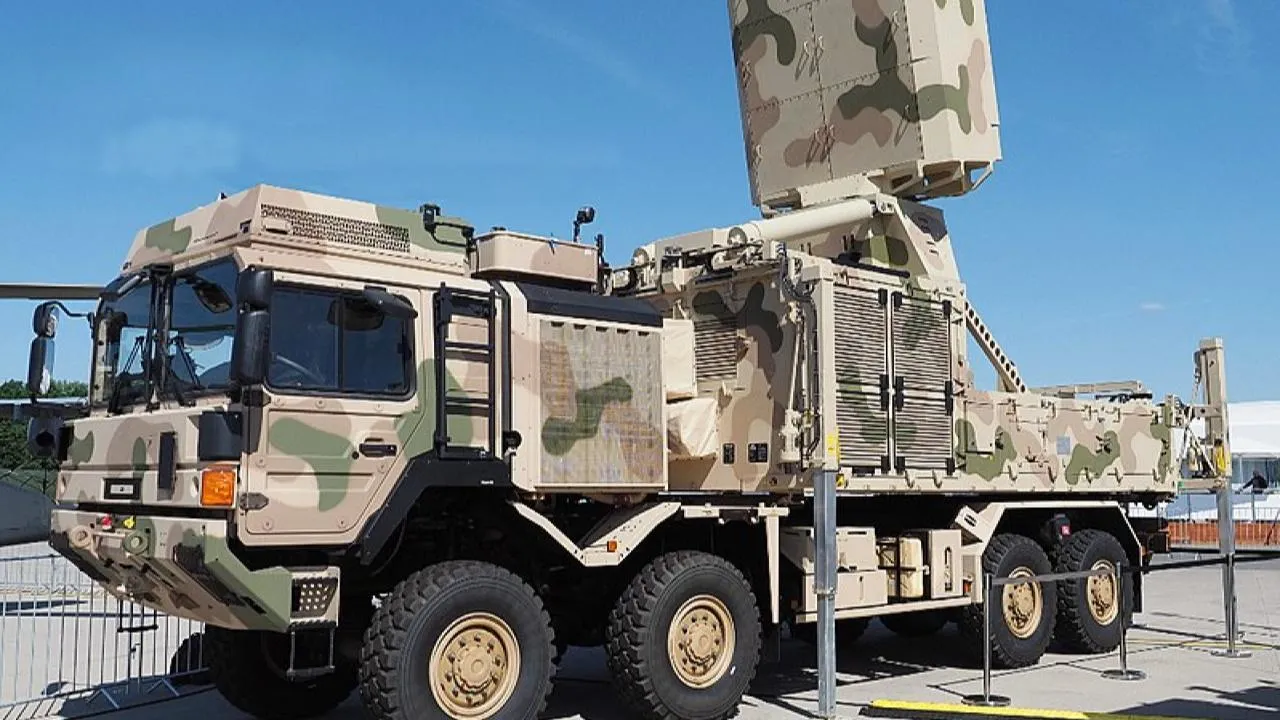
The United States has decided to maintain its mid-range Typhon missile system in the Philippines, despite protests from China. The missile system, capable of launching cruise missiles with a range exceeding 1,600 km, was initially deployed earlier this year for joint military exercises between the U.S. and the Philippines. While the exercises have concluded, U.S. officials, in coordination with the Philippine military, continue to test the system’s feasibility for future conflict scenarios, particularly in the Indo-Pacific region.

The Typhon missile system remains stationed in the northern Luzon region, strategically located near the South China Sea and the Taiwan Strait. This area has been the scene of increasing confrontations between China and the Philippines over disputed maritime territories. U.S. and Filipino forces have continued training with the missile system, and there are no immediate plans to remove it, according to multiple sources familiar with the matter.

The deployment has stirred tensions with China and Russia, with both countries condemning the move as an escalation of military tensions in the region. China has accused the U.S. and the Philippines of fueling an arms race, while Russia has referenced the deployment as justification for resuming production of nuclear-capable missiles. Despite these criticisms, Philippine officials, including Foreign Affairs Secretary Enrique Manalo, have assured China that the missile system does not pose a threat to regional stability.

Strategically, the U.S. sees the Philippines as a crucial partner in the Indo-Pacific, particularly in the event of a Chinese attack on Taiwan. The missile system, which is modular and mobile, provides a significant defensive capability that could be swiftly deployed if necessary. For Manila, the presence of the Typhon missile system serves as a deterrent to Chinese aggression in the South China Sea, where Beijing has fully militarized several islands despite a 2016 international ruling favoring the Philippines.

This move comes as part of the U.S. military’s broader efforts to increase its anti-ship capabilities in the region. The U.S. plans to acquire more than 800 SM-6 missiles in the coming years, and thousands of Tomahawks are already in its arsenal. With China maintaining a significant missile lead in the region, the U.S. is working to close the gap through deployments like the Typhon system in the Philippines, a development likely to keep tensions high in the Indo-Pacific.