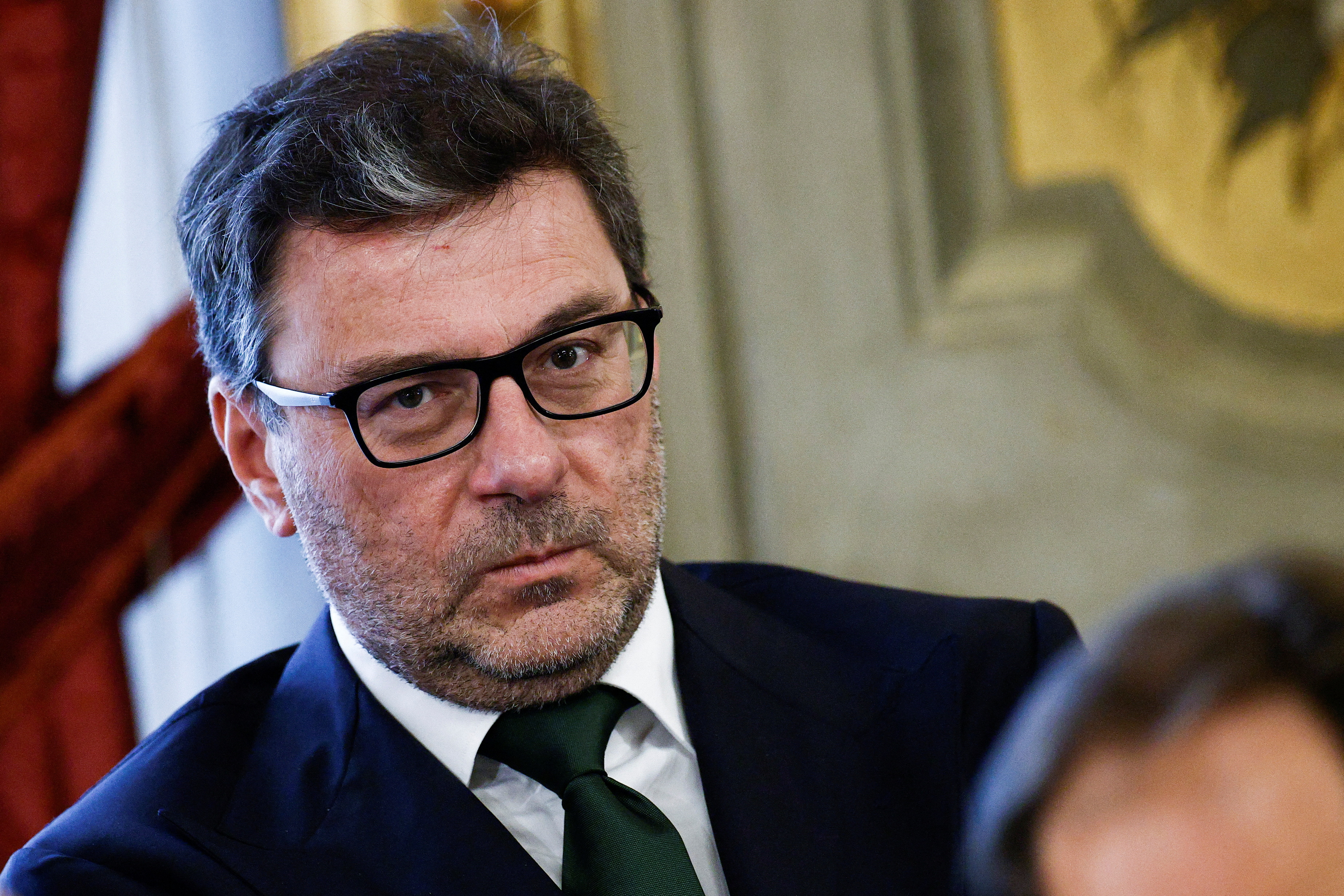
Italy’s Deputy PM Salvini Faces Jail Over Blocking Migrant Boat

Italian prosecutors are pushing for a six-year prison sentence for Deputy Prime Minister Matteo Salvini over his decision to prevent a migrant boat from docking in August 2019. At that time, Salvini, who served as interior minister, blocked the Open Arms charity ship carrying 147 migrants from reaching the island of Lampedusa for nearly three weeks before a court intervened.

Salvini faces charges of kidnapping and dereliction of duty, which he denies. He defends his actions, stating his aim was to prevent Italy from becoming a “refugee camp for all of Europe.” He publicly declared himself “guilty of defending Italy and Italians.”

The Open Arms vessel had rescued migrants near the Libyan coast and attempted to dock in Lampedusa, an island that has seen numerous migrant landings in recent years. Salvini’s “closed ports” policy, which he enforced as part of his interior ministry role, was designed to deter people smuggling operations by limiting access to Italian ports.

During the trial, crewmembers testified that conditions aboard the ship worsened, with deteriorating health and sanitation, including an outbreak of scabies. Prosecutor Geri Ferrara emphasized that, under Italy’s democratic system, “human rights must prevail over the protection of state sovereignty.” Salvini, however, maintained that he did not believe the ship’s situation was critical.

A verdict is expected next month. If convicted, Salvini could face six years in prison and be barred from holding public office. Despite the legal challenges, Salvini remains defiant. He took to social media to assert that “defending Italy is not a crime” and praised his government’s efforts, which he claimed led to reduced migrant landings and deaths in the Mediterranean.

Prime Minister Giorgia Meloni expressed her solidarity with Salvini, denouncing the charges as an alarming precedent. She argued that no Italian minister should be prosecuted for carrying out their duties to protect national borders.
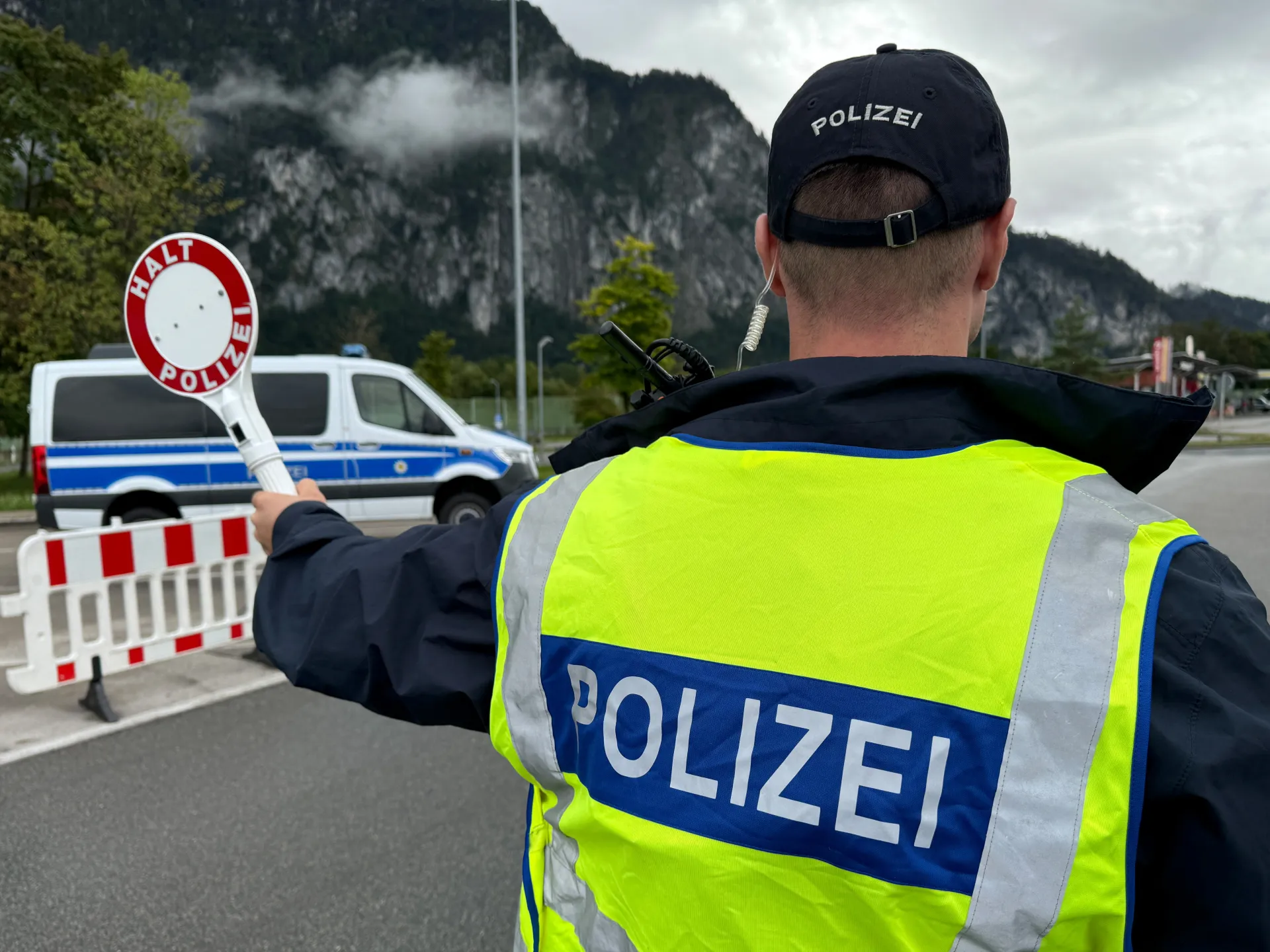
 

Germany Tightens Migration Controls, Stirring Tensions in Europe

Germany has initiated new controls at all its land borders as part of an intensified crackdown on migration, significantly affecting the Schengen Zone’s free movement. Starting Monday, border controls have been expanded beyond existing checks with Austria, Switzerland, the Czech Republic, and Poland to now include France, Luxembourg, the Netherlands, Belgium, and Denmark. The German Interior Ministry has confirmed that these restrictions, allowing the rejection of individuals at all land borders, will initially last for six months.

The shift underscores Germany’s evolving stance on migration, which has toughened significantly since the country welcomed over one million refugees during the 2015-2016 migrant crisis under former Chancellor Angela Merkel. With a surge in far-right opposition, Germany, like other European nations, is tightening its rules on migration, facing increasing domestic pressure to act.

The move follows Germany’s recent agreement with Kenya, which will allow skilled and semi-skilled Kenyan workers to migrate to Germany. Interior Minister Nancy Faeser emphasized that the new rules are necessary to “strengthen internal security” and combat threats from Islamist terrorism and cross-border crime.

However, this decision has sparked criticism from Germany’s European neighbors and raised concerns over the future of Schengen Zone unity. Poland’s Prime Minister Donald Tusk called the new border controls “unacceptable,” while Austria and Greece have stated that they will not accept migrants rejected by Germany. The German Council for Migration warned that the policy could violate EU law, describing it as “populism” in migration policy.

Chancellor Olaf Scholz’s government faces increasing pressure to address the rise in uncontrolled immigration, especially following a fatal terror attack in Solingen, where a Syrian man with alleged ties to ISIS was involved. The crackdown reflects an effort to counter the growing influence of Germany’s far-right party, Alternative for Germany (AfD), known for its anti-immigrant stance.


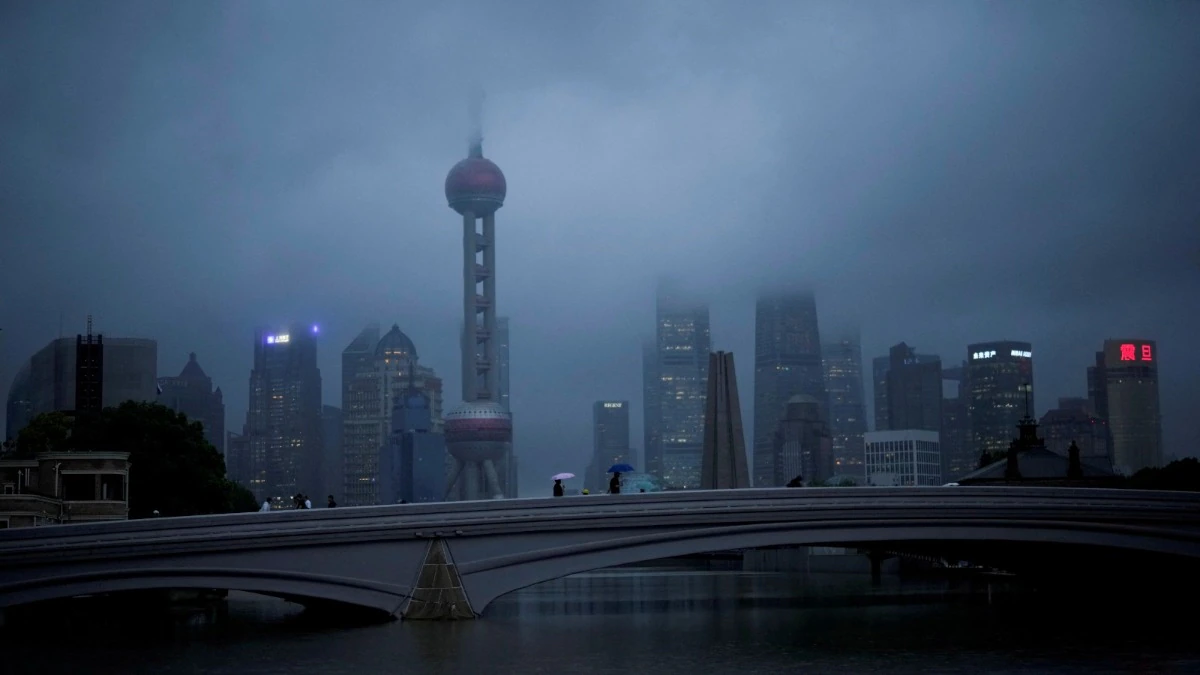
Typhoon Bebinca Paralyzes Shanghai, Strongest Storm to Hit in 70 Years

Typhoon Bebinca slammed into Shanghai on Monday, bringing the bustling metropolis of 25 million to a halt. Authorities reported that it was the strongest typhoon to directly strike the city in over seven decades, with wind speeds reaching 130 kilometers per hour (80 mph), equivalent to a Category 1 hurricane. The storm made landfall in an industrial suburb southeast of Shanghai around 7:30 a.m. local time, causing widespread travel disruptions during China’s Mid-Autumn Festival, a major three-day holiday.

Chinese state media confirmed that Bebinca is the most powerful storm to hit Shanghai since 1949. The China Meteorological Administration issued a red typhoon alert, its highest warning level, predicting strong winds and heavy rainfall across eastern China. The storm’s impact has been far-reaching, with all flights at Shanghai’s two major international airports canceled since Sunday night. Train and ferry services were largely suspended, and several highways and bridges in the area were shut down for safety.

The storm has also affected the city’s tourism sector, with popular destinations, including Shanghai Disney Resort, closing their doors on Monday. The timing of the typhoon, coinciding with the Mid-Autumn Festival, has upended holiday plans for many travelers, stranding them during what is normally a festive period.