UN Refugee Agency: 25% of Lebanon Under Israeli Evacuation Orders Amid Conflict

The United Nations refugee agency (UNHCR) has reported that over a quarter of Lebanon is now affected by Israeli evacuation orders as the conflict between Israel and the Iran-backed militant group Hezbollah intensifies. This development comes amid Israel’s ongoing military campaign against Hezbollah, which has included ground incursions into southern Lebanon and airstrikes targeting key Hezbollah infrastructure. The U.N. expressed concerns about the growing humanitarian crisis as civilians continue to flee with minimal belongings.

According to Rema Jamous Imseis, the UNHCR’s Middle East Director, the latest evacuation orders have forced residents of 20 more villages in southern Lebanon to flee. This adds to the 1.2 million displaced people since the escalation of Israeli operations last year. Israeli military actions have resulted in the deaths of over 2,309 people, most of whom have been killed since Israel expanded its campaign in late September. The Lebanese government has not distinguished between civilian and combatant casualties in its reporting. Meanwhile, Israel reports that 50 Israelis, both soldiers and civilians, have been killed during this period, with Hezbollah rocket attacks forcing tens of thousands of northern Israeli residents to evacuate their homes.

In a tragic escalation, an Israeli airstrike on a house in northern Lebanon’s Christian-majority town of Aitou killed 22 people, including 12 women and two children, many of whom were displaced civilians seeking shelter from the bombardment. The U.N. Human Rights Office raised concerns regarding International Humanitarian Law (IHL), calling for an investigation into the attack.

In response to this increasing humanitarian toll, U.N. peacekeepers stationed in southern Lebanon have also come under fire during clashes between Israeli forces and Hezbollah. The U.N. Security Council has expressed concern over the safety of peacekeepers following several strikes on their bases.

Israeli Prime Minister Benjamin Netanyahu vowed to continue military operations “without mercy” across Lebanon, including Beirut, following a Hezbollah drone attack that killed four Israeli soldiers. The conflict, which resumed a year ago in conjunction with the Gaza war, has fueled broader regional tensions. As the conflict escalates, Qatar’s emir has accused Israel of exploiting international inaction to expand its aggression to Lebanon and the West Bank.

The broader Middle East remains on high alert for potential Israeli retaliation against Iran, following Iranian missile strikes on October 1, as regional powers and international mediators continue to work toward a resolution of the crisis.
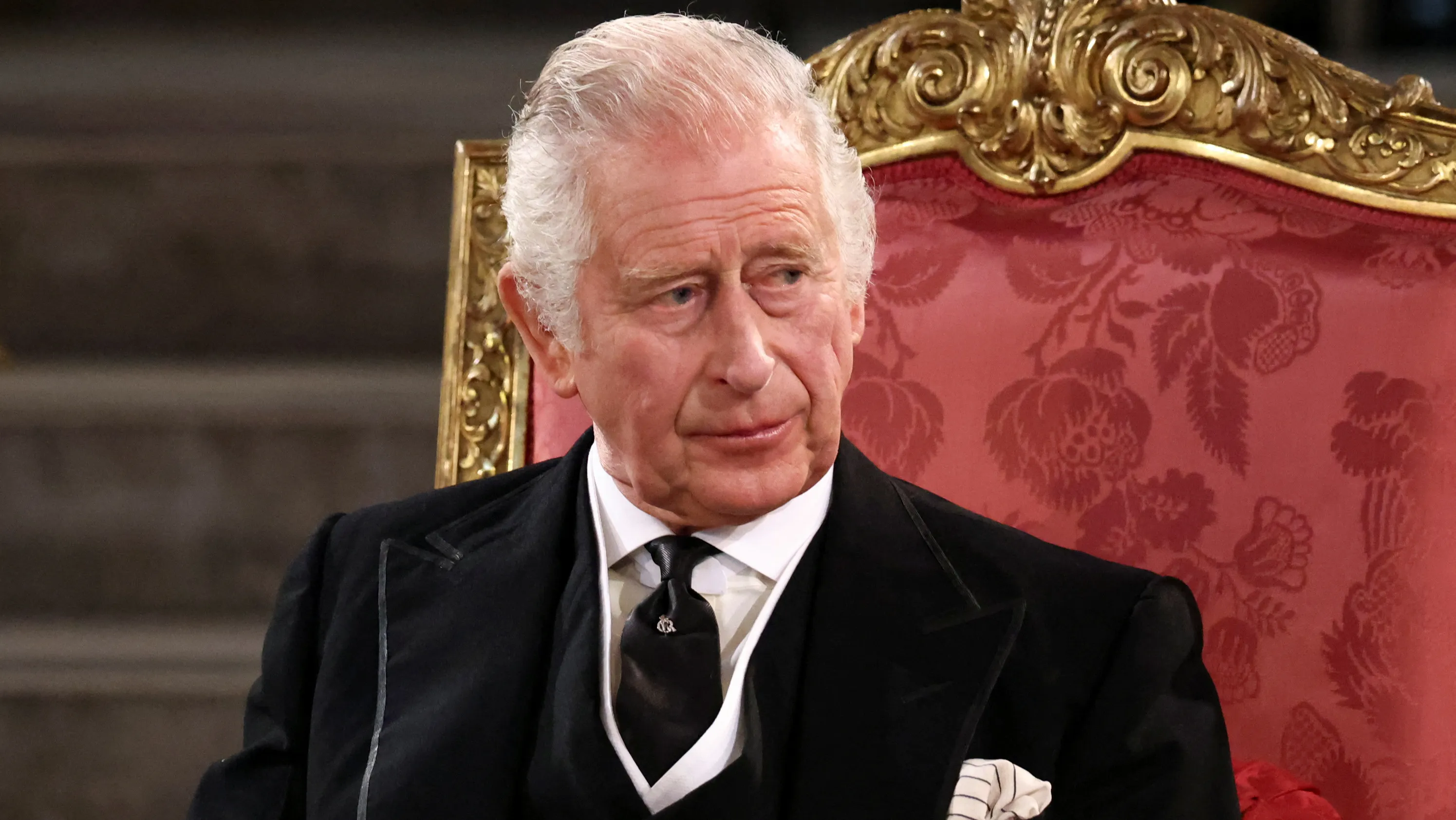

King Charles’ Australia Visit Sparks ‘Insult’ Controversy Over Reception

As King Charles III prepares for his upcoming visit to Australia, a controversy has emerged over the decision by the six state premiers to skip a key reception welcoming the monarch. The Australian Monarchist League has labeled the premiers’ absence an “insult” to the King, reigniting the debate on Australia’s monarchy versus republicanism.

The King, who is set to be formally welcomed by Prime Minister Anthony Albanese in Canberra, will not have the presence of the state premiers from New South Wales, Victoria, Queensland, Western Australia, South Australia, and Tasmania at the reception. Instead, these states will be represented by their governors. The reasons given by the premiers for their absence range from prior commitments to other governmental obligations, which has drawn the ire of monarchist campaigners.

Bev McArthur, a Liberal MP and spokesperson for the Australian Monarchist League, voiced her strong displeasure, calling the decision “insulting” and accusing the premiers of playing “gesture-led politics.” McArthur argued that welcoming the King and Queen was the “least they can do” as elected officials, dismissing the excuses as “petty and inhospitable.” She further stated that the premiers should momentarily put aside their republican views to properly greet the monarch.

This controversy comes at a time when Australia’s republican movement is gaining renewed momentum. Jacinta Allan, Premier of Victoria, expressed her support for Australia becoming a republic, though she admitted that it was not her top priority at present. This perspective aligns with the sentiments of the Australian Republic Movement, which has described King Charles’ visit as a “farewell tour” and reiterated its call for Australia to elect its own head of state.

On social media, the debate has polarized opinions. Monarchists like McArthur argue that constitutional monarchy provides a stable system of governance, with polls suggesting that many Australians still prefer this model over a republic. On the other hand, republican campaigners, such as Isaac Jeffrey from the Australian Republic Movement, contend that it’s time for an Australian to take on the role of head of state, serving the nation full-time.

Buckingham Palace has not commented on the row, maintaining silence on the absence of the state premiers. Despite the controversy, the King’s itinerary remains packed, including a significant portion of his tour devoted to Commonwealth engagements. After his time in Australia, King Charles will continue his journey to Samoa for the Commonwealth Heads of Government Meeting.

This visit marks the monarch’s most significant trip since his cancer diagnosis earlier this year, with reports suggesting that his treatment will be paused during the tour.

Canadian Drink Company Faces Controversy After Simu Liu Raises Cultural Appropriation Concerns

A Canadian bubble tea company, Bobba, found itself in hot water after drawing criticism from Simu Liu, star of Marvel’s Shang-Chi, during an appearance on the popular reality show Dragons’ Den. Bobba’s founders, Sebastien Fiset and Jess Frenette, were seeking investment for their Quebec-based brand, pitching it as a healthier, ready-to-drink spin on traditional Taiwanese bubble tea. The company claimed to be “disturbing” the bubble tea market with their simplified, fruit-filled version of the drink.

The tension between Liu, who is Chinese-Canadian, and the Bobba owners emerged when Frenette referred to bubble tea as a “trendy, sugary drink” that consumers often don’t fully understand. Liu quickly interjected, asserting that he was well aware of the drink’s content, given its deep cultural significance. The disagreement escalated when the Bobba founders described their version as “better” than traditional bubble tea, prompting Liu to accuse them of cultural appropriation.

Liu raised concerns about taking an Asian-origin product and modifying it under the guise of improvement. He questioned whether the company had any Asian representation in its team. The founders responded that their recipes were developed in partnership with a Taiwanese producer, although the flavors were crafted in Canada.

Ultimately, Liu declined to invest in Bobba, stating, “I want to be a part of bringing boba to the masses, but not like this.” He emphasized his commitment to uplifting minority entrepreneurs and expressed discomfort with supporting a business that, in his view, profited off something deeply tied to his cultural heritage.

The episode triggered a wave of online backlash, leading to harassment and threats aimed at the Bobba founders. In response, both Liu and the company released statements urging an end to the negativity. Liu, posting on TikTok, acknowledged that while he had issues with the pitch, the founders presented their business “in good faith” and should not be subjected to threats.

Bobba issued an apology, admitting their language was “misguided” and committing to revisiting their branding, packaging, and marketing strategies to better reflect the cultural roots of bubble tea and their Taiwanese partnerships. Investor Manjit Minhas, who initially struck a $1 million deal for an 18% stake in the company, later withdrew her investment following public feedback and further reflection.

The incident has sparked a broader conversation around cultural appropriation in the business world, especially concerning products deeply intertwined with specific cultural identities. As bubble tea continues to grow in popularity worldwide, debates over its commercialization and representation are likely to persist.