
Xiaohongshu: How ‘China’s Instagram’ is Transforming the Travel Industry

In Hong Kong’s Kennedy Town, a quiet basketball court has unexpectedly become a tourist hotspot. The appeal? The court’s stunning views of the city skyline, which have drawn crowds of Chinese tourists eager to capture the perfect photo. These visitors aren’t discovering such spots by chance but through Xiaohongshu (Little Red Book), a social media platform that is reshaping how Chinese travelers explore the world.

Often described as China’s version of Instagram, Xiaohongshu has become a vital tool for Chinese tourists seeking hidden gems and unique travel experiences. As a result, previously under-the-radar locations across Asia and beyond have become go-to destinations, thanks to recommendations on the app. In Seoul, for example, Chinese-speaking visitors now flock to Seongsu-dong to take pictures by a photogenic red wall. In Copenhagen, Chinese tourists bypass famous landmarks like the Little Mermaid in favor of Black Square, a lesser-known public space marked by striking white lines.

What’s driving this trend? Xiaohongshu’s vast user base, which shares authentic, personal travel experiences. As of 2024, the platform has over 300 million users, many of them urban and under 35, who post reviews, photos, and travel tips. This word-of-mouth influence has turned the app into a travel guide, especially as other apps don’t cater as comprehensively to the Chinese market.

While Xiaohongshu has sparked a rise in unexpected destinations, its impact is mostly confined to Chinese-speaking communities. The app’s content, written largely in Mandarin, means that many of the travel trends it creates remain under the radar for non-Chinese travelers. However, some businesses, particularly in Europe, are catching on. London’s Lobos, a tapas restaurant, actively engages with Xiaohongshu users, enhancing its visibility among Chinese tourists. Popular dishes on the app tend to see an uptick in orders, prompting the restaurant to adapt its menu accordingly.

Despite its growing influence, not all local communities are thrilled with the Xiaohongshu-driven tourism boom. In Hong Kong, locals in areas like Kennedy Town have expressed frustration over the influx of tourists crowding narrow sidewalks, often posing safety risks. Residents like 55-year-old Hung, who has lived in the area for decades, argue that authorities need to address the negative impacts of tourism on daily life, such as adding traffic warning signs to reduce accidents.

Xiaohongshu’s power to drive tourism may be a double-edged sword, offering exposure to businesses and off-the-beaten-path locations while also raising concerns about overcrowding and its effects on local communities. As Chinese travelers continue to venture abroad, the platform’s role in shaping travel habits is set to grow, influencing the global tourism industry in unprecedented ways.

Unilever Sells Its Russian Business to Arnest Group

Unilever, the multinational consumer goods company known for brands like Dove and Hellmann’s, announced on Thursday that it has completed the sale of its Russian operations to Arnest Group, a local manufacturer of cosmetics, perfumes, and household products. The deal includes Unilever’s entire business in Russia, four production facilities, and its business interests in Belarus. The financial terms of the sale remain undisclosed.

The decision to sell follows significant criticism of Unilever’s continued presence in Russia after the country’s invasion of Ukraine in February 2022. Although Unilever had ceased imports and exports to Russia shortly after the invasion, its full withdrawal from the market was a complex process. This sale marks the culmination of over a year of preparation, involving the separation of supply chains, IT systems, and adapting brand names to the Cyrillic alphabet.

Unilever’s CEO, Hein Schumacher, in his first year leading the company, has made several major changes aimed at restructuring the business and boosting performance. In addition to the sale of the Russian operations, Schumacher is overseeing plans to spin off the company’s ice cream division, lay off up to 7,500 employees, and focus the company’s efforts on 30 key brands.

B4Ukraine, a coalition of civil society groups pushing for Western companies to cut ties with Russia, applauded Unilever’s decision, urging other global corporations to follow suit. The Russian government has required foreign companies from “unfriendly” nations—those that have imposed sanctions on Russia—to sell their assets at a discount of at least 50%.

Unilever joins other major corporations, like Danone, which earlier this year also divested from its Russian assets, taking a $1.3 billion financial loss. A Reuters analysis in March estimated that foreign companies have lost over $107 billion in writedowns and lost revenue due to their exits from the Russian market.


Macron Expresses Strong Views on ‘Emily in Paris’ Heading to Rome

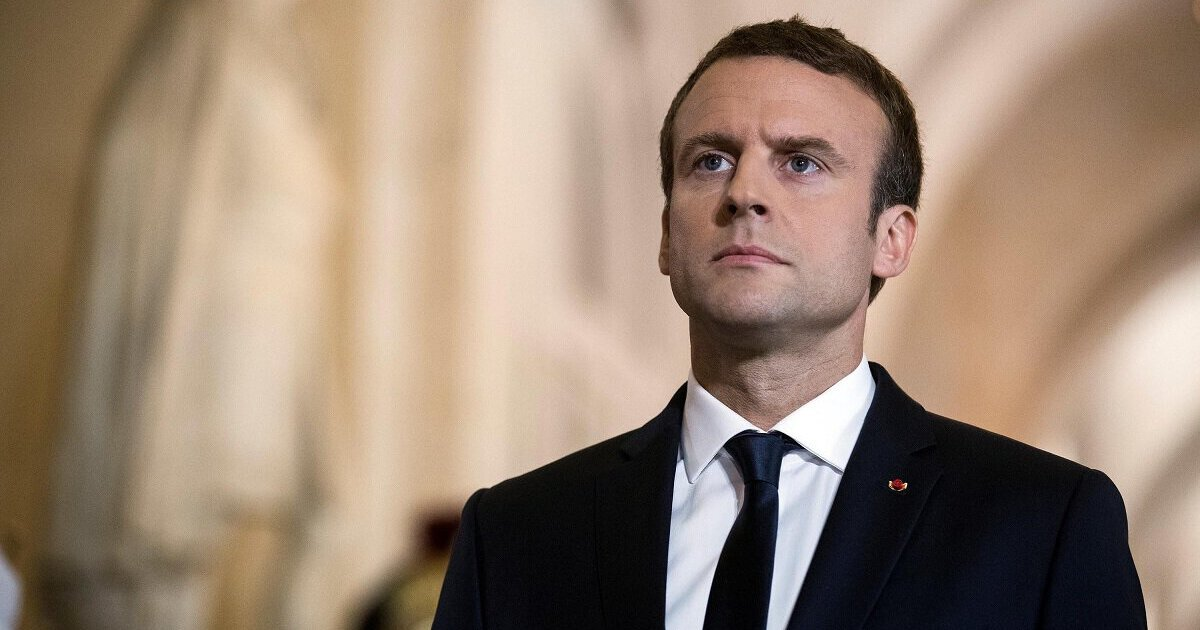
French President Emmanuel Macron has voiced his opinion on Netflix’s popular series Emily in Paris, following the announcement that the show’s lead character, Emily Cooper, will be relocating to Rome in the upcoming fifth season. Macron, who has praised the show for its positive impact on France’s image and tourism, declared in a recent interview with Variety that “France will fight hard” to keep the show in Paris.

The series, starring Lily Collins as Emily Cooper, a young marketing executive from Chicago navigating life in the French capital, has consistently been one of Netflix’s top performers. Its portrayal of Paris, although sometimes criticized for promoting stereotypes, has significantly boosted tourism. According to a study by France’s national film center, Emily in Paris inspired 38% of tourists who were influenced by media to visit the city.

Macron’s connection to the show is personal as well. His wife, Brigitte Macron, made a brief cameo in season four, and her character shared a viral moment with Emily in the series’ first season. Macron praised her participation, stating, “It’s good for the image of France,” and emphasized the positive influence the show has on the country’s appeal to tourists.

Despite his wife’s involvement and the show’s undeniable success in promoting France, Macron humorously noted that he has no plans to make an appearance himself, saying, “I’m less attractive than Brigitte.”

While Emily in Paris has been renewed for another season, its upcoming storyline shift to Rome has left many, including Macron, questioning whether the magic of the show can truly thrive outside the City of Light.