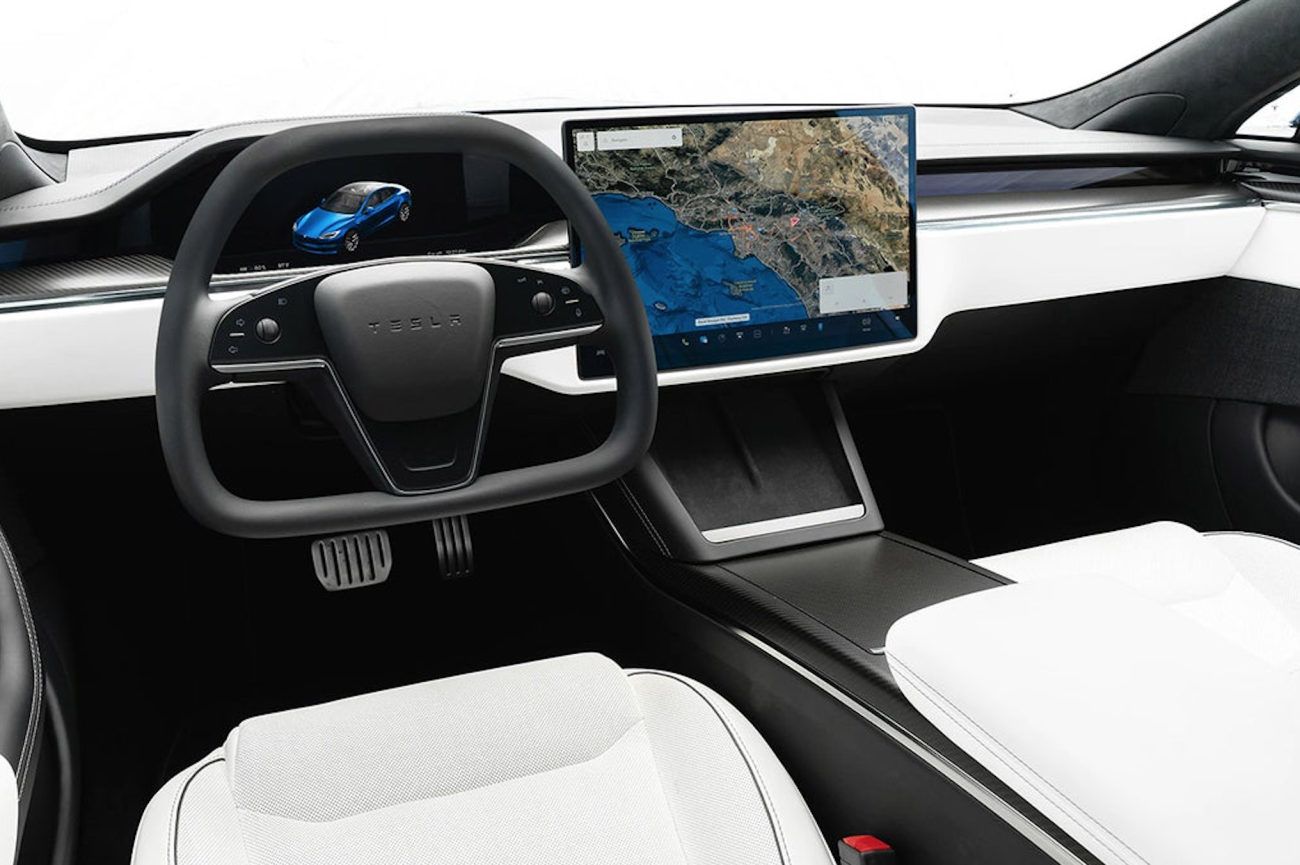
Tesla Bets Big on ‘Black Box’ AI for Robotaxis Amid Mounting Pressure

Tesla is gearing up for the highly anticipated “robotaxi unveil,” a critical moment for CEO Elon Musk’s decade-long promises of autonomous driving. Set to showcase a prototype called “Cybercab,” the automaker is not expected to reveal a fully operational driverless vehicle. Tesla’s success in convincing regulators and passengers of the vehicle’s safety, however, faces significant hurdles, especially as competitors like Waymo have already launched robotaxi services in select cities.

Tesla’s self-driving approach is distinct from its rivals. Unlike Waymo or General Motors’ Cruise, Tesla relies solely on cameras and end-to-end machine learning, which processes visual data into driving decisions. While this method promises simplicity and cost-effectiveness, it lacks the redundant systems, like radar and lidar, that ensure safety in more unpredictable driving scenarios. Autonomous vehicle experts argue this leaves Tesla’s approach vulnerable to “edge cases” — unusual, complex driving conditions that AI may not predict or handle properly.

Another challenge facing Tesla is the “black box” nature of its AI, which makes it difficult to diagnose system failures after accidents. Without clear insight into why the AI makes certain driving decisions, safeguarding against future errors becomes more complex. Industry leaders, including Nvidia CEO Jensen Huang, warn that such AI systems are unreliable without more traditional safety layers like sensors.

For Tesla, achieving full autonomy is crucial as it faces declining sales and fierce competition from Chinese electric vehicle makers. Musk has increasingly pivoted toward autonomous driving as a key priority, with the promise of affordable, driverless robotaxis that can operate anywhere. Tesla’s rivals, while already deploying robotaxi services, are confined to small, meticulously mapped zones and operate more expensive vehicles.

Musk’s bold promises date back years, including a 2016 pledge that Tesla cars would soon be able to drive themselves across the country. Despite numerous delays and failed predictions, Tesla’s upcoming event has sparked widespread speculation, especially after it scrapped plans for a $25,000 mass-market EV, known as the Model 2.

Tesla’s reliance on AI-enabled vision technology does offer advantages, particularly its ability to gather vast amounts of data from millions of vehicles already on the road. This data, analyzed by its machine learning systems, could eventually make Tesla’s cars safer and more autonomous. In contrast, competitors like Waymo and Cruise collect data from much smaller fleets equipped with more expensive sensors.

Despite Musk’s optimism, experts caution that Tesla is still years away from achieving fully autonomous driving capabilities. Waymo’s former CEO John Krafcik emphasized the importance of redundant safety systems and warned that Tesla’s AI approach may be insufficient for ensuring safety. Critics point out that AI systems like Tesla’s cannot always explain why they make certain decisions, complicating efforts to build safe, autonomous vehicles.

Tesla’s bold bet on end-to-end AI has put the company in a race against time. As it focuses heavily on self-driving technology, it risks alienating investors who have supported its electric vehicle ambitions. However, Musk remains undeterred, doubling down on promises to deliver full autonomy within a year. Whether Tesla can overcome the substantial challenges of its AI-driven vision strategy remains uncertain, but the stakes — and potential rewards — are higher than ever.
 

China’s Chery Assembles Cars in Russian Plants Vacated by Western Firms

Chinese automaker Chery has begun assembling cars in Russia at three factories vacated by Western companies, such as Volkswagen and Mercedes, following Russia’s invasion of Ukraine. As Chinese brands now dominate more than half of Russia’s car sales, Chery is expanding its role in the country’s manufacturing sector by importing nearly finished cars and completing assembly domestically. This development underscores China’s growing influence in Russia’s economy and industrial landscape.

Chery has taken over production lines once owned by Western firms, including Nissan, Volkswagen, and Mercedes-Benz. In St. Petersburg, the Nissan plant is now producing rebranded Chery models, like the Tiggo 7 SUV, which is being sold as the Xcite X-Cross 7 in Russia. In Kaluga, Tiggo crossovers are being assembled in a factory previously operated by Volkswagen. In the Moscow region, a plant formerly owned by Mercedes-Benz is producing Chery’s Exeed VX model, a luxury mid-size crossover.

Chery’s “semi knocked down” (SKD) strategy involves importing nearly complete vehicles to Russia, where the final assembly takes place at these facilities. Chery has already witnessed significant sales growth in Russia, nearly quadrupling its car sales to over 200,000 vehicles in 2023. With plans to enter more than 60 new markets in the coming years, the company is also poised to expand further, despite new tariffs imposed by the European Union on Chinese electric vehicles.

Russia, on the other hand, has been raising tariffs on car imports, making local assembly an attractive option for foreign manufacturers. This trend is part of a broader shift in Russia’s automotive industry as Chinese firms fill the gap left by Western brands. Although Chery has yet to confirm any plans to build or acquire its own factories in Russia, its expanding production in the country reflects growing collaboration between China and Russia amid ongoing geopolitical tensions.


Hurricane Milton Spawns Tornadoes and Leaves Millions Without Power in Florida

Hurricane Milton tore through Florida on Thursday, leaving behind a trail of destruction, including deadly tornadoes, damaged homes, and widespread power outages affecting over 3 million residents. Despite fears of catastrophic flooding in the Tampa Bay area, the region narrowly avoided severe inundation, with water levels remaining below what was seen during Hurricane Helene just two weeks earlier.

Tampa Mayor Jane Castor expressed relief, stating, “We’ll have storm surge damage but nothing like it could have been.” While the storm brought significant challenges, it spared the city from the devastating flooding that many had feared.

Initially making landfall on Florida’s west coast as a Category 3 hurricane with winds reaching 120 mph (205 kph), Milton weakened to a Category 1 storm by Thursday morning as it crossed the peninsula, exiting Florida’s east coast. The storm’s eye hit Siesta Key, a small barrier island near Sarasota, with significant damage occurring throughout the state.

Tornadoes and Fatalities Reported

Milton’s fury triggered at least 19 tornadoes across various counties, causing widespread destruction, particularly to mobile homes. In Fort Pierce, two deaths were reported in a retirement community after a suspected tornado, according to local authorities. Other areas saw similar devastation, including St. Lucie County, where Sheriff Keith Pearson estimated that around 100 homes were destroyed.

In Fort Myers, Connor Ferin recounted how a tornado obliterated his home. “All this happened instantaneous, like these windows blew out,” he said. “I grabbed the two dogs and ran under my bed, and that was it.” In just moments, his house was reduced to wreckage, exposing the interior to the elements.

Widespread Power Outages and Flight Cancellations

As of Thursday morning, over 3 million Florida homes and businesses were without power. The storm also led to the cancellation of more than 2,200 flights, primarily affecting airports in Orlando, Tampa, and southwest Florida.

Governor Ron DeSantis confirmed that around 125 homes had been destroyed by the tornadoes, and authorities were still assessing the full extent of the damage across the state. He assured that search-and-rescue teams were ready to operate overnight, with 9,000 National Guard personnel and 50,000 utility workers mobilized to assist in recovery efforts.

Zoo Animals and Gasoline Shortages

While human evacuees clogged highways and gas stations faced shortages, animals at Tampa’s zoo, including elephants and flamingos, were sheltered in safe enclosures. Nearly a quarter of Florida’s gas stations were out of fuel by Wednesday afternoon, causing further panic as residents fled or prepared to ride out the storm.

The Federal Emergency Management Agency (FEMA) had already mobilized millions of gallons of water, meals, and emergency supplies in anticipation of Milton’s impact, ensuring that recovery efforts would not be hindered by the ongoing restoration following Hurricane Helene.

Economic Impact

With much of Florida and the southeastern U.S. still grappling with the aftermath of Helene, Milton is expected to add billions of dollars in damage to the region. Both hurricanes have devastated communities and infrastructures, leaving millions in need of assistance.

Governor DeSantis emphasized that search-and-rescue teams would be on the front lines as soon as the storm passed, and recovery efforts would begin immediately. “It’s going to mean pretty much all the rescues are going to be done in the dark,” he noted, but assured that crews were fully prepared for the challenge.