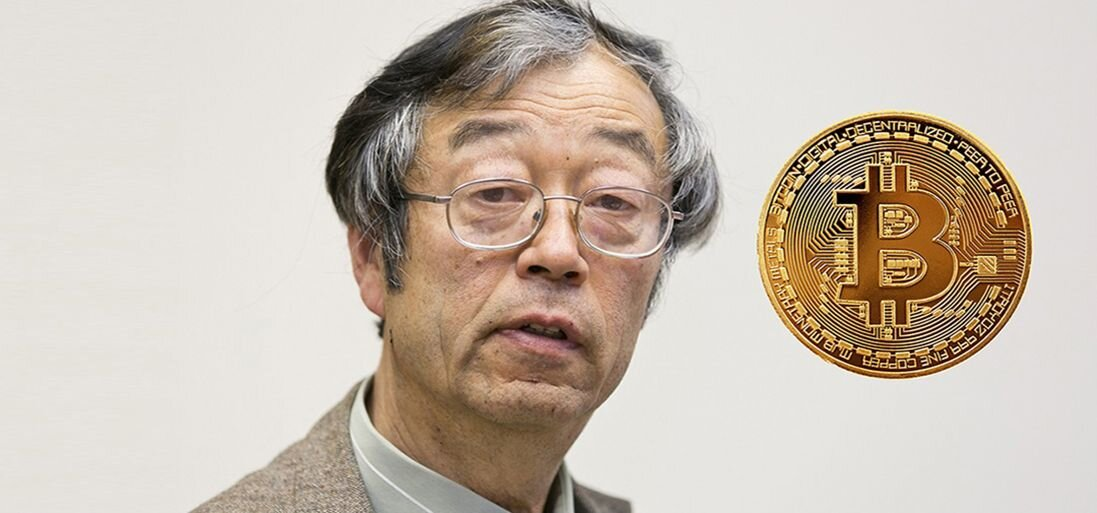
‘I am not Satoshi Nakamoto’: Subject of HBO Documentary Denies Being Bitcoin’s Creator

Peter Todd, a bitcoin core developer, has publicly denied the claim made in HBO’s new documentary, Money Electric: The Bitcoin Mystery, that he is Satoshi Nakamoto, the mysterious figure credited with inventing bitcoin. Todd has expressed frustration, calling the documentary “irresponsible” and claiming that it endangers his life.

The film, directed by Cullen Hoback, presents a narrative linking Todd to bitcoin’s creation in 2009, using various coincidences to make its case. Todd, however, insists the evidence is weak, arguing that he was not even consulted by the filmmakers and was never given the opportunity to screen the film before it aired.

In contrast, Hoback stands by the film’s conclusions, stating that Todd had every opportunity to defend himself during filming. Hoback spent years investigating the mystery behind bitcoin’s creator, ultimately landing on Todd as the most likely candidate. His evidence includes a 2010 post on a bitcoin message board, which Hoback believes was written by Satoshi Nakamoto.

Todd’s denial adds to the long list of suspects and conspiracy theories surrounding Satoshi Nakamoto. Despite the uncertainty, Hoback emphasizes the importance of uncovering the identity of Nakamoto due to the immense value and impact bitcoin holds in today’s financial systems. Nakamoto is rumored to control about a million bitcoins, worth billions of dollars.

Todd’s denial, paired with Hoback’s investigation, showcases the enduring allure of the Satoshi Nakamoto mystery. As bitcoin continues to gain global prominence, questions about its origins and creator remain central to both its mythos and its future.
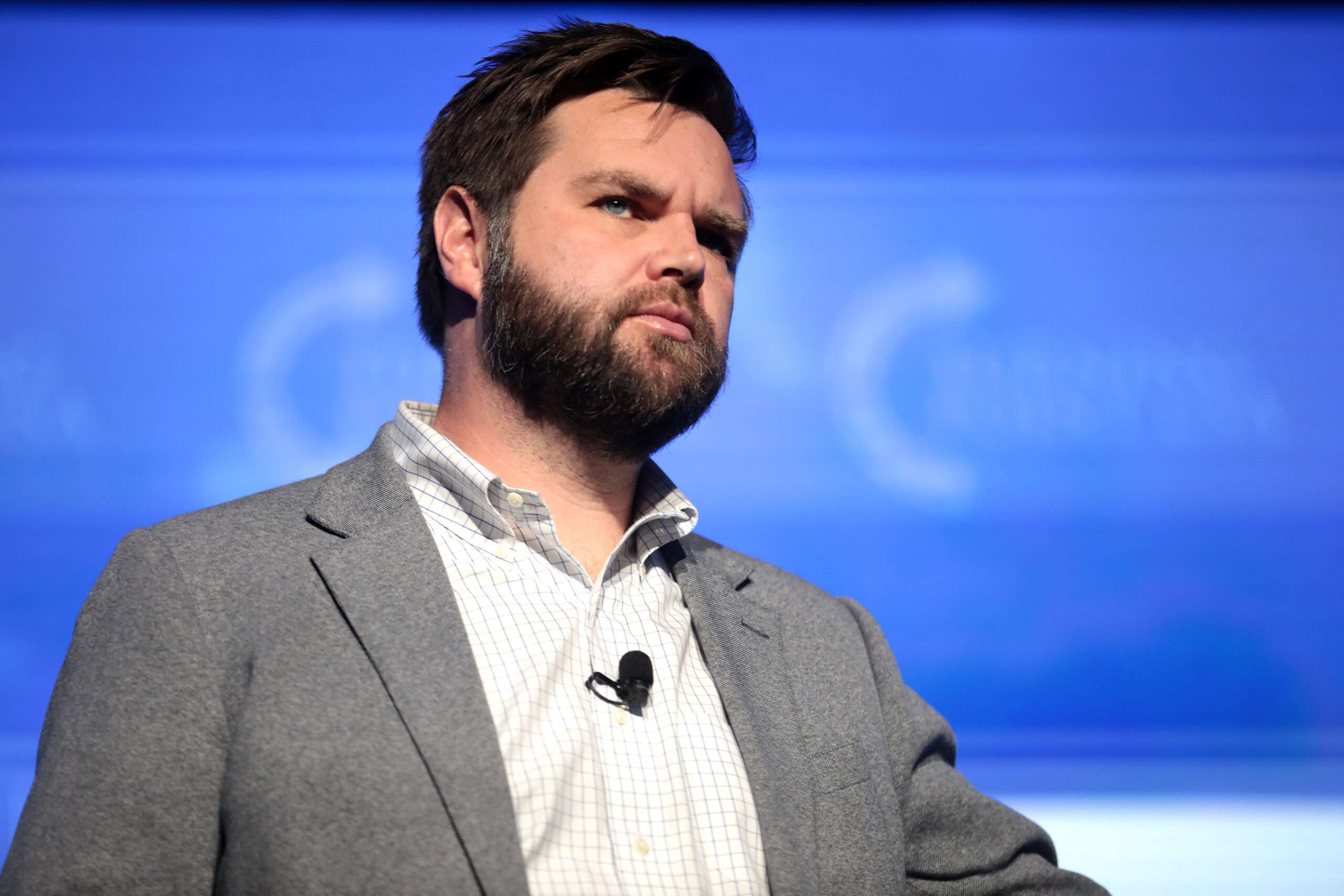
 

Deloitte Faces Criticism from Trump Allies Over Employee’s Leaked JD Vance Messages

Deloitte is under fire from Trump allies after an employee reportedly leaked private messages involving JD Vance, now Trump’s running mate. The incident has sparked a backlash, with prominent Trump figures calling for the consulting firm to face repercussions from the federal government, given its extensive government contracts.

The controversy began after The Washington Post published a story on September 27 revealing Vance’s private criticism of Trump in a 2020 message, in which Vance said Trump had “thoroughly failed to deliver” on his economic agenda. Although the source of the leaked messages was not identified in the report, Trump’s eldest son, Donald Trump Jr., quickly responded on social media, sharing what he claimed was the identity of the Deloitte employee responsible for leaking the messages. He implied that Deloitte should face consequences, highlighting the firm’s significant earnings from federal contracts, which amounted to about $3 billion in fiscal year 2024. Trump Jr. hinted that Deloitte’s lucrative government work could be at risk, stating, “Maybe it’s time for the GOP to end Deloitte’s taxpayer-funded gravy train.”

This post was echoed by senior figures within Trump’s circle, including campaign senior adviser Jason Miller and a Vance spokesperson. The incident escalated when Trump Jr. later tweeted that Deloitte had not yet commented on the matter, accusing the firm’s employee of working with The Washington Post to “help Kamala Harris.” He promised, “We’re not forgetting this.”

Despite the uproar, neither Trump nor Vance has publicly threatened Deloitte, and Trump Jr. has clarified that he does not plan to hold a role in government. However, the attacks from Trump’s allies have drawn criticism from various quarters. Jeffrey Sonnenfeld, founder of the Yale Chief Executive Leadership Institute, called Trump’s behavior “outrageous” and warned of the dangers should Trump return to the White House, citing the potential for weaponizing the federal government against private businesses.

Throughout his political career, Trump has been known for his confrontations with major corporations. In recent weeks, Trump has threatened companies like John Deere with high tariffs and suggested using the Justice Department to go after Google. Past targets have included Apple, Harley-Davidson, and Amazon, among others. Sonnenfeld noted that Trump’s frequent attacks on iconic American companies represent an “unparalleled vindictiveness and intrusion into private sector decision-making.”

Legal experts also weighed in on the Deloitte situation. Richard Painter, the chief ethics lawyer in the George W. Bush administration, described the attacks as “shameful” and argued that targeting Deloitte’s federal contracts over political reasons would be an abuse of federal contracting law. He emphasized that procurement decisions should be based on quality, price, and taxpayer value, not political affiliations or actions.

Deloitte has distanced itself from the controversy, clarifying that the employee acted independently. A company spokesperson, Jonathan Gandal, stressed that Deloitte is a non-partisan firm and remains committed to serving government and commercial clients across the political spectrum. Gandal also highlighted Deloitte’s 150,000-strong workforce, underscoring that the actions of one individual do not reflect the entire organization.

Despite Trump Jr.’s accusations, The Washington Post has stated that it informed the Deloitte employee of the possibility of his identity becoming public. Trump Jr. defended his comments, asserting that he was exercising his right to voice his opinion about how taxpayer money is spent. He also criticized the Deloitte employee and the Post journalist involved in the story, labeling them both “scumbags.”

Experts like Norman Eisen, a senior fellow at the Brookings Institution, warned that the episode may foreshadow how Trump and his allies could retaliate against perceived enemies if Trump returns to power. Eisen emphasized the need to take these threats seriously, particularly given the implications for businesses and individuals who may face government-backed retaliation.


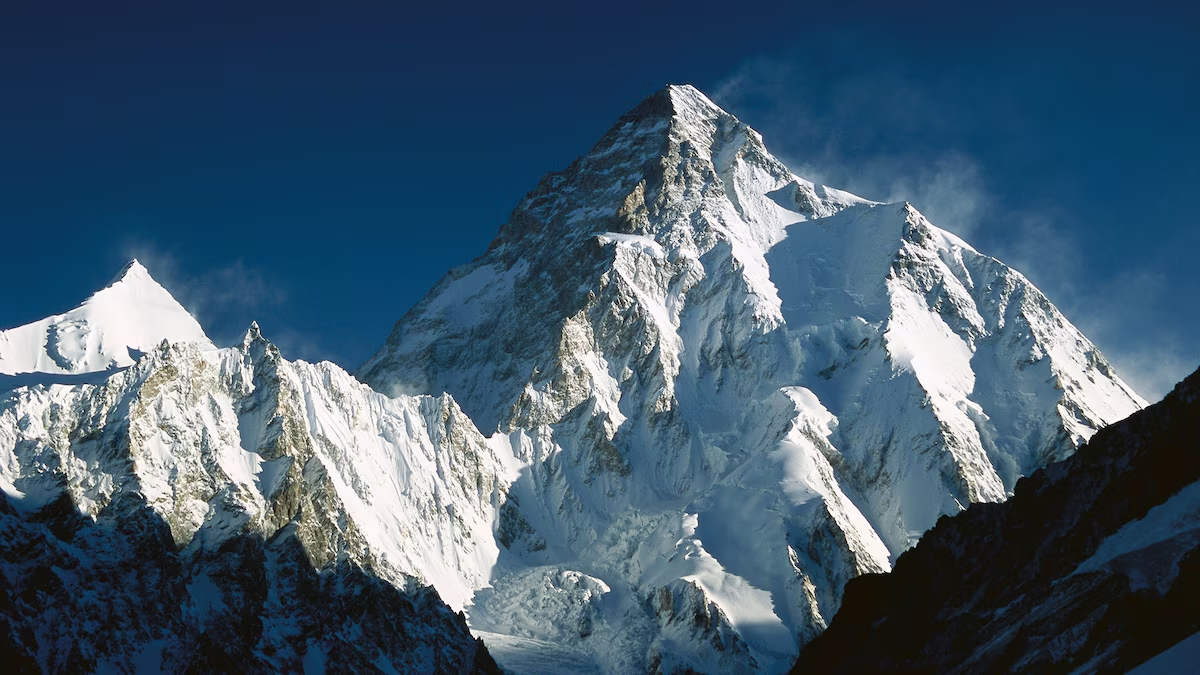
Climbing the World’s Other Highest Mountain – No Sherpas Required

When people think of the world’s highest mountain, Mount Everest usually comes to mind, standing tall at 29,032 feet (8,849 meters) above sea level. But depending on how you measure a mountain’s height, Everest may not always take the crown.

If you measure from base to peak, Mauna Kea, a dormant volcano in Hawaii, soars to 33,500 feet (10,211 meters) when factoring in its submerged base. Then there’s Mount Chimborazo in Ecuador, an inactive stratovolcano in the Andes. Though Chimborazo’s peak sits at 20,548 feet (6,263 meters) above sea level, its location near the equator makes it the point on Earth farthest from the planet’s center due to Earth’s equatorial bulge. At 6,800 feet farther from Earth’s core than Everest, Chimborazo can lay claim to being the closest point on Earth to outer space.

Capitalizing on this unique geographic feature, Ecuador has promoted Chimborazo as a prime adventure destination, offering mountaineers a once-in-a-lifetime opportunity. Unlike Everest, Chimborazo is more accessible both physically and financially. Travelers can drive just four hours south from Quito to reach the mountain, making it an ideal spot for adventure seekers who wish to avoid the massive costs and logistics involved with summiting Everest or Aconcagua, the tallest peak in the Andes.

Chimborazo has a rich history of exploration. In the 19th century, German explorer Alexander von Humboldt attempted to summit the peak, reaching around 19,300 feet before descending. British mountaineer Edward Whymper became the first person to reach the summit in 1880. Today, around 500 climbers try their luck each year, with roughly half making it to the top. The main climbing season runs from September to February, although Ecuador’s year-round temperate climate allows for continuous exploration.

Climbing Chimborazo generally takes about two days, with one week of acclimatization recommended. Christian Valencia, CEO of Activexpedition, advises climbers to practice on other peaks such as Cayambe or Cotopaxi before attempting the more technical summit of Chimborazo, which requires experience with crampons and ice axes.

For those not aiming for the summit, Chimborazo offers other adventures. Day hikes take visitors up to 17,000 feet, passing through breathtaking landscapes like the Condor Cocha Lagoon and the glaciers that reveal the stark reality of climate change. Visitors can also meet Baltazar Ushca, the last of Chimborazo’s ice merchants, who still harvests glacier ice, a tradition once vital before the advent of refrigeration.

The mountain is also home to rich wildlife, including the rewilded vicuñas, ancestors of alpacas, and the world’s largest hummingbirds. Forests of ancient queuña trees cling to its higher slopes, surviving where few other plants can.

Chimborazo holds a deep cultural significance, too. It was a site for Incan rituals involving sacrificial offerings to the gods. Today, local Indigenous groups continue to revere Tayta Chimborazo as a powerful spiritual presence, symbolizing the mountain’s importance not only as a natural wonder but also as a sacred place in Ecuadorian culture.

Climbers and hikers alike are drawn to Chimborazo for its unique blend of natural beauty, adventure, and spiritual energy. And with the mountain’s accessibility, it’s a perfect destination for those looking to explore the world’s other highest peak — no Sherpas required.