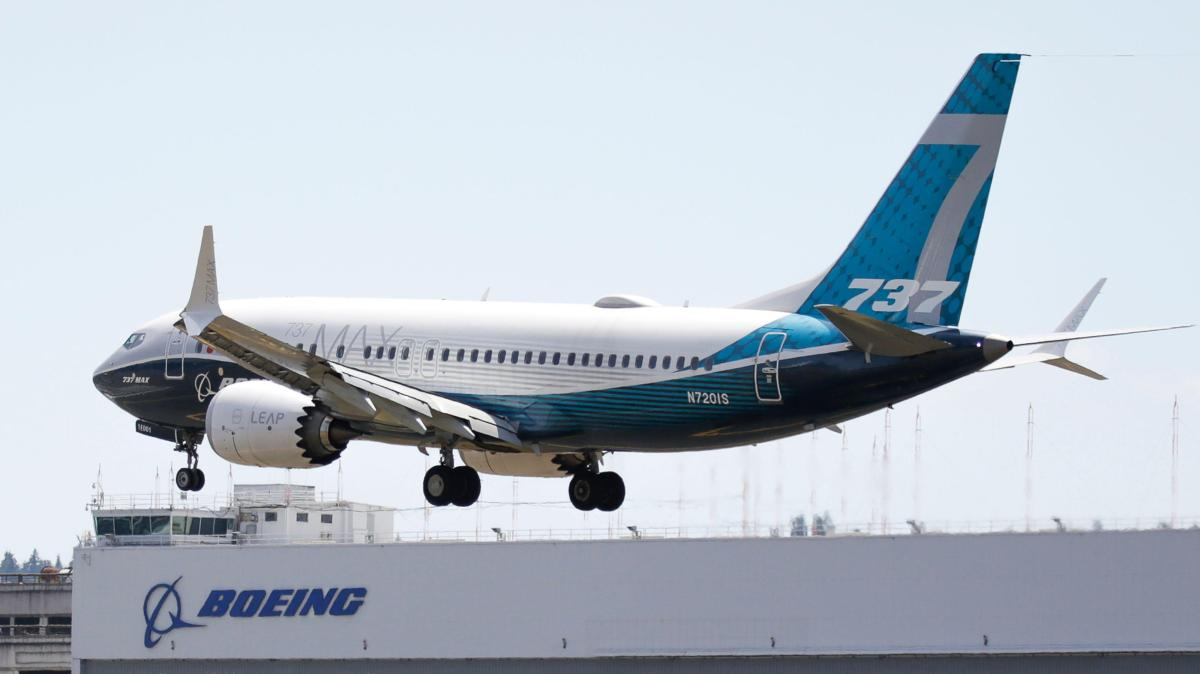
FAA Issues Safety Alert Over Rudder Issue in Boeing 737 Aircraft

The Federal Aviation Administration (FAA) has issued a safety alert to airlines concerning the potential for limited or jammed rudder movement on specific Boeing 737 aircraft. This action follows urgent safety recommendations from the National Transportation Safety Board (NTSB), which prompted the FAA to investigate and convene a corrective action review board.

The NTSB’s recommendations stem from their investigation into a February incident involving a United Airlines Boeing 737 MAX 8, where the rudder pedals became stuck in the neutral position during landing. Fortunately, no injuries were reported among the 161 passengers and crew aboard the flight. The NTSB also raised concerns about rudder control components installed on other 737 and 737 Next Generation planes, which could pose similar risks.

In response, the FAA has directed airline operators and pilots to review Boeing’s procedure for handling jammed rudders. The alert highlights an automated system check that can detect limited or jammed rudder movement before landing. The FAA also cautioned that moisture accumulation in the rudder system could freeze, potentially causing in-flight restrictions.

However, the FAA does not currently plan to mandate the replacement of parts that might stick. Instead, it will collect additional data to guide its investigation. The NTSB has noted that 271 affected rudder components may be installed on planes operated by at least 40 foreign carriers and 16 U.S.-registered aircraft. An additional 75 components may have been used in aftermarket installations.

Boeing informed operators of this potential rudder issue in August through a Multi Operator Message and has been working with regulators to address the problem. The company has reminded airlines of the proper protocols for flight crews encountering rudder restrictions.

The FAA revealed that a similar rudder pedal restriction incident occurred in March on an Aeromexico Boeing 737 MAX, with the crew noticing a sound and sensation in the flight deck. The NTSB has criticized Boeing for not informing United Airlines that its 737s were equipped with rudder actuators connected to the control system and expressed concerns that other carriers might be unaware of these components.
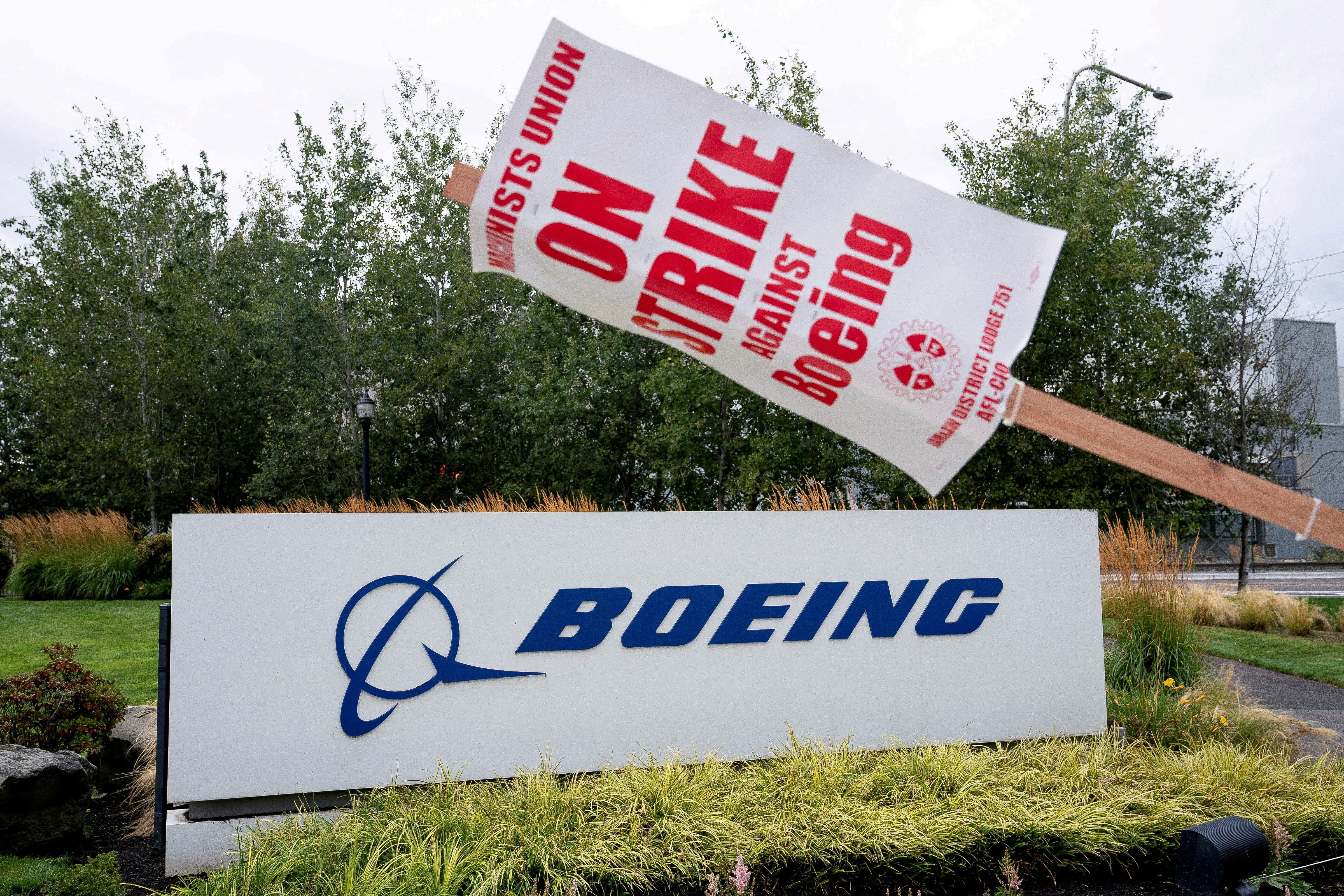

 

Boeing Withdraws Pay Offer, Halts Talks as Strike Nears Fourth Week

Boeing has withdrawn its latest pay offer to approximately 33,000 U.S. factory workers as a strike that has severely impacted production enters its fourth week. The aerospace giant announced that no further negotiations were planned with union representatives after the most recent talks, facilitated by federal mediators, broke down. The collapse has left both sides at an impasse, with little hope for a resolution in the near future.

Stephanie Pope, head of Boeing Commercial Airplanes, stated in a message to employees that the union had not taken the company’s proposals seriously and called the union’s demands “non-negotiable.” She added that further talks would be futile, prompting Boeing to withdraw its offer entirely. “Our team bargained in good faith and made new and improved proposals to try to reach a compromise, including increases in take-home pay and retirement,” Pope said. Boeing has also been focused on cash preservation efforts as the strike’s financial impact mounts.

The company is reportedly exploring options to raise billions of dollars through stock sales and equity-like securities as production halts at key facilities. These include factories responsible for producing the 737 MAX, 767, and 777 planes. Boeing, now on the verge of losing its investment-grade credit rating, has also introduced temporary furloughs for thousands of salaried employees.

The West Coast factory workers’ union is pushing for a 40% pay increase over the next four years, along with the reinstatement of a defined-benefit pension plan that was removed a decade ago. Last month, more than 90% of union members rejected an offer that included a 25% pay raise over four years. Boeing subsequently improved the offer to a 30% raise and the restoration of a performance bonus, which the company labeled as its “best and final” offer. However, a union survey found this was still insufficient.

In a statement, the International Association of Machinists and Aerospace Workers union expressed frustration, accusing Boeing of being unwilling to negotiate. The union criticized the company for refusing to address key demands, such as wage increases, vacation and sick leave accrual, and reinstating the defined-benefit pension.

With both sides entrenched and Boeing focused on cash-saving measures, the strike continues with no resolution in sight.


iPhone 16 Series Expected to Feature Enhanced Repairability Thanks to Significant Design Improvements

Apple Introduces Innovative Adhesive Design to Simplify Battery Replacement in iPhone 16 Series Devamını Oku