
Economic Concerns Drive US Voters, Some Blame Democrats

For many Americans, the economy is a defining factor in the 2024 presidential election, with many feeling financial strain despite broader economic stability. Voters like Tiesha Blackwell, a former Biden supporter, say rising costs of essentials like food and rent have pushed them towards Donald Trump. Blackwell, a Michigan resident, noted significant price hikes over the past four years, from doubling rent to costly groceries, despite her income improvements.

Economic Recovery and Persistent Cost Concerns

Though the U.S. economy has rebounded strongly post-COVID-19, with high employment, robust consumer spending, and reduced inflation, the cost of living remains a pressure point for many. Prices on everyday items like rent and groceries are considerably higher than in 2019 due to complex issues beyond direct government control, such as supply chain disruptions, labor expenses, and limited market competition. These rising costs resonate especially with voters in swing states, where a recent Reuters/Ipsos poll revealed that 61% feel the economy is on the “wrong track” and 68% believe the cost of living is still too high.

Divergent Economic Policies: Harris and Trump

Democratic nominee Kamala Harris has proposed measures to counter rising costs, including anti-price gouging policies and expanding the child tax credit, aiming to relieve financial pressures. Trump’s proposals center around tariffs on imports, tax cuts on overtime, and mass deportations. Economists warn that Trump’s tariff and immigration policies could further drive up consumer prices. However, Trump holds an edge on economic issues, with 46% of voters favoring his approach over Harris’s 38% in this month’s Reuters poll.

Michael Strain, an economist at the American Enterprise Institute, sympathized with voters’ frustration over inflation, acknowledging that price hikes feel deeply personal. “I feel like somebody punched me in the face and stole a $20 bill out of my wallet,” he noted, describing the palpable impact of restaurant prices on his budget, even though he is critical of Trump’s tariff strategy.

Blackwell supports Trump’s stance on tariffs, believing they may temporarily increase prices but could ultimately benefit American manufacturing and job security.

Michigan’s Critical Role

Harris has devoted significant campaign resources to Michigan, where Democrats face ongoing concerns about rising costs and local industries. Michigan’s economy is growing, with recent federal investments creating job growth and lowering unemployment to a 20-year low. Yet, concerns linger about electric vehicle transitions impacting the auto industry. Democratic strategist Ameshia Cross emphasized that while the Biden administration has created jobs, high costs are hitting voters hard, particularly on basics like housing and food. “All politics is personal,” she said, highlighting the way voters perceive the economy through their daily expenses rather than job statistics.

Young Michigan residents, like Devin Jones, echo these sentiments, recounting how rising costs forced his family to relocate to Indiana to find affordable housing. In Flint, another Michigander, United Auto Workers member Stu Billey, has seen benefits from his union job, which increased his wage significantly. Despite these gains, he notes that while he will support Harris, enthusiasm for her candidacy does not match that for past Democratic figures like Obama or Biden.

As November 5 approaches, economic concerns remain at the forefront of voters’ minds, making affordability and financial security central themes in a highly polarized election.

Dragon Age: The Veilguard PC System Requirements and Pre-Load Details Revealed

Dragon Age: The Veilguard Launching Soon with Detailed PC Requirements and Pre-Load Information

Dragon Age: The Veilguard is gearing up for its highly anticipated release on October 31, marking the return of BioWare’s iconic action-RPG franchise after nearly a decade. This fourth installment comes after 2014’s Dragon Age: Inquisition, and it will be available on multiple platforms, including PC, PS5, and Xbox Series S/X. With just days until launch, publisher Electronic Arts has shared essential details regarding the game’s PC system requirements and pre-load timings, helping fans prepare for their return to Thedas.

In a comprehensive blog post, BioWare outlined the specifications needed to run Dragon Age: The Veilguard on PC. The developer emphasized that the game is designed to be accessible to a broad audience, but players should be aware that at least 16GB of RAM is required to ensure smooth gameplay across various graphical settings. Additionally, a minimum of 100GB of storage space is necessary, with SSDs recommended for optimal performance. The system requirements are categorized based on Ray Tracing capabilities, allowing players to choose between enhanced graphics or performance, depending on their hardware configuration.

Furthermore, EA has provided information on pre-load times for eager players. The pre-load period will begin on October 28 for all platforms, allowing gamers to download the game ahead of its official launch. This feature is designed to ensure that players can dive straight into the action on release day without delay, a critical aspect for those excited to explore the new storylines and characters that Dragon Age: The Veilguard promises.

In addition to PC specifications, Electronic Arts has also offered insights into the game’s performance on consoles. Early reports indicate that both PS5 and Xbox Series S/X versions will deliver a high-quality gaming experience, with improved frame rates and visuals that leverage the latest technology. As the launch date approaches, fans are abuzz with excitement, eager to experience the next chapter in the Dragon Age saga and immerse themselves in its richly crafted world.

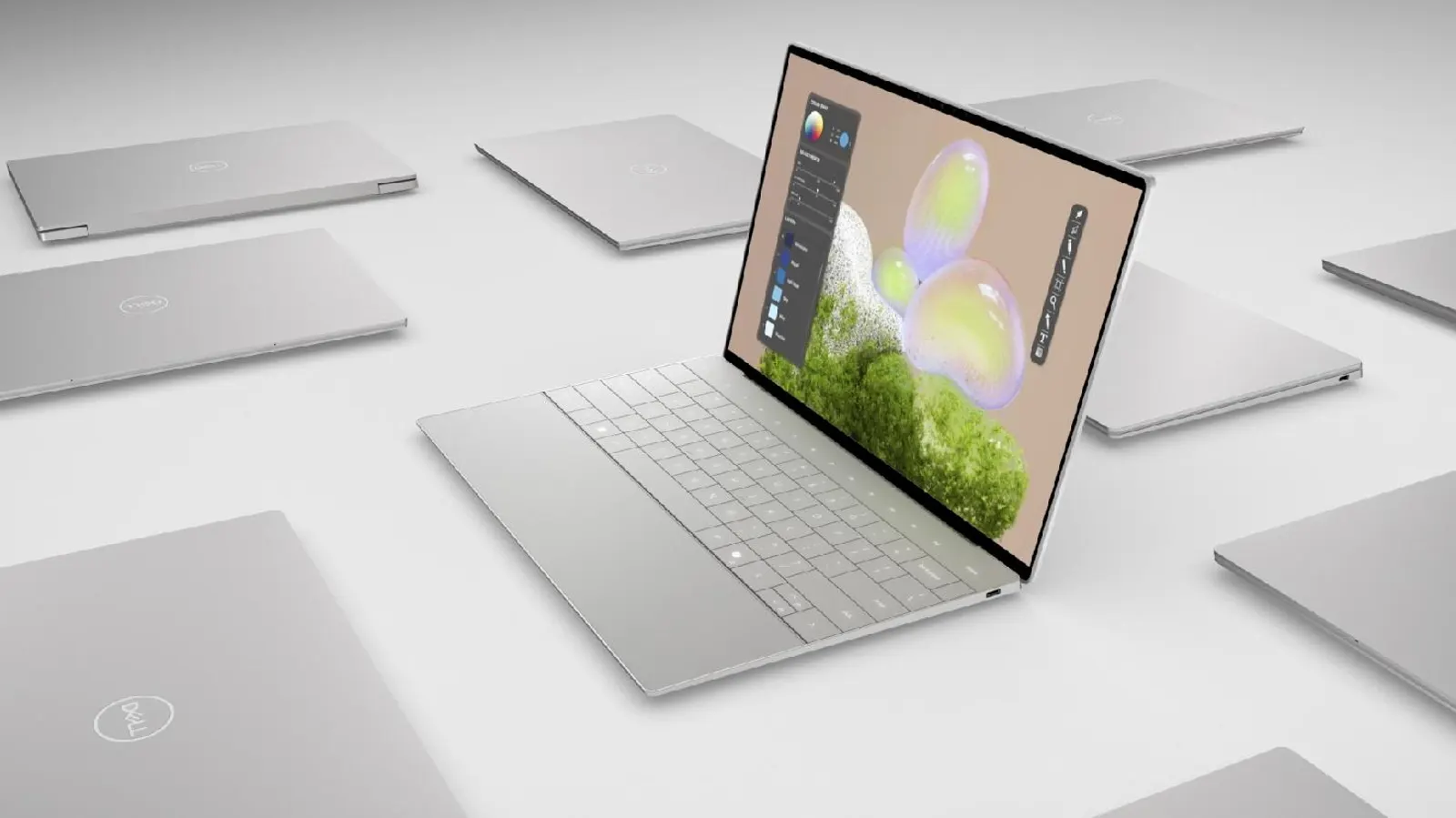
Dell XPS 13 9350 Launches in India Featuring Intel Lunar Lake Processors: Specifications and Pricing Details

Dell has officially launched the XPS 13 (9350) in India, making its entry into the market after a global debut last month. This sleek laptop is equipped with the latest Intel Core Lunar Lake processors, showcasing significant advancements in performance and efficiency. Users can expect an impressive battery life, with Dell claiming up to 26 hours of video playback on a single charge. The XPS 13 (9350) also features enhanced connectivity options, including Wi-Fi 7 and Bluetooth 5.4, ensuring seamless integration with a wide range of devices and networks.

In terms of pricing, the Dell XPS 13 (9350) starts at ₹1,81,990 in India. Consumers can purchase the laptop today at select Dell Exclusive Stores (DES), large format retail outlets, and multi-brand stores across the country. Additionally, the laptop will be available for order on the Dell website starting October 18, providing customers with multiple avenues to acquire this high-performance device.

The Dell XPS 13 (9350) offers a variety of display options to cater to different user preferences. It can be configured with a 13.4-inch full-HD+ IPS LCD display featuring a 120Hz refresh rate, delivering smooth visuals and vibrant colors with a peak brightness of 500 nits. For those seeking higher resolution, there is also a Quad-HD+ IPS LCD variant and a tandem OLED touchscreen option available, both of which come with Corning Gorilla Glass protection. However, it’s worth noting that the OLED and Quad-HD+ displays are limited to a 60Hz refresh rate.

Overall, the Dell XPS 13 (9350) positions itself as a powerful and versatile laptop, ideal for professionals and creatives alike. With its blend of cutting-edge technology, impressive battery life, and premium build quality, it aims to deliver a top-tier user experience, making it a worthy contender in the competitive laptop market.