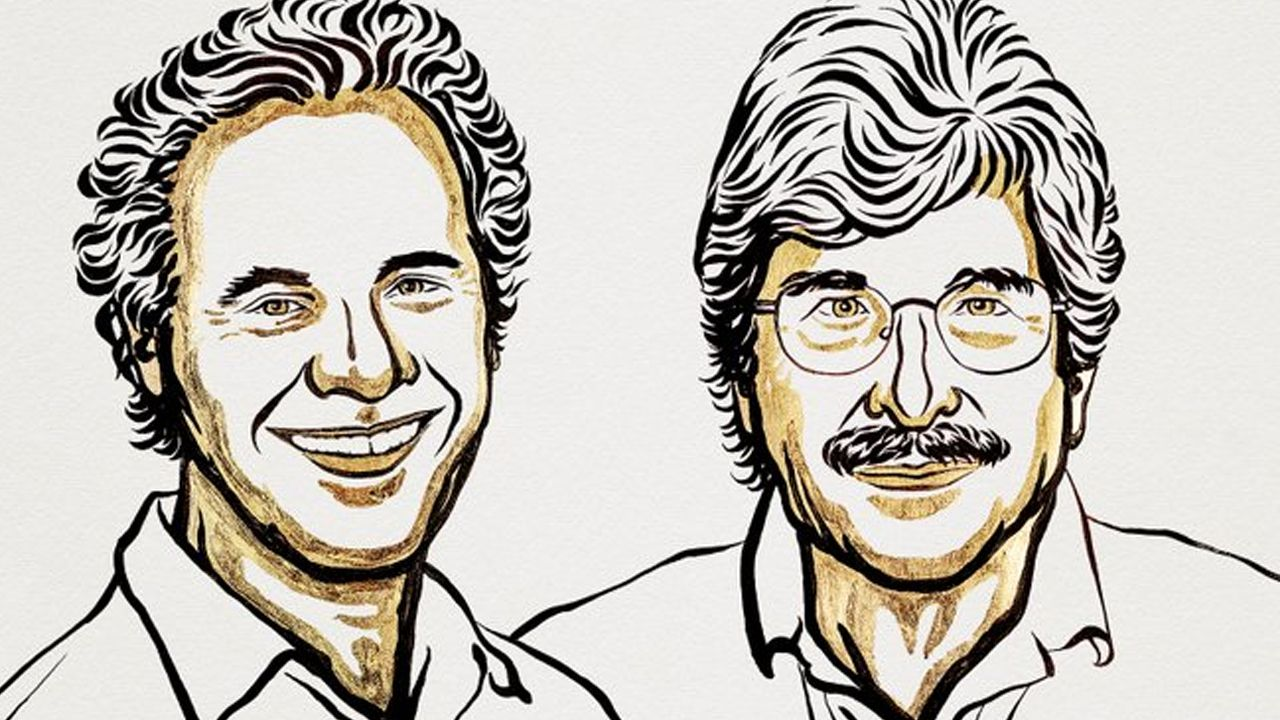
Nobel Prize in Medicine Awarded to American Biologists for Discovery of microRNA

The 2024 Nobel Prize in physiology or medicine has been awarded to American scientists Victor Ambros and Gary Ruvkun for their groundbreaking work on the discovery of microRNA, a molecule that plays a crucial role in regulating how cells function. This discovery is being hailed as a fundamental breakthrough in understanding gene regulation.

Ambros, a professor at the University of Massachusetts Medical School, and Ruvkun, a professor of genetics at Harvard Medical School, spent decades researching gene regulation. Their work revealed how microRNAs help control the production of proteins in cells, which is essential for the development of various cell types, including muscle and nerve cells, despite all cells containing the same genetic material. The Nobel committee praised their research as uncovering “an entirely new dimension to gene regulation.”

The discovery of microRNA, which dates back to the early 1990s, was initially met with skepticism. It was first observed in the tiny roundworm C. elegans, leading many scientists to dismiss it as a peculiarity. However, Ruvkun later discovered that microRNAs are present throughout the animal kingdom, sparking widespread interest in the field. Today, tens of thousands of microRNAs have been identified in various organisms.

The significance of microRNAs extends beyond basic biology; they have been linked to numerous human diseases, including cancer. MicroRNAs can malfunction, leading to conditions like cancer, hearing loss, and skeletal disorders. Research is ongoing to develop therapies that target microRNAs to treat these conditions, although there are still technical hurdles to overcome before such treatments are available.

The Nobel committee acknowledged that while the discovery of microRNA may not have immediate clinical applications, its long-term impact on medicine and biology is undeniable. Experts have noted the potential of microRNAs in diagnostic and therapeutic strategies, particularly in the field of cancer research.

Victor Ambros and Gary Ruvkun’s discovery has reshaped how scientists understand gene regulation, highlighting the complexity of cellular processes and how they contribute to the development and evolution of organisms. Their Nobel Prize recognition follows years of anticipation, as their work has opened new avenues in the study of genetics and cell biology.
 

Al Pacino Reveals He Nearly Died of COVID-19 and Shares His Thoughts on the Afterlife

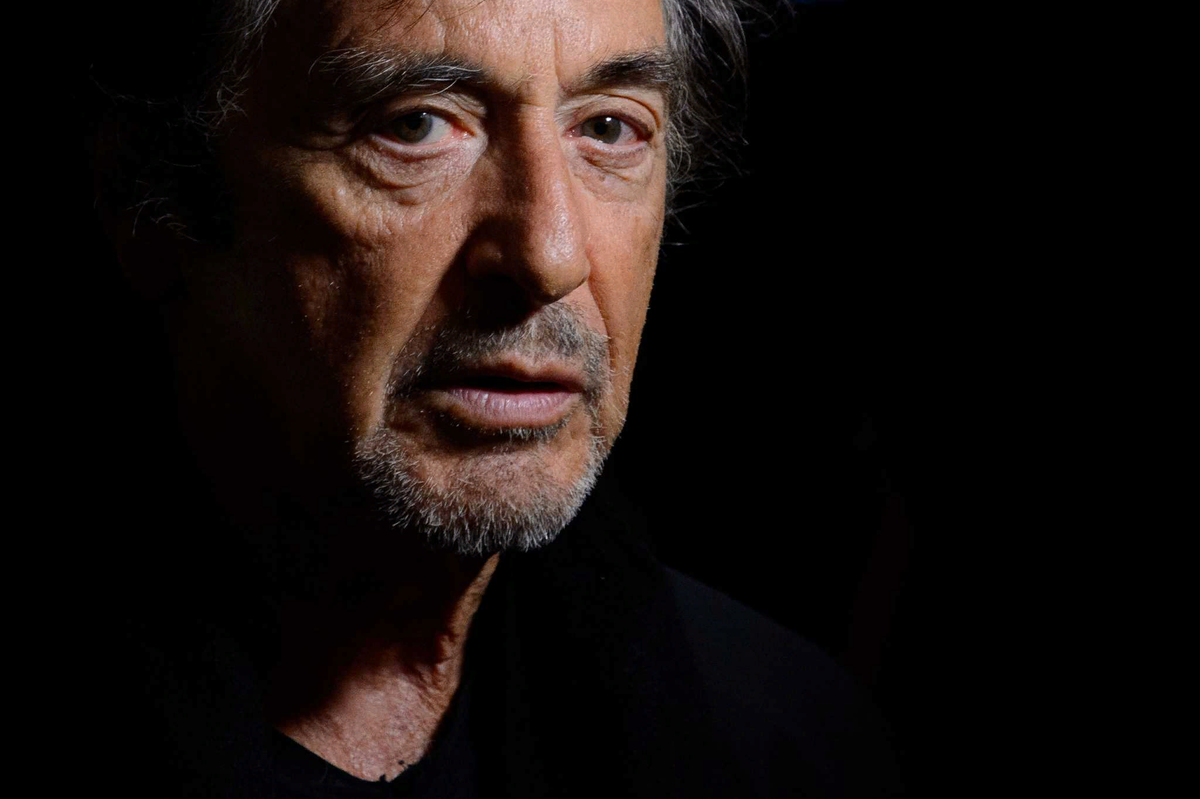
Al Pacino recently disclosed that he nearly died after contracting COVID-19 in 2020 and reflected on his near-death experience, offering insights into his thoughts on the afterlife. The 84-year-old Oscar-winning actor opened up in interviews with The New York Times and People magazine, sharing the harrowing details of his brush with death.

In a candid conversation with The Times, Pacino recalled feeling “unusually not good” after developing a fever and severe dehydration. He then described the moment when his pulse vanished. “I was sitting there in my house, and I was gone. I didn’t have a pulse,” Pacino recounted. He said that he briefly lost all sensation and memory, describing the experience as a “strange porridge” of nothingness.

Pacino was quickly revived when paramedics arrived at his home. He recalled the surreal moment when he opened his eyes to find six paramedics and two doctors surrounding him, wearing full protective gear. “It was kind of shocking,” he said, adding that they confirmed his revival by stating, “He’s back. He’s here.”

In his interview with People, Pacino recalled waking up feeling confused and unaware of what had transpired. He pondered whether he had actually died, despite everyone around him believing he had passed away. “I thought I experienced death. I might not have,” he admitted, but acknowledged, “I know I made it.”

Pacino credited his “great assistant” for contacting paramedics immediately when his nurse reported that he had no pulse, a move that likely saved his life.

Although the actor survived the ordeal, he confessed that it didn’t change his approach to life. “Not at all,” he told People when asked if the health scare had influenced his lifestyle. However, the event did leave him pondering deeper metaphysical questions about existence and death.

Preparing for his role in an upcoming movie adaptation of Shakespeare’s King Lear, Pacino reflected on his brief encounter with mortality. He explained that, unlike many who report near-death experiences involving white lights or spiritual visions, he saw nothing. Quoting Hamlet, Pacino said, “‘To be or not to be’; ‘The undiscovered country from whose bourn, no traveler returns.’ And he says two words: ‘no more.’ It was no more.”

Pacino’s near-death experience and his reflections on life, death, and the afterlife are further detailed in his forthcoming autobiography Sonny Boy, set for release on Tuesday.

Apple May Launch a Smart Ring to Rival Samsung by 2026, Predicts Research Firm

Apple could be on track to launch a connected smart ring by 2026, according to predictions by CCS Insight, marking a potential new addition to its health-focused product lineup. This would follow Apple’s most recent major launch, the Vision Pro headset, and would signify its deepening commitment to personal health technology.

Ben Wood, chief analyst at CCS Insight, shared his thoughts on Apple’s potential next move during CNBC’s Beyond the Valley podcast. He believes that as CEO Tim Cook nears retirement, his legacy at Apple could be largely defined by the company’s contributions to health and wellness through innovative technology. Wood said that a smart ring would naturally complement Apple’s existing health devices, such as the Apple Watch, which already provides detailed health metrics.

“Health has become a fundamental pillar for Apple,” Wood stated, adding that Cook’s personal interest in health makes a ring device a logical next step for the company.

Smart rings, much like smartwatches, come equipped with sensors to track various health indicators, including heart rate. The market for these devices has seen growth in recent years, with brands like Oura pioneering the category. This year, Samsung introduced its own Galaxy Ring, retailing at $399, as part of its broader push into the health-tech space.

Apple’s strategy often mirrors that of Samsung in terms of building an interconnected ecosystem of devices. The introduction of a ring would further solidify Apple’s commitment to keeping users engaged in its ecosystem of products, which ranges from iPhones and smartwatches to AirPods and other health-focused devices. Apple has already emphasized health in its recent product launches, including updates to the Apple Watch and AirPods Pro 2, which have hearing aid features.

However, selling smart rings poses unique challenges due to the variety of finger sizes, as noted by Wood. Samsung addressed this by offering different sizes and colors, along with sample size kits before purchase. Apple’s robust retail presence, with its stylish and customer-centric stores, could help it overcome this hurdle and make the smart ring more accessible to consumers.

Wood also highlighted the importance of design in wearable tech, noting that Apple products still hold a certain prestige. He suggested that a sleek, well-designed Apple ring could even become a fashion statement or status symbol, much like other Apple devices.