
Taiwan Re-Opens, Cleans Up After Typhoon Krathon

Southern Taiwan, particularly the major port city of Kaohsiung, began clearing up damage on Friday after Typhoon Krathon caused significant flooding and damage from high winds. The storm, now downgraded to a tropical depression, hit Kaohsiung hard, inundating streets, shattering windows, and scattering debris as it unleashed record-breaking winds. Meanwhile, most of Taiwan resumed normal activities, and financial markets re-opened, though Kaohsiung and neighboring Pingtung County declared a fourth consecutive day off work to focus on recovery efforts.

Officials, led by Kaohsiung Mayor Chen Chi-mai, vowed to restore essential services as quickly as possible. The mayor stressed the urgency of restoring transport, water, and electricity, saying, “We hope as fast as possible to resume transport, water and electricity supplies, so work and life can get back to normal.”

Kaohsiung’s government reported over 2,000 fallen trees obstructing roads, though only two injuries were reported in the city. Workers used cranes to clear debris, including downed trees and traffic signs. Some streets remained impassable, forcing traffic diversions and inconveniencing pedestrians.

Locals shared their experiences of the storm’s intensity. Clark Huang, a 49-year-old resident, described how his sandbags failed to prevent water from flooding his home. “The wind pressed the water in anyway,” he said, adding that cleanup began swiftly once the storm passed. Tsai Ming-an, a 51-year-old engineer, recounted how his home’s ground floor was submerged in about 20 cm (7.8 inches) of water, remarking, “I have never seen winds like that.”

Typhoon Krathon’s path was unusual, striking Taiwan’s flat west coast, rather than the more mountainous and sparsely populated east coast. In the aftermath, nearly 100,000 households in Kaohsiung and Pingtung remained without power on Friday, while 129,000 households in Kaohsiung had no water supply. Despite the widespread disruptions, the city is recovering steadily, and workers at Kaohsiung Port are clearing freight containers displaced by the storm to ensure normal operations continue.

Transportation services were slowly resuming, with Taiwan’s north-south high-speed rail line and most regular rail services back in operation, except for two branch lines. However, disruptions in air travel continued, with 15 international and 88 domestic flights canceled. Kaohsiung’s airport sustained damage to two air bridges, and Orchid Island’s airport lost landing aids, but both airports remained operational.

The death toll from Typhoon Krathon remains at two, both men from Taiwan’s east coast who were killed before the typhoon made landfall. One person is still missing, and 667 people sustained injuries. Rescue and recovery efforts are ongoing, with teams working to restore services and clear the storm’s aftermath.

In addition to dealing with storm damage, authorities are investigating a fire at a hospital in Pingtung that killed nine people. The fire broke out while Typhoon Krathon was bearing down on the region, adding another layer of tragedy to the unfolding disaster.
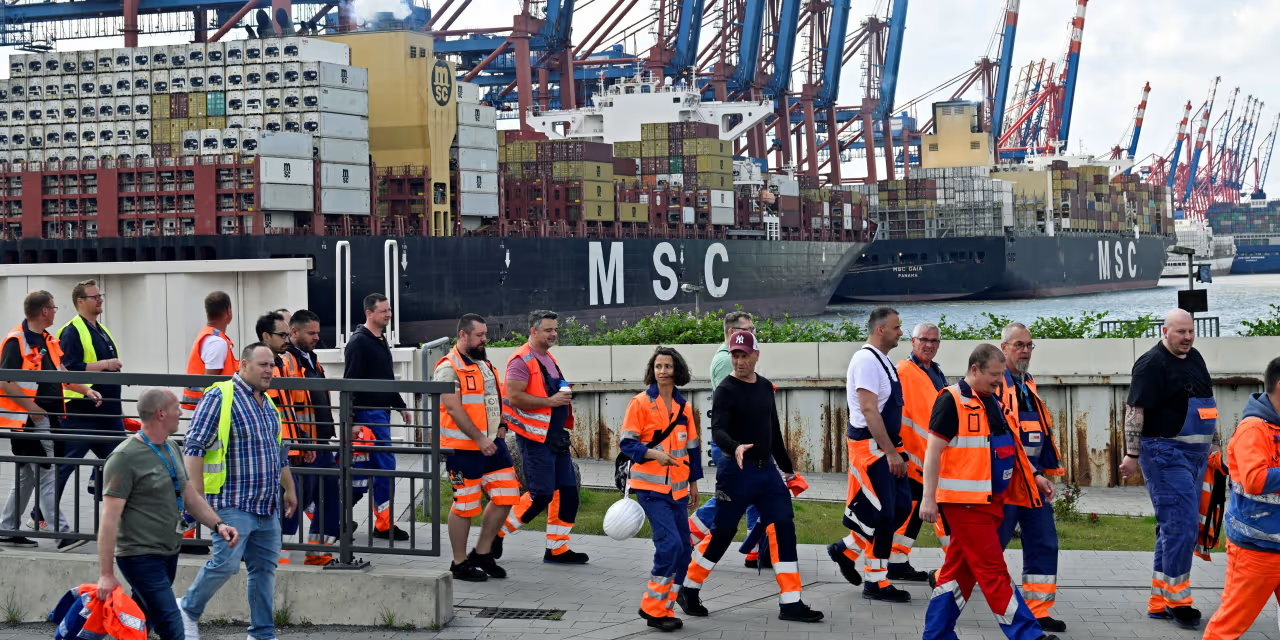

 

U.S. Port Workers and Operators Reach Deal to End East Coast Strike Immediately

U.S. dock workers and port operators have reached a tentative agreement that will immediately end the crippling three-day strike that had shut down shipping across the East Coast and Gulf Coast. The deal, announced Thursday, includes a wage hike of around 62% over six years, raising average wages from $39 an hour to about $63 an hour, according to sources familiar with the negotiations.

The strike, led by the International Longshoremen’s Association (ILA) and affecting 45,000 port workers, was the largest work stoppage of its kind in nearly 50 years. It caused significant delays in unloading container ships from Maine to Texas, resulting in backlogs of anchored ships and threatening supply shortages across the country. Critical supplies, from food to auto parts, were held up due to the strike, which impacted 36 major ports, including those in New York, Baltimore, and Houston.

The wage increase comes after the ILA initially sought a 77% raise, while the United States Maritime Alliance (USMX), representing the employers, had previously offered nearly a 50% increase. The two sides also agreed to extend their master contract until January 15, 2025, allowing more time to negotiate unresolved issues, including the contentious topic of port automation, which the union argues could lead to significant job losses.

Harold Daggett, the ILA’s president, had voiced concerns about automation, accusing companies like Maersk and APM Terminals of pushing projects that would reduce jobs. The Biden administration supported the union’s demands for higher wages, citing the shipping industry’s substantial profits since the COVID-19 pandemic and applying pressure on port operators to reach an agreement.

President Joe Biden welcomed the tentative deal, calling it “critical progress towards a strong contract” and affirming the importance of collective bargaining. The White House had been heavily involved in facilitating the agreement, with Chief of Staff Jeff Zients leading early morning discussions with shipping CEOs to emphasize the urgency of reopening ports, particularly in light of hurricane recovery efforts in southeastern states. By midday Thursday, port operators had agreed to a higher offer, leading to a breakthrough in negotiations.

The port strike, which began on Tuesday, marked the ILA’s first major work stoppage since 1977 and had already resulted in at least 45 container ships anchored outside East and Gulf Coast ports by Wednesday, a sharp increase from the three ships seen before the strike. Analysts at JP Morgan estimated that the strike was costing the U.S. economy approximately $5 billion per day.

Industry leaders, such as the National Retail Federation and National Association of Manufacturers, expressed relief at the resolution, calling the decision to end the strike “good news” for the economy and supply chains. However, they urged both parties to quickly finalize a lasting deal to prevent further disruptions.

While economists noted that the short-term strike may not lead to immediate price hikes due to companies accelerating shipments before the strike, they warned that a prolonged stoppage could eventually affect consumer prices, particularly for food items.