Defector Detained After Attempting to Return to North Korea on Stolen Bus

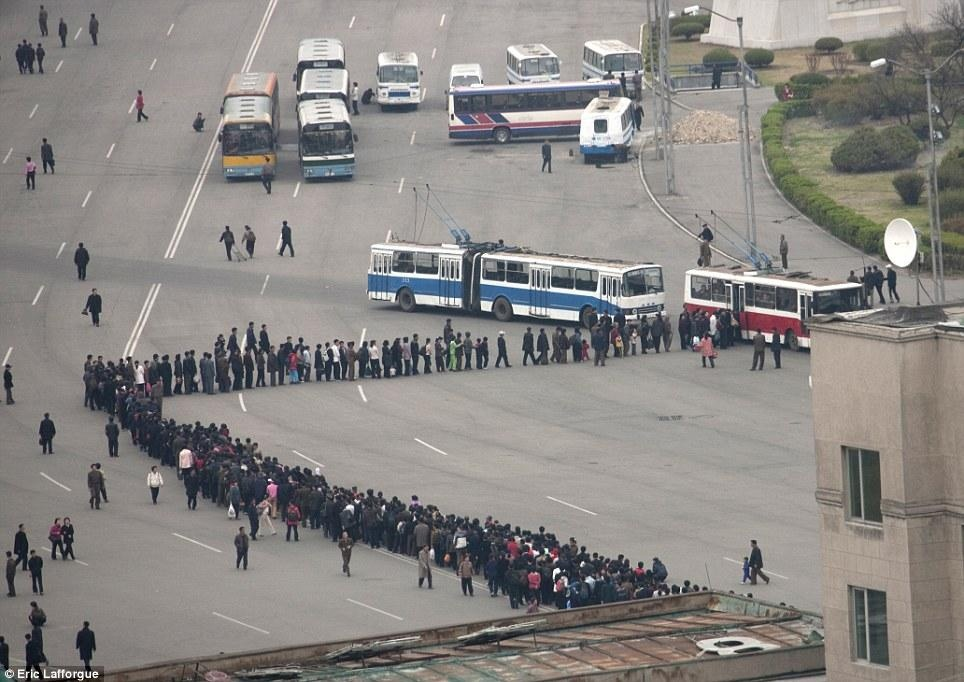
South Korean police have arrested a North Korean defector who attempted to return to North Korea by stealing a bus and crashing it into a barricade on the heavily fortified Unification Bridge, which separates the two Koreas. The incident occurred on Tuesday when the man, in his 30s, disregarded soldiers’ orders to stop and drove the bus into a barrier.

This unusual case stands out, as while approximately 34,000 North Koreans have defected to South Korea since the division of the Korean peninsula over 70 years ago, incidents of defectors trying to return to the North are rare. According to South Korean media, the defector expressed a desire to go back home due to difficulties he faced while living in the South. He had originally left North Korea about a decade ago.

The man reportedly stole the bus from a garage in Paju around 1:00 AM local time on Tuesday and was apprehended just 30 minutes later. Surveillance footage revealed him wearing a hat as he attempted to unlock several vehicles before successfully entering the bus. At the time of the incident, authorities found no evidence that he was under the influence of alcohol or drugs.

Having worked as a day laborer in Paju and other cities, the defector mentioned to police that he had accumulated several unpaid fines, contributing to his decision to return to North Korea. Under South Korean law, crossing the border to North Korea without government permission is prohibited, and defectors are automatically granted citizenship. Offenders face imprisonment of up to ten years if convicted.

While South Korea receives over 1,000 defectors from the North annually, only 31 defectors attempted to return to North Korea between 2012 and 2022, as reported by the South’s Unification Ministry. Many defectors find life in the South challenging and below their expectations; on average, they earn around 2.3 million won ($1,740; £1,300) per month, according to a recent survey from the Korea Hana Foundation. Others may wish to return to see family members left behind.

However, returning to North Korea carries significant risks. Some defectors face imprisonment upon their return, while others undergo harsh re-education processes. For instance, a defector in January 2022 returned to North Korea after a year in the South, citing struggles to make a living as the reason for his return.
 

Italy and Switzerland Agree to Shift Shared Border Due to Melting Glaciers

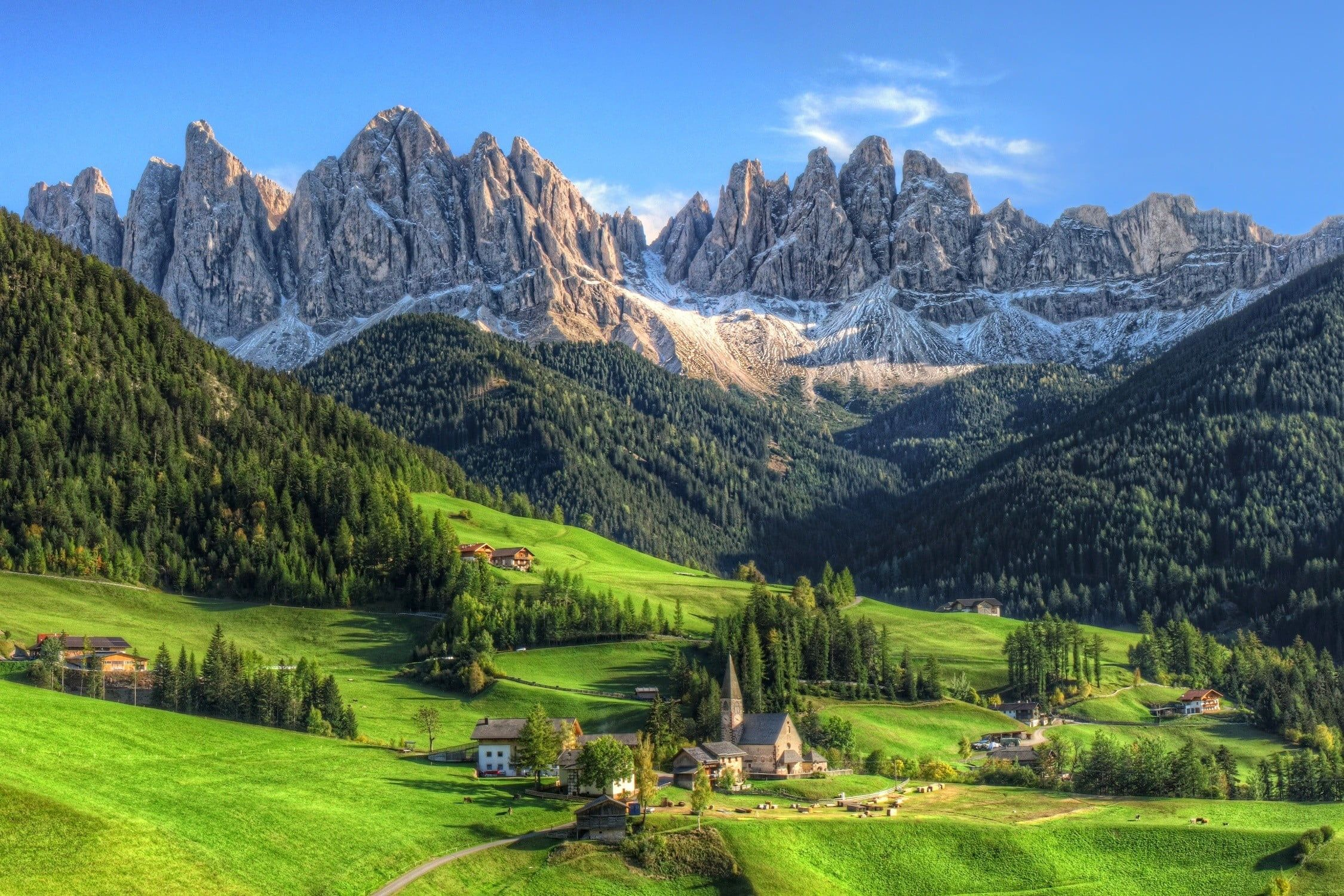
Italy and Switzerland have reached an agreement to adjust their shared border under the iconic Matterhorn Peak, a prominent feature in the Alps overlooking the popular ski resort of Zermatt. This decision, finalized by the Swiss government and pending approval from Italy, highlights the significant impact of climate change on national boundaries traditionally defined by natural features.

The border changes were first agreed upon in 2023 and were officially approved by the Swiss government recently. As glaciers and snowfields, which often define such borders, continue to melt due to rising temperatures, national boundaries have become increasingly fluid. The Swiss government explained, “With the melting of the glaciers, these natural elements evolve and redefine the national border.”

Europe is experiencing the fastest rate of warming globally, and its glaciers are particularly affected. In Switzerland, glaciers lost 4% of their volume last year, following a record 6% loss in 2022. Matthias Huss, a glaciologist at ETH Zürich and director of the Swiss glacier monitoring network GLAMOS, reported that glaciers are continuing to diminish rapidly. “In 2024, glaciers continued to lose ice at a high speed despite much snow in winter that was expected to bring some relief,” he noted, emphasizing that some smaller glaciers are disappearing entirely.

The melting glaciers not only threaten the geographical landscape but also increase the risk of landslides and collapses. This issue was tragically underscored in 2022, when 11 individuals lost their lives due to a glacier collapse in the Italian Alps. Furthermore, the retreat of these glaciers has led to unsettling discoveries, including the recovery of a mountain climber’s remains who had been missing for 37 years near the Matterhorn.

As glaciers recede, their ability to supply vital freshwater diminishes, which could exacerbate water shortages during extreme heat waves. Huss pointed out that the shifting of national borders is merely a “small side-effect” of the larger consequences of glacier melting. However, the visibility of such changes in the world map serves as a stark reminder of the profound transformations brought about by climate change.

The agreement to shift the border marks an important acknowledgment of the realities of climate impact on geographic and political landscapes, as nations grapple with the evolving effects of a warming world.


Boris Johnson Claims in Memoir That Queen Elizabeth II Had Bone Cancer

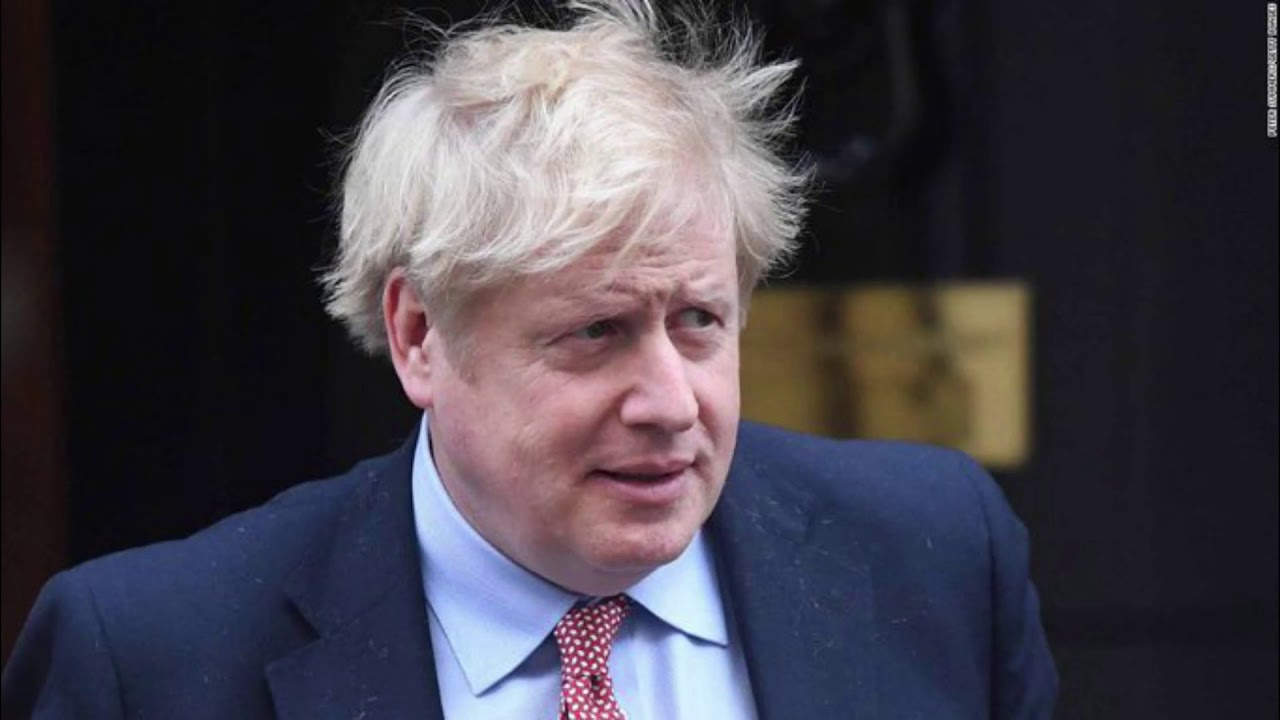
Former British Prime Minister Boris Johnson has made a significant claim in his upcoming memoir, stating that Queen Elizabeth II had bone cancer before her death. This revelation breaks traditional royal protocol, as health details regarding the late monarch were previously undisclosed. Johnson’s memoir, due to be released on October 10, has been partially serialized in the Daily Mail.

Johnson recalls Queen Elizabeth’s final days, noting her deteriorating condition during his last visit to Balmoral, Scotland, just two days before her passing in September 2022. While the official cause of death on her certificate was recorded as “old age,” Johnson provides a different perspective, asserting that he had known of her cancer diagnosis for over a year. He also described the Queen as mentally sharp despite her physical frailty during their last audience together.

Buckingham Palace has not commented on Johnson’s memoir or the claims regarding the Queen’s health, as it maintains a longstanding policy of privacy regarding royal medical matters. Other former British leaders, such as Tony Blair, Gordon Brown, and David Cameron, have written memoirs that reflect on their time with the Queen, but none have delved into such intimate and specific details.

Johnson’s memoir highlights his admiration for the Queen’s sense of duty, calling their weekly meetings a “privilege” and praising her leadership. He described the Queen as a figure who embodied the essence of service and unity, someone who represented the best of Britain.

While Queen Elizabeth II was known for keeping her health private, other royal family members, such as King Charles III and Catherine, Princess of Wales, have been more open about their personal health struggles, sharing their battles with cancer. However, they too have remained selective about the details, choosing to keep certain aspects of their diagnoses private.