
Woman with Rare Double Uterus Gives Birth to Twins in China

A woman in northwestern China, identified only by her last name Li, gave birth to twins, one from each of her two uteruses, in a rare medical event. The twins, a boy and a girl, were delivered via caesarean section last month at Xi’an People’s Hospital in Shaanxi province. The hospital called the case a “one in a million” occurrence, as it is exceptionally rare for a woman to conceive twins in both cavities of a double uterus, known as uterine didelphys.

Uterine didelphys is a congenital condition affecting about 1 in 2,000 women, where a woman has two separate uteruses and cervixes. According to the hospital’s statement on Weibo, it is even rarer for such twins to be carried to full term. Despite the potential complications, Li successfully delivered a boy weighing 7 pounds, 19 ounces and a girl weighing 5 pounds, 30 ounces.

Li had previously experienced a miscarriage, but her latest pregnancy, discovered in January, revealed the extraordinary case of twins, one in each womb. The pregnancy was closely monitored, and the medical team was able to ensure a healthy delivery for both babies.

The remarkable story has captivated millions on Chinese social media, with users expressing awe and admiration. Many congratulated the mother on her extraordinary experience, with some commenting on the physical and emotional challenges she likely faced.
Ireland Unveils Plan to Use $14 Billion Apple Tax Windfall for Infrastructure

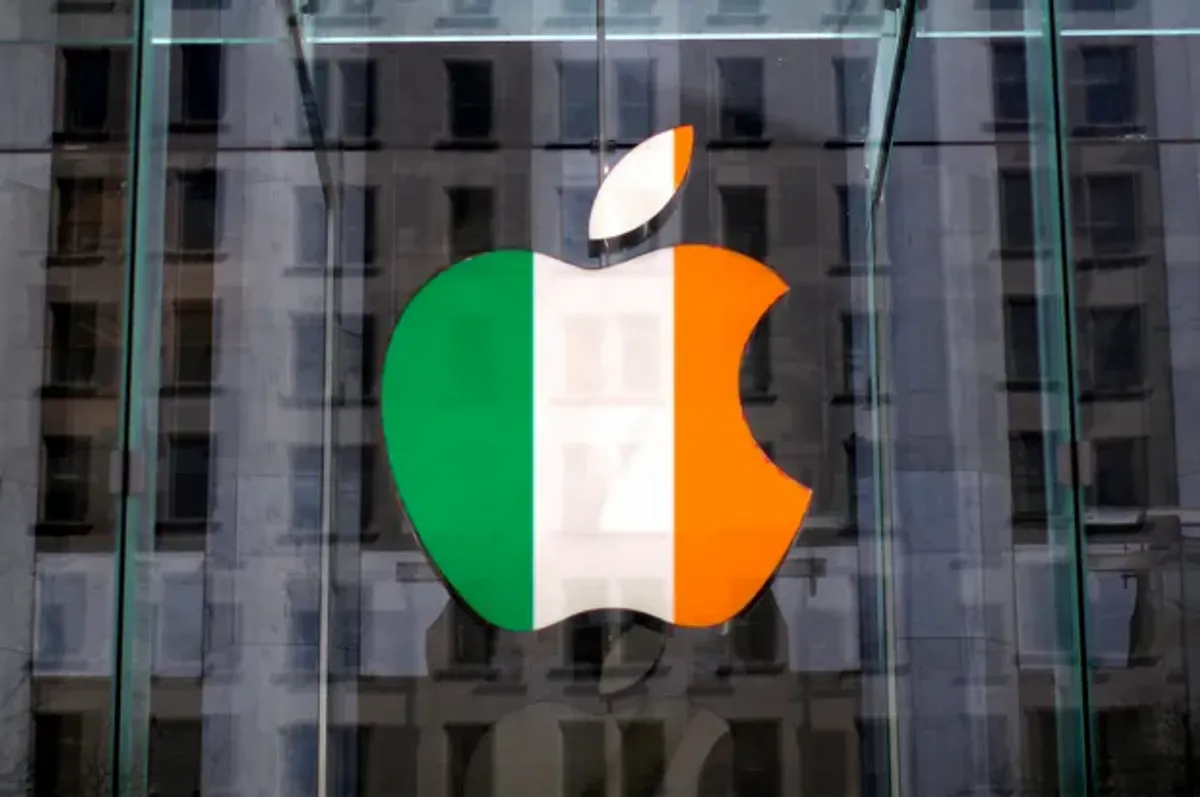
Ireland’s government has announced its strategy for utilizing the €13 billion ($14.4 billion) in back taxes from Apple, following a historic European court ruling. Irish Finance Minister Jack Chambers outlined the plan in a pre-election budget speech, describing the windfall as “transformational” for the country.

The funds will be directed toward essential infrastructure projects, focusing on housing, energy, water, and transport, according to Chambers. He emphasized the importance of not using the money for day-to-day spending or to reduce taxes, instead highlighting its potential to address long-term challenges facing Ireland’s infrastructure.

The announcement comes weeks after the European Court of Justice (ECJ) ruled that Apple must pay Ireland the back taxes. The case, which has been ongoing since 2016, saw the European Commission accuse Ireland of granting Apple “unlawful aid” by allowing the tech giant to benefit from favorable tax arrangements. Despite Ireland’s previous resistance, the ECJ’s decision was final and welcomed by EU officials and tax advocates.

Infrastructure Focus Chambers revealed that the additional revenue will be crucial for Ireland’s economic future, as the country plans to invest in key sectors that have been underfunded. The government’s priority will be water, wastewater systems, energy infrastructure, and transportation, all of which are seen as critical for sustainable development.

The Dublin Chamber, representing over 1,000 businesses, expressed support for the government’s commitment to infrastructure. Its CEO, Mary Rose Burke, emphasized the importance of ring-fencing the funds for capital projects, ensuring the money is allocated to tangible improvements.

Pre-Election Context With a general election due by March next year, the surplus from corporate tax receipts and the Apple windfall places Ireland in a unique financial position. The government’s handling of the funds could influence the upcoming elections, as investment in infrastructure is seen as a key issue for voters.

Apple, which bases its European operations in Ireland, expressed disappointment with the court ruling, while Ireland’s government maintained that it does not give preferential tax treatment to any company. The country’s low corporate tax rate has historically attracted tech giants like Apple, though this ruling may shift the dynamics of foreign investment in the region.


Iran-Israel Escalation Heightens Risk of Global Oil Supply Disruptions

The recent Iran-Israel conflict has created a significant threat to global oil supplies following Iran’s ballistic missile attack on Israel. This escalation, in retaliation for Israel’s killing of Hezbollah leader Hassan Nasrallah and an Iranian commander, has raised concerns that Iran’s oil infrastructure could become a target in potential Israeli counterattacks.

Saul Kavonic, senior energy analyst at MST Marquee, noted that the scope for a material disruption to global oil supply is imminent, with up to 4% of the world’s crude production at risk. If oil infrastructure or tighter sanctions come into play, prices could surge past $100 per barrel, according to analysts.

Iran’s missile attack followed Israel’s intensified offensive in southern Lebanon against Hezbollah, a militant group backed by Iran. Most of the missiles launched were intercepted, and there were no reported fatalities in Israel. Oil prices have already seen a sharp rise, with Brent crude up 1.44% at $74.62 per barrel and U.S. West Texas Intermediate (WTI) futures climbing 1.62% to $70.95 per barrel.

Despite the initial spike in oil prices, global supply has been cushioned by increased U.S. production and lower demand from China. However, as Iran is the third-largest oil producer within OPEC, with nearly four million barrels per day, a disruption in its supply could send global prices soaring.

A New Phase of Conflict Bob McNally, president of Rapidan Energy Group, warned that as Israel shifts focus from Gaza to Lebanon and Iran, the war may enter a new phase with more energy-related consequences. The potential for a large-scale Israeli retaliation could exacerbate the situation, leading to further oil market volatility. McNally cautioned that the conflict is “going to get worse before it gets better.”

Ross Schaap of GeoQuant, which tracks political risk, observed a significant rise in risk levels following the missile strikes, suggesting that even larger events may unfold. Josh Young, CIO of Bison Interests, pointed out that an Iranian supply disruption could cause oil prices to jump beyond $100 per barrel if Iranian exports are taken offline.

As the conflict continues, global markets are bracing for potential long-term impacts on oil supply and prices.