
Europe Plans Stronger Sanctions on Russia Amid Concerns Over Potential U.S. Policy Shift Under Trump

European diplomats are working to solidify sanctions against Russia in preparation for a possible shift in U.S. policy should former President Donald Trump win the 2024 election. EU officials are considering measures like long-term freezes on Russian central bank assets, tighter monitoring of goods destined for Russia, and expanded restrictions on Russian oil shipping. The goal is to ensure that sanctions against Moscow remain firm even if the U.S. adopts a less aggressive approach.

Key Sanctions Initiatives

To reduce reliance on U.S. enforcement, Europe is exploring several mechanisms. One proposed “catch-all” clause would allow customs officials to scrutinize shipments with unusual routes, like those passing through Russia en route to Central Asia. Another idea involves extending the current six-month renewal requirement on frozen Russian central bank assets to a 36-month interval, ensuring continuity in this major sanction. Additionally, the European Union is working on its 15th sanctions package to further restrict Russian oil revenue and monitor the re-export of restricted goods through non-EU subsidiaries.
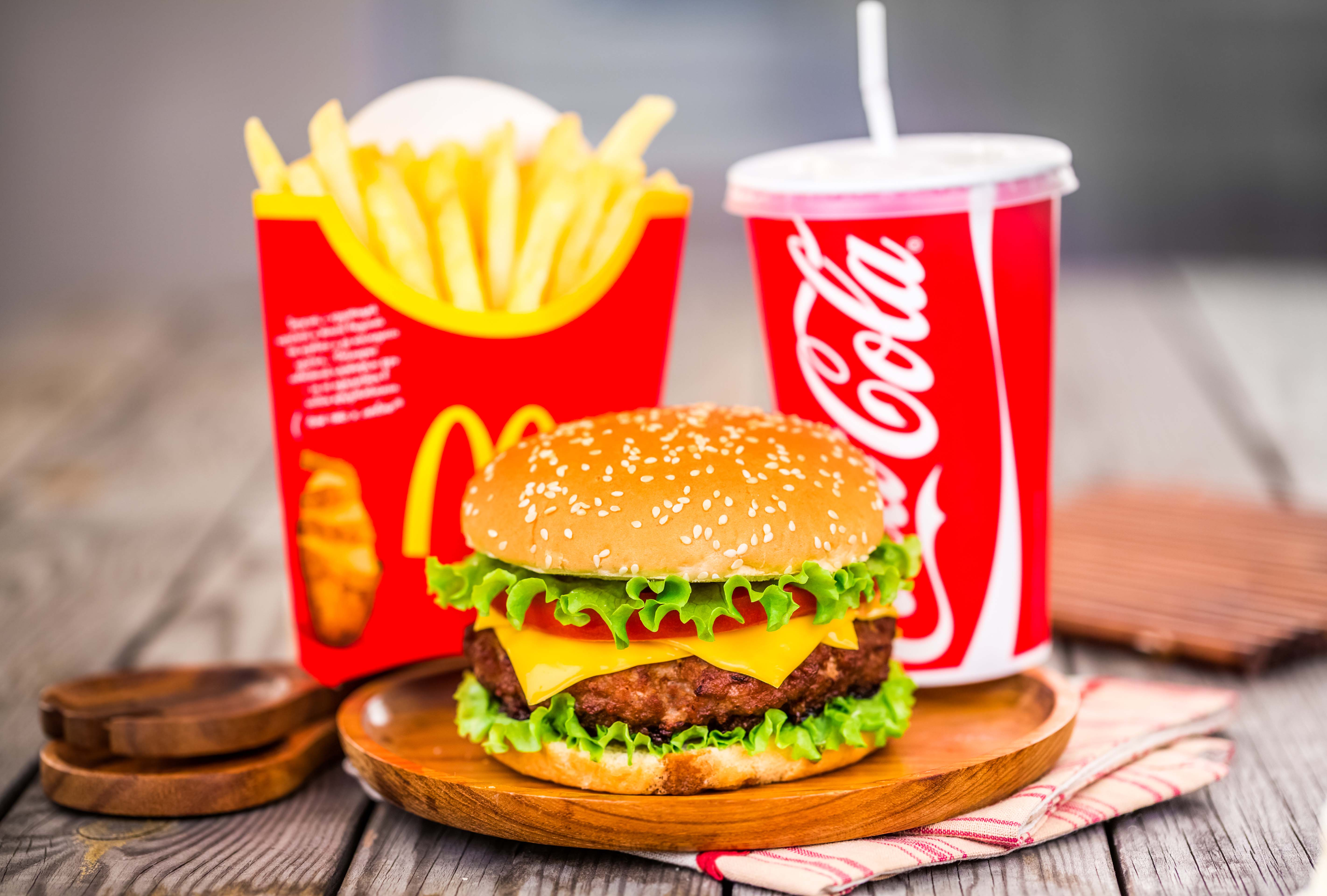

McDonald’s E. Coli Outbreak Highlights Produce Safety Challenges for Restaurants

In a move highlighting the risks of vegetable contamination, McDonald’s has temporarily removed items with fresh onions from some locations following an E. coli outbreak, reportedly tied to contaminated onions, that has affected over 75 individuals across the Midwest and Western U.S. This incident underscores the difficulty of ensuring produce safety in fast-food environments, where produce is often served raw. Unlike beef, which can be effectively sterilized through cooking, produce remains exposed to contamination risks from environmental sources that are harder to control.

Challenges in Produce Safety

With raw vegetables, the risk of contamination is elevated due to potential exposure to animal feces, untreated manure, or contaminated irrigation water in open fields. As E. coli naturally exists in the digestive tracts of animals, ranging from cattle to wildlife, pathogens can enter the food chain through unregulated water sources or improper handling. Contaminants often evade detection due to minimal bacterial presence, which is difficult to identify through standard testing methods.

Regulatory and Industry Responses

Federal regulations, including the Food Safety Modernization Act of 2011, have introduced standards for safe produce handling, but the fragmented nature of the produce supply chain has made enforcement challenging. While companies like McDonald’s implement frequent testing, even rigorous oversight cannot catch all contamination. Experts suggest that enhanced private-sector standards, led by major buyers, could be instrumental in pushing for safer produce practices across the industry.

U.S. Navy to Equip Ships with Patriot Missiles Amid Concerns Over China’s Hypersonic Weaponry

In response to China’s rapidly advancing missile technology, particularly the deployment of hypersonic weapons, the U.S. Navy is planning to install Patriot Advanced Capability-3 Missile Segment Enhancement (PAC-3 MSE) interceptors on select vessels. These agile missiles, currently used by the U.S. Army for land-based air defense, could provide an additional layer of protection for Navy ships facing China’s maneuverable anti-ship ballistic missiles in the Indo-Pacific region, according to senior defense officials.

Adapting Navy Defenses

As China tests advanced missiles like the DF-27, which employs hypersonic glide vehicles to evade detection and hit moving targets, the Navy sees the Patriot missiles as a necessary addition. The PAC-3’s “hit-to-kill” technology allows for precise strikes on incoming threats, enhancing Navy ships’ current anti-missile systems. Compared to the Navy’s SM-6 missiles, the PAC-3 is smaller, more agile, and less costly, making it a potentially ideal interceptor for fast-moving, unpredictable ballistic missiles. This comes as Lockheed Martin seeks U.S. Army approval to increase PAC-3 production and establish a new seeker production line in Florida.

Growing Threat of Chinese Missiles

China’s missile arsenal includes the DF-21D “carrier killer,” the intermediate-range DF-26 with anti-ship warheads, and the new DF-27, which is capable of long-range strikes. This arsenal underscores the need for reliable countermeasures as the Indo-Pacific’s security landscape evolves. The PAC-3 interceptors, proven effective against advanced threats in Ukraine and the Middle East, are now being considered for deployment at sea to bolster U.S. defense capabilities.