
Iranian Hackers Allegedly Release Trump Campaign Emails, Highlighting Election Interference Efforts

A suspected Iranian hacking group has reportedly circulated emails from U.S. Republican presidential candidate Donald Trump’s campaign, gaining attention after sharing material through a Democratic operative and independent journalists. The emails, which reveal campaign communications with external advisers on 2024 election strategies, are part of an ongoing election interference effort allegedly linked to Iran, despite a recent U.S. Justice Department indictment accusing them of meddling in the U.S. democratic process.

Key Developments in the Leak

The hackers, allegedly associated with the Iranian government-backed group Mint Sandstorm (APT42), reportedly accessed the Trump campaign by stealing passwords from multiple staffers in May and June. After failing to draw mainstream media attention initially, the group—using the fake identity “Robert”—turned to independent journalists and American Muckrakers PAC, which has now published select documents.

In discussions with Reuters, “Robert” did not respond to allegations, while the U.S. Department of Justice maintains the hackers are associated with Iran’s Basij paramilitary force. This hacking operation exemplifies Iran’s alleged commitment to interfere in U.S. elections. The Iranian mission to the United Nations denied involvement, calling such accusations “unfounded and inadmissible.”

Media Response and Content of the Leaks

The leaked emails reportedly feature sensitive information from the Trump campaign, including vice-presidential candidate research on Republican politicians like JD Vance, Marco Rubio, and Doug Burgum. However, media outlets such as the New York Times, Washington Post, and Politico declined to publish the content, citing its lack of public interest. While the emails have not dramatically shifted Trump campaign dynamics, American Muckrakers and independent journalist Ken Klippenstein have published portions, leading to FBI warnings about foreign influence.

In response, Trump’s campaign criticized Iran’s efforts to destabilize the U.S. election, emphasizing the national security risk posed by re-publishing these documents.

Continued Risk of Foreign Interference

U.S. intelligence and law enforcement agencies have noted that Iran’s efforts focus on undermining Trump, whom they blame for the 2020 assassination of Iranian General Qassem Soleimani. The FBI continues to monitor Iranian hacking activities against both major U.S. presidential campaigns. The American Muckrakers’ founder, David Wheeler, has stated that the PAC intends to continue sharing “authentic” documents to inform the public, claiming his organization’s actions are in the public interest.

As election interference concerns mount, U.S. agencies have redoubled efforts to counteract foreign influence and secure campaign communications, while Iran’s purported involvement underscores the ongoing threat to democratic integrity.
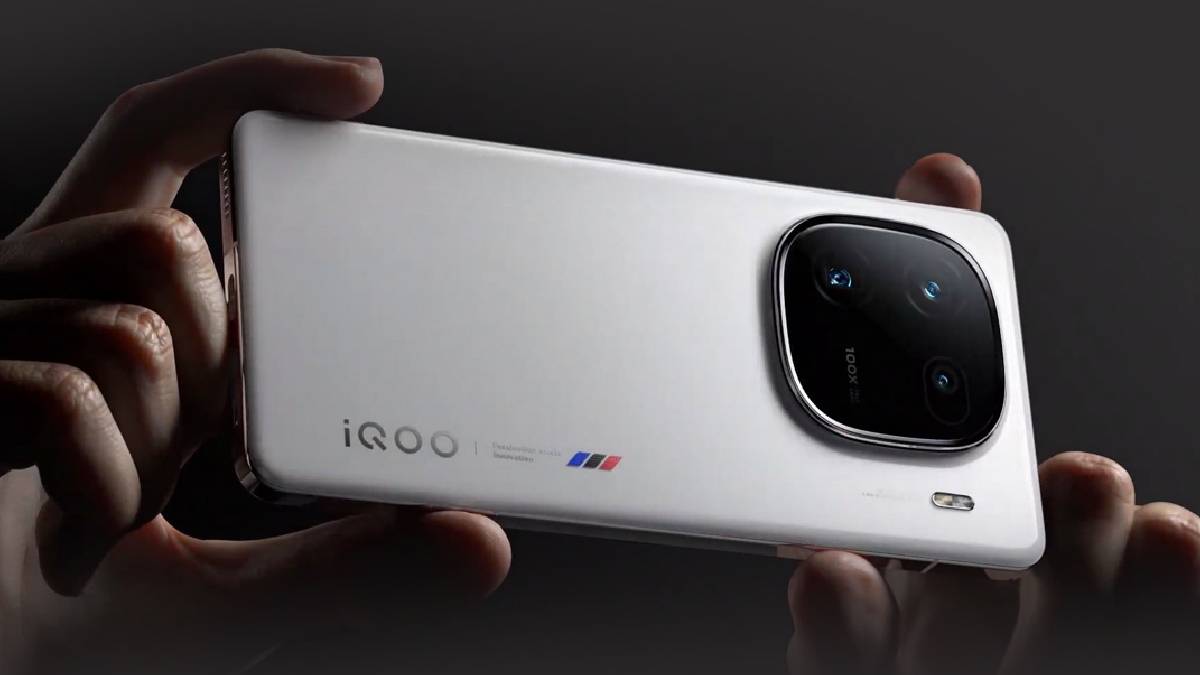
iQOO 13 to Debut with Advanced BOE Q10 Display Offering 2K Clarity

The iQOO 13, anticipated to be iQOO’s next flagship smartphone, is set for release in China next month, and new details from Vivo’s Developer Conference (VDC) 2024 have confirmed a major upgrade: the integration of BOE’s next-generation Q10 display. This announcement from the Vivo sub-brand confirms that the iQOO 13 will bring a premium viewing experience with the Q10 display, emphasizing improved brightness, color quality, and energy efficiency over past screen technologies. As excitement builds, this display upgrade is expected to offer notable advantages for users, especially in media consumption and gaming.

The BOE Q10 display on the iQOO 13 is designed with a 2K resolution, which aims to elevate the visual experience by delivering sharpness and vibrant colors that align with modern flagship standards. Developed with a new luminescent material, this display enhances the brightness and lifespan of the screen without demanding more battery power, a significant step for display technology. Vivo emphasized that these advancements should provide a distinct user experience improvement for high-definition streaming, gaming, and overall smartphone use.

BOE’s Q10 screen technology claims up to 12.5% better global brightness compared to older models, providing clearer visuals under bright light or outdoor conditions. Power efficiency has also been improved, with the display consuming about 10% less power. Moreover, color consistency is markedly better, with BOE reporting a 50% reduction in color deviation, which should offer more accurate and consistent color reproduction, appealing to photo and video editors, content creators, and everyday users.

Additionally, the new Q10 display offers a 33% longer lifespan, ensuring durability and longevity for users who prioritize device longevity. This makes the iQOO 13’s display not only visually superior but also more sustainable over time, setting it up to be a strong competitor in the flagship market. This focus on display technology underscores Vivo and iQOO’s commitment to pushing the boundaries of smartphone innovation in both performance and visual quality.

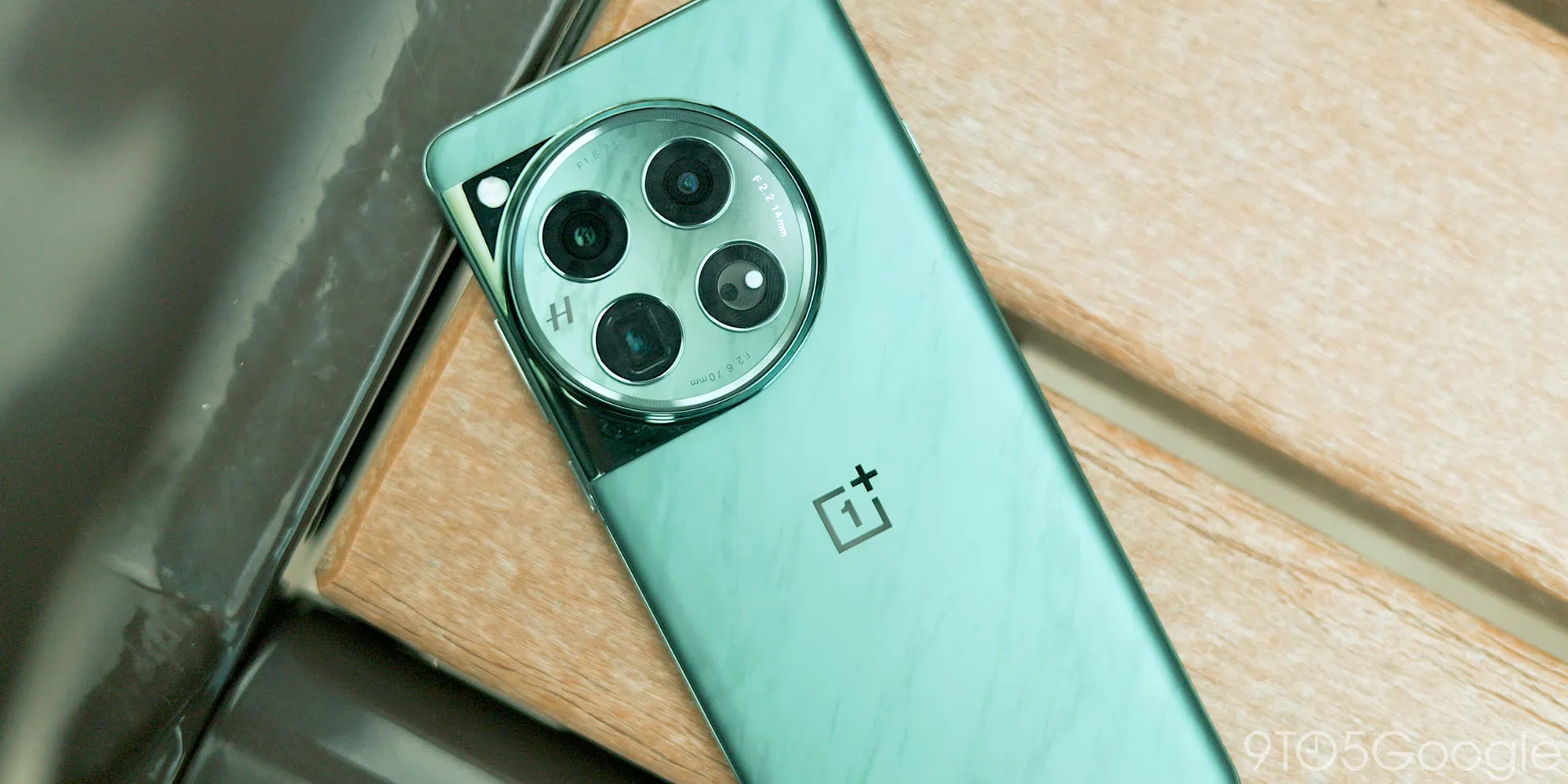
OnePlus 13 Launching This Month with Promised Major Performance Boost

The OnePlus 13 is set for an October launch in China, confirmed by OnePlus China President Louis Lee. A global release is expected later this year, following the phone’s initial unveiling in its home market. Alongside the launch date, Lee has teased a major performance upgrade for the OnePlus 13, reportedly powered by Qualcomm’s latest Snapdragon 8 Gen 4 chipset, which could bring significant enhancements in speed and efficiency over previous models. This new flagship is expected to raise the bar for Android performance, promising smoother user experiences and faster processing capabilities.

OnePlus 13 Launch and ColorOS 15 Integration

Lee’s announcement, shared on Weibo, also highlights the introduction of ColorOS 15, Oppo’s custom Android skin, which will run on the OnePlus 13 in China. Unlike global variants that typically feature Oxygen OS, OnePlus devices in China use Oppo’s ColorOS for a more region-specific experience. With ColorOS 15, the OnePlus 13 is expected to offer enhanced user interface features and optimizations tailored for Chinese users, although international variants may maintain some customizations unique to Oxygen OS.

Performance Gains and Snapdragon Power

Lee underscored that the OnePlus 13’s performance improvements are attributed to the “latest Snapdragon flagship chip,” likely the Snapdragon 8 Gen 4. He described the upgrade as a “big leap” in overall performance and fluidity, marking a new peak for Android devices. This new processor is anticipated to deliver enhanced graphics rendering, reduced power consumption, and an overall increase in multitasking efficiency. This will be crucial for users who rely on high-performance features for gaming, photography, and productivity.

Expectations for Global Users

The global release of the OnePlus 13 is expected to follow shortly after the China launch, likely in time for the holiday season. With its promising upgrades and a new OS experience, the OnePlus 13 is set to be a competitive contender among high-end Android smartphones. Global users can look forward to experiencing these advancements with potential customizations that align with Oxygen OS’s design philosophy and features tailored to international markets.