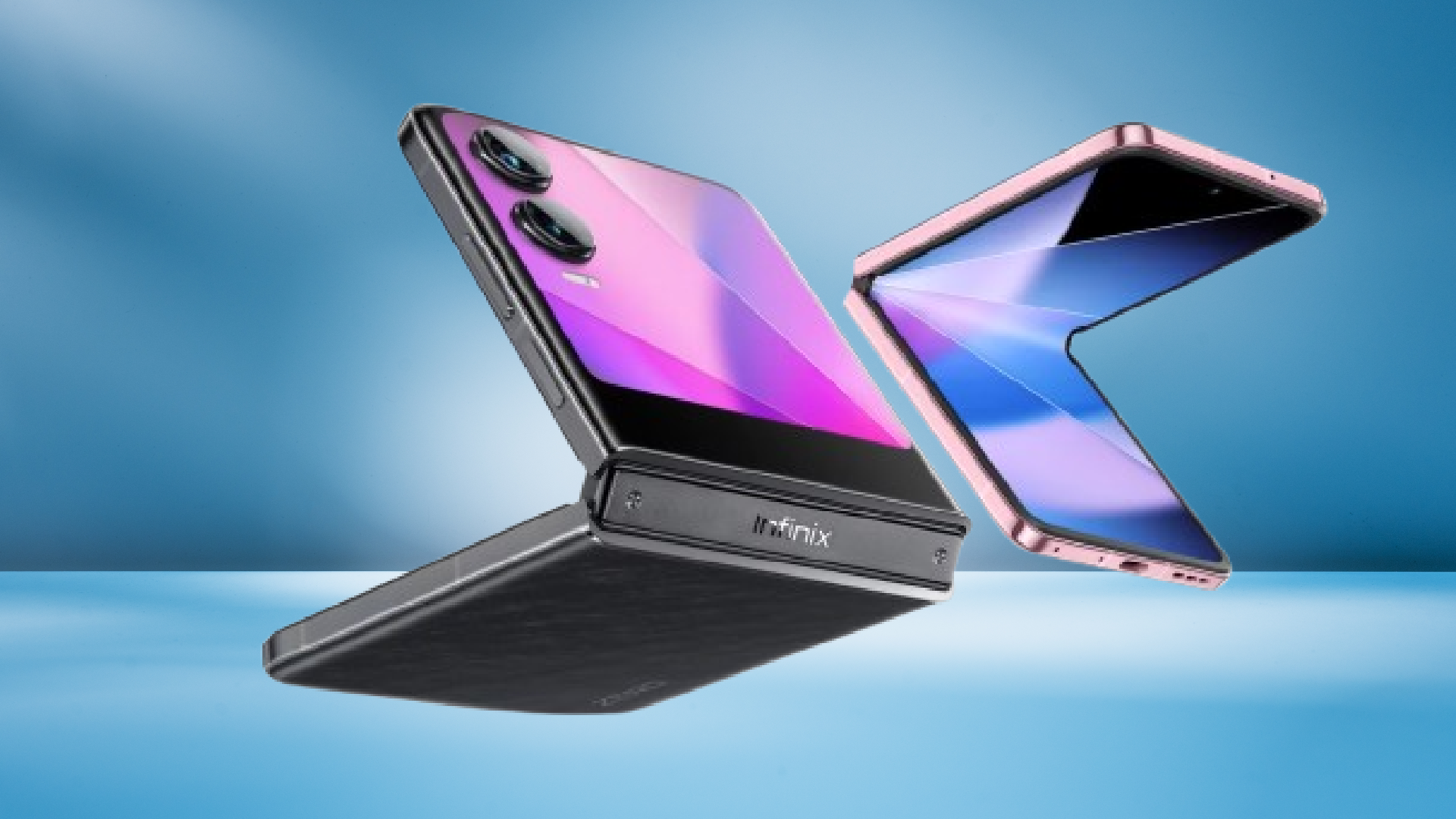
Infinix Zero Flip 5G: 50MP Dual Cameras, GoPro Integration, and AI Vlog Mode Unveiled

The Infinix Zero Flip 5G is set to make its debut in India on October 17, following its global launch a month prior. This marks Infinix’s first clamshell-style foldable smartphone entry in the Indian market, positioning it as a competitor to other premium foldable phones like the Motorola Razr 50 and Tecno Phantom V Flip 5G. Infinix has already revealed key features of the device, including its impressive camera setup and advanced video capabilities, aimed at delivering an enhanced user experience, especially for vloggers and content creators.

One of the standout features of the Infinix Zero Flip 5G is its dual rear camera system. The primary sensor is a 50-megapixel unit equipped with optical image stabilization (OIS), ensuring smooth and blur-free photos and videos. Accompanying this is a 50-megapixel ultra-wide-angle sensor, which helps capture more expansive scenes and group shots. This setup is supported by a dual LED flash, ensuring better low-light performance. The phone also supports 4K video recording at up to 30 frames per second (fps), promising high-quality videos.

For those interested in selfies and video calls, the Infinix Zero Flip 5G doesn’t disappoint. It comes with a 50-megapixel front-facing camera, utilizing a Samsung sensor to deliver detailed and crisp images. With 4K recording capabilities at 60fps, the phone is designed for high-quality vlogging and social media content creation. Infinix’s ProStable video feature is expected to further enhance video stabilization, making it an attractive option for content creators who want smooth, professional-looking footage.

Another notable feature is the flexibility it offers when taking photos and videos. Users can choose between an LED flash or the screen flash, depending on the lighting conditions, ensuring better image quality regardless of the environment. With its powerful camera setup and support for advanced video features, the Infinix Zero Flip 5G aims to attract photography enthusiasts and social media influencers who need a versatile, high-performance device.

Gemini AI Assistant Rumored to Gain Integration with WhatsApp and Spotify Through New Extensions

Gemini AI Assistant on Android is rumored to receive new integration features, making it a more versatile tool for users. Initially introduced as an AI-driven alternative to Google Assistant, Gemini was designed to answer queries, generate text, and perform web searches. However, its lack of integration with third-party apps limited its usefulness in everyday tasks. To address this, the tech company behind Gemini introduced extensions that allowed the AI assistant to interact with specific applications. Now, new reports suggest that Gemini will soon support extensions for popular apps like WhatsApp and Spotify, significantly enhancing its utility.

Expanding Its Functionalities Through Extensions
Recent reports indicate that Gemini’s capabilities are set to broaden with the inclusion of these new app integrations. A tipster known as AssembleDebug revealed to Android Authority that the update was spotted in the Google app’s Android beta version 15.40.31.29. While the feature isn’t yet live for beta testers, the update could allow Gemini to perform a variety of tasks within WhatsApp and Spotify. These could include sending messages, managing playlists, or accessing user content directly through voice commands, making the assistant more useful for users seeking hands-free operation across different apps.

The Role of Extensions in Enhancing the Assistant
The rollout of Gemini’s extension capabilities reflects a trend among AI assistants to become more integrated into the digital ecosystem. The extension for WhatsApp, for example, could allow users to quickly send or receive messages and manage contacts, while Spotify integration could enable playlist curation or song selection via voice commands. This kind of flexibility could elevate Gemini from a general-purpose assistant to a more personalized digital companion, helping users manage multiple apps without needing to open them individually.

What Lies Ahead for Gemini
If the rumored updates are successful, Gemini could potentially compete with other AI assistants that already offer extensive third-party app integration. As AI becomes more embedded into mobile operating systems, this development suggests that the future of AI assistants like Gemini may lie in how well they can connect users with the apps they rely on daily.

The Impact of AI on Work Burnout: A Double-Edged Sword

The introduction of AI tools in the workplace has sparked a debate about their effects on productivity and employee well-being. While many business leaders see potential for increased efficiency, numerous employees report heightened stress and burnout.

Case Study: Everest PR

Anurag Garg, the founder of Everest PR, faced this dilemma firsthand. Eager to enhance productivity, he encouraged his team of 11 to integrate ChatGPT and other AI tools into their daily tasks, including generating story ideas and transcribing notes. However, instead of streamlining workflows, the effort led to increased tension among staff.

“There were too many distractions. The team complained that their tasks were taking twice the amount of time because we were now expecting them to use AI tools,” Garg noted.

The burden of creating detailed prompts and verifying the AI’s output added complexity to their responsibilities, ultimately resulting in burnout rather than relief. As Garg further explained, the influx of AI tools became overwhelming:

“There’s an overflow of AI tools in the market… I started getting utterly frustrated. The constant learning curve to stay relevant was leading to burnout.”

After realizing the stress these tools caused, Garg reverted to more traditional methods of task management, using AI primarily for research. This shift fostered a more manageable workload and improved employee morale.

Widespread Employee Concerns

Garg’s experience mirrors findings from a recent Upwork survey of 2,500 knowledge workers across the US, UK, Australia, and Canada. Despite 96% of executives believing AI will boost productivity, 77% of employees reported that AI tools have actually diminished their productivity and increased their workload. Additionally, 61% of respondents felt that using AI at work could elevate their chances of burnout, a sentiment echoed by 87% of workers under 25.

Moreover, a study from Asana highlighted the impact of using multiple work-related applications, revealing that:

  • 15% of workers using 6-15 apps miss important messages due to the volume of tools.
  • 23% of those using 16 or more apps feel less efficient and struggle with diminished attention spans.

The Burden of Increased Workload

Leah Steele, a coach for legal professionals, emphasizes that the pressure to accomplish more with fewer resources can exacerbate feelings of burnout. After implementing a new technology platform in a previous role, Steele’s own caseload skyrocketed from 50 to 250, illustrating the relentless pace at which professionals must now operate.

“Everything’s moving so quickly… it’s a constant battle to keep on top of things,” Steele explained.

She points out that burnout isn’t solely about the volume of work but also about how individuals perceive their roles. Many feel trapped in high-pressure environments, longing for the personal interactions they initially sought in their careers.

The Legal Sector’s Struggle with AI

The Law Society of England and Wales has acknowledged the challenges faced by lawyers due to AI’s integration. Richard Atkinson, the society’s president, stated:

“While AI can make legal work more efficient… it can also create more work for lawyers, not less.”

The learning curve associated with new technologies often requires additional training, adding to the existing workload instead of alleviating it.

Potential Benefits for Smaller Firms

Despite the challenges, some industry leaders see potential in AI. Alicia Navarro, founder of the online platform Flown, recognizes the abundance of AI tools but emphasizes the need for proper utilization. For small firms, she argues, AI can empower teams to achieve more with limited resources:

“It’s an incredibly empowering thing for start-ups to be able to do a lot more…”

Conclusion

The introduction of AI in the workplace is a double-edged sword. While the potential for increased productivity exists, the accompanying stress and demands may lead to burnout among employees. As organizations navigate this evolving landscape, finding a balance between harnessing AI’s capabilities and supporting employee well-being will be essential to foster a healthier work environment.