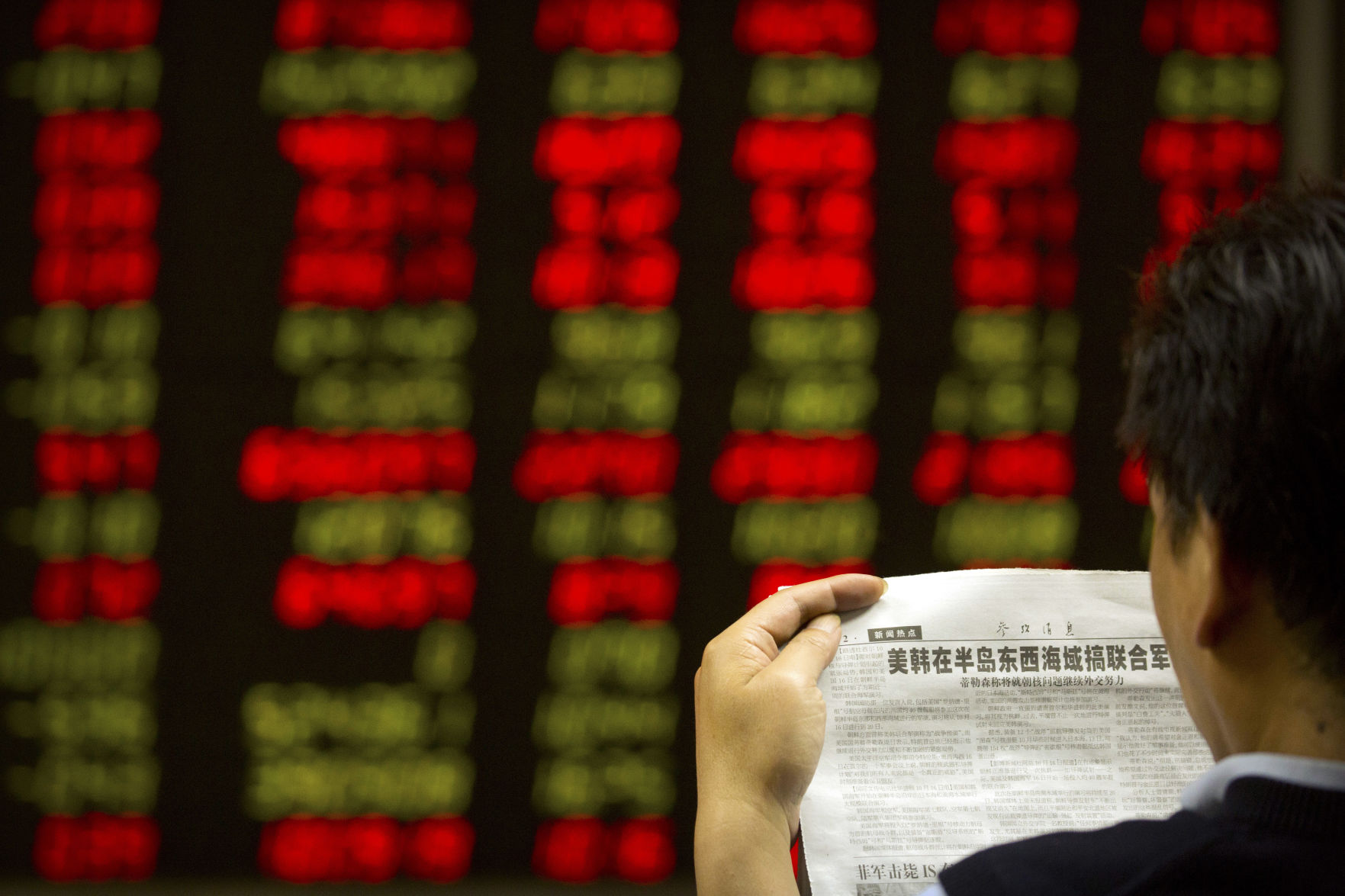
China’s Q3 GDP Slows to Weakest Pace Since Early 2023, Prompting Calls for More Stimulus

China’s economy grew at its slowest pace since early 2023 in the third quarter, as the country’s ongoing property sector crisis continues to hamper growth. Although consumption and factory output exceeded expectations in September, the real estate downturn remains a significant challenge. Beijing has introduced several stimulus measures, but markets are still waiting for more clarity on the scope of these interventions and how they will support long-term growth.

In the July-September period, China’s GDP expanded by 4.6%, slightly above the forecast of 4.5% but below the 4.7% growth seen in the second quarter. Bruce Pang, Chief Economist at JLL, noted that this performance was largely expected, citing weak domestic demand, a struggling housing market, and sluggish export growth as key factors behind the slowdown. He emphasized that the effects of the late September stimulus package will take time to materialize and bolster growth in the coming quarters.

Despite these challenges, Chinese officials expressed confidence in achieving the government’s annual growth target of around 5%. Sheng Laiyun, deputy head of China’s statistics bureau, stated during a post-data press conference that further policy support, including a reduction in banks’ reserve requirements, would help sustain the economic recovery. He predicted continued stabilization in the fourth quarter, underpinned by improved consumption and industrial output figures.

While industrial output and retail sales data for September beat forecasts, the property sector remains a sore spot. Betty Wang, an economist at Oxford Economics, downplayed the significance of the better-than-expected September numbers, noting that structural issues in the real estate and household sectors persist. She warned that while the recent stimulus measures may cushion downside risks to 2024 growth, they are unlikely to reverse the broader structural downturn.

A Reuters poll suggests China’s economy will expand by 4.8% in 2024, below Beijing’s target, with growth slowing further to 4.5% in 2025.

PROPERTY SECTOR WOES

On a quarter-to-quarter basis, the economy grew by 0.9% in Q3, up from a revised 0.5% in Q2, but below the forecast of 1.0%. The weakness of the property sector remains a central concern, as real estate accounts for 70% of Chinese household wealth and once contributed up to a quarter of the country’s economy. Consumers, wary of the property market’s instability, have cut back on spending, negatively impacting businesses dependent on robust domestic demand. For example, eyewear maker EssilorLuxottica, which produces Ray-Ban and Oakley brands, reported missing revenue targets in Q3 due to weak Chinese consumer demand.

Further compounding worries, new home prices in China fell at the fastest rate since 2015 in September, indicating that the property market remains in crisis despite multiple rounds of policy support over the past year. Additionally, China’s crude steel output fell for the fourth consecutive month, reflecting sluggish demand for construction materials.

While the export sector has been a rare bright spot for China’s economy, growth in exports slowed sharply in September, raising concerns about the sector’s future performance.

DEFLATIONARY PRESSURES AND POLICY RESPONSE

Following the release of the Q3 data, China’s stock markets were volatile but eventually rallied. The blue-chip CSI300 Index rose by 2.5%, and the Shanghai Composite gained 2.0%, boosted by new central bank funding schemes aimed at supporting the equity market. However, some economists believe China is grappling with deflationary pressures, which have persisted since early 2023. Toru Nishihama, Chief Economist at Dai-Ichi Life Research Institute, warned that China faces excess supply and weak demand, suggesting the country may fall into full-fledged deflation.

Policymakers have pledged to shift from relying on infrastructure and manufacturing investments to focus on stimulating domestic consumption. The central bank rolled out aggressive monetary support in late September, the most substantial measures since the COVID-19 pandemic, to bolster the property and stock markets. However, markets remain skeptical, as details about the total size of the stimulus package and the government’s long-term growth strategy remain unclear.

China faces structural challenges, including overcapacity, high debt levels, and an ageing population. Nishihama stressed that while the government has introduced numerous stimulus measures, it has yet to address these fundamental problems, leaving markets uncertain about the future trajectory of China’s economic recovery.

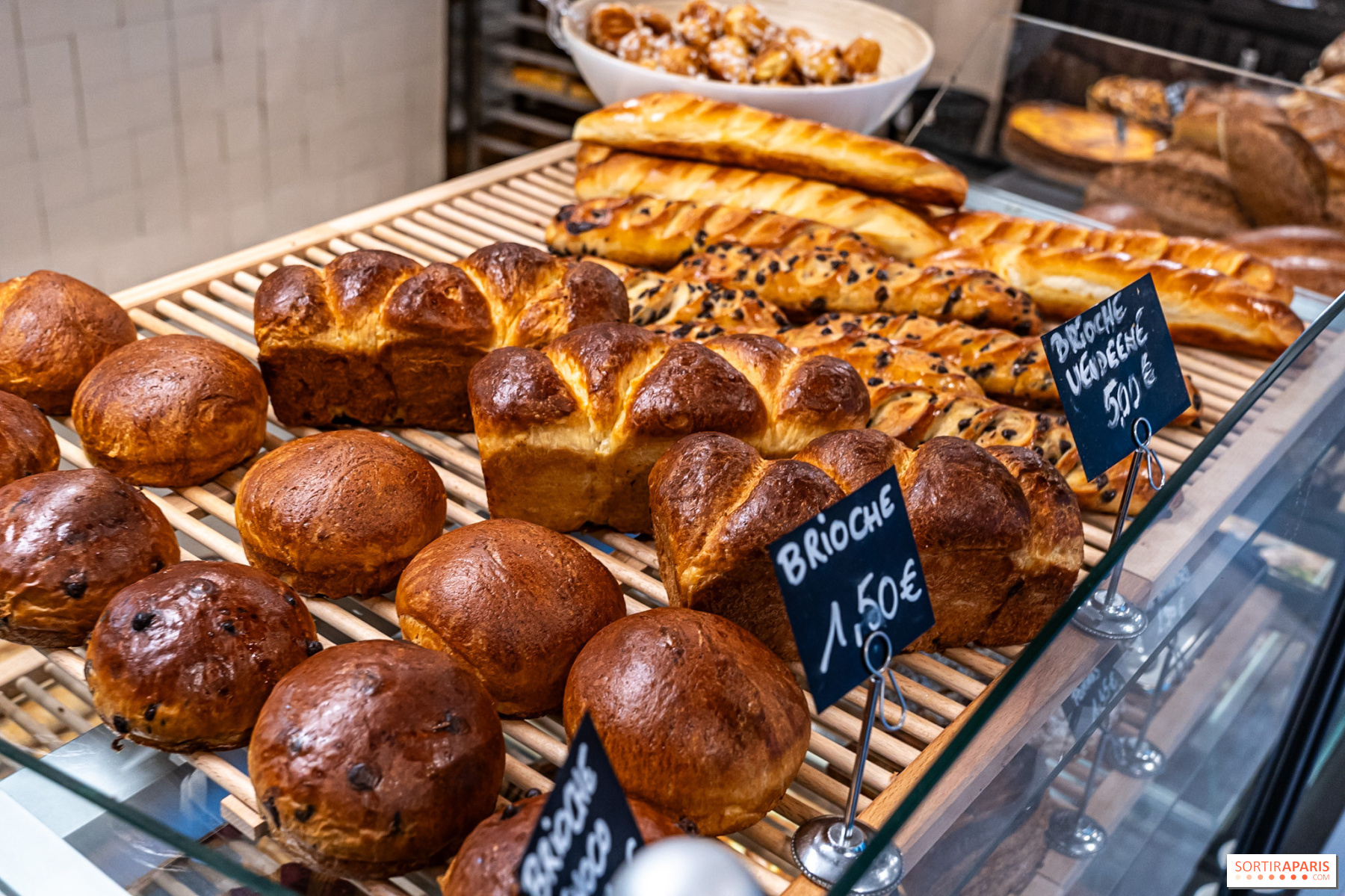
 

Exploring the Véloroute Gourmande: Canada’s 235km Culinary Cycling Trail

Launched in 2022, the Véloroute Gourmande offers a remarkable 235-kilometer cycling adventure through the picturesque landscapes of Québec, connecting the vibrant city of Montréal to the charming city of Sherbrooke. This trail weaves through idyllic villages and scenic lakes, featuring over 100 culinary stops that highlight the region’s rich food culture.

In 2019, I had a memorable experience cycling 42 kilometers on a gravel path that once served as a train line across Lake Champlain in New England. That ride, combined with a recent leisurely 32-kilometer jaunt near my Vermont home, prompted me to embark on a five-day journey along the Véloroute Gourmande with my sister, a more seasoned cyclist.

My adventure began in the pouring rain, clad in padded bike shorts under running tights, multiple shirts, and a rain jacket. I soon found refuge in the welcoming Yamaska Café in Farnham, one of the coziest coffee shops I’ve encountered. As a beginner cyclist with a strong appetite, I was eager to indulge in the trail’s culinary offerings.

The Véloroute Gourmande, which debuted in April 2022, features a diverse array of culinary experiences, from farmers’ markets and vineyards to casual pubs and upscale farm-to-table restaurants. As a food writer and chef, I was excited to explore the culinary heritage of the Québec countryside, swapping my usual foraging grounds for this new gastronomic adventure.

While much of the trail overlaps with the Route Verte—North America’s longest network of cycling paths at 5,300 kilometers—the Véloroute Gourmande stands out as a slow travel food tour. Cyclists can enjoy hearty French fries, blueberry tarts, maple syrup-laced coffee, and spirits infused with local herbs and mushrooms.

The interactive map of the Véloroute highlights 120 stops, marked by charming icons representing local fare. Highlights include golden paninis with house-cured ham and cheese, dark ales with spruce tip notes, and delectable cheeses to enjoy on the go.

Picture background

In addition to culinary delights, the route features suggestions for elegant accommodations, culturally significant sites, and bike shops for necessary repairs. While cyclists can tackle the trail in either direction, the recommended starting point is Montréal, where the terrain is easier and offers the chance to build endurance for the more challenging segments ahead.

The first leg, a 45-kilometer ride to Saint-Jean-sur-Richelieu, boasts 55 culinary stops. To maximize our dining experiences, my sister and I extended our stay to explore this section fully.

As a chef, I’ve often planned travels around culinary experiences, but this journey limited my options to those accessible by bike. I focused on stops that showcased the best of Québec cuisine, avoiding restaurants with extensive menus that relied on frozen goods. Instead, I prioritized those that emphasized local, seasonal ingredients, featuring classic dishes such as French onion soup and crêpes.

On our journey, we pedaled alongside the majestic St. Lawrence River, navigating urban and suburban landscapes. In Chambly, 29 kilometers east of Montréal, we discovered a delightful main street brimming with recommended stops, allowing us to savor a latte, indulge in chocolate truffles, and enjoy house-smoked pork ribs, all while admiring the town’s historic stone fortress.

In Saint-Jean-sur-Richelieu, we stumbled upon our first épiceries, which often serve as local cafés. One shop featured a local farmer selling fresh produce right on the porch, a common sight along our route that provided a unique glimpse into the region’s local offerings.

On the third day, we experienced a shift in scenery as we rode towards Granby, passing through wooded areas, marshes, and expansive farmland. Although rain fell intermittently, our spirits were lifted by stops at some of our favorite eateries. The boutique atmosphere of Yamaska Café offered gourmet products and delicious treats, including a luscious pecan tart and pistachio mousse cake.

At Absintherie des Cantons, a distillery near Granby, we marveled at the copper alembic used for distilling gin and enjoyed a tasting of their award-winning absinthe, which transformed into a milky elixir when mixed with water from a stunning fountain.

The final stretch of our trip was marked by beautiful weather, rolling hills, and stunning vistas. With over 60 kilometers to cover each day, we prioritized stops that combined coffee, meals, and desserts to maintain our momentum.

By the end of our fifth day, we arrived in Sherbrooke, exhausted but still eager to sample local delights. My inaugural experience with bikepacking on the Véloroute Gourmande exceeded my expectations, allowing me to savor unique dishes and enjoy the breathtaking landscapes of Canada. Next time, I’ll pack lighter and leave more room for cheese in my bags!


Cynthia Erivo Criticizes Edited ‘Wicked’ Movie Poster as “Deeply Hurtful”

Cynthia Erivo, who plays Elphaba in the highly anticipated Wicked film adaptation, has voiced her disappointment over fan-made edits of the movie poster, which she described as “degrading” and “erasing” her presence. The poster, featuring Ariana Grande as Glinda whispering to Erivo’s Elphaba, was reimagined by fans to look more like the original musical’s iconic logo. In the fan-altered version, Glinda cups her hand over Elphaba’s ear as the green witch smirks, with her eyes hidden beneath her pointed hat — a direct nod to the Broadway imagery.

While some fans saw this as an improvement on the official film poster, in which Erivo’s face is fully visible, the actress did not appreciate the change. Taking to Instagram on Wednesday, Erivo shared her frustration, calling it “the wildest, most offensive thing I have seen.” She explained, “Our poster is an homage, not an imitation. To edit my face and hide my eyes is to erase me, and that is just deeply hurtful.”

Erivo also spoke out against other Wicked memes circulating online, including a crude joke about Elphaba’s anatomy and an AI-generated video depicting the actresses in a fight. “None of this is funny. None of this is cute. It degrades me. It degrades us,” she added in her Instagram story.

Both Erivo and her co-star Grande, along with Wicked director Jon M. Chu, reshared the official poster on their Instagram stories in response to the memes. Chu also took the opportunity to praise Erivo, calling her “(his) superhero.”

As the lead-up to the Wicked premiere continues, fan reactions have been mixed. Many have created memes, while others questioned why the film’s trailers downplay that it is both a musical and only the first part of a two-film series. The first movie, which will cover the musical’s first act, including the hit song “Defying Gravity,” is set to be released on November 22, 2024. The second part is expected to follow in November 2025.