Scientists Discover Thriving Ecosystem Beneath Seafloor’s Volcanic Caves

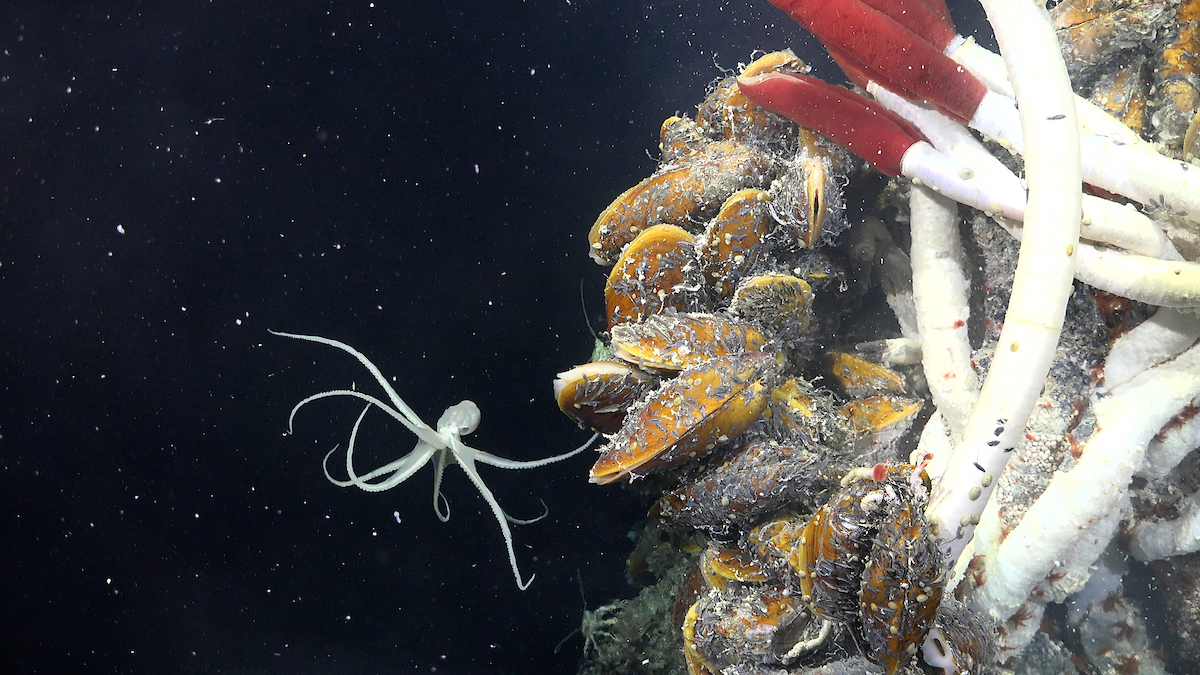
A team of scientists has made an astonishing discovery of vibrant animal communities, including tube worms and snails, living in volcanic caves beneath the seafloor. This newly uncovered ecosystem was found during a 30-day research expedition aboard the Schmidt Ocean Institute’s vessel, Falkor (too), exploring an underwater volcano along the East Pacific Rise near Central America.

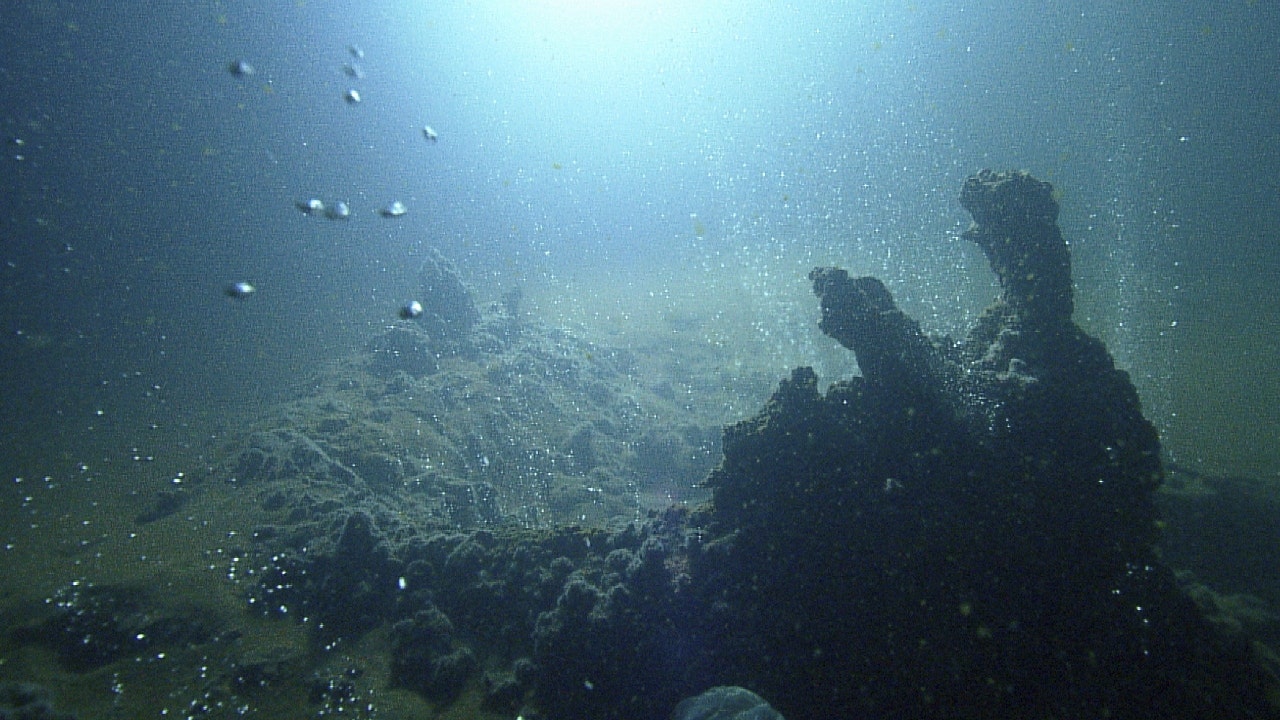
This volcanic ridge, formed by tectonic plate activity, is known for its hydrothermal vents — openings in the ocean floor where seawater meets hot magma to create deep-sea hot springs. These vents have long been studied for their unique ecosystems, which support life at extreme ocean depths. However, the area beneath these vents had largely remained unexplored until now.

Using a remotely operated vehicle (ROV) named SuBastian, researchers uncovered caves beneath the seafloor, revealing thriving ecosystems in cavities teeming with tube worms up to 1.6 feet long, snails, and other animals. This discovery suggests that the seafloor and the subseafloor ecosystems are interconnected, with life existing in surprising abundance both above and below the ocean floor.

This remarkable ecosystem was first observed in the summer of 2023, and findings were recently published in Nature Communications. Dr. Sabine Gollner, a marine biologist from the Royal Netherlands Institute for Sea Research, expressed her amazement at the discovery: “Animals are able to live beneath hydrothermal vents, and that, to me, is mind-blowing.”

For decades, scientists have studied life around hydrothermal vents, observing how foundational species such as tube worms can colonize new vent sites within a few years, thanks to tectonic shifts that generate new vents. While microbial life beneath the seafloor has been suggested before, this study provides the first direct evidence of large animals inhabiting subterranean caves connected to hydrothermal systems.
Picture background

The research team, led by Dr. Monika Bright from the University of Vienna, designed an experiment to collect samples from cracks in the seafloor, 8,251 feet below the surface. Using the SuBastian ROV, they drilled into rocks and flipped over chunks of the volcanic crust. What they found was a hidden network of water-filled cavities at around 75 degrees Fahrenheit, supporting tube worms, snails, and chemosynthetic bacteria — organisms that survive by converting chemical reactions into energy rather than relying on sunlight.

This discovery has significant implications for understanding the deep-sea environment. Previously, scientists believed that deep-sea life was mostly restricted to the surface of the seafloor. However, this revelation opens up the possibility that many more ecosystems remain hidden beneath the ocean floor. Marine biologist Alex Rogers, who was not involved in the study, commented that this finding expands our knowledge of vent ecosystems and suggests there may be more life in the deep ocean than previously documented.

The research raises intriguing questions about how extensive these subseafloor ecosystems are and whether they exist beneath all hydrothermal vents. These underground habitats could persist long after vents become inactive, providing potential new homes for other species.

As researchers continue to explore this “underworld” of the seafloor, they caution that extreme care must be taken when studying such fragile ecosystems. During their expedition, the team only lifted six small sections of the seafloor to minimize disturbance. There is concern that larger disturbances, such as deep-sea mining or extensive drilling, could alter the flow of hydrothermal vents, jeopardizing the delicate life forms that depend on them.

The study emphasizes the need to protect not only the surface ecosystems around hydrothermal vents but also the ecosystems that exist below them. Dr. Bright summed up the importance of this discovery, stating, “With this understanding, we also know that we not only need to protect what we see on the surface, but also we should protect what is living below, because it is one important component of this ecosystem.”

 

Global Water Cycle in Crisis: Humanity Disrupts Nature’s Balance, Threatening Half of World’s Food Supply

For the first time in history, the global water cycle has been thrown dangerously out of balance due to human activity, leading to a looming water crisis with catastrophic potential, according to a new report by the Global Commission on the Economics of Water. The report, released on Wednesday, warns that decades of destructive land use, water mismanagement, and the accelerating climate crisis are placing unprecedented stress on the Earth’s natural water systems, jeopardizing economies, food production, and lives worldwide.

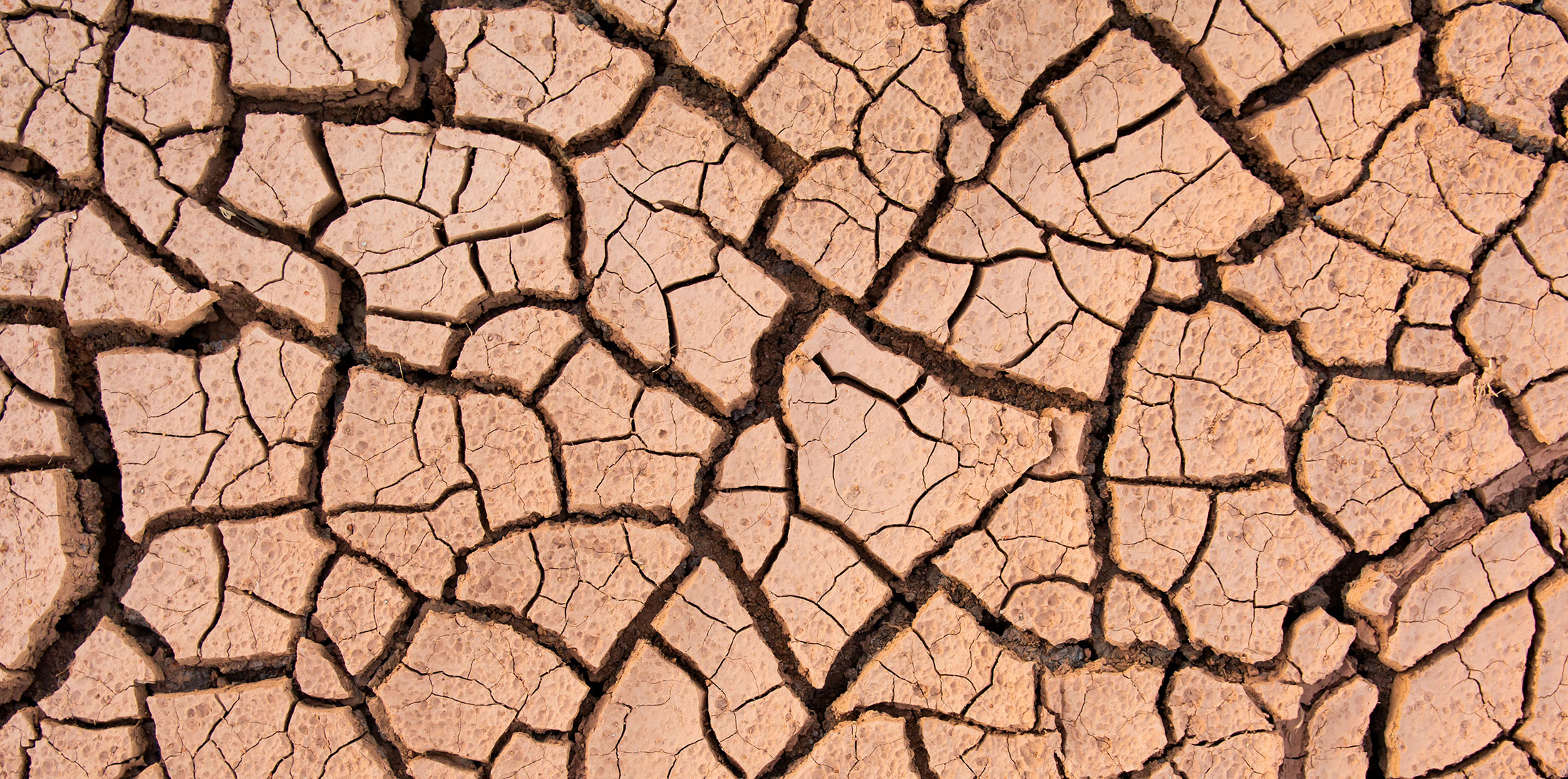
The global water cycle refers to the continuous movement of water on, above, and below the Earth’s surface. Water evaporates from bodies of water, soil, and plants, rises into the atmosphere, and eventually returns as precipitation. This natural process is now severely disrupted. Nearly 3 billion people are already facing water scarcity, crops are withering under drought conditions, and cities are sinking as groundwater reserves dry up.

Without swift and decisive action, the water crisis is expected to devastate global food security. More than half of the world’s food production is at risk, and the economic fallout could be severe, with projections of an 8% reduction in GDP globally by 2050. Low-income countries are expected to be hit hardest, facing potential losses of up to 15%.

Johan Rockström, co-chair of the Global Commission, explained the scale of the problem: “For the first time in human history, we are pushing the global water cycle out of balance. Precipitation, the source of all freshwater, can no longer be relied upon.” The report identifies two types of water: “blue water,” the visible liquid water in lakes, rivers, and aquifers, and “green water,” the moisture stored in soil and plants. Historically overlooked, green water is essential to the water cycle, producing roughly half of all land-based rainfall.

The report emphasizes that disruptions to the water cycle are intricately linked with climate change. Healthy ecosystems, including forests and wetlands, play a key role in absorbing carbon and maintaining moisture levels. However, human activities like deforestation and the destruction of wetlands have weakened these vital systems, worsening both global warming and water shortages. Rising temperatures are causing more frequent and severe droughts, fires, and reduced rainfall, further destabilizing ecosystems.

The report also highlights the massive amount of water required to support human life and dignity—about 4,000 liters per person per day, far more than what most regions can sustainably provide from local sources. This figure contrasts sharply with the United Nations’ basic needs guideline of 50 to 100 liters per day, underscoring the scale of the problem.

Richard Allan, a climate science professor at Reading University in England, who was not involved in the report, agreed with its findings. He pointed out that human activities are altering both the land and atmosphere, warming the climate, and intensifying extreme weather patterns. “The report paints a grim picture of human-caused disruption to the global water cycle, the most precious natural resource that ultimately sustains our livelihoods,” Allan told CNN.

Addressing this crisis, the report urges world governments to recognize the global water cycle as a shared resource and take collective action to protect it. Because water cycles across borders through rivers, lakes, and atmospheric moisture, decisions made in one country can affect rainfall patterns in distant regions. Therefore, cooperation and sustainable management of natural resources are essential to combat the crisis.

One of the proposed solutions is to overhaul the economic treatment of water. This includes better pricing strategies to prevent waste and discourage water-intensive industries, such as agriculture and data centers, from being located in water-scarce regions. Ngozi Okonjo-Iweala, director general of the World Trade Organization and a co-chair of the commission, emphasized the need to revalue water. “The global water crisis is a tragedy, but it is also an opportunity to transform the economics of water,” she said. Valuing water appropriately is crucial to recognizing its scarcity and the essential benefits it provides to life on Earth.


The Hidden World of Art Pricing: How Galleries and Collectors Keep the Market Mysterious

Navigating the art world can be a complex and opaque process, especially when it comes to the pricing of artworks. According to attorney J.D. Harriman, transparency is often lacking, with prices rarely displayed in galleries. This allows sellers to adjust prices based on what they believe a buyer is willing to pay, keeping details of previous sales under wraps. Harriman noted that galleries can set prices higher for new buyers while concealing lower past sales, and may even discount unsold pieces privately to avoid diminishing the artist’s perceived value.

Unlike the stock market, where prices are public and regulated, the art world operates without a requirement to disclose the value or ownership of artworks. As with real estate, the price of an artwork is often what someone is willing to pay for it. In an email to CNBC, Paul Hewitt, director general of the Society of London Art Dealers, acknowledged this lack of transparency but stressed that the organization encourages members to display prices to build public confidence.

The tactic of withholding prices is not solely about maximizing profits—it’s also about maintaining an artist’s long-term reputation. Galleries often avoid publishing prices to prevent flippers—buyers who resell works for quick profit—from manipulating the market. London gallerist Lucca Hue-Williams emphasized the importance of carefully selecting clients who are genuinely interested in the artist’s career rather than just the potential resale value of their work.

Artists, especially those early in their careers, face challenges when determining how to price their work. Gosia Łapsa-Malawska, a curator and artist, advises emerging artists to maintain consistent pricing, as reducing prices can harm their professional trajectory. Yet, not displaying prices may deter potential buyers, who could feel intimidated or unsure if they can afford the artwork.

The art market’s exclusivity, driven by a lack of accessible information, is another barrier for many would-be buyers. Charlotte Black, founder of Artclear, pointed out that verifying the authenticity and value of artworks can be costly and difficult, making the market feel impenetrable for those without expert guidance. Her company aims to democratize access to art by using blockchain to store information about artworks, offering transparency and confidence to buyers.

Tony Tjan, an art collector and venture capitalist, compared the value of art to other collectibles, noting factors like scarcity, popularity, and cultural relevance. Tjan prefers to buy directly from artists, finding personal meaning in the relationship and the work itself. He acknowledged the mysterious nature of art pricing but emphasized that, ultimately, value should be driven by the emotional connection a buyer feels toward a piece.

Will Ramsay, founder of the Affordable Art Fair, echoed this sentiment, explaining that while the high-end art world may cultivate exclusivity by withholding prices, his fairs are designed to make art more accessible. At his events, prices are clearly listed, and the goal is to educate and empower new collectors to confidently enter the art market.

Despite the growing availability of online resources, pricing in the art world remains a “black box” for many. This lack of liquidity and transparency contributes to perceptions of mystery, but experts advise buyers to follow a simple rule: buy what you love. In the end, the value of a piece of art is as much about personal significance as it is about market dynamics.