The Deep-Sea ‘Emergency Service’ That Keeps the Internet Running

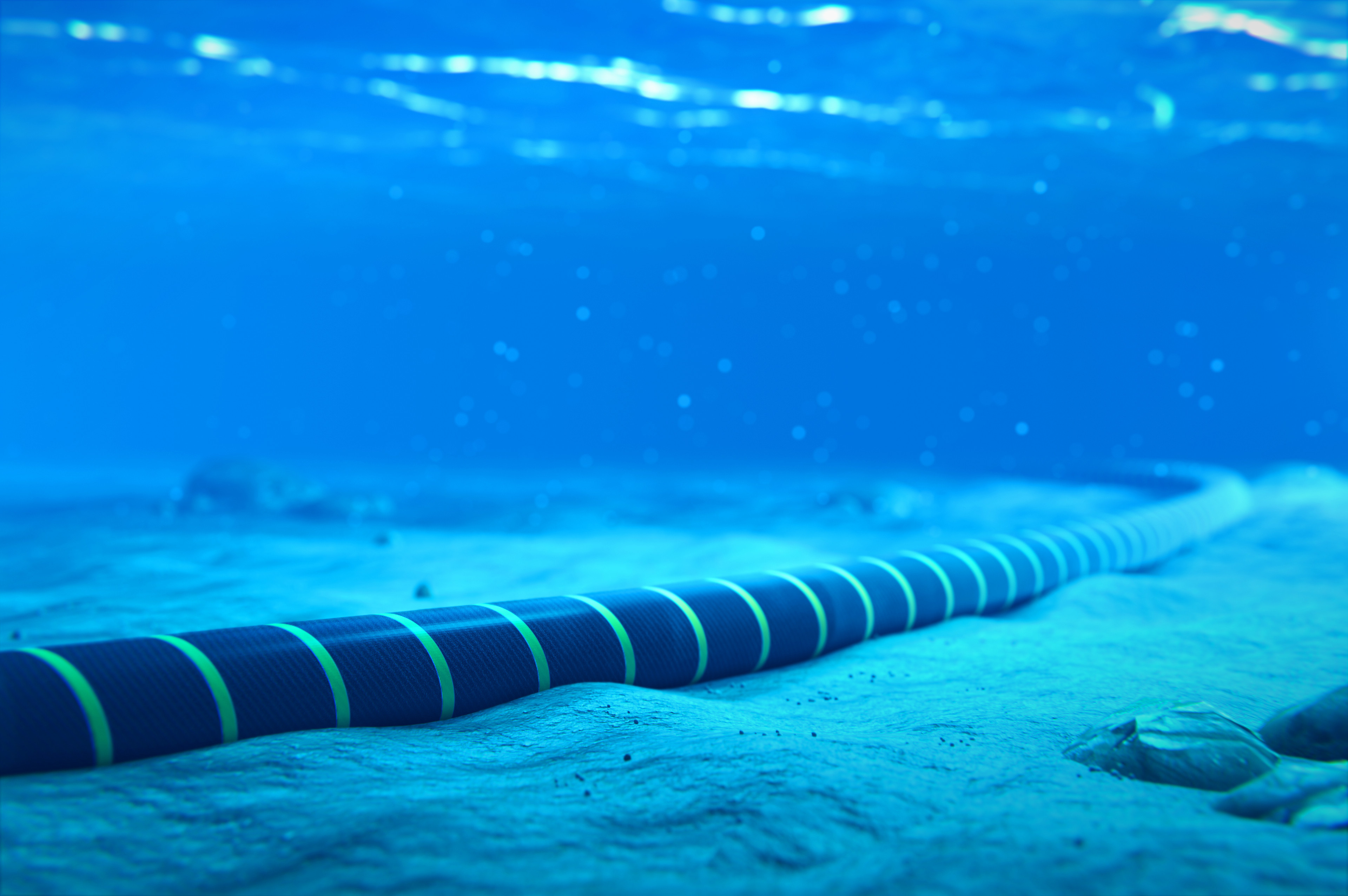
The vast majority of global digital communications—99% to be precise—rely on an intricate network of subsea cables. When these cables fail, entire countries can experience catastrophic disruptions to their internet service. But how do technicians repair a cable that lies at the bottom of the ocean?

A Historical Context: The 1929 Earthquake and its Impact

On November 18, 1929, a 7.2 magnitude earthquake struck off the coast of Newfoundland, Canada, triggering a devastating tsunami that claimed 28 lives. While the immediate effects were felt by local communities, the earthquake also set off a submarine landslide that had far-reaching consequences for transatlantic communication. This landslide caused twelve subsea cables to snap in 28 different locations, some of which broke almost simultaneously, while others failed in a cascading manner over the next several hours.

Initially, no one understood why the cables broke at such varied intervals and distances from the earthquake’s epicenter. It wasn’t until 1952 that scientists connected the dots, realizing the cables were damaged by a turbidity current—a fast-moving underwater avalanche of sediment triggered by the earthquake. This incident not only highlighted the vulnerability of subsea cables but also provided researchers with insights into underwater geological processes.

The Subsea Cable Network Today

Today, there are approximately 1.4 million kilometers (870,000 miles) of telecommunication cables crisscrossing the ocean floor, responsible for carrying 99% of digital data globally. Despite their critical role, these cables are surprisingly slender, often measuring only about 2 centimeters in diameter.

While a large-scale disruption similar to the 1929 incident would severely impact communication between North America and Europe, the global subsea cable network has proven to be remarkably resilient. According to Mike Clare, marine environmental advisor for the International Cable Protection Committee, there are 150 to 200 instances of cable damage each year, but the overall scale of the network means that repairs can often be made quickly.

Causes of Damage: Human Activity vs. Natural Events

Contrary to popular belief, the idea that sharks bite through these cables is largely an urban legend. In fact, 70-80% of cable faults are attributed to human activities such as fishing, where trawler nets or dropped anchors snag the cables. Natural hazards account for only 10-20% of cable damage, typically occurring from environmental factors like strong currents or underwater landslides.

While subsea cables need to remain lightweight for easier recovery and repair, those closer to shore are generally better armored to withstand human-related accidents.

The Repair Process: A Well-Organized Operation

When a cable fault is detected, a repair ship is dispatched to the location, often positioned strategically around the world for quick response times of 10-12 days. Modern repairs typically take about one to two weeks, significantly quicker than the nine months it took to address the damage caused by the 1929 earthquake.

During a repair, the ship employs a grapnel to lift the cable to the surface, where it is analyzed for faults. Technicians splice the optical fibers under a microscope to ensure optimal connectivity before sealing them and lowering the repaired cables back into the water.

In shallower waters, cables are buried in trenches to prevent future damage from maritime traffic. Advanced tools such as remotely operated vehicles (ROVs) or underwater ploughs are utilized to lay cables securely, even in extreme environments.

The Scientific Insights Gained

The process of laying and repairing subsea cables has also yielded unexpected scientific discoveries. For instance, early cable installations helped researchers identify geological features like the Mid-Atlantic Ridge. Today, these cables serve as acoustic sensors, capable of detecting marine life, storms, and even seismic activity.

Moreover, lessons learned from cable damage have led to a better understanding of underwater hazards. Climate change poses additional challenges, as increased sediment from floods can threaten cable integrity, necessitating careful planning for future installations.

Conclusion: The Importance of Redundancy and Geographic Diversity

The interconnected nature of global communication means that a single cable fault is often manageable, thanks to the redundancy built into the system. This redundancy allows other cables to take over if one fails, ensuring that most users remain unaffected.

However, as the demand for internet connectivity increases and environmental risks evolve, maintaining a diverse network of cable routes becomes increasingly crucial—especially for vulnerable regions such as small island nations prone to natural disasters.

Ultimately, as our reliance on the internet continues to grow, understanding and protecting this delicate underwater infrastructure is essential for keeping the world’s digital communications running smoothly.


Russian Man Rescued Alive After Nearly 10 Weeks Adrift in Sea Off Siberian Coast

A Russian man, Mikhail Pichugin, was rescued after 67 days adrift on the Sea of Okhotsk, a remote and frigid body of water off Siberia’s eastern coast. The harrowing ordeal, which began on August 9, tragically claimed the lives of his brother and 15-year-old nephew, according to Russian state media RIA Novosti.

Stranded at Sea for Over Two Months

Pichugin, 46, was found alive aboard a small, catamaran-type vessel with an orange lifejacket and a red flag raised on a pole. His rescue took place on October 14 when a passing fishing boat discovered the stranded vessel near the Ust-Khayryuzovo settlement in the Kamchatka region. Emergency responders worked to reach Pichugin, whose ordeal had taken him and his two companions on a treacherous journey across one of the coldest seas in East Asia.

The trio’s journey began on August 9 when Pichugin, his brother, and his nephew set sail on the catamaran. Soon after, contact with them was lost, leaving their location a mystery. With no updates on their whereabouts, authorities began a search, though their exact circumstances remained unknown until the fishing boat came across the vessel.

Survival Amid Harsh Conditions

The Sea of Okhotsk is known for its severe conditions, often freezing over between October and March. It is one of the coldest seas in East Asia, making survival in such an environment a near-impossible feat. Russian prosecutors are investigating potential water traffic safety violations, exploring whether negligence may have contributed to the deaths of Pichugin’s brother and nephew.

Elena Krasnoyarova, a spokesperson for Russia’s far eastern transport prosecutor’s office, explained that the authorities are working to establish the details surrounding the incident, including how the three became stranded and how Pichugin managed to survive.

The Role of Weight and Provisions in Survival

Pichugin’s wife revealed to RIA that her husband’s physical condition—he weighed around 220 lbs (100 kg)—may have played a crucial role in his survival. This theory suggests that his body may have been better equipped to endure the extreme conditions. Pichugin and his companions had packed enough food to last approximately two weeks, though it remains unclear how he managed to stretch those supplies over the nearly ten-week period he spent adrift.

Upon his rescue, Pichugin was described as being in “serious condition, emaciated, but conscious,” according to the director of the fishing company that found him. He was immediately taken to a hospital in Magadan, a town in Russia’s far east, for medical treatment.

Investigation Underway

Russian authorities are conducting an investigation into potential safety violations related to the incident, focusing on whether negligence played a role in the tragic loss of two lives. As the story unfolds, the investigation seeks to provide answers regarding how the trio ended up stranded and what led to the deaths of Pichugin’s brother and nephew.

Despite the tragic circumstances, Pichugin’s survival after nearly 10 weeks at sea has captured the attention of many, highlighting both the perilous nature of maritime travel in remote regions and the resilience of the human spirit.

Prague Bans Evening Bar Crawls to Discourage ‘Drunk’ Tourists

Prague is taking steps to reshape its image from a party hub to a more refined cultural destination by banning late-night bar crawls. The Czech capital, known for its historical charm and beer culture, is cracking down on rowdy tourism, particularly in its historic city center, in response to growing concerns from local residents.

The ban, announced by Prague’s deputy mayor Jiri Pospisil, aims to reduce disturbances caused by tourists who visit the city for the sole purpose of drinking excessively. Pospisil emphasized that Prague is looking to attract a more “cultured, wealthier tourist” rather than those coming “just to get drunk.” This move is part of a broader effort by European cities to curb the negative impacts of tourism on local communities.

Late-Night Pub Crawls Prohibited

Beginning in early November, organized bar crawls will be prohibited between 10 p.m. and 6 a.m. in Prague 1, the city’s most iconic district, which includes UNESCO landmarks like Old Town Square, Prague Castle, and the Charles Bridge. The decision follows complaints from locals about excessive noise and disruptive behavior linked to organized pub crawls, especially from stag and hen parties.

Terezie Radoměřská, mayor of Prague 1, highlighted the desire to limit such events, which often lead to public disturbances. She stated that these activities clash with the type of tourism Prague wants to promote. The ban will focus on agency-organized pub crawls but will not prevent individual groups from visiting pubs or organizing their own bar-hopping experiences.

Response from Industry and Tour Operators

The local hospitality industry has largely supported the ban. Vaclav Starek, head of the Czech Association of Hotels and Restaurants, applauded the move, noting that beer-focused trips to the city center have been problematic for both residents and tourists. He clarified that “nobody will be banned from going to a pub,” but organized, disruptive tours will be curtailed.

However, not everyone is convinced that the ban will significantly change the behavior of tourists. Simon Old, a representative from StagWeb.co.uk and GoHen.com, two UK-based agencies that organize stag and hen parties in Prague, criticized the decision as “half-hearted.” He argued that tourists would simply adjust by organizing their own pub crawls or starting their activities earlier. He added that while authorities are right to address anti-social behavior, Prague has long profited from its party city reputation, making this shift seem contradictory.

Part of a Broader European Trend

Prague’s decision aligns with similar efforts across Europe to mitigate the effects of mass tourism. Venice, for example, recently introduced limits on tour group sizes and banned megaphones to reduce crowd congestion, while Barcelona’s mayor has announced plans to end tourist apartment rentals by 2028. These measures reflect growing concerns about over-tourism and its impact on local communities.

Prague’s ban is a response to the challenges posed by an influx of budget travelers and party tourists over the last two decades. The rise of low-cost airlines has made Prague a popular destination for short trips, particularly for large groups celebrating bachelor or bachelorette parties, often from the UK.

As Prague seeks to evolve its tourism strategy, the city is walking a fine line between maintaining its appeal as a tourist-friendly destination and protecting the quality of life for its residents.