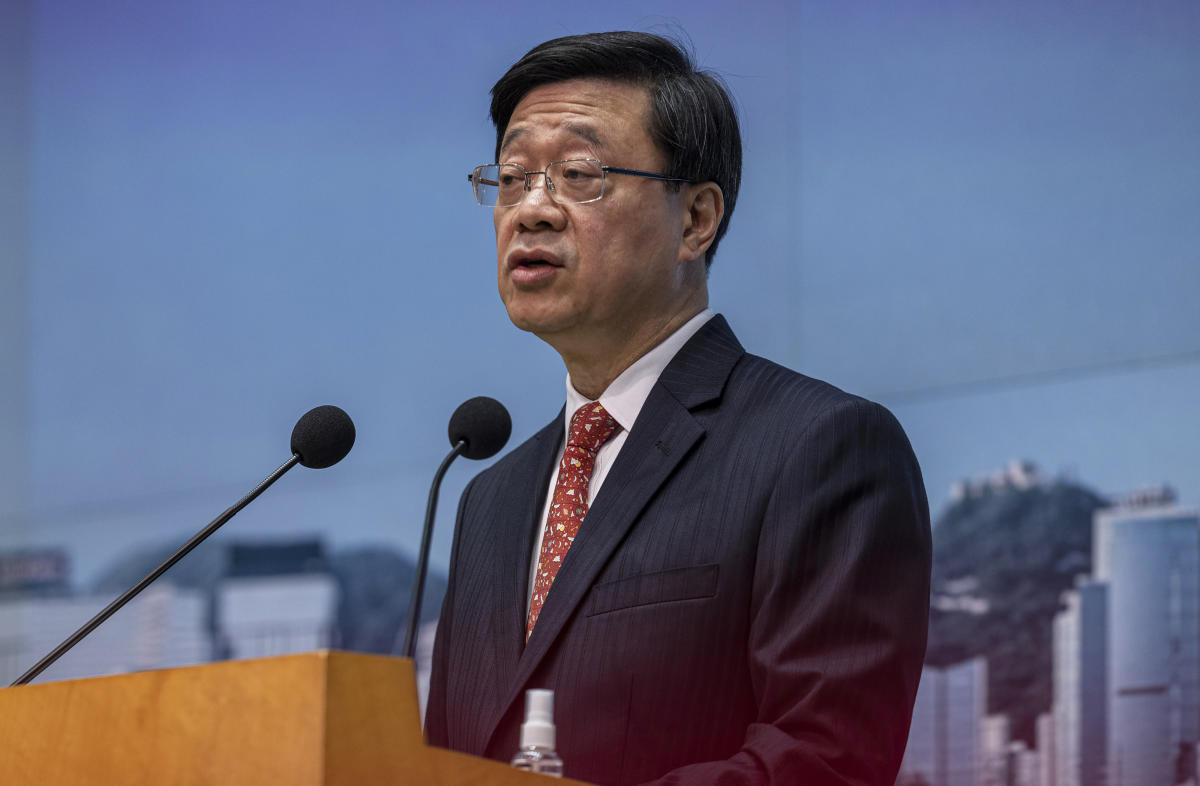
Hong Kong Leader Announces Measures to Address Housing Crisis in Annual Policy Address

Hong Kong Chief Executive John Lee revealed several new initiatives on Wednesday to tackle the city’s housing affordability crisis, a growing concern for many residents. In his annual policy address, Lee emphasized that housing remains “an issue of great public concern” and introduced key policies aimed at easing access to subsidized housing, particularly for citizens under 40.

A centerpiece of Lee’s plan is a policy that will give younger citizens a better chance of securing subsidized housing. The Hong Kong Housing Authority will allocate an extra ballot number to applicants under the age of 40, thereby increasing their odds of being selected for the Home Ownership Scheme (HOS) flats. This move is part of a broader effort to address fears that younger generations are struggling to secure affordable housing in the city’s crowded market.

Additionally, the government will raise the quota for the White Form Secondary Market Scheme by 1,500 units, all reserved for applicants under 40. This scheme allows for the purchase and sale of secondhand subsidized flats without a land premium, further easing housing access for younger residents. Only 4,500 households were eligible under the scheme in 2023, so the increase represents a significant expansion.

Lee’s address comes amid reports that some young Hong Kongers are declining promotions and pay raises in order to stay eligible for public housing, rather than entering the private market, which remains out of reach for many.

Addressing the Youth Housing Crisis

Another focus of Lee’s policy is the continuation of the Youth Hostel Scheme, which subsidizes non-governmental organizations to convert hotels and guesthouses into affordable living spaces for young people. This initiative aims to provide temporary relief for young residents struggling to enter the private housing market.

Hong Kong has ranked as the least affordable city for housing for over a decade, according to the 2024 Demographia International Housing Affordability report. The city’s notorious “shoebox-sized” subdivided flats, often as small as 86 square feet, have long been a symbol of the housing crisis, linked to health and safety concerns.

In response, Lee announced a plan to improve the quality of subdivided flats. A new rental system will be implemented to convert substandard units into Basic Housing Units, which must meet requirements like having windows, toilets, and a minimum size larger than 86 square feet. This move aims to improve living conditions for those residing in these tiny, often inadequate spaces.

Public Housing Expansion and Wait Time Reduction

The government has also set ambitious goals for public housing development. Lee announced plans to complete 9,500 new public housing units next year, moving toward the goal of 30,000 new units by 2027-2028. Currently, the average wait time for a public housing unit is 5.5 years, but Lee expects this to decrease to 4.5 years by 2026-2027.

A Shift in Focus: Livelihoods and Economic Recovery

This year’s address marks a shift in focus for Lee, who previously emphasized national security and post-pandemic recovery in his earlier speeches. Now, with civil unrest and pandemic challenges behind him, Lee’s administration is placing greater emphasis on improving residents’ livelihoods and strengthening the city’s economy.

Lee’s housing policies, especially those aimed at younger generations, signal the government’s intention to address one of the most pressing challenges facing Hong Kong’s future—ensuring access to affordable, quality housing in one of the world’s most expensive cities.

Chinese Finance Professionals Switch Careers as Industry Crackdown Dims Prospects

Amid tightening regulations and an economic slowdown, Chinese finance professionals are increasingly seeking alternative careers as government crackdowns erode the once-lucrative prospects of the industry. Areas such as education, venture capital, and even stand-up comedy are becoming more attractive than the embattled finance sector, where salary caps, job cuts, and unpredictable policy shifts have become the new norm.

The downturn follows sweeping initiatives from the Chinese government, particularly the “common prosperity” campaign launched in 2021, which aimed to narrow the wealth gap. This campaign included caps on salaries and the clawing back of bonuses, particularly in the financial sector, forcing many to reconsider their career paths. Hedge fund managers, investment bankers, and mutual fund executives, in particular, have been impacted, with many transitioning to less-regulated fields or seeking opportunities abroad.

Industry Exodus: Career Transitions

Xu Yuhe, a former partner at Deep Water Fund Management, is among the many professionals shifting away from finance. After three years in what he described as a “directionless capital market,” Xu transitioned to a more predictable sector: helping students pursue education abroad. Xu now focuses on facilitating migration to Hong Kong and Singapore, regions with cultural similarities and growing opportunities for international experience. According to Xu, education provides a “stickier business” in comparison to the volatile financial markets.

Similarly, former hedge fund professionals and investment bankers have also started leaving the sector. A Shanghai-based headhunter, Jason Tan, noted that many bankers understand that the days of high-paying finance jobs are over due to the long-term impacts of the “common prosperity” campaign. Tan stated, “Banking talent has started to seek roles overseas or transition to less regulated industries.”

One notable example is Gu Zaifeng, a former IPO sponsor at Zheshang Securities, who left the financial world to serve as a village secretary in rural Shandong province. This dramatic shift illustrates the growing trend of finance professionals opting for grassroots positions and other non-financial roles to escape the deteriorating job market.

Cracking Down on Hedge Funds and IPOs

Hedge funds have been one of the hardest-hit sectors. Quantitative trading, a computer-driven strategy often employed by hedge funds, has faced significant scrutiny from Chinese regulators who argue that it could disadvantage retail investors. As a result, thousands of hedge funds folded in the past year, contributing to mass exodus from the sector. Despite a recent stock market rally fueled by economic stimulus measures, experts like Jason Tan believe this bullish trend is likely to be short-lived, primarily aimed at winning over retail investors.

The crackdown has also impacted IPO dealmakers, as the Chinese government has tightened its grip on stock market listings. Onshore IPO listings have nearly halted, with first-half fundraising for IPOs plunging by 75% compared to the previous year, according to KPMG. Many IPO sponsors have yet to complete a single deal this year, reflecting the sharp decline in opportunities.

Salary Caps and Job Cuts in Mutual Funds

The $4.4 trillion mutual fund industry has not been spared either. The introduction of salary caps under the common prosperity initiative has led to significant turnover among fund executives and portfolio managers. China Merchants Fund Management, one of the largest asset managers in the country, reportedly asked its senior executives to return pay received over the past five years that exceeded new compensation limits. This has further contributed to the growing disenchantment within the sector.

Additionally, mass layoffs continue to loom over the finance sector. Nearly 15,000 jobs have been eliminated from the broader securities industry since the end of 2022, and analysts predict more cuts as regulators push for consolidation in a fragmented industry. Following the largest merger in China’s securities industry last week, further consolidation is expected, which will likely eliminate more investment banking positions.

New Horizons: Education, Startups, and Stand-Up Comedy

With job prospects diminishing in finance, many professionals are seeking fulfillment in unconventional career paths. Education and entrepreneurship have emerged as viable options, offering a sense of stability that the financial markets no longer provide. Meanwhile, Wu Shichun, a venture capitalist and founding partner of Plum Ventures, has taken an even more unexpected turn, becoming a stand-up comedian. During a performance broadcast on his WeChat account, Wu noted that the economic downturn had provided ample material for his comedic routines. “I feel grateful for such a difficult time. It’s a source of fodder for my performance,” he said.

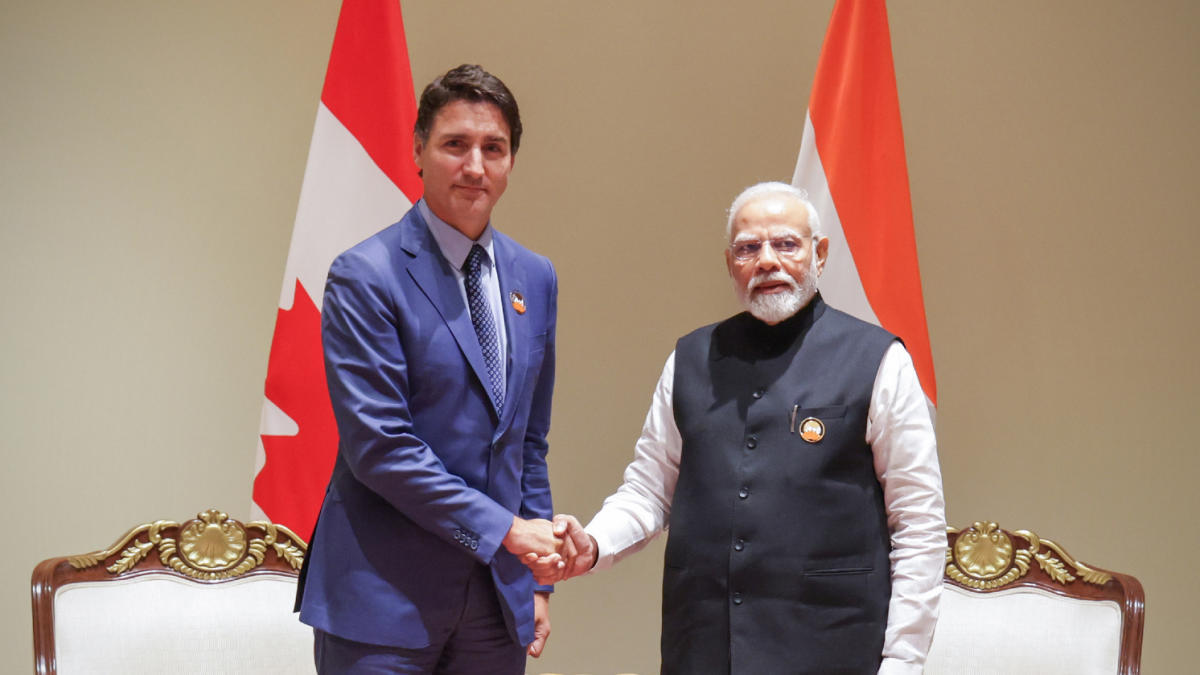
Deepening Canada-India Standoff Seen as Short-Term Boost for Modi, Trudeau

The recent diplomatic standoff between Canada and India, involving the expulsion of six diplomats from each country, is viewed as a short-term political gain for both Prime Minister Narendra Modi of India and Prime Minister Justin Trudeau of Canada, according to analysts. This diplomatic row, triggered by Canada’s accusation that Indian diplomats were involved in the murder of a Sikh separatist leader, has escalated tensions between the two nations.

Despite the deteriorating relationship, both leaders might benefit politically in the near term, as they face significant domestic challenges in their respective third terms.

Modi’s National Security Stance Strengthened

For Prime Minister Modi, the expulsion has provided an opportunity to reinforce his image as a defender of national security. Modi has long been seen as a hawk on this issue, and his firm stance against Canada’s actions could rally public support, especially following a recent electoral setback. In June, Modi’s Bharatiya Janata Party (BJP) lost its parliamentary majority, forcing him to rely on regional allies to maintain his coalition government. The diplomatic feud may help boost his domestic image as a strong leader.

Harsh Vardhan Shringla, India’s former foreign secretary, suggested that Indian citizens would view the government’s response as standing up to foreign interference. Harsh Pant, a foreign policy expert at the New Delhi-based Observer Research Foundation, added that Modi’s popularity would likely be unaffected, as he is perceived as a leader defending India’s territorial integrity.

Trudeau Seeks to Deflect Domestic Pressure

For Trudeau, the timing of the standoff shifts attention away from internal political turmoil. His Liberal Party is trailing in the polls ahead of a general election that must be held by October 2025, and there has been speculation about discontent within his party. By focusing on standing up for Canada’s sovereignty and addressing external threats, Trudeau has managed to sidestep calls for his resignation, at least temporarily.

In public remarks, Trudeau emphasized the importance of standing against foreign interference, redirecting focus from internal party issues. While his minority government depends on the support of opposition parties, both the New Democratic Party (NDP) and the Bloc Québécois have backed the expulsions, bolstering Trudeau’s stance for now.

Sikh Community and Its Political Influence

The Sikh community in Canada, which makes up about 2% of the population, plays an influential role in Canadian politics. India has often accused Canada of harboring Sikh separatists who seek an independent homeland in Punjab. However, Trudeau’s government has consistently denied any support for violent separatism.

The politically active Sikh community has largely backed the Liberals in recent years. Some Sikh leaders, like Moninder Singh of the B.C. Gurdwaras Council, have welcomed the Canadian government’s actions, seeing them as an attempt to hold India accountable. However, Singh suggested that the diplomatic dispute would have little impact on Canadian domestic politics, asserting that the government’s responsibility is to protect its citizens’ interests.

Short-Lived Benefits for Trudeau?

While Trudeau may experience a brief respite from internal political pressures, experts caution that any political gains may be temporary. Cristine de Clercy, a politics professor at Trent University, noted that Trudeau faces numerous domestic challenges, including economic issues, housing, and healthcare. She suggested that the diplomatic spat is unlikely to resolve his broader political difficulties in the long run.

The dispute, while significant in the realm of foreign policy, is unlikely to be a defining factor for Trudeau’s political future, as his government grapples with far more complex and pressing domestic concerns.