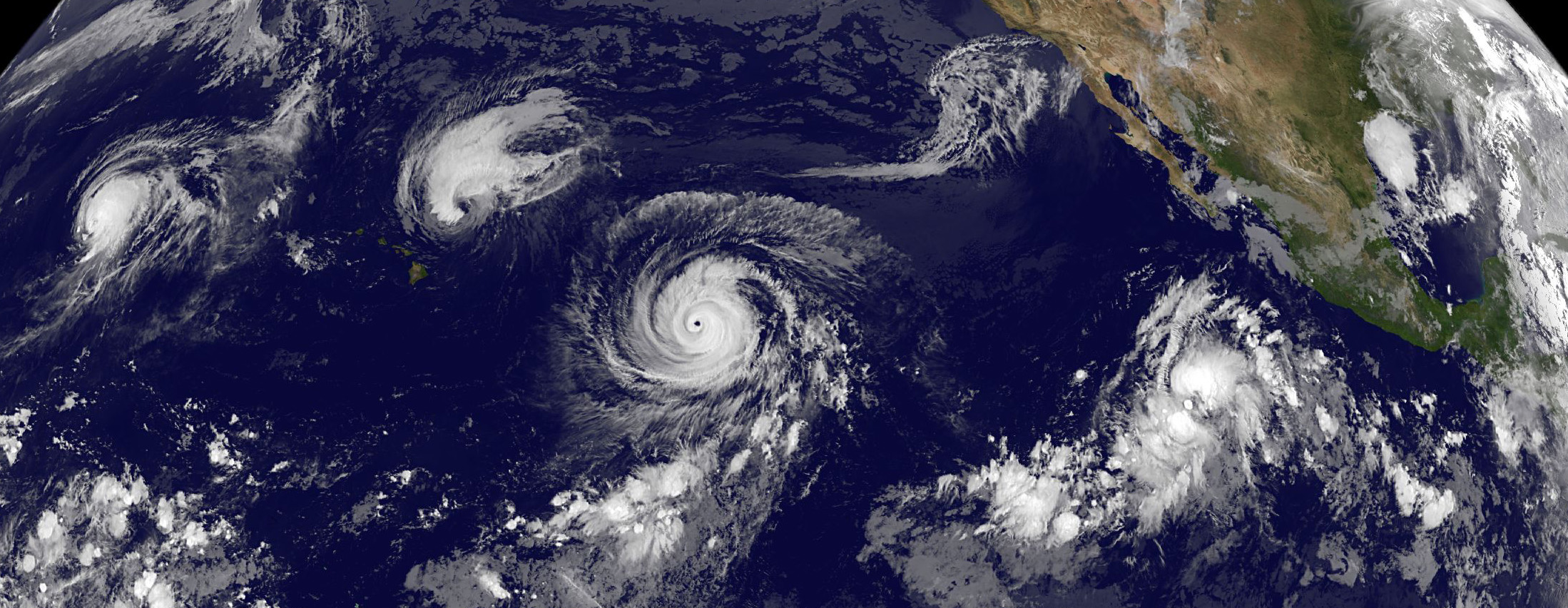
Four Storms Swirling in West Pacific Threaten Philippines with More Devastation

The West Pacific is currently contending with a rare phenomenon: four storms active at the same time, a situation last seen in November since record-keeping began in 1951, according to Japan’s Meteorological Agency. These storms—Typhoon Yinxing, Typhoon Toraji, Tropical Storm Usagi, and Tropical Storm Man-Yi—are spread across the vast basin, from Vietnam to Guam, and are raising alarm across Southeast Asia, particularly in the Philippines.

The Philippines, already prone to annual storms, faces even greater hardship as a succession of typhoons in recent weeks has complicated ongoing recovery efforts. Thousands remain in evacuation shelters as communities brace for more potentially destructive weather.

Typhoon Yinxing Impact On Thursday, Typhoon Yinxing swept over the northeastern Philippines with winds equivalent to a Category 4 Atlantic hurricane. While no casualties were reported, the storm brought severe rainfall, storm surges, and landslides, leaving behind damaged homes, schools, and livelihoods. Philippine President Ferdinand Marcos Jr. visited affected communities in Cagayan and Ilocos Norte, distributing food and relief packages. “While we’re truly grateful that no lives were lost, the damage it left behind has affected homes, schools, and livelihoods,” Marcos stated. He emphasized the government’s focus on recovery and preparation for more storms in the coming days.

After exiting the Philippines, Yinxing drifted into the South China Sea, moving towards Vietnam, where it is currently causing heavy rains.

Typhoon Toraji Strikes The day after Yinxing’s impact, Typhoon Toraji struck Luzon’s eastern coast in Aurora province with winds reaching Category 1 hurricane strength, leading to further evacuations. Toraji has since weakened to a tropical storm, but it is anticipated to bring significant rainfall to parts of southeastern China.

Storms Usagi and Man-Yi Approach The Philippines now braces for another imminent threat, with Tropical Storm Usagi, currently around 720 kilometers off its northeastern coast, expected to strengthen into a typhoon. Local weather agencies have issued warnings about strong winds and storm surges within the next 48 hours.

Following Usagi is Tropical Storm Man-Yi, located about 255 kilometers southwest of Guam. Man-Yi is predicted to reach typhoon strength by Friday and may approach the Philippines by Sunday with potential Category 3 hurricane winds. Though it’s uncertain if these storms will make direct landfall, their proximity increases the likelihood of heavy rainfall, high winds, and storm surges.

Cumulative Impact and “Typhoon Fatigue” The Philippines has already endured six named storms this year. In late October, Tropical Storm Trami and Typhoon Kong-Rey triggered severe flooding and landslides in northern Luzon, displacing nearly 300,000 people and affecting over nine million. Amid ongoing relief operations, health officials are warning of “typhoon fatigue,” as residents, relief workers, and volunteers face exhaustion, burnout, and psychological strain from repeated evacuations and continuous disaster response.

Southeast Asia’s vulnerability to extreme weather makes it particularly susceptible to the impacts of climate change. Warmer ocean temperatures—attributed to human-induced climate change—are driving storms to grow stronger and form later in the season. Experts caution that as ocean temperatures continue to rise, Southeast Asia, particularly countries like the Philippines, may face increasingly severe and frequent storms in the years ahead.

As the storms approach, the Philippines braces once again for potential devastation, with hopes that emergency preparedness and support can mitigate the impact on already hard-hit communities.
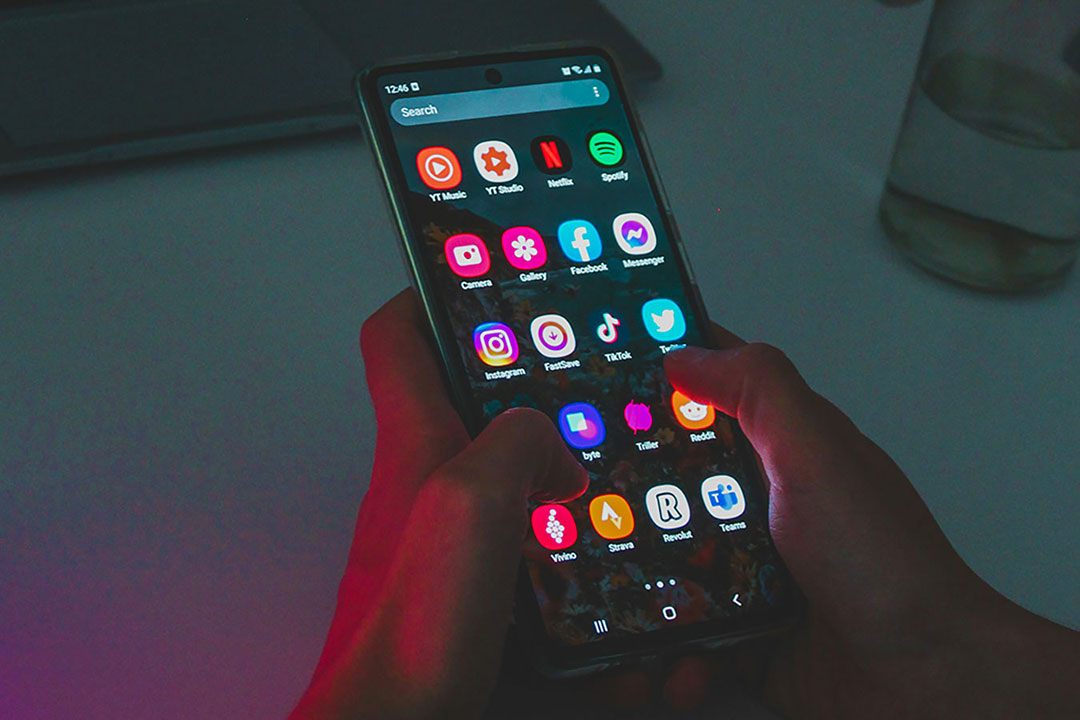

 

Australia Proposes Social Media Ban for Under-16s in Groundbreaking Move to Protect Kids Online

Australia’s government has announced a groundbreaking proposal to ban children under the age of 16 from accessing social media, a move many experts and parents have called “momentous.” Prime Minister Anthony Albanese revealed that this legislation would be introduced into parliament later this year, with plans to enforce the law a year after its approval. The ban will require age verification to block under-16s from using platforms like Instagram, Facebook, TikTok, and X (formerly Twitter).

For years, Australian parents have advocated for more regulation on tech companies, and now, organizations like the Heads Up Alliance, which campaigns against early smartphone use, see this proposal as a victory. Co-founder Dany Elachi stated that while his organization was initially dismissed as “extreme,” this recognition confirms the impact of social media on children. “We refused to give up on our children, and here we are, on the verge of reclaiming childhood after it had been stolen for 15 years,” he expressed.

The proposal places the onus entirely on social media companies to prevent underage access, sparing children and parents from facing penalties. NYU research scientist Zach Rausch praised the initiative as a commonsense approach, likening social media age limits to existing restrictions on driving, smoking, and alcohol use. He sees it as a measure that could position Australia as a global leader in safeguarding children online.

While some parents currently try to limit their children’s social media exposure, organizations like the U.K.-based Smartphone Free Childhood emphasize that the absence of regulation makes this challenging. Daisy Greenwell, co-founder of the group, highlighted the struggles parents face, often without the time or knowledge to navigate complex parental controls. Without regulatory support, peer pressure remains strong, leaving parents feeling unable to tackle the issue alone. Greenwell and others believe that the real responsibility lies with tech companies that design addictive platforms.

Not all reactions have been supportive. DIGI (Digital Industry Group Inc.), an Australian advocacy group for the tech sector, warns that the ban could harm young people’s digital literacy. Sunita Bose, managing director of DIGI, suggested that a total ban is a “20th-century response to 21st-century challenges,” arguing that a balanced approach would help create age-appropriate digital spaces and build valuable online skills.

Bose also expressed concerns that young people might circumvent the ban, leading them to riskier parts of the internet. Using the analogy of teaching kids to “swim between the flags,” she argued that it is safer to guide them in controlled environments rather than banning access altogether.

However, experts like Rausch counter that children can still develop digital skills using platforms that don’t rely on social media’s addictive algorithms, such as Zoom and FaceTime. Greenwell agreed, noting that social media’s user-friendly design means teenagers would quickly adapt once allowed access. In her view, delaying social media use until children are older and more mature allows for healthier development. “We don’t get kids to practice having sex or drinking alcohol before they’re of age,” she pointed out, suggesting that social media could similarly wait until children are 16.

As the world watches, Australia’s proposed law could mark a major shift in how societies globally approach tech use and digital safety for children.


Dogecoin Surges 20% Following Trump’s Announcement of “Department of Government Efficiency” Led by Musk and Ramaswamy

On Tuesday night, Dogecoin experienced a sudden surge of nearly 20% after President-elect Donald Trump announced the creation of a new Department of Government Efficiency, abbreviated as “DOGE.” This announcement, which stirred excitement among Dogecoin enthusiasts, named Tesla CEO Elon Musk and Vivek Ramaswamy, co-founder of Strive Asset Management, as leaders of the department. According to Trump’s statement, Musk and Ramaswamy will work to streamline government operations by reducing bureaucracy, slashing excess regulations, cutting wasteful spending, and reorganizing federal agencies.

Following the announcement, Dogecoin saw a spike in its value, briefly reaching around $0.43 before stabilizing at approximately $0.37 by 2 a.m. ET. The cryptocurrency has gained momentum since Election Day, with an impressive 153% rise, far outpacing Bitcoin’s 30% growth in the same period. Dogecoin’s surge even allowed it to surpass XRP in market capitalization, becoming the sixth-largest cryptocurrency.

Often considered a barometer of retail investor interest, memecoins like Dogecoin typically attract attention when market sentiment leans toward higher-risk speculation. Analysts see this recent activity as an indicator of rising retail enthusiasm in the cryptocurrency market.

Trump first introduced the idea of a government efficiency commission in September, and Musk, who has a history of influencing Dogecoin’s price through his social media posts, began referencing the proposed “Department of Government Efficiency” on X, his social platform. Known for dubbing himself the “Dogefather,” Musk’s association with Dogecoin dates back to 2021, when his enthusiastic tweets propelled Dogecoin to its peak value of $0.67. However, his appearance on Saturday Night Live that year, where he jokingly referred to Dogecoin as “a hustle,” resulted in a swift decline in its value.

While Dogecoin soared, other parts of the crypto market remained relatively calm. Bitcoin traded flat at around $87,000 after briefly reaching $90,000 earlier in the day. Meanwhile, crypto-related stocks, including Coinbase and MicroStrategy, fell slightly, with declines of 1% and 2%, respectively, during extended trading.