
CATL Considers U.S. Plant if Trade Policy Shifts Under Trump Administration

China’s CATL, the world’s leading electric vehicle battery manufacturer, has expressed interest in establishing a plant in the United States if the upcoming Trump administration eases restrictions on Chinese investments in the EV sector. Robin Zeng, CATL’s founder and chairman, disclosed that although CATL had previously explored U.S. investments, it was blocked by trade barriers and national security concerns under former trade policies, including tariffs that made Chinese EV and battery products prohibitively expensive in the American market.

These restrictions have targeted Chinese technology, with both the Trump and Biden administrations enforcing protective trade measures. Chinese battery technology, for instance, does not qualify for the consumer EV subsidies introduced under the Biden administration, and Chinese-made electric vehicles face a 100% tariff, effectively barring them from U.S. entry. Recently, a Republican-backed bill also proposed limiting EV incentives for vehicles containing Chinese-made batteries, a measure opposed by the current White House.

Despite these barriers, Trump has suggested openness to foreign automakers setting up production in the U.S. on the condition that they manufacture locally and employ American workers. This conditional openness has kept Zeng interested in revisiting U.S. opportunities, especially as CATL continues to license its technology to American automakers such as Ford and Tesla. Ford plans to open a Michigan facility utilizing CATL’s lithium-phosphate battery technology, while Tesla has a similar licensing agreement for battery production expected to launch in Nevada in 2025.

Zeng, who frequently discusses industry trends with Tesla’s Elon Musk, praised Musk’s vision for AI-driven autonomous vehicles. However, he voiced skepticism about Musk’s preference for cylindrical battery cells, specifically Tesla’s 4680 model, cautioning Musk that it would face significant technical challenges. Zeng also critiqued Musk’s tendency to set ambitious timelines, arguing that such accelerated deadlines may set unrealistic expectations among stakeholders. Musk, who has consistently aimed to push Tesla’s production limits, recently announced plans for fully autonomous Tesla models by 2024 and a “Cybercab” robotaxi by 2026, though these projections were met with investor skepticism.

While Zeng acknowledged Musk’s ambitious vision and alignment in pushing the EV industry’s boundaries, he cautioned that overly optimistic timelines could undermine progress. Nevertheless, Zeng emphasized that CATL is committed to expansion and innovation, awaiting a more favorable regulatory environment in the U.S. to potentially broaden its presence beyond licensing partnerships.
 

Megan Fox and Machine Gun Kelly Announce Pregnancy Following Past Challenges

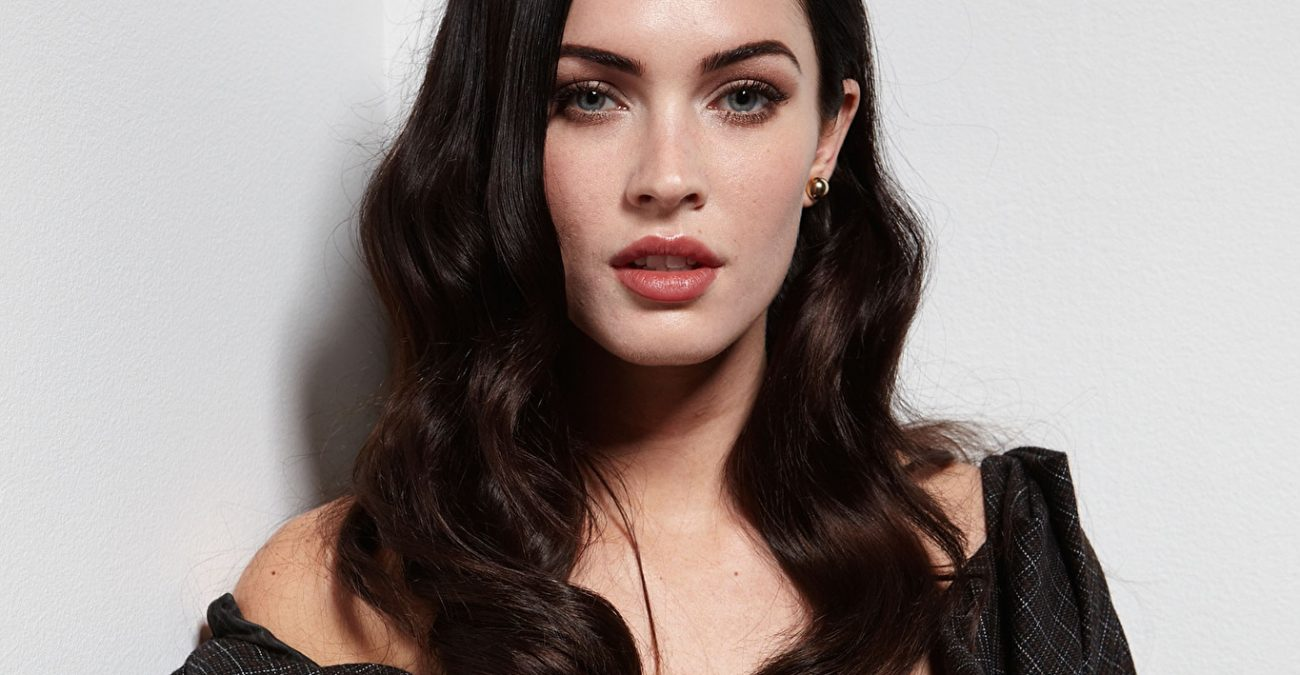
Actress Megan Fox has announced she is expecting her first child with musician Machine Gun Kelly, marking a new chapter for the couple who have been together since 2020. Fox revealed the pregnancy in an Instagram post, where she shared a photo of herself kneeling and cradling a baby bump. In a touching caption, she wrote, “Nothing is ever really lost. Welcome back,” accompanied by a positive pregnancy test.

Fox has previously been open about the emotional challenges she has faced in her journey to motherhood. In an interview on Good Morning America, she spoke about a previous miscarriage, describing it as a uniquely difficult experience for both her and Kelly. “I’ve never been through anything like that before in my life,” she said. “It sent us on a very wild journey together and separately—trying to navigate what this meant and why it happened.”

In her book Pretty Boys are Poisonous, Fox further explored these experiences through poetry, expressing the complexity and pain of pregnancy loss. She also revealed in a Women’s Wear Daily interview that she had experienced an ectopic pregnancy, a condition where a fertilized egg implants outside the womb, typically in the fallopian tubes. This condition can be life-threatening and often requires urgent medical intervention.

Fox has three children from a previous relationship, while Kelly has a daughter of his own. This new pregnancy signifies a meaningful step forward for the couple, who have openly shared the highs and lows of their relationship with fans.


Life-Sized ‘Dead Whale’ Draws Thousands to Caspian Sea to Raise Climate Awareness at COP29

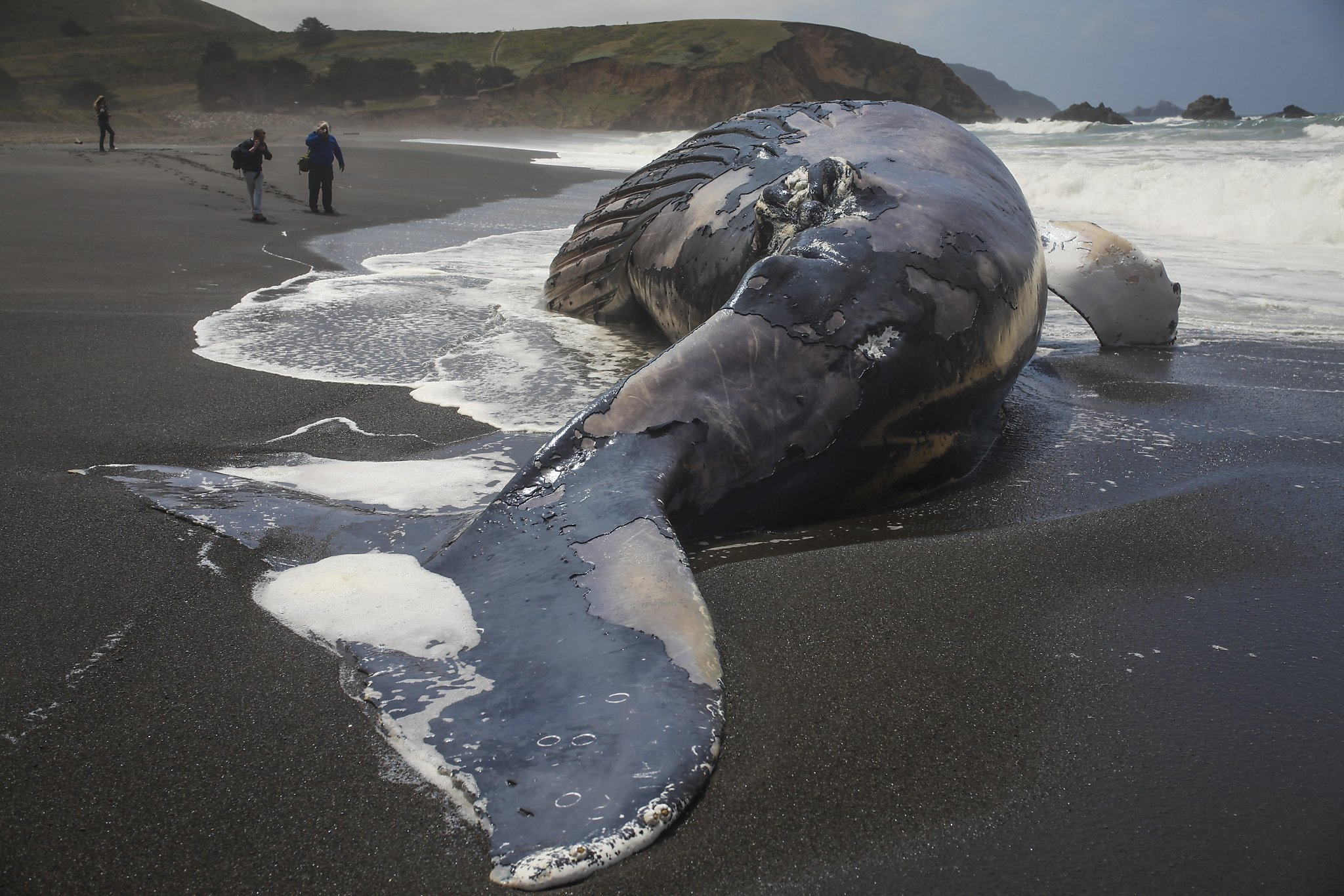
A massive, 52-foot, hyper-realistic model of a sperm whale has appeared on the shores of the Caspian Sea, near Baku, Azerbaijan, emitting a rancid smell that has drawn thousands of curious onlookers. Although sperm whales don’t inhabit the Caspian Sea, this replica has sparked intense reactions and conversations among residents and visitors.

The whale, crafted by Captain Boomer, a Belgian collective of artists and scientists, is part of an awareness campaign to draw attention to ecological issues and climate change. Using molds taken from real whales and the added effect of rotting fish nearby, the installation replicates the appearance and smell of a beached whale, immersing people in a startling reminder of environmental degradation.

Captain Boomer has exhibited the model in cities across Europe and Australia for over a decade. This time, they have brought it to Baku in coordination with COP29, a United Nations climate summit addressing global climate change challenges. The collective’s intent is to confront people with the tangible impact of environmental crises, making them reflect on humanity’s relationship with nature. “People feel that their bond with nature is disturbed,” said Bart Van Peel, a Captain Boomer representative.

After a two-week journey by truck from Belgium through Europe, Turkey, and Georgia, the whale arrived in Baku with the cooperation of Azerbaijani authorities and local environmental activists, including Adnan Hussein of the FINS initiative, which aims to protect marine species.

In addition to the whale, the installation includes a street theater performance, where actors portray scientists examining the whale and speculating on its “death.” These fictional stories, sometimes attributing the whale’s presence to disrupted migration routes due to climate change, create a narrative that merges fact with fiction, provoking viewers to think deeply about the ecological effects of climate disruption.

With oceans warming, marine life, including whales, face challenges like altered food sources and disrupted migration routes. These conditions increase their vulnerability to human activities like fishing and shipping. Through this installation, Captain Boomer seeks to capture these challenges symbolically, emphasizing the urgency of climate action.

Since the exhibit’s debut, thousands have visited, some staying for extended periods, visibly moved by the sight. Van Peel reflects on the collective experience around the whale, describing it as a “gesture of a beast coming from another element and throwing itself at our feet, saying: ‘Look, I can’t anymore.’” He hopes the exhibit serves as a powerful question for those who experience it: “What are you going to do?”