
Matthew McConaughey on Turning Down Millions for Happiness: “The Residuals Decline on Quality of Life”

Matthew McConaughey recently shared insights on his decision to prioritize personal fulfillment over financial gain, highlighting a perspective on wealth that he believes doesn’t necessarily equate to happiness. Speaking on the Modern Wisdom podcast, the 55-year-old actor discussed why he values a more meaningful “profit” in life, rather than just accumulating wealth.

McConaughey pointed out that while society often equates money and fame with success, he disagrees. “Right now, money, fame, that’s the definition of success,” he said. “Whoever has more, you’re the winner.” For him, however, true profit is measured in personal contentment and purpose rather than the numbers in his bank account. “Profit does pay you back,” he explained, but it’s about the broader rewards in life, not just financial returns.

The actor recalled witnessing how some individuals, despite their wealth, were unhappy due to an endless pursuit of money without meaningful relationships or purpose. “They were good at it,” he said of those who chase financial success, “but they couldn’t necessarily say what they were good at.”

McConaughey’s commitment to finding joy and fulfillment over wealth is reflected in his career choices. After a successful run of romantic comedies, he reached a point in 2012 when he felt the need to step back from those roles, even if it meant giving up lucrative opportunities. “I decided to sit out, and I had to endure for a while,” he explained. When presented with a $15 million offer to star in a Magnum, P.I. film in 2008, McConaughey turned it down, opting instead to pursue projects that aligned with his passion.

This decision led him to take a significantly lower paycheck—less than $200,000—for Dallas Buyer’s Club, a role that would ultimately win him an Academy Award and bring a deeper sense of purpose to his career. Reflecting on this choice, McConaughey said he doesn’t miss the millions he could have earned. “Would I be any less happy if I had a 50th of what I have right now? No,” he said, adding, “The residuals decline on quality of life.”

 

Climate Startup Range Energy Pioneers Electrified Trailers to Compete in Big Rig EV Market

In the race to electrify heavy-duty trucks, California-based startup Range Energy is focusing on a unique solution: electrifying the trailer instead of the tractor. While companies like Tesla, Volvo, and Freightliner have launched electric tractor-trailers, this segment remains inefficient, with charging and infrastructure challenges. Big rigs make up only 10% of all vehicles but are responsible for almost 30% of carbon emissions, emphasizing the need for innovation in this space.

Range Energy’s approach involves retrofitting trailers with their own battery and motor systems, designed to reduce the load on the tractor. “By electrifying the trailer itself, we’re tackling the problem from a new angle,” says Range Energy CEO Ali Javidan. The Range system includes a battery, a motor powering one of the trailer’s axles, and a “smart kingpin” that helps the trailer adjust to the tractor’s movements, effectively making it feel “weightless” for the driver.

The electrified trailer is also capable of powering its refrigeration, communication, and security systems—tasks that typically require costly diesel. According to Javidan, a single fleet using Range’s technology could reduce emissions by up to 100 million pounds of CO2 annually and save $50 million in fuel costs.

Northern Refrigerated Transportation, piloting Range’s trailers in California, sees this setup as a promising alternative. Traditional electric tractors pose challenges for the company due to their lengthy charging times, which can delay operations. With Range’s trailers, the units can be charged overnight at loading docks, minimizing downtime and addressing a major barrier to full-fleet electrification.

Despite the advantages, hurdles remain. Northern Refrigerated Transportation notes that scaling up requires addressing infrastructure issues, such as upgrading power access at properties, and weighing the initial costs of the trailers. Range Energy has raised $31.5 million in funding from backers like R7, UP.Partners, Trousdale Ventures, and Yamaha Motor Ventures, which believe in the potential for these electrified trailers to revolutionize the freight industry.

R7 founder Tyler Engh highlights the startup’s potential, emphasizing that electrifying trailers could accelerate adoption of hybrid and electric systems even in diesel fleets. While charging infrastructure is still evolving, Range Energy’s technology allows trucking companies to use the power available at loading docks, enabling a more flexible and cost-effective transition to electrification.


Zhuhai Air Show Highlights COMAC Orders, New Spaceplane, and Chinese Aerospace Advances

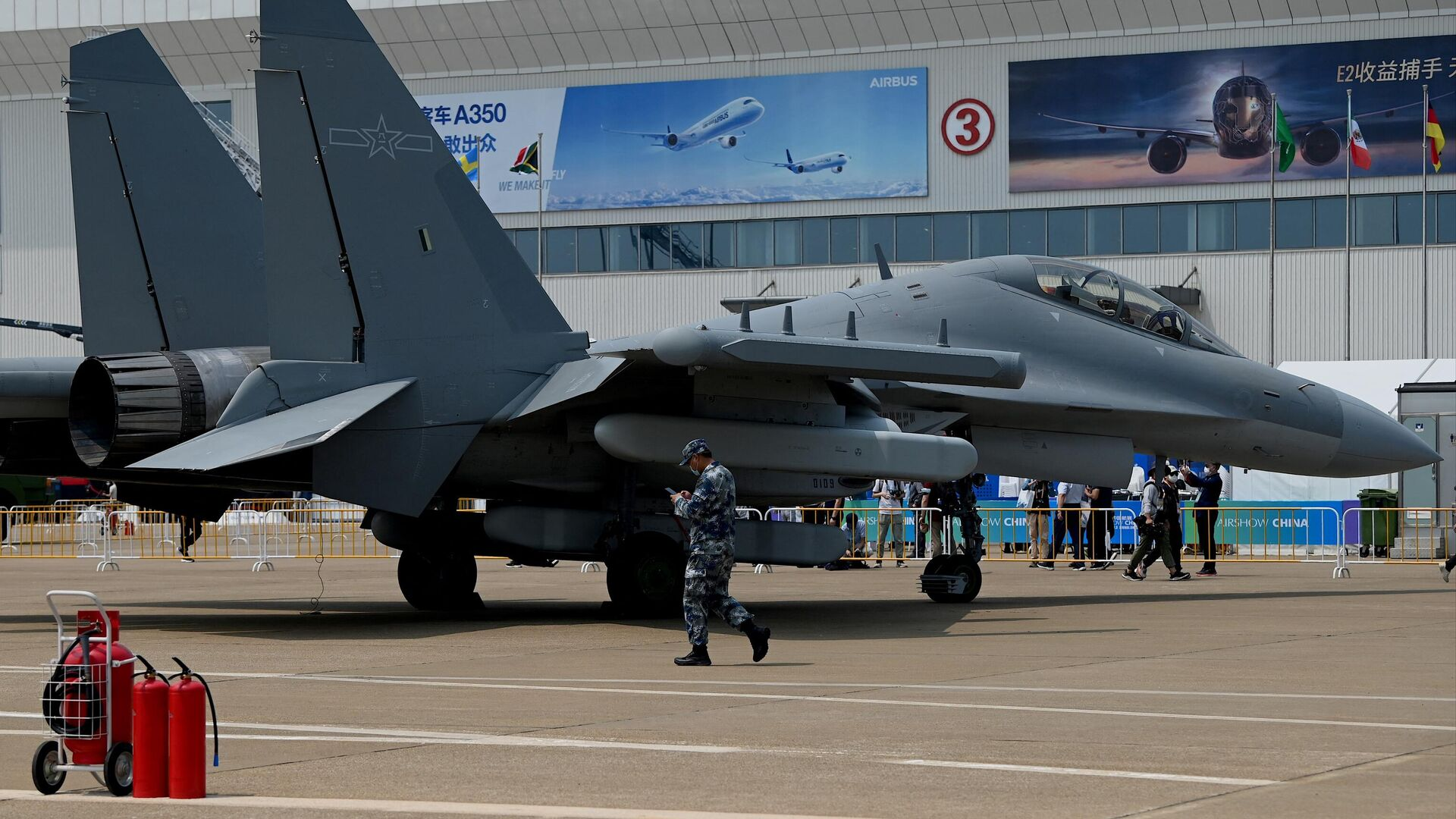
China’s growing aerospace industry took center stage at the Zhuhai Air Show, where Commercial Aircraft Corporation of China (COMAC) showcased new partnerships and aircraft. Air China emerged as the launch customer for COMAC’s C929, China’s first domestically developed widebody jet. Additionally, COMAC revealed improvements to its ARJ21 regional jet, rebranding it as the C909 for greater brand consistency. Painted white with a blue tail, the C909 boasts enhanced efficiency with reduced weight, noise, and fuel costs, according to COMAC’s air show representatives.

Hainan Airlines confirmed orders for 60 C919 narrowbody jets and 40 C909s, while Colorful Guizhou Airlines signed agreements for 30 C909 aircraft, including 20 firm orders and 10 provisional ones. Although Air China’s exact order volume for the C929 has yet to be disclosed, this endorsement signals the expansion of China’s domestic aerospace ambitions.

The air show also saw state-owned AVIC display a model of China’s first commercial uncrewed spaceplane, designed to carry cargo to the Chinese space station. AVIC received a contract from the China Manned Space Agency for engineering and flight validation of this spaceplane, which is aimed at delivering low-cost, reusable cargo solutions for space.

Overhead, China’s Bayi aerobatic team performed, featuring J-20 stealth jets and debuting the new J-35A stealth fighter to the public. On the ground, a Z-20 helicopter, modified for anti-submarine operations, showcased the People’s Liberation Army Navy’s capabilities in extended-range maritime security.

Airbus, present at the show, voiced its commitment to competing in the Chinese market. CEO George Xu said Airbus remains focused on collaboration with Chinese partners despite emerging EU-China trade tensions, noting that Chinese certification of Airbus’s A330neo is progressing and could result in a 2025 delivery.

The Zhuhai Air Show will continue through November 17, highlighting China’s strides in aerospace innovation and the growing impact of its commercial and defense aviation sectors.