
Trump’s Day-One Immigration Plans: Deportations, Border Wall, and Ending Biden’s Programs

Former President Donald Trump is preparing a series of executive actions on his first day back in office aimed at intensifying immigration enforcement and undoing key immigration programs from President Biden’s term. According to insiders, this aggressive strategy will be led by newly appointed “border czar” Tom Homan, a seasoned immigration official, and other prominent Republican figures known for their strict stances on immigration.

Key measures include expanded powers for federal immigration officers to detain individuals without criminal records, deploying troops to the U.S.-Mexico border, and resuming border wall construction. Trump also intends to eliminate Biden’s humanitarian programs, which allowed numerous migrants to enter the U.S. legally and access work permits, signaling a stricter stance on both legal and unauthorized immigration.

Trump’s early actions are expected to reverse Biden’s policy prioritizing deportations for individuals with serious criminal records. His planned executive orders will broaden deportation targets, focusing on people with exhausted legal options as well as potential security risks, including individuals violating visa conditions. In response, Trump may employ military aircraft and other federal resources to facilitate deportations.

The former president also plans to declare illegal immigration a national emergency, unlocking funds for prioritized wall construction in areas like Arizona, where immigration enforcement policies have faced state opposition. Additionally, discussions may reopen with Mexico to reinstate the “Remain in Mexico” policy, requiring asylum seekers to wait in Mexico for U.S. case decisions.

Trump’s proposals will likely face significant legal challenges from Democratic-led states and advocacy groups, but the incoming administration aims to make immigration a top priority by Day One, building on campaign promises to significantly reduce unauthorized entries and address immigration enforcement with a more hands-on, whole-of-government approach.

 

Meta to Offer Less Personalized Ads in Europe to Satisfy EU Regulators

Meta Platforms, the parent company of Facebook and Instagram, announced on Tuesday a shift in its advertising approach for European users, now allowing them to opt for “less personalized ads.” This change comes as the company seeks to address rising regulatory concerns from the European Union over user privacy and Big Tech’s influence.

The update will roll out in the coming weeks, allowing users in the EU to choose ads based on “context,” targeting them according to session activity rather than using detailed personal data. Meta clarified that these ads would still consider age, gender, and location and would include some unskippable elements. Additionally, Meta plans to cut ad-free subscription prices by 40% in Europe, aligning with regulators’ calls for fairer practices.

This policy shift is partially driven by the Digital Markets Act (DMA), a groundbreaking EU regulation aimed at limiting Big Tech’s market dominance, which went into effect earlier this year. The European Commission is monitoring Meta’s compliance closely, stating that this new ad model is not officially endorsed and that the EU’s main goal remains full compliance with privacy standards.

The European Data Protection Board (EDPB) chair, Anu Talus, welcomed Meta’s new choice of less detailed profiling for ads, though the proposal will still undergo regulatory scrutiny. This development follows a recent court ruling obligating Meta to limit personal data use in targeted advertising, a victory for privacy advocates such as Max Schrems.


Redmi Band 3 Launched with 1.47-inch Display and 18-Day Battery Life: Price and Specs Revealed

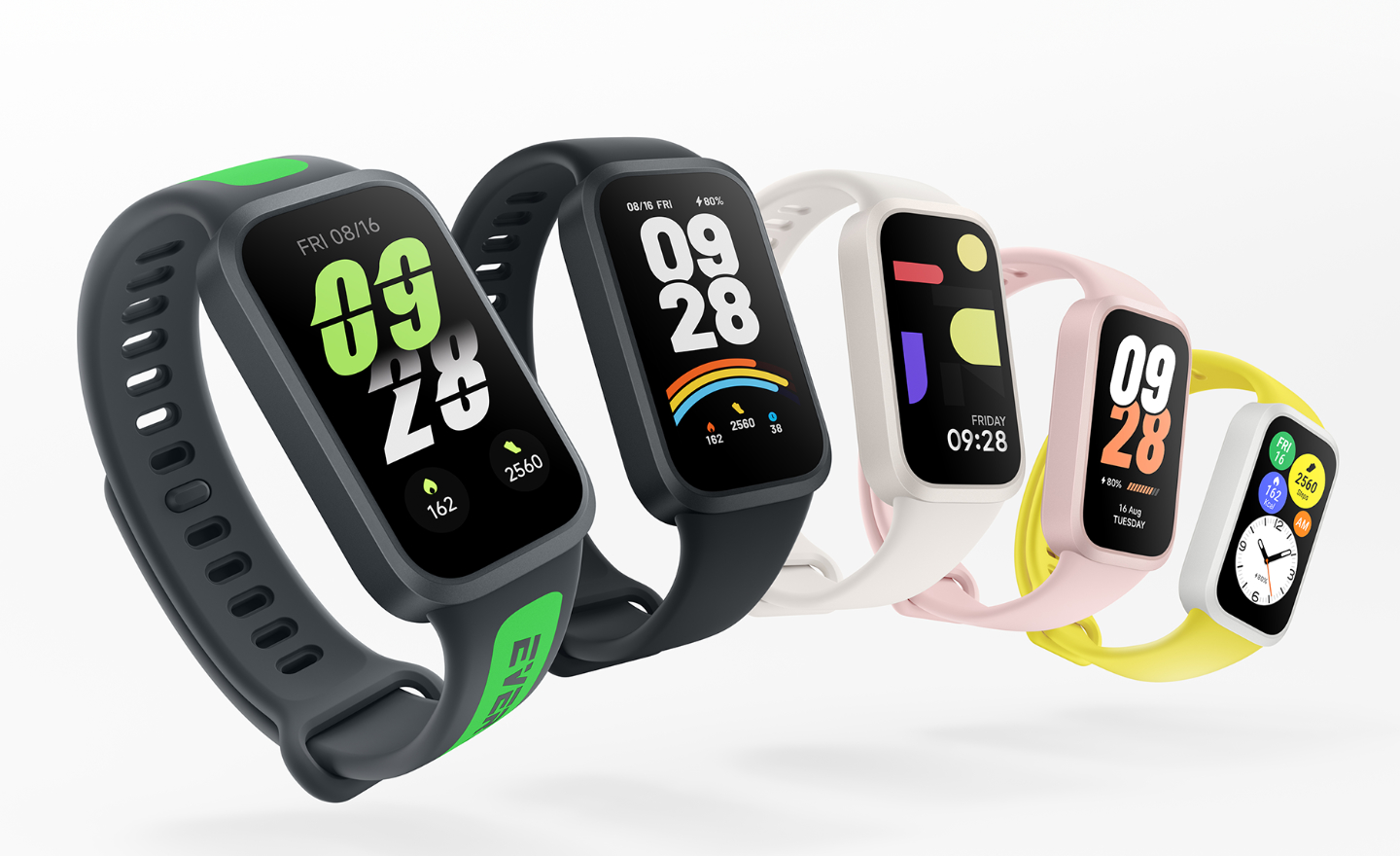
The Redmi Band 3 has officially launched in China, bringing a sleek and feature-packed wearable to the market. This smart band boasts a 1.47-inch rectangular display with a 60Hz refresh rate, offering a clear and responsive user experience. One of its standout features is its impressive battery life, with the device capable of lasting up to 18 days on a single charge. The Redmi Band 3 is designed with health and wellness in mind, offering key tracking features such as heart rate monitoring, blood oxygen levels, and sleep cycle analysis. With a 5ATM water resistance rating, it is also durable enough for various water-related activities.

Health and Fitness Tracking Features

The Redmi Band 3 comes equipped with more than just basic fitness features. It offers 50 preset sports modes to cater to a wide range of athletic activities, helping users track everything from running to cycling. Additionally, the band supports over 100 customizable watch faces, allowing users to personalize the display to suit their style. Running on Xiaomi’s HyperOS, the band promises a smooth, intuitive interface that is easy to navigate, enhancing the overall user experience. Whether it’s monitoring your fitness or tracking sleep patterns, the Redmi Band 3 offers a comprehensive set of tools for those focused on improving their health.

Affordable Pricing and Availability

In terms of pricing, the Redmi Band 3 is very affordable, with a cost of CNY 159, which is approximately Rs. 1,900. It is now available for purchase in China via the Xiaomi China e-store, making it accessible to a wide range of consumers. The smart band offers great value for money, considering the range of features it packs into a compact design.

Color Options and Customization

To cater to different tastes, the Redmi Band 3 comes in five attractive color options: black, beige, dark grey, green, pink, and yellow. These color choices ensure that users can find a style that fits their preferences, whether they are looking for something neutral or more vibrant. With its combination of functionality, affordability, and customization options, the Redmi Band 3 is poised to be a strong contender in the fitness band market.