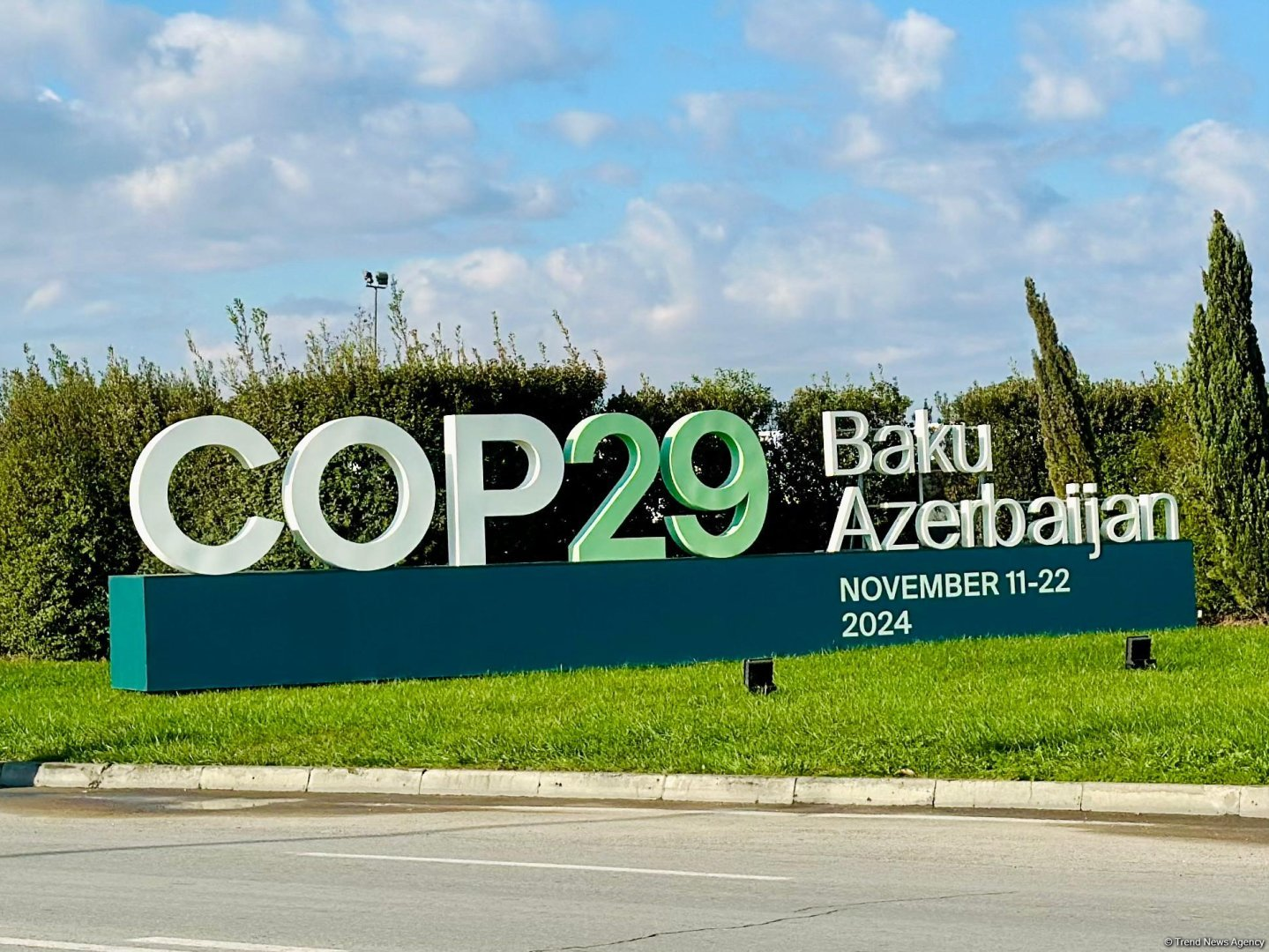
COP29 Chief Executive Caught Promoting Fossil Fuel Deals, Raising Concerns About the Conference’s Integrity

A senior official at the COP29 climate change conference, set to take place in Baku, Azerbaijan, has been caught in a covert video promoting fossil fuel deals while using his position. Elnur Soltanov, the CEO of Azerbaijan’s COP29 team and deputy energy minister, was filmed discussing investment opportunities in the state oil and gas company, Socar, with a man posing as a potential investor. In the recording, Soltanov highlights the country’s many untapped gas fields and the potential for joint ventures, describing natural gas as a “transitional fuel.”

The secret footage raises serious ethical concerns, with critics calling it a betrayal of the COP process. Christiana Figueres, former head of the UN climate change body and architect of the 2015 Paris Agreement, called Soltanov’s actions “contrary and egregious” to COP’s purpose, accusing him of undermining efforts to combat climate change. She described the behavior as a “treason” to the COP process, which is meant to address the world’s reliance on fossil fuels, not facilitate their expansion.

Soltanov, who also sits on the board of Socar, was caught suggesting the fake investor could sponsor COP29 in exchange for discussions about oil and gas investments in Azerbaijan. Despite initially promoting “green transitioning projects,” Soltanov quickly shifted focus to the country’s plans to increase gas production and develop new pipeline infrastructure. He even implied that Socar could open doors for business ventures in the energy sector, including oil and gas, promoting the idea that the doors of Azerbaijan’s energy sector were “open” to anyone with solutions.

The revelation is the latest in a series of controversies surrounding COP hosts. This year marks the second consecutive year that the BBC has reported issues with the host nation’s behavior. Documents and recordings obtained by the human rights group Global Witness reveal the COP29 team discussing a sponsorship deal with a fictitious Hong Kong-based investment firm in exchange for access to the country’s oil and gas business.

The actions of Soltanov and the COP29 team, including offering passes for full access to the summit in exchange for support in energy investments, seem to be in direct violation of the UN’s code of conduct for COP officials. The UN Framework Convention on Climate Change (UNFCCC) enforces these standards to ensure impartiality and prevent conflicts of interest.

Azerbaijan’s COP29 team has not responded to requests for comment on the findings. Meanwhile, Soltanov’s promotion of fossil fuel deals starkly contrasts with the goals of COP29, which seeks to reduce global reliance on fossil fuels and limit the effects of climate change. The incident also follows last year’s revelations about similar attempts at COP28, hosted by the UAE, to strike oil and gas deals, emphasizing the ongoing tension between fossil fuel interests and the global climate agenda.
 

Up Close with the 300-Tonne Driverless Trucks: The Future of Mining Automation in Remote Australia

At Rio Tinto’s Greater Nammuldi iron ore mine, located in inland Western Australia, automation is at the forefront of operations. The mine, situated in the Pilbara region, is so remote that workers are flown in for shifts, spending four to eight days on-site before returning home. With over 400 workers present at any given time, their task is to manage an expansive operation where massive, driverless trucks navigate the red-earth roads.

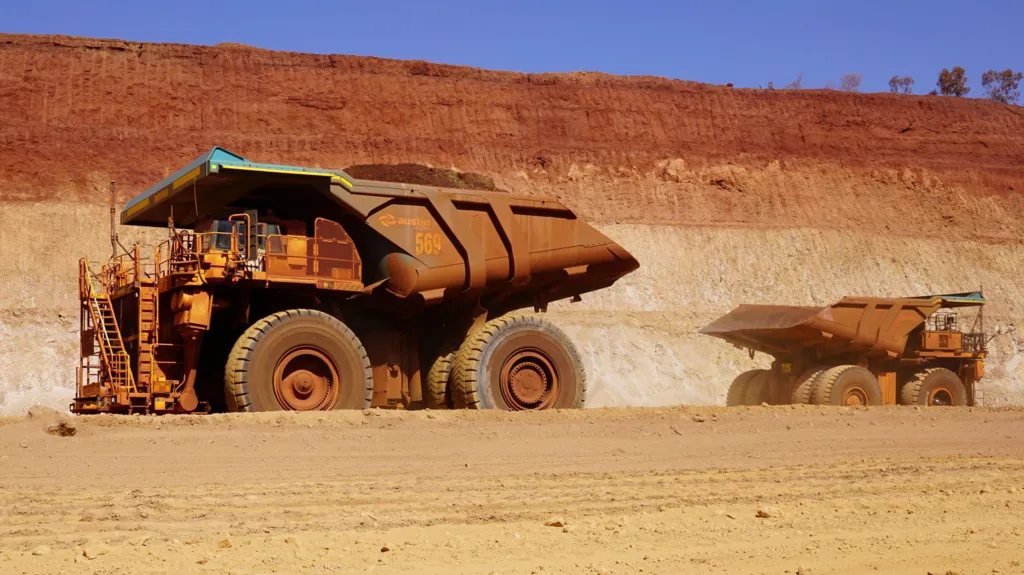
These autonomous trucks, some of the largest on earth, weigh up to 300 tonnes and crisscross the open-pit mine without human drivers. For someone unfamiliar with such technology, the sheer size of these trucks is daunting, especially when they operate without a driver at the wheel. During a site tour, the sight of one of these self-driving giants approaching from a side road is enough to raise the question: can they really be trusted?

Greater Nammuldi boasts a fleet of over 50 autonomous trucks, with several other vehicles, such as the self-driving water cart “Henry,” also operating to maintain the mine’s roads. While a few trucks still rely on manual drivers, most of the operations are automated. The autonomous trucks follow predefined routes and are monitored remotely from Rio Tinto’s Operations Centre (OC) in Perth, over 1,500 kilometers south. Here, controllers ensure the smooth functioning of the fleet, as well as other automated systems like drills and a long-distance rail network transporting mined ore.

The safety benefits of these self-driving trucks are clear. Mining is a dangerous industry, and by removing human drivers from the trucks, Rio Tinto aims to reduce accidents caused by fatigue or unpredictable behavior. According to the company’s Pilbara managing director, Matthew Holcz, automation has significantly improved safety and increased productivity by about 15%. The trucks operate continuously, without the downtime associated with shift changes, and can travel faster when fewer human-operated vehicles are in the mix.

Despite the cost – which Rio Tinto estimates at billions of dollars – automation has not led to mass job losses. Instead, former truck drivers are being retrained as controllers or reassigned to operate manual vehicles at different sites. At the OC, I meet Jess Cowie, a former manual driller who now remotely operates autonomous drills. She reflects on the benefits of automation, such as fewer environmental hazards and more time spent at home with her family.

However, the shift to automation isn’t without its challenges. Professor Robin Burgess-Limerick, an expert on human factors in mining, acknowledges the progress made but points out that improvements are still needed. For instance, the interfaces that staff use to monitor autonomous vehicles can be confusing, and there have been instances where human operators lost situational awareness. Additionally, some autonomous vehicles have had trouble detecting moisture on wet roads, which can lead to traction issues.

Labor representatives, such as Shane Roulstone from the Western Mine Workers Alliance, also raise concerns. He cites a recent incident where an autonomous train collided with a stationary vehicle on the tracks, though he recognizes that Rio Tinto has developed robust safety strategies for automated operations. Still, Roulstone believes that as automation increases, the potential for job losses will grow.

Despite these issues, Rio Tinto’s investment in automation continues, with further expansion of its autonomous truck fleet and the introduction of new technologies like self-driving excavators and dozers. While automation continues to change the landscape of mining, it’s clear that humans and robots will have to coexist, each adapting to a future where technology plays a central role.

The Last Best Hope for Supreme Court Liberals: Amy Coney Barrett

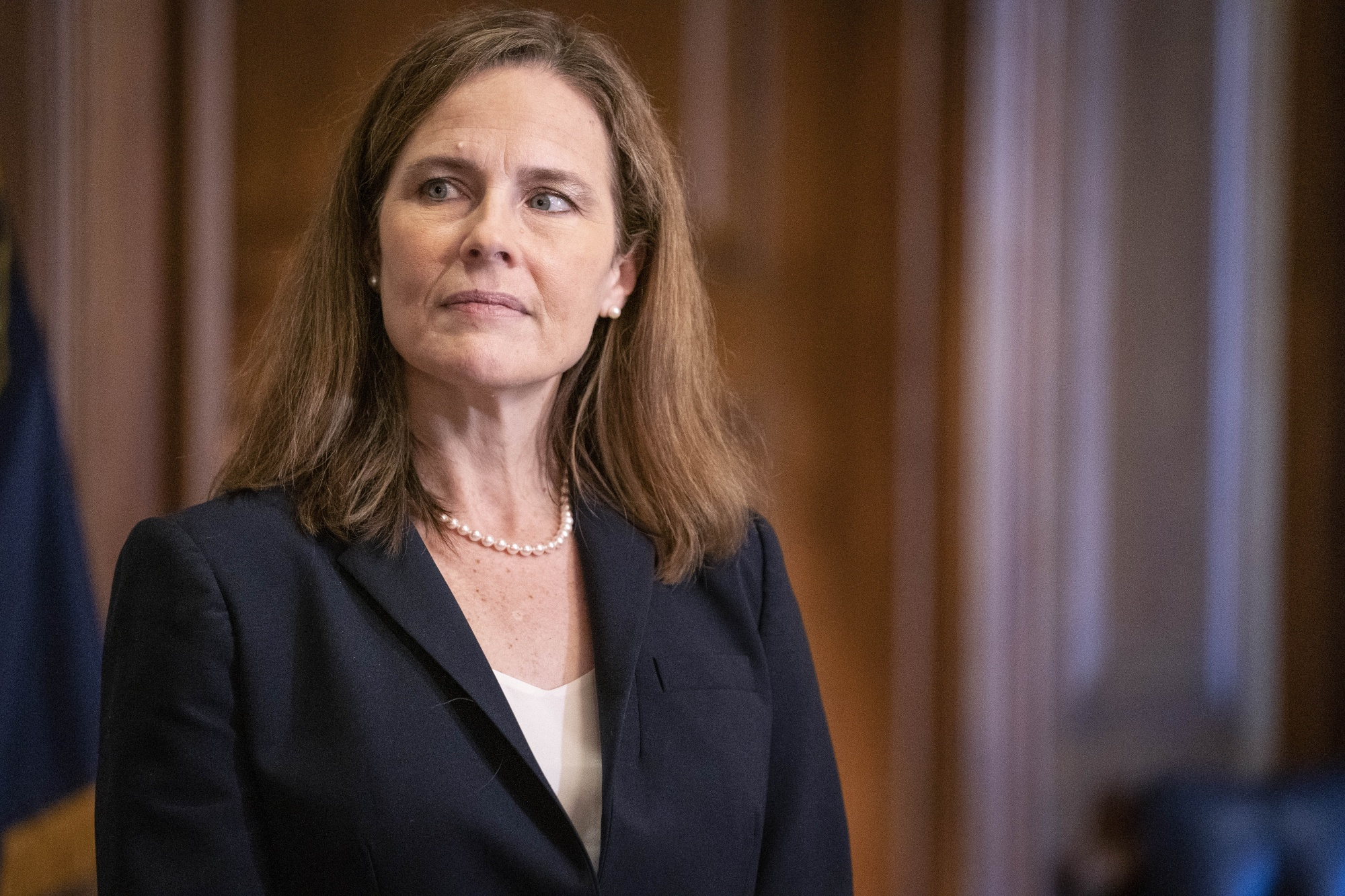
Supreme Court Justice Amy Coney Barrett has emerged as a surprising figure in the polarized environment of the current Court, one that liberals on and off the bench are looking to as a potential counterbalance to the conservative majority. As the only former law professor among the Court’s right-wing bloc and its sole female member, Barrett stands apart in more ways than one.

What makes Barrett particularly intriguing is her distinct background. Unlike the other conservative justices, she never served in a high-level Republican administration, which gives her a more independent voice on the bench. While her judicial philosophy aligns with the right on many major issues, including abortion, affirmative action, and executive power, her more methodical and analytical approach has led some liberals to see her as a potential ally in securing a more moderate judicial consensus.

Since her appointment in 2020, Barrett has been closely watched by both liberals and conservatives. On the one hand, she has cast votes with the conservative majority in significant cases like Dobbs v. Jackson (overturning Roe v. Wade), New York State Pistol & Rifle Association v. Bruen (expanding gun rights), and Students for Fair Admissions v. Harvard (striking down affirmative action). On the other hand, her nuanced legal reasoning and willingness to engage with both sides of a case have earned her a reputation as a potential voice of moderation.

Barrett’s approach to legal interpretation is rooted in originalism and textualism, following in the footsteps of the late Justice Antonin Scalia. But her willingness to challenge her conservative colleagues on methodological grounds—such as in her disagreements with Justice Thomas over historical analogies—sets her apart. In cases like student loan forgiveness and agency powers, Barrett has voiced concern over the overreach of executive authority, aligning with more moderate perspectives.

While Barrett’s votes have overwhelmingly favored conservative positions, her engagement with the left on legal doctrine and her occasional departures from the far-right bloc make her a critical figure. She has even worked alongside liberal justices during oral arguments, with Justice Sotomayor and Justice Kagan frequently referring to Barrett’s questions to support their own arguments. This kind of cross-ideological dialogue, though not always resulting in alignment on the final decision, suggests that Barrett could serve as a bridge in an increasingly divided Court.

Despite this, Barrett remains firmly within the conservative fold on most cultural issues, and her votes continue to uphold conservative priorities. In her most recent opinions, she joined with the conservative majority in curbing the powers of federal agencies and bolstering protections for religious freedoms. Nevertheless, her more cautious approach to certain cases, such as the Idaho abortion ban, reveals a potential willingness to temper her conservative inclinations in pursuit of a more balanced outcome.

Barrett’s impact on the Court is still evolving. As her tenure progresses, her role as a potential moderator may become more pronounced, especially as the country navigates a new phase of political polarization. While she is not expected to dramatically shift the Court’s ideological composition, her legal rigor and willingness to engage in cross-ideological dialogue could help mitigate some of the Court’s more contentious decisions.