
Slow Warnings and Inadequate Defenses Expose Spain to Catastrophic Flooding

The recent deadly floods in Spain highlighted critical delays in public warnings and long-standing issues with flood defenses. Aitana Puchal, one of the affected residents near Paiporta, received an emergency alert at 8 pm on October 29 from Valencia’s regional government, advising people to shelter due to severe flooding. By then, however, knee-high waters had already forced her and others to take refuge on the first floor of a hotel. Many others faced similar challenges, stranded without sufficient warning as floodwaters quickly inundated homes and streets.

Inhabitants of several flooded towns reported that the alert came too late to act, with streets already submerged. Some institutions, including Valencia University, had issued warnings the day before, advising against travel and suspending activities, while the national weather service had also flagged severe weather risks as early as October 25. However, conflicting messages and delayed alerts hampered effective response, contributing to significant loss of life. The floods, Spain’s deadliest in over fifty years, resulted in more than 220 deaths, with dozens still missing.

Despite early warnings from the national meteorological agency, AEMET, which raised the risk level to red at 7:36 am on October 29, regional alerts lagged. Throughout the day, emergency services exchanged emails and calls but failed to issue a timely shelter-in-place order. By the time floodwaters surged through the Poyo ravine, a usually dry waterway west of Valencia, it had reached three times the flow rate of the Ebro River, Spain’s largest, and had overwhelmed nearby towns.

The lack of adequate flood defenses and public education about flood risks worsened the disaster. Experts criticized long-term governmental delays in implementing flood mitigation measures. Hydraulic engineer Felix Frances from Valencia Polytechnic University had proposed a flood management plan for the Poyo ravine seventeen years earlier, yet the project expired in 2017 without any work being initiated. Only a week after the catastrophe did the government pledge 10.6 billion euros in relief.

Local experts highlighted that many deaths could have been prevented with better infrastructure and community preparedness. Public education efforts in Valencia have largely focused on fire risks, with minimal guidance on flood response. As climate change brings increasingly severe weather to Spain’s Mediterranean coast, the lack of such preparedness is an ongoing concern.

The regional government’s head, Carlos Mazon, who faced criticism for his handling of the disaster, maintained that he was in continuous contact with his team. However, he was seen attending a tourism event and budget meeting during the crisis. Mazon stated that fluctuating water flow reports contributed to delayed action, though public frustration remains high.

As Spain looks to recover, experts like Luis Bañon from the University of Alicante stress the need for proactive flood defenses and public education. The disaster underscores the importance of coordinated and timely disaster management, especially as extreme weather events become more frequent in Europe.
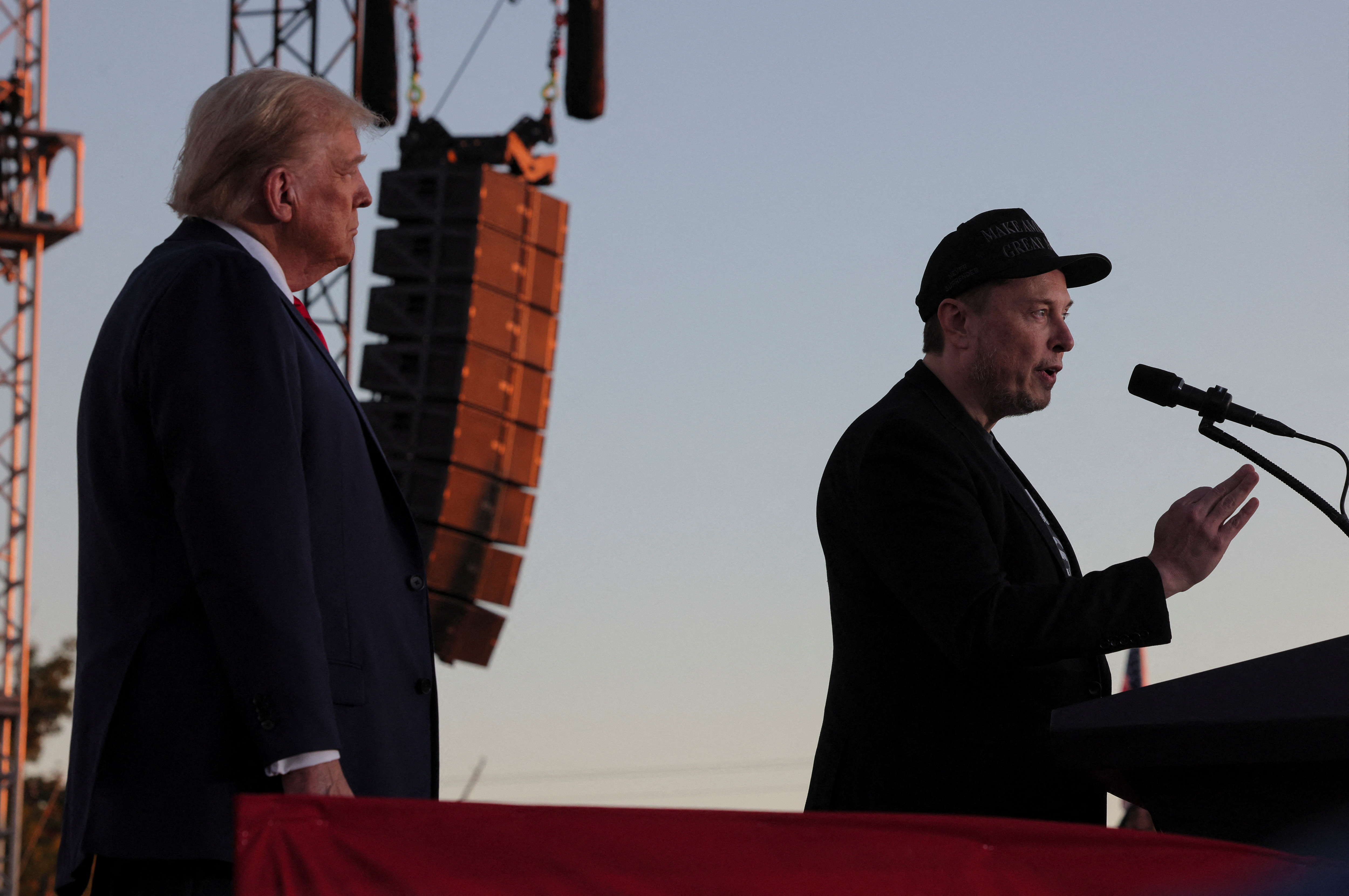

 

Elon Musk Joins Trump’s Call with Ukraine’s Zelenskiy After Election Win, Reports Say

Reports reveal that when Ukrainian President Volodymyr Zelenskiy called Donald Trump to congratulate him on his recent presidential election victory, Tesla and SpaceX CEO Elon Musk joined the conversation. The call, lasting around 25 minutes on Wednesday, featured Trump expressing his support for Ukraine, though without specific details, while Musk committed to continuing Starlink satellite support, a crucial resource for Ukraine’s defense network, according to Axios.

The conversation unfolded as Zelenskiy praised Starlink’s role in maintaining internet services amid the war. Trump, reportedly at Mar-a-Lago with Musk, introduced the tech mogul to Zelenskiy, according to the Washington Post. Musk’s role in providing satellite communication through his SpaceX-owned Starlink has been vital to Ukraine’s defense operations, although Musk’s statements on the conflict have occasionally strained relations with Kyiv.

In response to the call, Zelenskiy emphasized the importance of ongoing U.S. support, sharing on the platform X (formerly Twitter) that he and Trump agreed to continue discussions. “Strong and unwavering U.S. leadership is vital for the world and for a just peace,” he added, underscoring the necessity of American involvement in Ukraine’s battle against Russian aggression.

Reports also highlighted Musk’s financial support of Trump’s campaign and Trump’s indication of offering Musk a role in promoting government efficiency if elected. Musk has not publicly commented on the call, and the Trump campaign refrained from commenting on private discussions.


Investors Weigh Potential Market Impact of a Republican “Red Sweep” After Trump Win

Following Donald Trump’s recent election victory, investors are closely analyzing the potential effects of a “red sweep” scenario—where Republicans secure control of the White House and both chambers of Congress—on financial markets. With Republicans holding a slim lead for the House and many of Trump’s economic policies considered pro-growth, investors are speculating on how such unified government control could shape markets.

If Republicans secure the House, Trump’s policies, including tax cuts and regulatory rollbacks, would likely have an easier path to implementation. Market analysts expect these measures to favor small-cap stocks, boost the dollar, and potentially increase inflation. This anticipation has already pushed small-cap stocks like the Russell 2000 index up by about 8% this week. Although some of these gains have cooled, expectations remain strong for longer-term growth, assuming Republicans gain full control.

Trump’s platform prioritizes slashing federal regulations and preserving the 2017 tax cuts, with additional reductions to corporate and individual taxes under discussion. Goldman Sachs analysts project that a corporate tax cut from 21% to 15% could elevate S&P 500 earnings per share by around 4%. Deutsche Bank analysts also forecast increased growth, adjusting their 2025 U.S. growth estimate from 2.2% to between 2.5% and 2.75% in a red sweep scenario, although they anticipate a dip in 2026 due to potential trade tensions.

The prospect of Republican control could also strengthen the dollar, which recently hit a four-month high. JP Morgan analysts predict that a red sweep could further push the euro down to $1.00-$1.02 compared to its current value, as opposed to a smaller decline with a divided Congress. Historically, stock markets have performed well under unified Republican government control; Evercore ISI research indicates that the S&P 500 has averaged a 9.1% return during periods of single-party control, compared to 6.7% under divided government.

However, some experts caution that legislative changes could face hurdles even with a Republican majority due to narrow margins in both chambers. Paul Nolte, senior wealth advisor at Murphy & Sylvest, suggests that while markets are already pricing in some of Trump’s policies, the final legislative outcome may differ significantly from campaign promises.